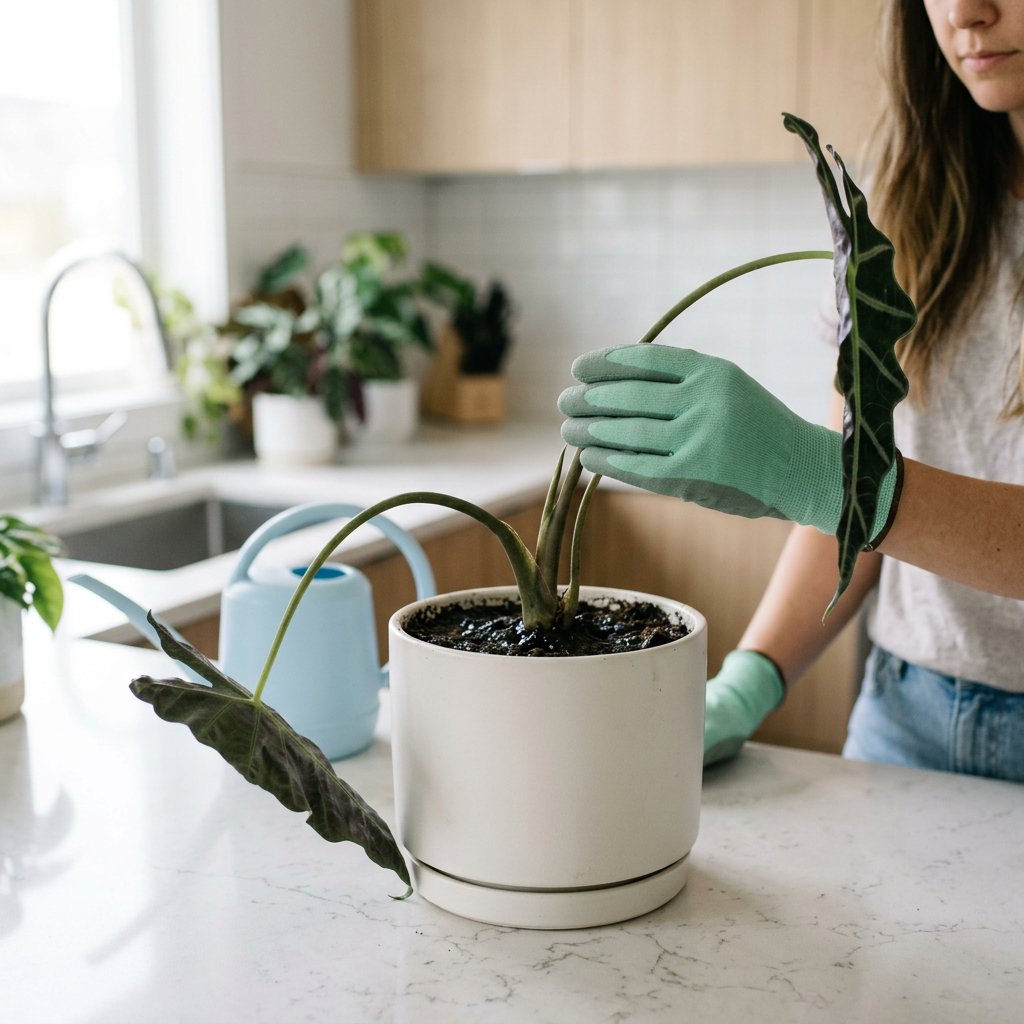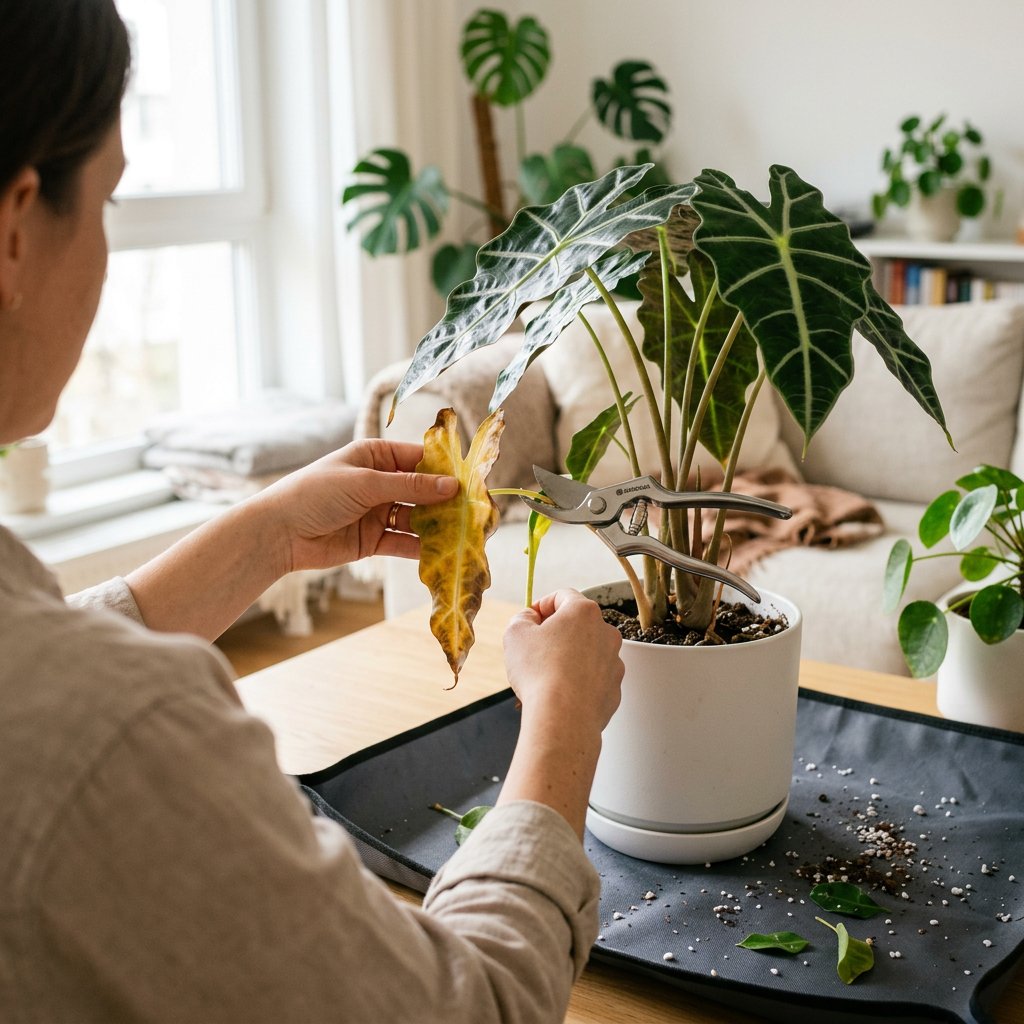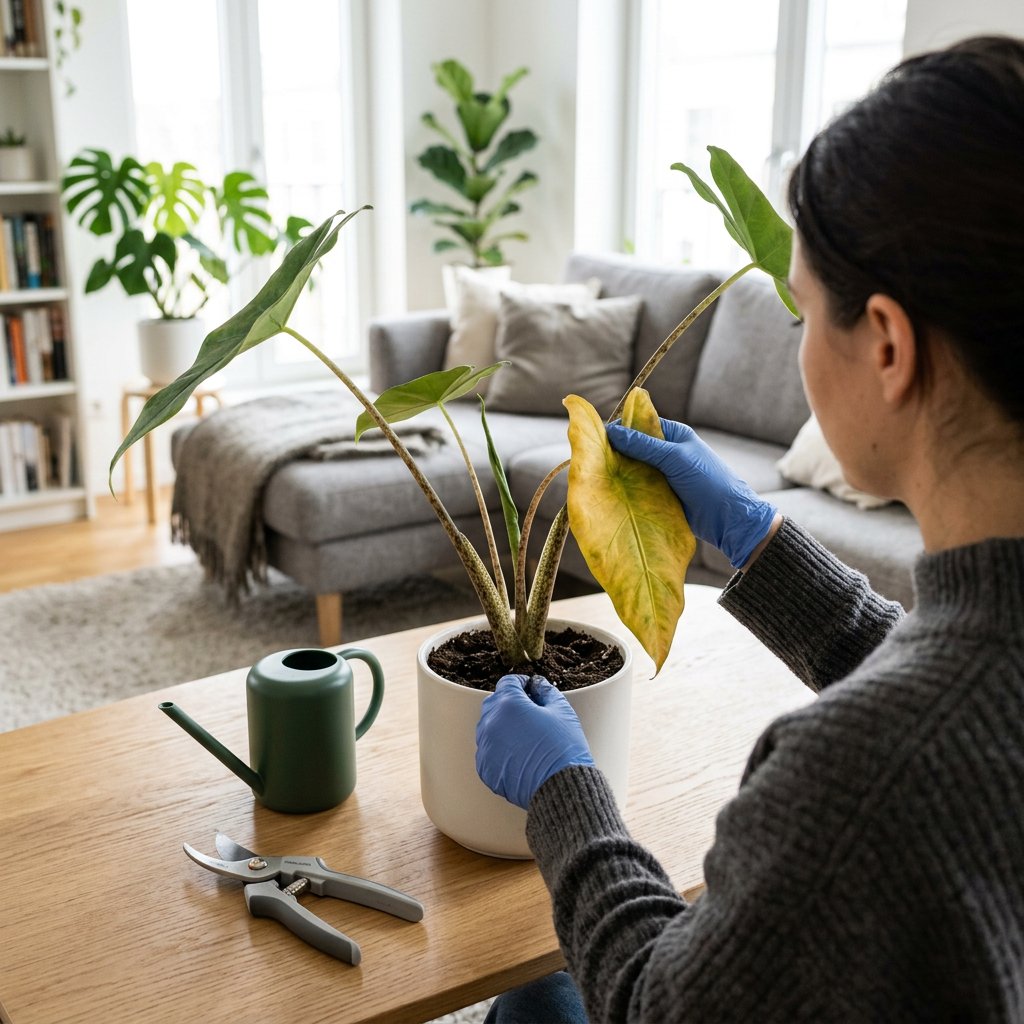
It’s a heartbreaking moment every plant parent knows too well: your stunning, giant-leafed Alocasia suddenly starts dropping its foliage. One by one, the gorgeous leaves turn yellow, wilt, and fall off, leaving nothing but a sad, empty pot of dirt. Before you blame yourself or throw the pot in the compost bin, take a deep breath! You haven’t failed, and your plant might not be gone.
Alocasias are incredibly dramatic, but they are also smart. They possess a natural survival mechanism called dormancy—a resting state where the plant pauses all growth and sheds its leaves to conserve energy during less-than-ideal environmental conditions.
Let's explore how to tell if your beloved "Elephant Ear" is just taking a winter nap or if it has actually passed on, and exactly what you can do to fix it.
The Problem: Is My Alocasia Dormant or Dead?
When an Alocasia loses its leaves, it is easy to assume the worst. However, knowing the physical symptoms of dormancy versus death will save you a lot of unnecessary grief.
Symptoms of a Dormant Alocasia:
- Gradual Yellowing: The oldest, outermost leaves turn yellow and die off first, slowly followed by the rest.
- Stagnant Growth: The plant simply stops pushing out new leaves.
- A Firm Corm: If you gently dig into the soil, you will find the corm—a thick, bulb-like underground stem that stores the plant’s energy and nutrients. In a dormant plant, this corm will feel hard and firm to the touch, like a potato.
Symptoms of a Dead Alocasia:
- Sudden Collapse: The plant collapses entirely while the leaves are still mostly green, often indicating severe shock or rot.
- Mushy Base: The stem at the soil line feels soft, squishy, or slimy.
- Rotting Corm and Roots: When you dig into the soil, the corm is mushy, hollow, or has a foul, swampy odor. This is a sign of severe root rot, meaning the plant has unfortunately died.
Pro Tip: If you are unsure whether the yellowing leaves are due to natural dormancy, an incorrect watering schedule, or a pesky pest, you can use the AI-powered plant disease scanner in the Plantiary app to get a diagnosis in seconds!
The Causes: Why Do Alocasias Go Dormant?
In their natural tropical habitats, Alocasias enjoy consistent warmth and bright light. When we bring them into our homes, seasonal changes trigger their survival instincts. The most common causes of dormancy include:
- Temperature Drops: Alocasias despise the cold. If the temperature in your home drops below 60°F (15°C) or the plant is near a drafty window, it will go to sleep.
- Shorter Daylight Hours: As winter approaches, the days get shorter and darker. Less light means less energy for the plant to sustain its massive leaves.
- Dry Air: Indoor heating strips moisture from the air, drastically dropping humidity levels, which can trigger the plant to shut down to prevent water loss.
The Solutions: Step-by-Step Care and "The Fix"
If your Alocasia is looking bare, don't panic. Follow these actionable steps to care for your sleeping beauty and eventually wake it back up.
Step 1: Perform the "Squish Test"
First, confirm your plant is actually dormant. Gently dig an inch or two into the soil near the center of the pot. Locate the corm and give it a gentle squeeze. If it is firm, congratulations! Your plant is alive and well. Cover it back up with soil. If it is mushy and smells rotten, the plant has sadly succumbed to rot.
Step 2: Adjust Your Care Routine
While your Alocasia is dormant, you must completely change how you care for it.
- Stop Fertilizing: A dormant plant is not actively growing and cannot process plant food. Fertilizing now will burn the roots.
- Reduce Watering Drastically: Because your plant has no leaves, transpiration (the process of water moving through a plant and evaporating from leaves) has stopped. The soil will stay wet for much longer. Only water lightly once every few weeks when the soil is completely bone dry to keep the corm from shriveling.
- Relocate if Necessary: Move the pot away from cold drafts, uninsulated windows, or drying heater vents.
Step 3: Waking It Up (The Spring Fix)
When the days start getting longer and warmer, it’s time to coax your Alocasia out of hiding.
- Increase Warmth and Humidity: Move the pot to a warm spot (ideally around 70°F–80°F). Placing a clear plastic bag or a glass cloche over the pot can create a mini-greenhouse effect to boost humidity.
- Provide Bright, Indirect Light: Ensure the pot is getting plenty of bright, filtered sunlight to signal that spring has arrived.
- Resume Normal Watering: Once you see a tiny green spike emerging from the soil, celebrate! Your Alocasia has woken up. You can now gradually resume your regular watering and fertilizing schedule.
Caring for houseplants is a continuous learning experience, and encountering a dormant plant is a rite of passage. Be patient with your leafless pots this winter. To help prevent accidental overwatering during these sleepy months, don't forget to adjust your watering frequencies using the smart care reminders in the Plantiary app!