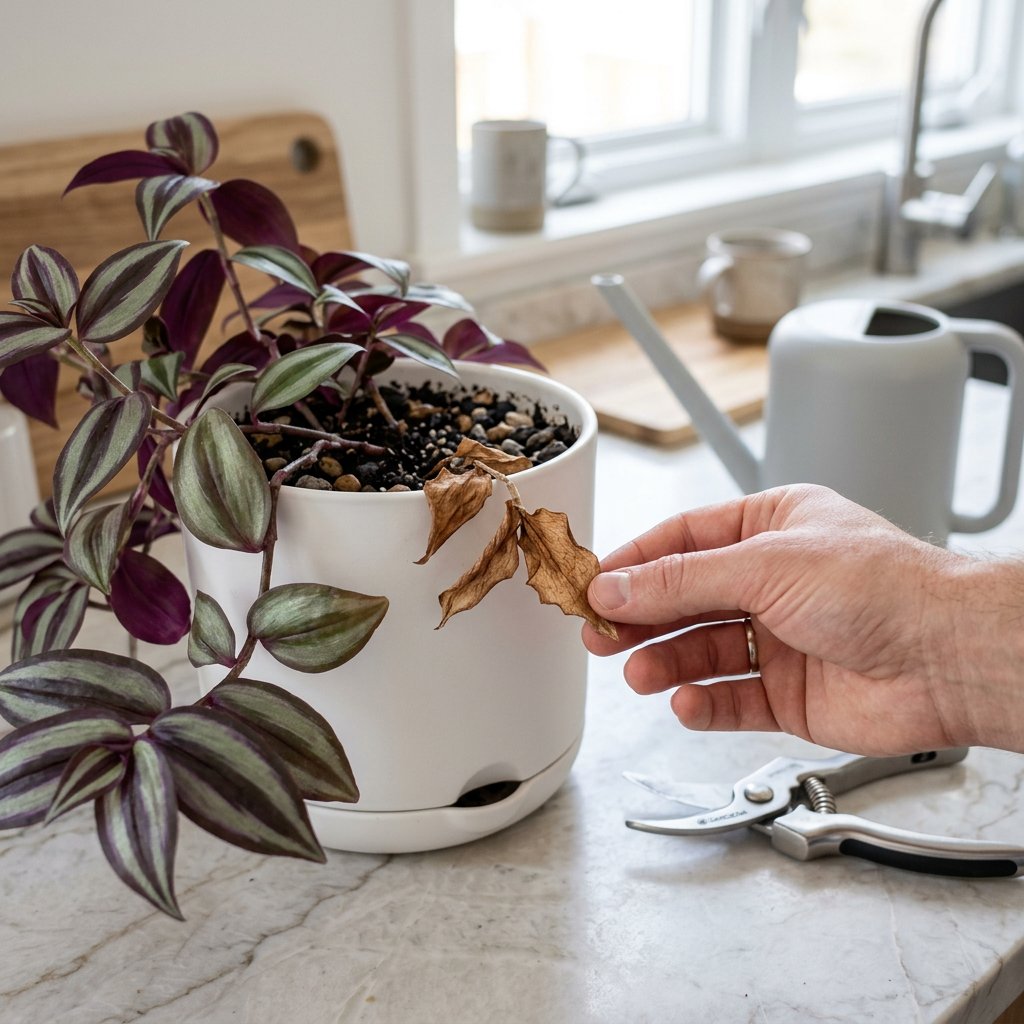
It can be incredibly disheartening to check on your lush, trailing Inch Plant (botanically known as Tradescantia) only to find its once-vibrant purple and silver foliage looking brown, dry, and crispy. First of all, take a deep breath! Plant parenthood is a continuous learning curve, and dealing with a few unhappy leaves happens to absolutely every plant owner. Inch Plants are famously resilient and fast-growing, meaning they can recover beautifully with just a few minor tweaks to their environment.
Whenever you feel overwhelmed by unexpected plant changes, remember that the Plantiary app is right in your pocket, ready to help you confidently identify and solve care issues. Let’s work together to figure out exactly what your Inch Plant is trying to tell you and get those trailing vines back to their colorful, healthy selves.
The Problem: Identifying the Symptoms
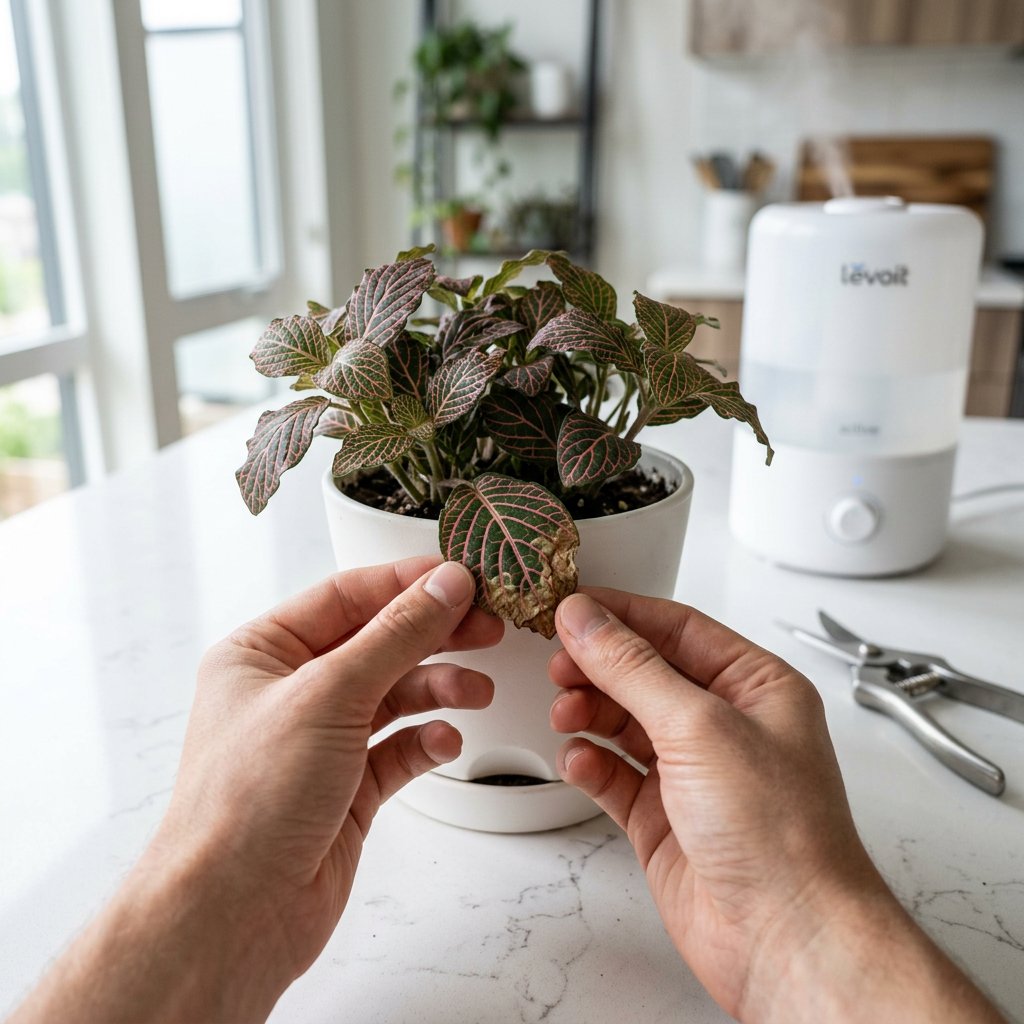
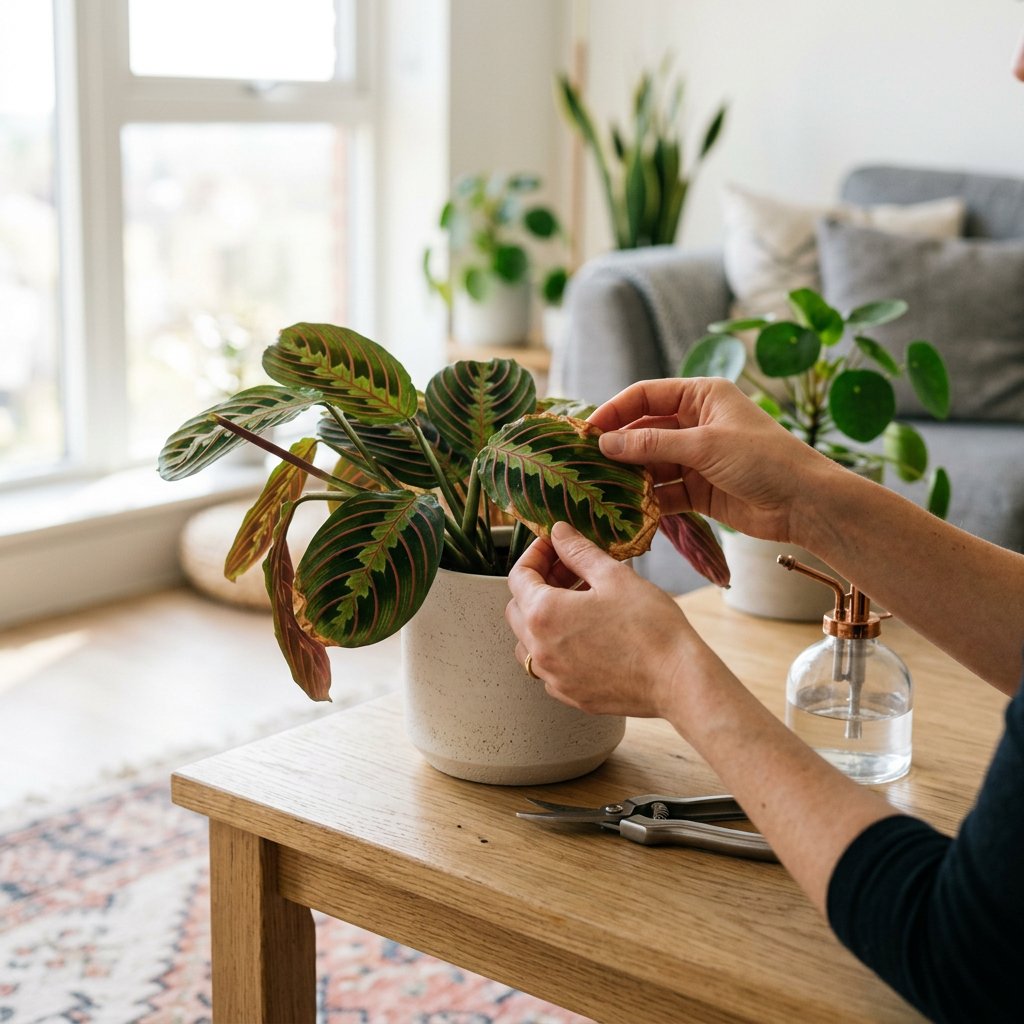
Before we fix the issue, we need to take a close look at the plant. When assessing your Inch Plant, you might notice:
- Crispy, paper-thin edges: The margins (edges) of the leaves feel dry to the touch and crumble easily.
- Browning at the base: The oldest leaves near the soil line are turning brown and shriveling up, leaving bare stems behind.
- Faded colors: The vibrant stripes on the foliage look washed out before the leaf eventually crisps up entirely.
The Causes: Why Is Your Inch Plant Turning Brown?
Plants use their leaves to communicate, and crispy brown foliage is usually your plant's way of asking for a drink or a change in scenery. Here are the most scientifically backed reasons for this issue:
- Underwatering: This is the most common culprit. While Inch Plants are tough, they do not like to completely dry out for long periods. When the roots lack moisture, the plant begins to sacrifice its oldest leaves to conserve water for new growth.
- Low Humidity: Inch Plants have tropical origins. If the air in your home is too dry—especially during winter when indoor heating systems are running—the plant loses moisture through its leaves faster than it can absorb it from the roots.
- Sunburn: Tradescantia plants love bright light, but exposing them to harsh, direct afternoon sun can actually scorch their delicate tissues, resulting in bleached, crispy brown patches.
- Natural Leaf Senescence: Senescence is simply the botanical term for natural aging. As an Inch Plant grows longer vines, it is completely normal for it to shed a few of its oldest leaves near the base of the soil. If it's only one or two leaves, there is no need to panic!
The Solutions: How to Bring Your Inch Plant Back to Life
Now that we know what might be causing those crunchy leaves, it is time to take action. Follow this step-by-step treatment plan to rejuvenate your plant.
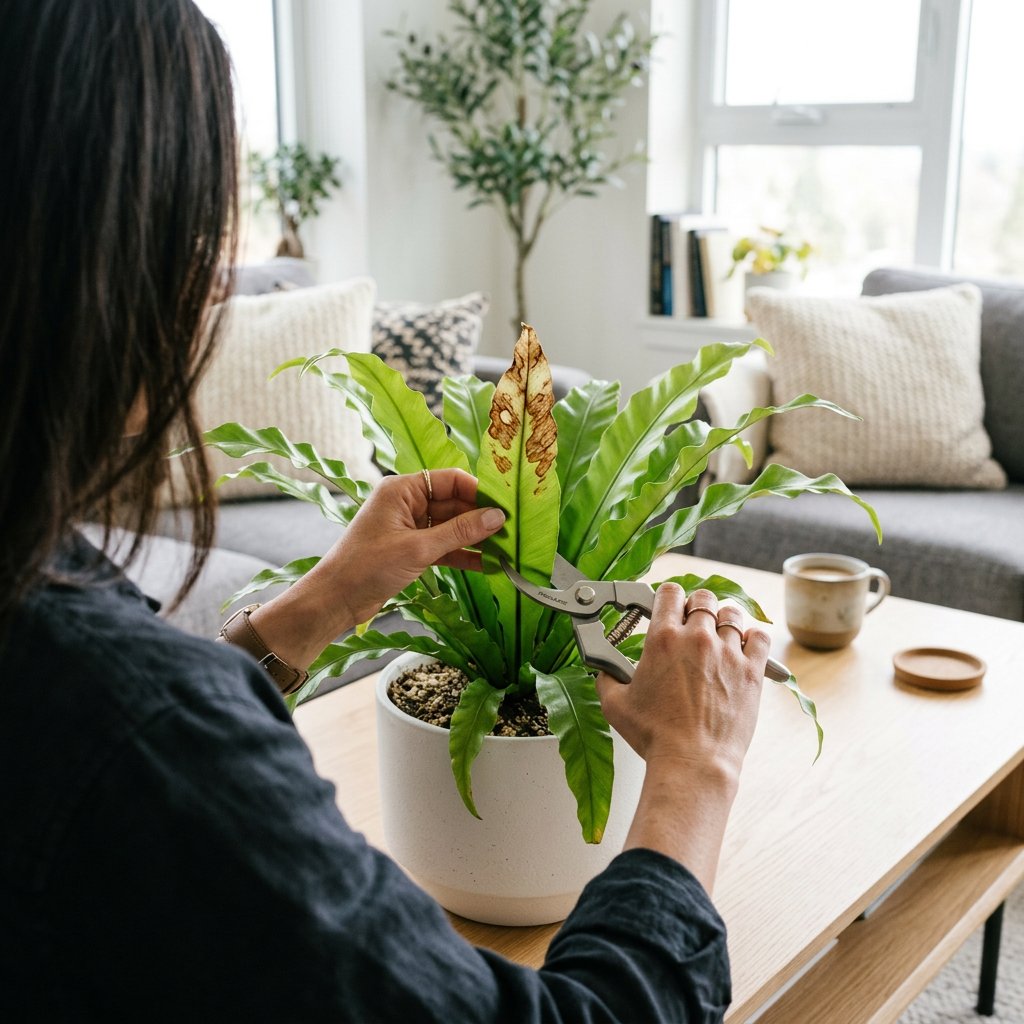
Step 1: Trim Away the Dead Foliage
Once a leaf turns brown and crispy, it cannot heal or turn green again. Using clean, sharp scissors, gently snip off the dead leaves. Removing them not only makes your plant look instantly better, but it also redirects the plant's energy toward producing healthy new growth.
Step 2: Adjust Your Watering Routine
Inch Plants thrive when their soil is kept evenly moist but never waterlogged. Check the top inch of the soil with your finger; if it feels completely dry, it is time to water. Water thoroughly until moisture drains out of the bottom of the pot. Tip: Be sure to empty the saucer afterward so the roots don't sit in stagnant water, which can cause root rot. If you struggle to remember when to water, you can easily set up smart watering reminders in the Plantiary app!
Step 3: Boost the Environmental Humidity
Since these trailing beauties love moisture, adding humidity to the air will prevent future crispy edges. You can achieve this by grouping your houseplants together, placing your Inch Plant pot on a pebble tray filled with water, or using a small indoor humidifier. Skip misting the leaves directly, as water droplets trapped on the plant's slightly hairy foliage can sometimes invite fungal or bacterial issues.
Step 4: Optimize the Lighting
Relocate your plant to a spot where it receives plenty of bright, indirect light. An east-facing window that gets gentle morning sun is perfect. If you only have a south or west-facing window, try pulling the plant a few feet back or using a sheer curtain to diffuse the harsh rays and prevent sunburn.
If you have adjusted your care routine and are still unsure what is wrong with your plant, you can always use the AI-powered plant disease scanner in the Plantiary app to get an accurate diagnosis in seconds. Keep your chin up, follow these steps, and watch your Inch Plant bounce back more vibrant than ever!