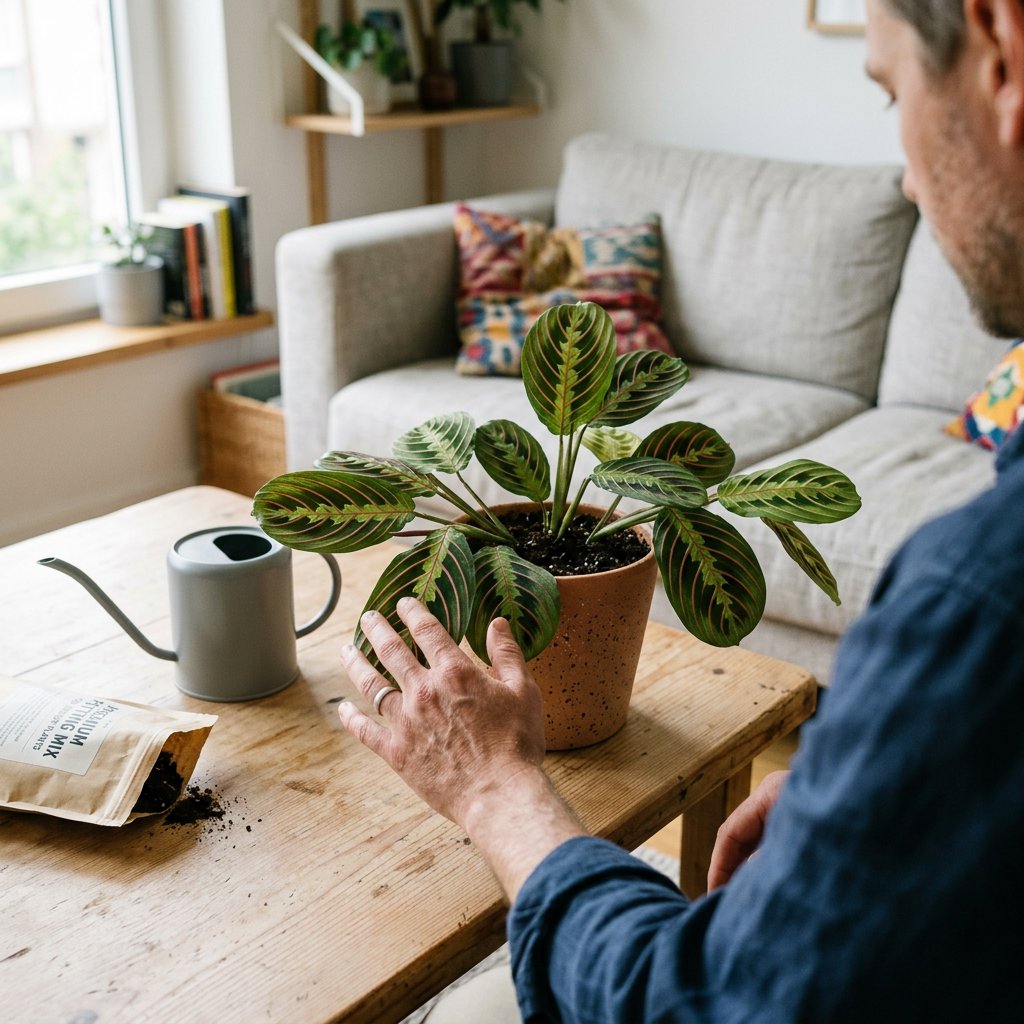
Have you ever walked up to your beautiful Prayer Plant (Maranta leuconeura), eagerly waiting to see its leaves perform their stunning nightly folding dance, only to notice dry, crispy brown edges? If you are currently looking at a crunchy, struggling plant, take a deep breath. You are absolutely not a bad plant parent! Prayer plants are famously dramatic, and crispy leaves are an incredibly common issue that happens to even the most experienced indoor gardeners. The good news is that with a few simple adjustments to your care routine, you can get your plant back to its lush, vibrant self.
The Problem: Identifying Crispy Leaves
Before we fix the issue, let's take a look at what your plant is trying to tell you. The symptoms usually start small and gradually worsen if left untreated. You might notice:
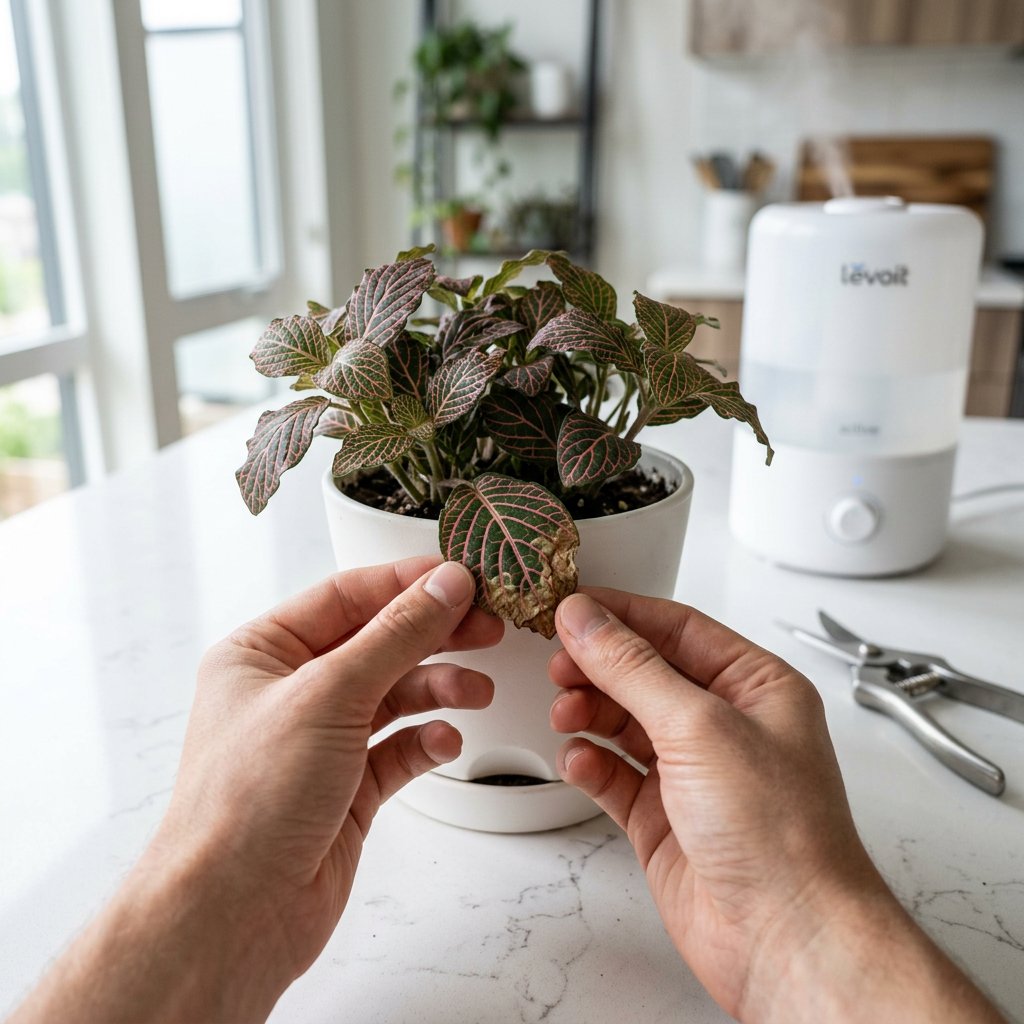
- Brown, papery tips: The very ends of the leaves feel dry and brittle to the touch.
- Curling margins: The sides of the leaves begin to roll inward, accompanied by a yellow or brown halo.
- Fading colors: The striking pink, red, or light green veins begin to look dull.
In botanical terms, this crispiness is a form of necrosis—which is simply a fancy word for localized dead plant tissue. Once a section of a leaf dies and turns brown, it cannot turn green again. But don't worry, we are going to focus on protecting the rest of the leaf and ensuring all new growth comes in perfectly healthy!
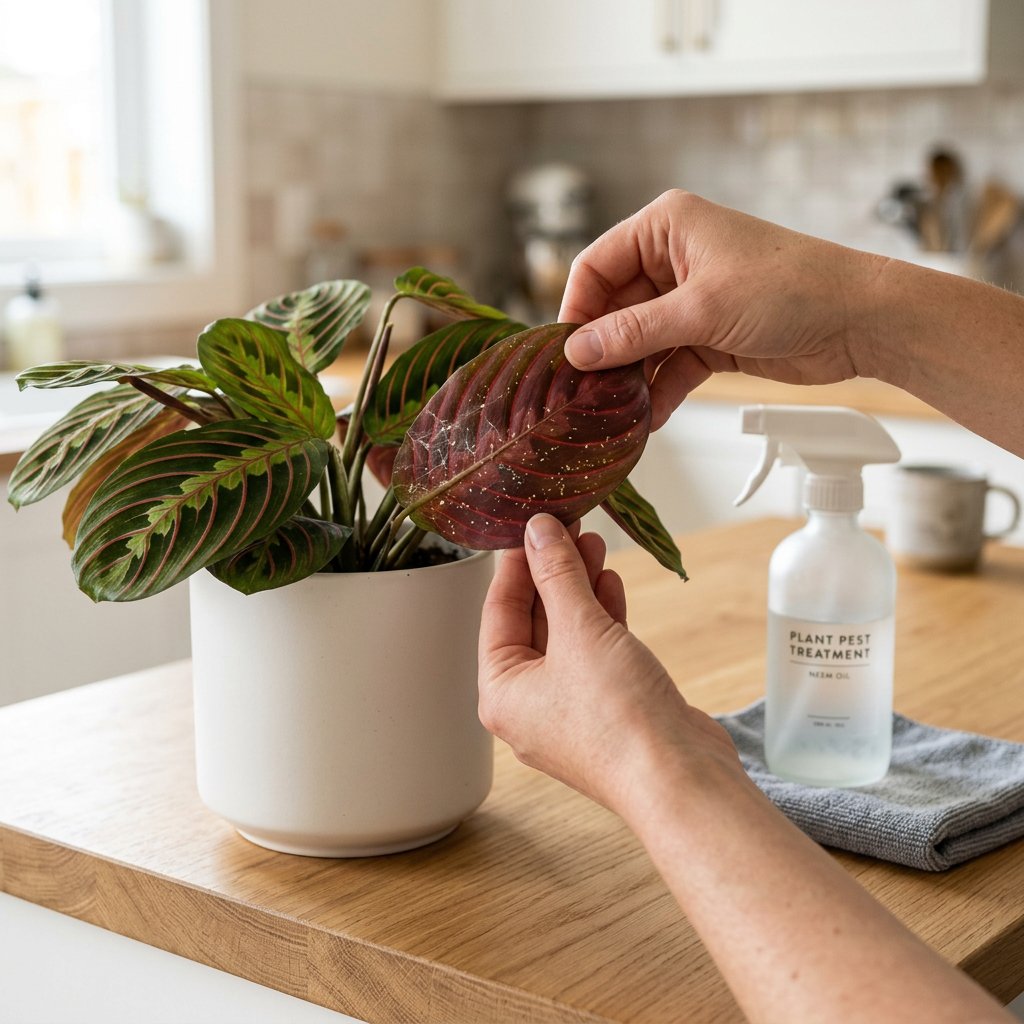
Tip: Not quite sure if the brown spots are from dry air or a pesky fungal infection? You can always snap a quick photo and use the AI-powered plant disease scanner in the Plantiary app to get a professional diagnosis in seconds.
The Causes: Why Is Your Prayer Plant Drying Out?
Prayer plants are native to the tropical rainforests of Brazil. When we bring them into our living rooms, they sometimes struggle to adapt to our household environments. Here are the most common culprits behind those crispy edges:
- Low Humidity: Central heating and air conditioning strip moisture from the air. When the air is too dry, it pulls water out of the plant's leaves faster than the roots can absorb it.
- Hard Tap Water: Prayer plants are highly sensitive to the chemicals found in municipal tap water, specifically fluoride, chlorine, and heavy salts. These minerals build up in the soil and cause chemical burns on the leaf tips.
- Improper Watering: Allowing the soil to completely dry out will immediately cause the leaves to curl and crisp up in self-defense.
- Direct Sunlight: In nature, these plants grow on the shaded forest floor. Direct, harsh sunlight will easily scorch their delicate foliage.
The Solutions: Step-by-Step Treatment for Crispy Leaves
Now that we know exactly what is upsetting your plant, let’s go through the steps to fix it.
Step 1: Upgrade Your Water Source
Stop using water straight from the tap. Transition to using distilled water, collected rainwater, or reverse-osmosis filtered water. If you absolutely must use tap water, let it sit out overnight in an open container so that some of the chlorine can evaporate (though note that this will not remove fluoride).
Step 2: Boost the Ambient Humidity
Your plant needs a more humid environment to slow down transpiration—the natural process where plants release water vapor from their leaves into the air.
- Place a small humidifier near your plant to keep the local humidity above 50%.
- Alternatively, create a pebble tray: fill a shallow dish with pebbles and water, and set your plant pot on top (ensuring the bottom of the pot isn't touching the water directly).
- Note: Skip the misting! Heavy misting doesn't raise humidity for long and can actually encourage harmful fungal growth on the leaves.
Step 3: Perfect Your Watering Routine
Prayer plants love consistency. The goal is to keep the soil evenly moist, like a wrung-out sponge, but never soggy or waterlogged. Water your plant as soon as the top inch of the soil feels dry to the touch. If you have trouble remembering when to water, you can easily set up customized care and watering reminders in your Plantiary app so your plant never goes thirsty again!
Step 4: Relocate for Proper Lighting
Move your Prayer Plant to a spot where it receives bright, indirect light. An East-facing window is usually perfect. If you only have South or West-facing windows, pull the plant a few feet back into the room or filter the harsh sunlight with a sheer curtain to prevent scorching.
Step 5: Prune the Damage
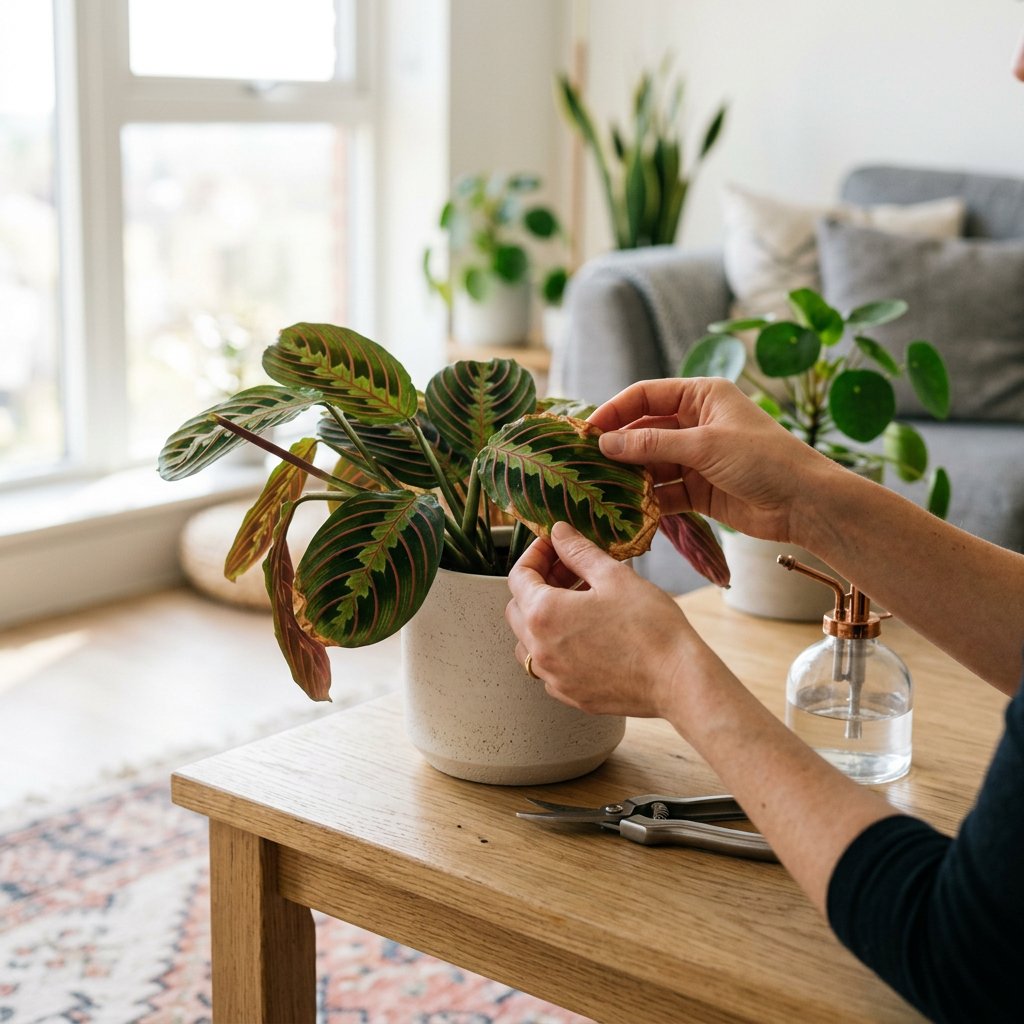
Grab a pair of sterile scissors and carefully trim away the crispy, brown edges. Try to follow the natural shape of the leaf as you cut, and leave a tiny millimeter of brown tissue behind so you don't cut into the healthy green tissue (which would cause a new brown edge to form).
Remember, plant care is a journey of learning and adjusting. By giving your Prayer Plant the pure water, high humidity, and consistent moisture it craves, you will soon be rewarded with a flush of stunning, soft, and completely crisp-free new leaves!