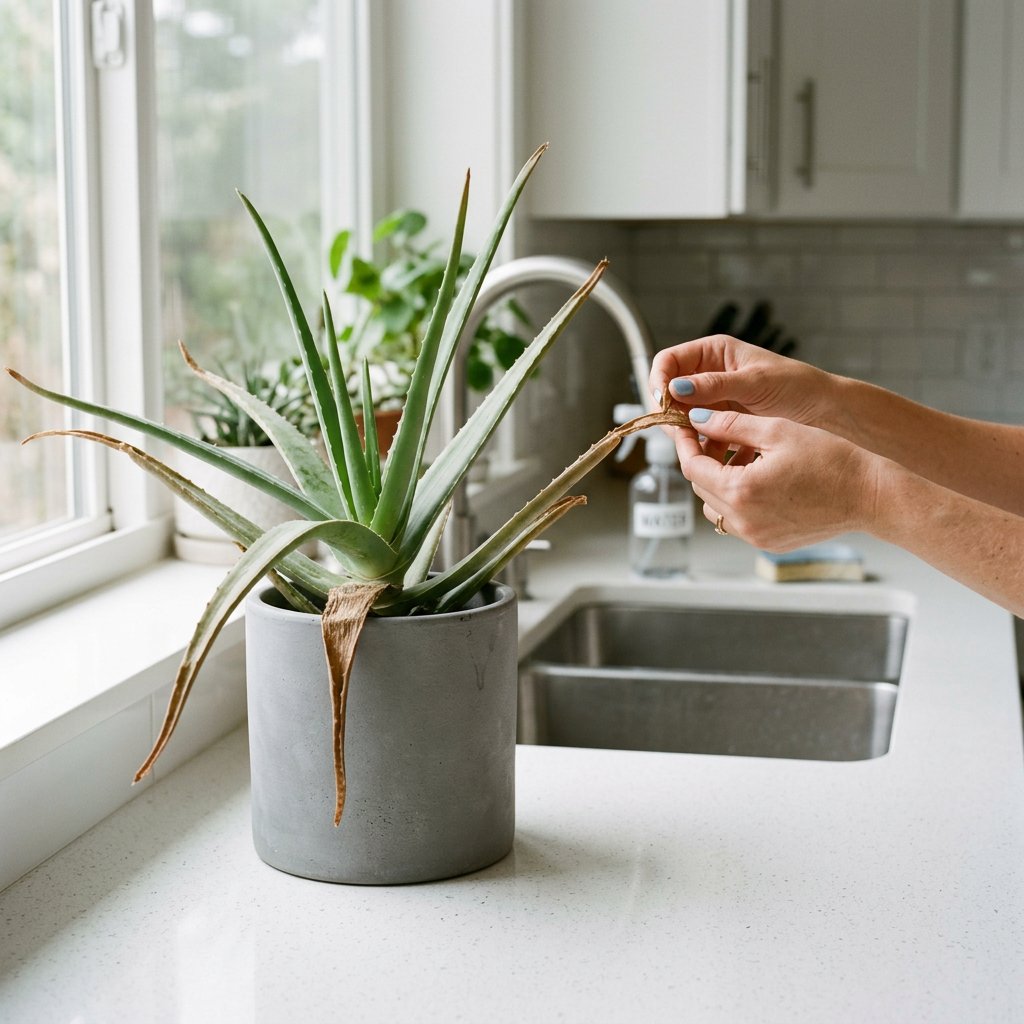
Have you ever walked past your beloved Aloe Vera, expecting to see those plump, vibrant green leaves, only to notice the tips turning a crispy, unsightly brown? Take a deep breath! Seeing brown tips on your succulent can be disheartening, but please don't feel guilty. Plant parenting is a learning curve, and even the most experienced indoor gardeners face this common issue. Usually, this browning boils down to two main culprits: sun exposure or watering habits. Let's get to the root of the problem together and bring your Aloe back to its beautiful, thriving self.
The Problem: Decoding the Symptoms
Before we can fix the issue, we need to understand what your plant is trying to tell you. Brown tips on an Aloe plant can manifest in a few different ways, and paying attention to how the leaf is browning is your first clue to solving the mystery.
- Dry and Brittle: The tips are paper-thin, crispy, and easily crumble when touched.
- Mushy and Dark: The tips (and sometimes the base of the leaf) feel soft, squishy, and have a dark brown or blackish hue.
- Faded and Scorched: The brown tips are accompanied by a reddish or pale, washed-out color across the rest of the leaf.
If you are ever unsure what is wrong with your plant, you can use the AI-powered plant disease scanner in the Plantiary app to get a diagnosis in seconds!
The Causes: Is it Sun or Water?
Aloe Vera plants are native to arid, dry climates, which makes them incredibly tough. However, indoor environments can sometimes throw their natural rhythms out of balance.
Watering Woes
- Overwatering: Giving your Aloe too much love (and water) is actually the most common cause of brown tips. Consistent overwatering leads to a condition called edema—this happens when the plant's roots absorb more water than the leaves can release. The plant cells swell and burst, causing the tips to turn brown or black. It can also cause root rot, where suffocated roots can no longer transport water, ironically causing the leaf tips to dry out.
- Underwatering: Aloes store water in their fleshy leaves. However, if they go completely dry for too long, the plant will start consuming its own water reserves to survive, starting at the very ends of the leaves. This results in crispy, desiccated tips.
Sun Stress
- Sunburn: While Aloes love light, they can absolutely get sunburned! Moving your plant suddenly from a shaded spot to harsh, direct afternoon sun can shock the foliage. This causes the leaves to scorch, resulting in brown, crispy tips and a reddish or pale tint over the rest of the plant.
The Solutions: Step-by-Step Treatment
Now that we understand the causes, let's take action. Follow these simple, scientifically backed steps to get your Aloe Vera back on track.
Step 1: Check the Soil Moisture Stick your finger about two inches deep into the potting mix. If it feels bone dry and the leaves look slightly shriveled or curled inward, your plant is underwatered. If the soil feels soggy, heavy, and the leaves feel mushy, you are dealing with overwatering.
Step 2: Adjust Your Watering Routine
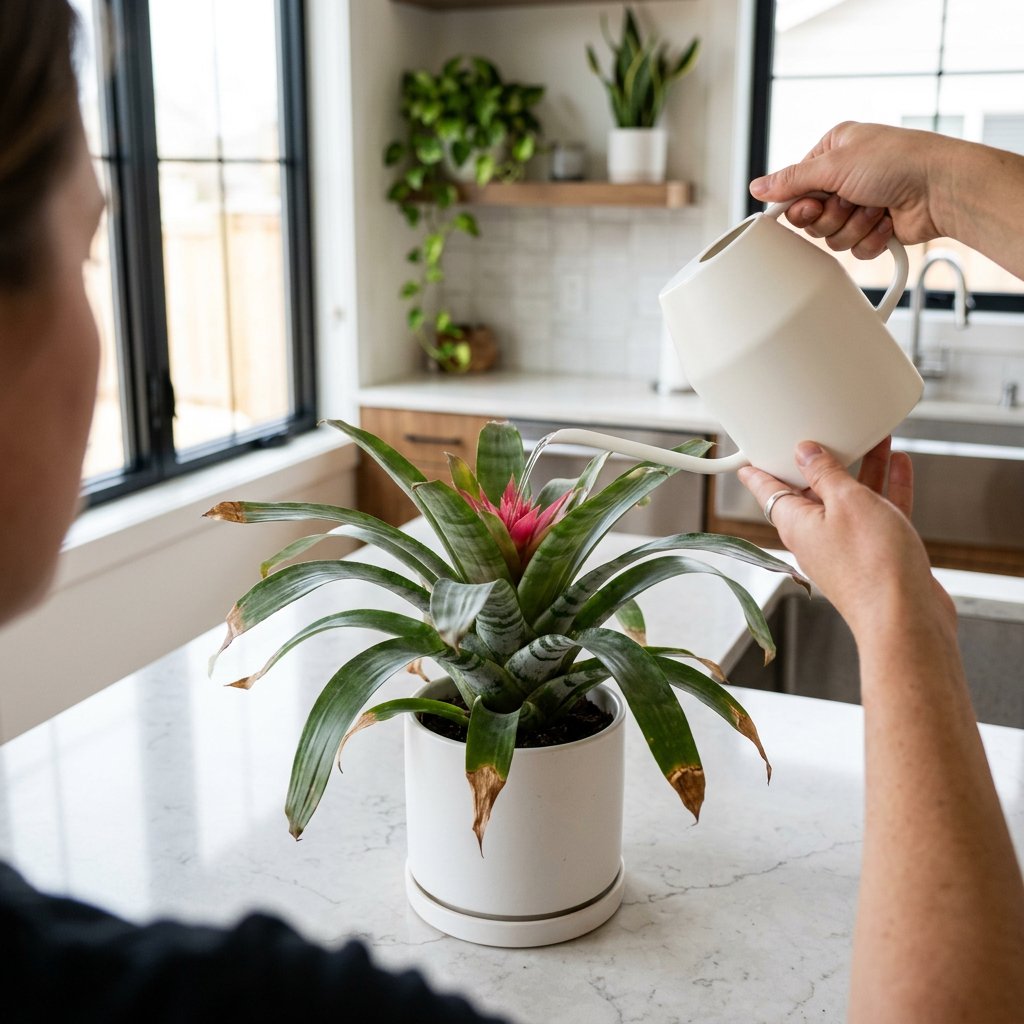
- For Underwatering: Give your Aloe a thorough, deep soaking until water freely runs out the drainage holes at the bottom of the pot. Let the soil dry completely before watering again.
- For Overwatering: Stop watering immediately. If the soil is soaking wet, you may need to repot the plant in fresh, well-draining cactus or succulent soil. Ensure your pot has drainage holes to prevent future root suffocation.
Step 3: Relocate for Better Light If you suspect sunburn, move your Aloe to a spot with bright, indirect sunlight. A spot near a south- or west-facing window with a sheer curtain is perfect. If you ever plan to move your Aloe outdoors for the summer, do it gradually over a couple of weeks to let the plant acclimate to the stronger UV rays.
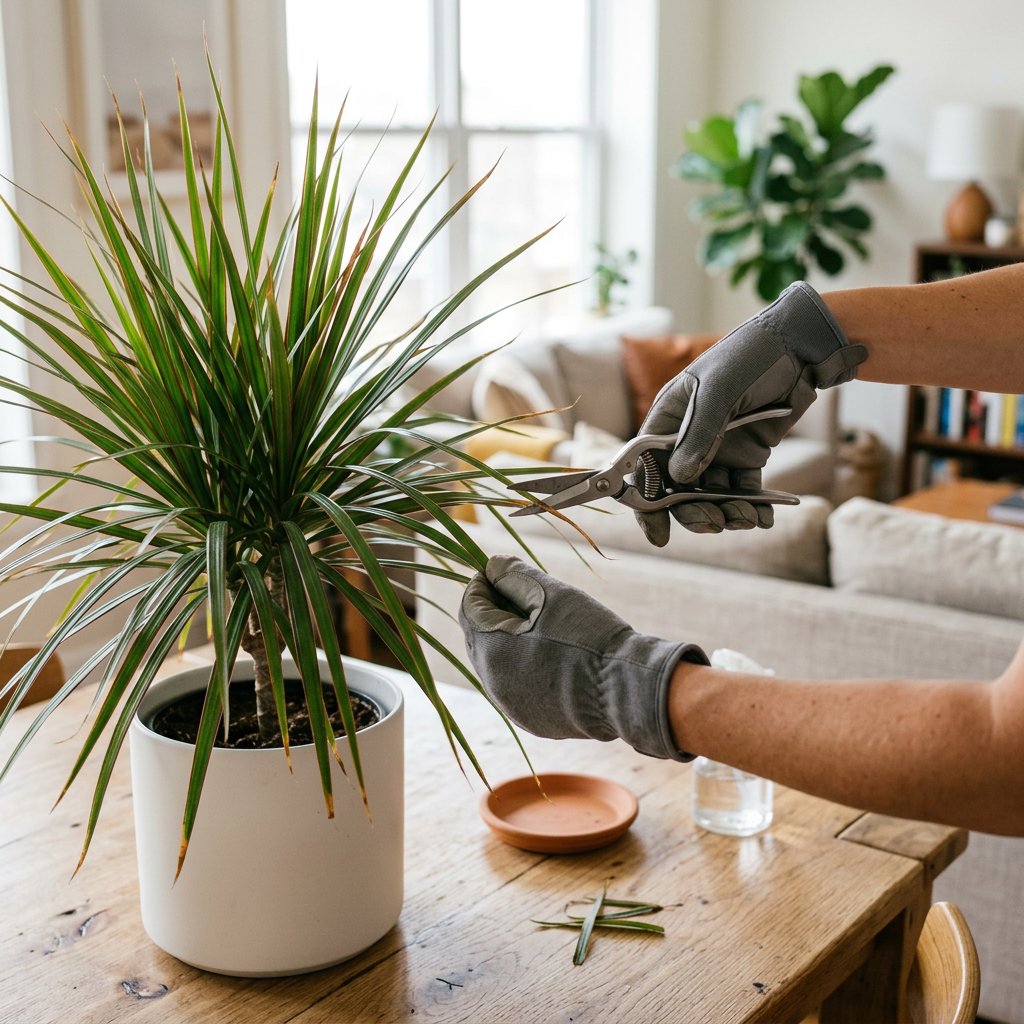
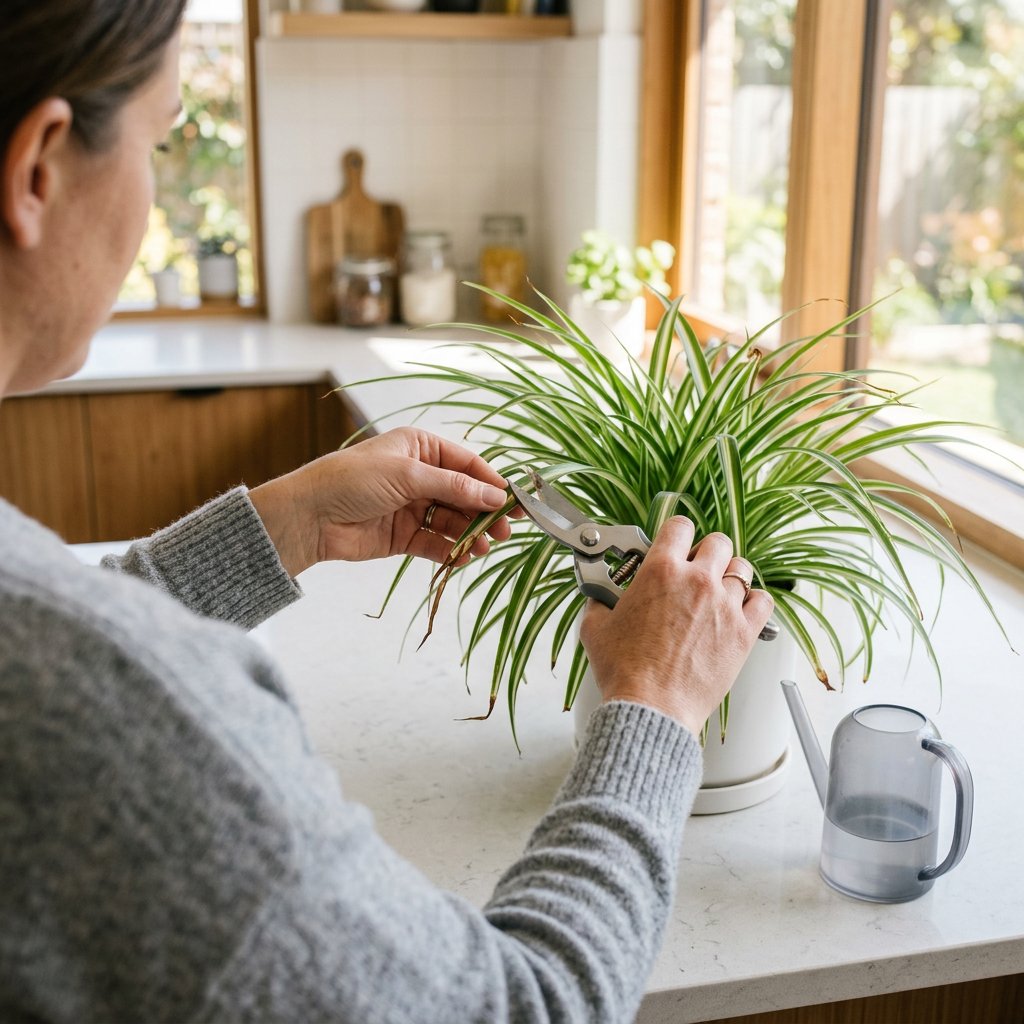
Step 4: Prune the Damage Once you've corrected the environment, you can tidy up the plant. Using sterilized scissors or pruning shears, carefully snip off the dead, brown tips. Cut just slightly above the brown area so you don't cut into the healthy green tissue, which can create a fresh wound and cause further browning.
A Little Patience Goes a Long Way
Remember, plants are incredibly resilient, and your Aloe Vera is no exception! By making a few simple adjustments to its watering schedule and light exposure, your plant will be pushing out fresh, healthy green growth before you know it. To take the guesswork out of your plant care routine, log your watering days and monitor your plant's recovery with the Plantiary app. You've got this!