Have you ever walked up to your usually perky Pothos only to find it looking sad, limp, and totally exhausted? If your heart just sank, take a deep breath! Seeing your houseplants wilt can be stressful, but it happens to absolutely every plant parent, from beginners to seasoned botanists. Pothos plants are incredibly resilient, and a drooping vine is simply their way of communicating with you. Usually, they are asking one of two very different questions: "Can I get a drink?" or "Can you get me out of this puddle?"
Let’s decode what your Pothos is trying to tell you and get it bouncing back to life.
The Problem: Decoding the Droop
When a Pothos droops, it is experiencing a loss of turgor pressure. This is a botanical term for the water pressure inside the plant's cells that keeps the leaves plump, stiff, and upright. Without the right amount of water flowing through its system, the cells deflate like tiny balloons, causing the leaves to slump.
But here is the tricky part: this deflation happens whether the plant has too little water or too much! To treat it properly, we have to find out exactly why those cells are empty.
The Causes: Is Your Pothos Thirsty or Drowning?
To figure out what went wrong, we need to play plant detective and look for a few accompanying clues in the soil and the leaves.
Signs of an Underwatered (Thirsty) Pothos
If your plant is simply parched, it will usually show these symptoms:
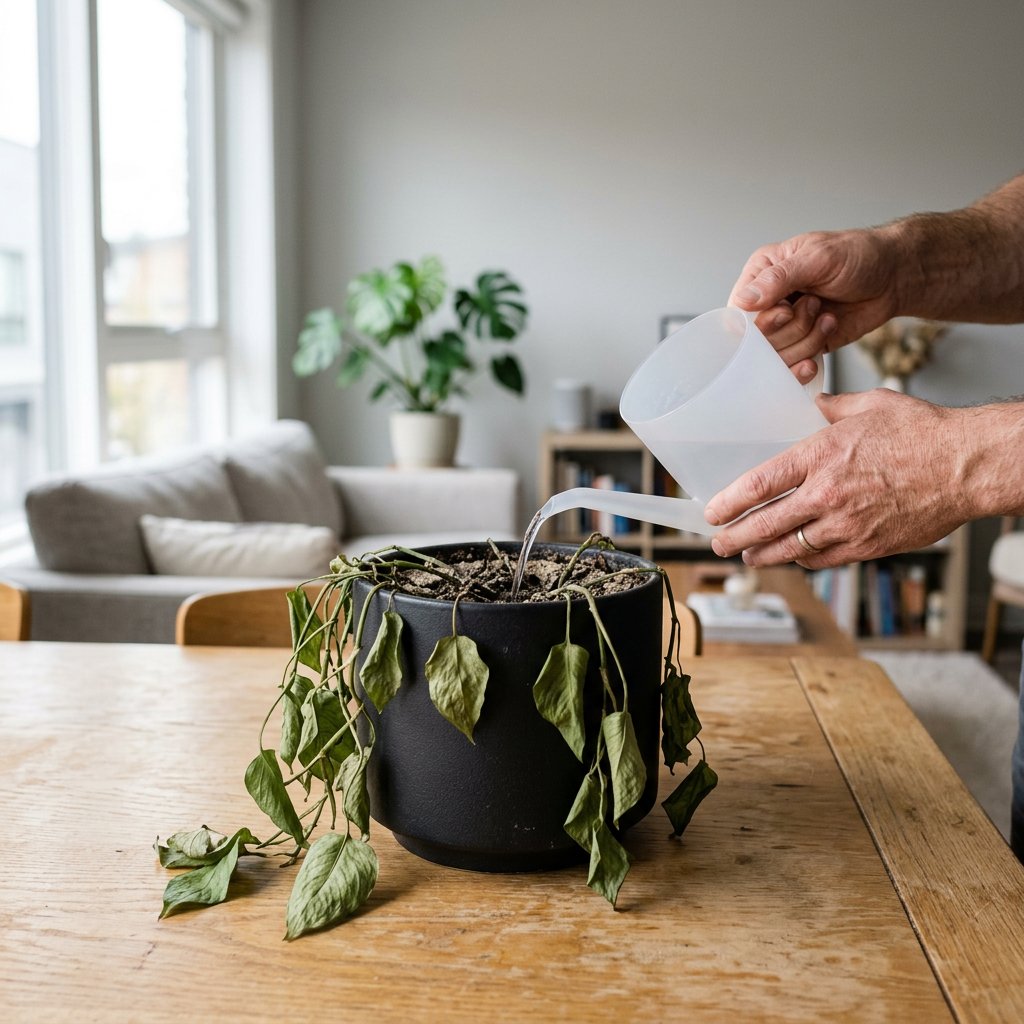
- Bone-dry soil: The dirt may feel hard and might even pull away from the sides of the pot.
- Crispy edges: The tips of the leaves might be turning brown and brittle.
- Papery leaves: The foliage feels thin, dry, and slightly curled inward to conserve moisture.
Signs of an Overwatered (Drowning) Pothos
If your plant has had too much to drink, it will show entirely different signs of distress:
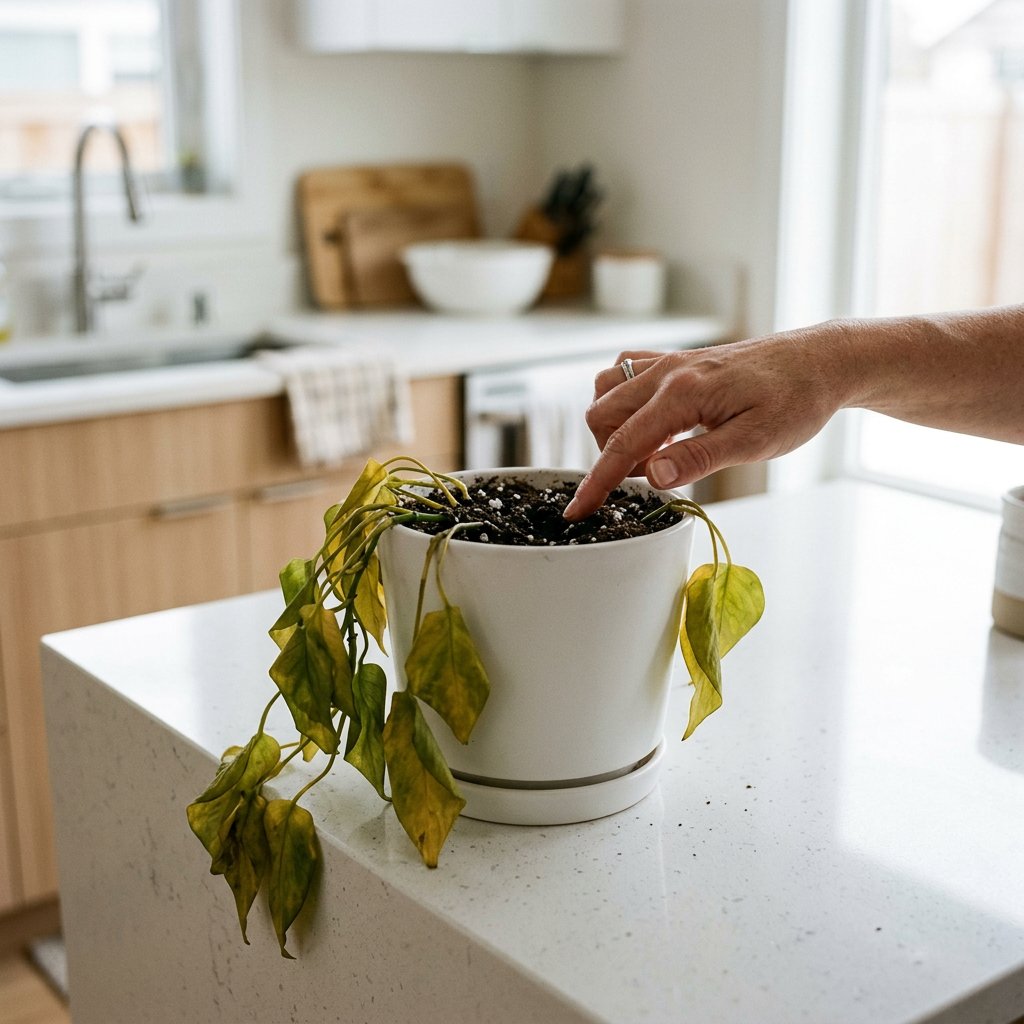
- Soggy soil: The potting mix feels heavy, wet, and might even have a musty, swampy smell.
- Yellowing leaves: Also known as chlorosis (a loss of green pigment due to stress), yellowing usually starts near the base of the plant.
- Mushy black stems: This is a primary indicator of root rot. Root rot is a fungal condition that destroys drowning roots so they can no longer absorb water—ironically leaving the rest of the plant totally dehydrated.
If you are looking at your plant and still feeling completely stumped, don't worry! If you are unsure what is wrong with your plant, you can use the AI-powered plant disease scanner in the Plantiary app to get a diagnosis in seconds, taking all the guesswork out of plant parenthood.
The Solutions: Step-by-Step Treatment
Once you have identified the culprit, treating your Pothos is incredibly straightforward. Choose the recovery plan below that matches your plant's symptoms.
How to Revive a Thirsty Pothos
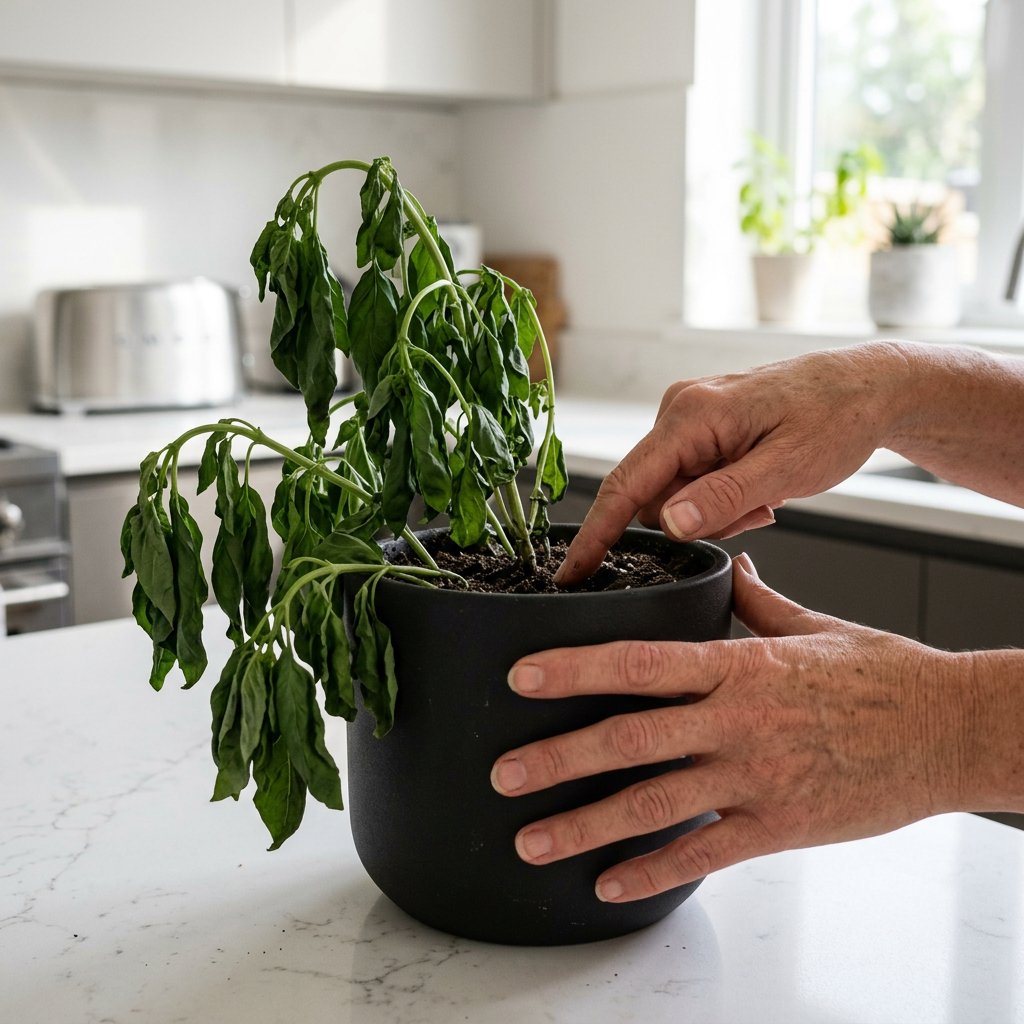
- Step 1: Check the soil. Poke your finger about two inches deep into the dirt. If it is totally dry, your plant is ready for a drink.
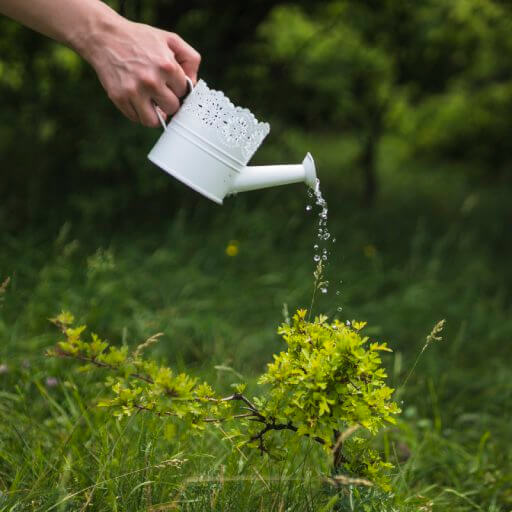
- Step 2: Give it a deep soak. Water the plant slowly and thoroughly until water runs out of the drainage holes at the bottom. Alternatively, you can "bottom water" by placing the pot in a bowl of water for 30 minutes, allowing the roots to drink up exactly what they need from the bottom up.
- Step 3: Drain the excess. Never leave your plant sitting in a saucer of water for hours. Empty the drip tray completely once the plant is done draining.
- Step 4: Set a schedule. To prevent future droughts, log your watering days using the smart care reminders in your Plantiary app!
How to Save a Drowning Pothos
- Step 1: Stop watering immediately. Give the roots a chance to breathe. If the soil is just a little too wet, moving the plant to a brighter spot can help the moisture evaporate faster.
- Step 2: Inspect the roots. If the soil is completely waterlogged, gently slide the plant out of its pot. Look for mushy, brown, or foul-smelling roots. Healthy roots should be firm and light-colored.
- Step 3: Trim the damage. Using sterilized scissors, carefully snip away any rotting, mushy roots. This stops the decay from spreading.
- Step 4: Repot with fresh soil. Replant your Pothos in a fresh, dry, well-draining potting mix (adding some perlite helps immensely with aeration). Ensure the new pot has adequate drainage holes.
- Step 5: Adjust your watering habits. Going forward, always wait until the top two to three inches of soil are completely dry to the touch before reaching for the watering can.
Seeing a drooping plant can feel discouraging, but it is actually a wonderful learning opportunity. Pothos plants are famous for their forgiving nature, and with a few quick adjustments, those beautiful trailing vines will be perky and vibrant again in no time. You've got this!