Walking into the room to find your usually vibrant Aglaonema—often called the Chinese Evergreen—looking sad, slumped over, and lifeless can be a heart-sinking moment. Take a deep breath! Plant parenthood is full of ups and downs, and a drooping plant absolutely does not mean you have failed. In fact, drooping is simply your plant’s way of communicating that something in its environment needs a little tweak. Every plant parent experiences this, and the good news is that Aglaonemas are incredibly resilient. With a little bit of detective work, we can get those stems standing tall again.
The Problem: Identifying the Symptoms
Aglaonemas are universally loved for their sturdy, upright stems and striking, colorful foliage. When they start to struggle, the signs are usually quite visual. You might notice:
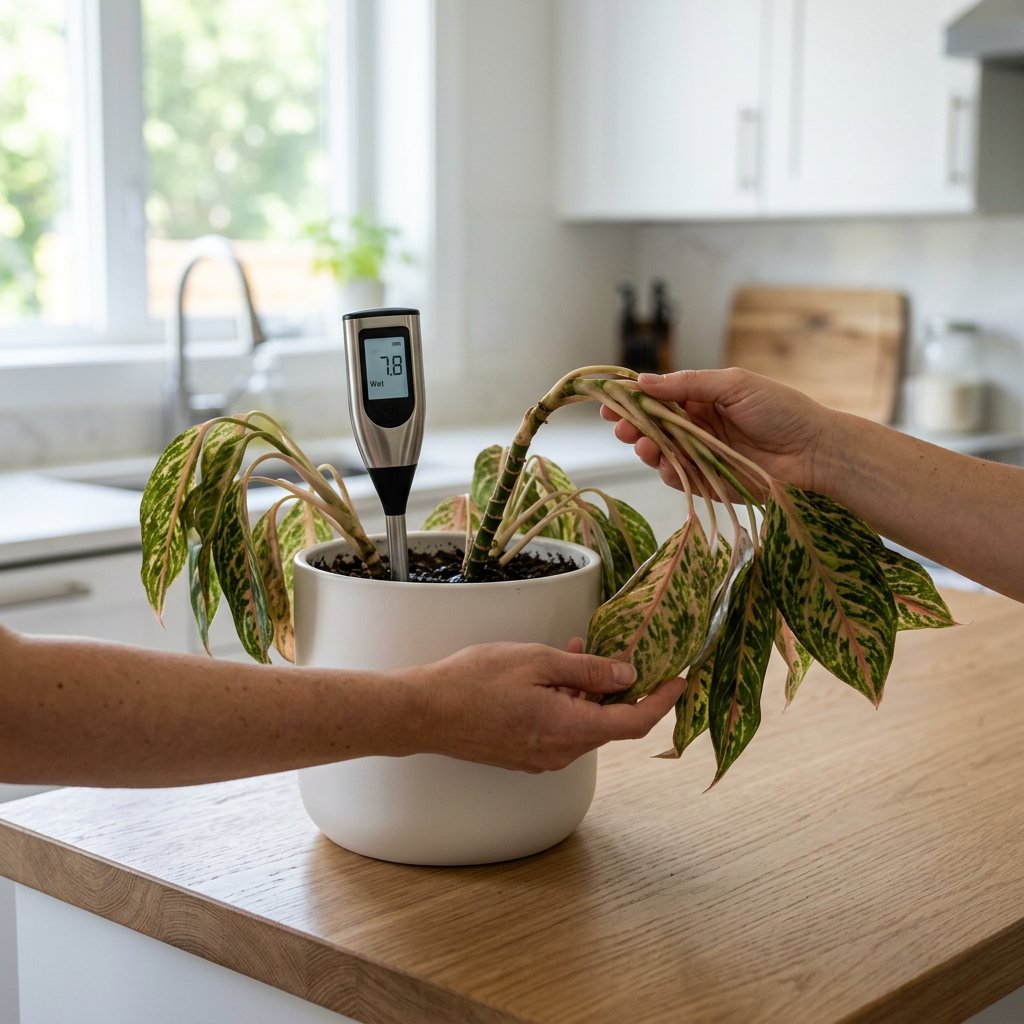
- Limp, bending stems that look like they can no longer support the weight of their own leaves.
- Wilted or curling foliage that lacks its usual glossy shine.
- Accompanying discoloration, such as yellowing leaves or crispy brown edges. These secondary symptoms are massive clues that help us figure out exactly what is going wrong beneath the soil.
The Causes: Why is Your Aglaonema Drooping?
To fix the droop, we first need to understand the root of the problem. Here are the most common scientific culprits behind drooping Aglaonema stems:
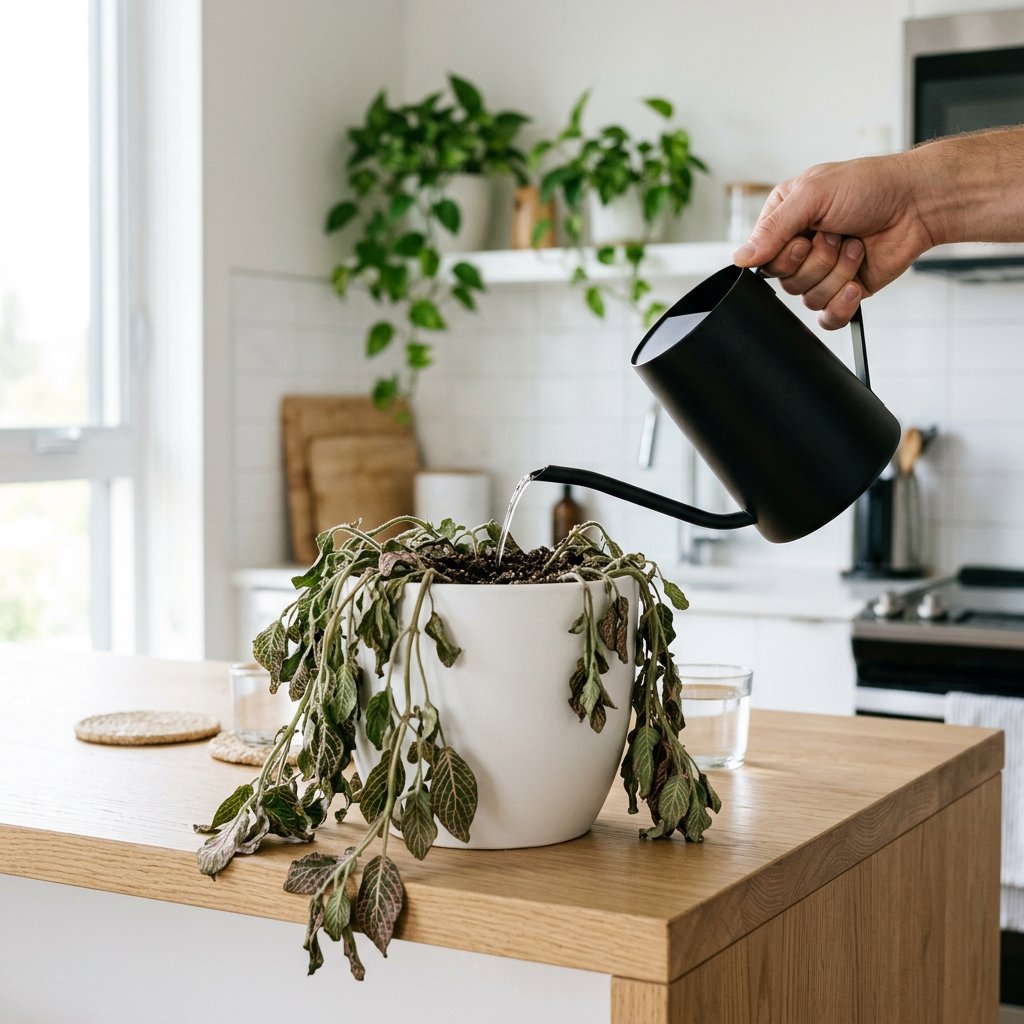
- Underwatering: Plants maintain their upright structure through turgor pressure (the internal water pressure inside plant cells that keeps stems and leaves rigid). When the soil goes bone-dry for too long, turgor pressure drops, and the plant essentially deflates.
- Overwatering and Root Rot: Ironically, too much water causes the exact same drooping symptom! When soil is constantly soggy, the roots suffocate from a lack of oxygen and begin to rot. If the roots are rotting, they cannot absorb water, causing the stems above ground to wilt.
- Temperature Stress: Aglaonemas are tropical plants. Sudden exposure to cold drafts from an air conditioner or a drafty winter window can shock the plant, causing its cells to collapse and stems to droop.
- Inadequate Light: While Chinese Evergreens are famously tolerant of lower light, extreme darkness can cause etiolation (a condition where a plant stretches abnormally to find a light source, resulting in thin, weak stems that easily flop over).
The Solutions: Step-by-Step Treatment to Revive Your Plant
Ready to play plant doctor? Follow these steps to diagnose and treat your drooping Aglaonema.
Step 1: Check the Soil Moisture (The Diagnosis) Before you do anything, stick your finger about two inches deep into the soil. Is it bone dry, or is it wet and muddy? If you are ever unsure what is wrong with your plant or struggling to read the symptoms, you can use the AI-powered plant disease scanner in the Plantiary app to get a professional diagnosis in seconds!
Step 2: Adjust Your Watering Strategy
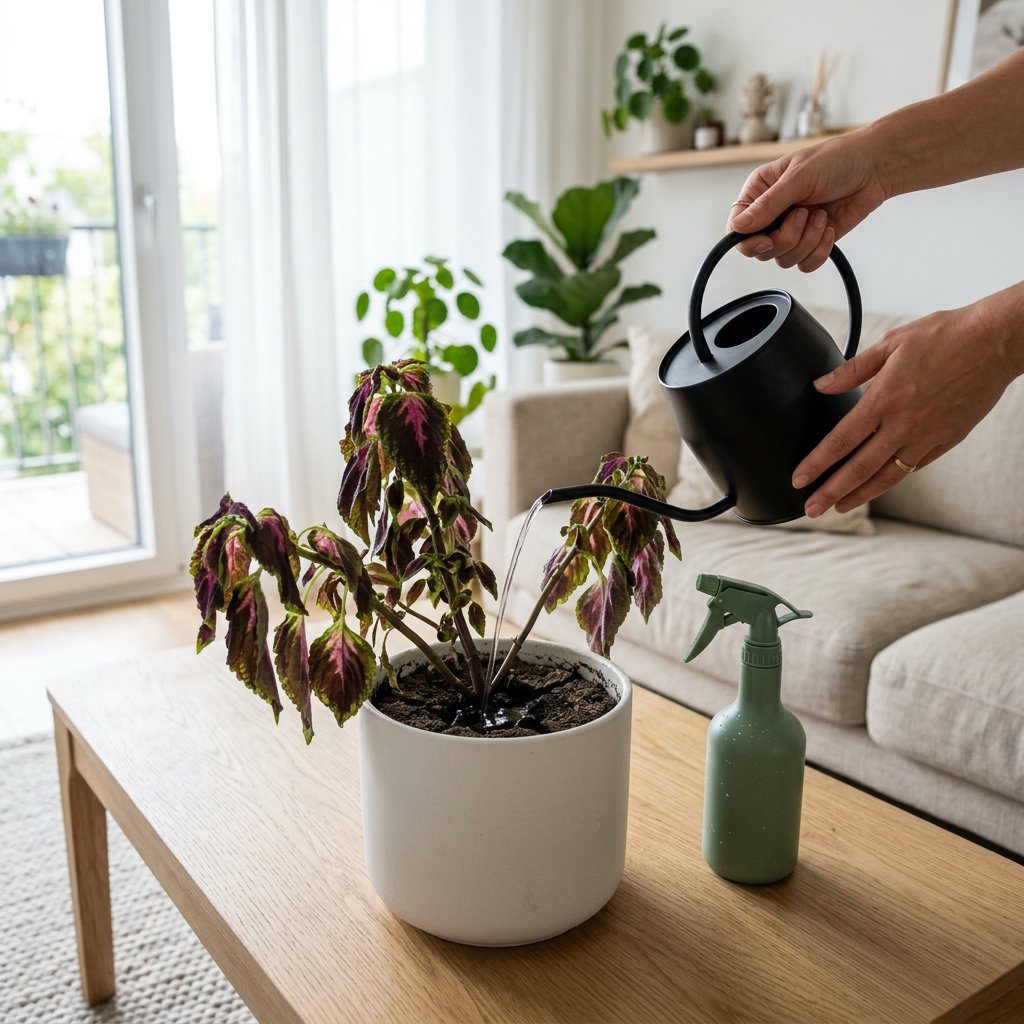
- If the soil is dry: Your plant is thirsty! Give it a thorough, deep watering. Slowly pour room-temperature water over the soil until it drains out of the bottom holes of the pot. Within 12 to 24 hours, the turgor pressure will restore, and your stems will perk right back up.
- If the soil is soggy: Stop watering immediately. Gently pull the plant out of its pot and inspect the roots. Healthy roots are firm and white or tan. If you see dark, mushy, or foul-smelling roots, your plant has root rot. Trim away the rotted roots with sterilized scissors and repot the plant in fresh, well-draining soil (a mix of indoor potting soil and perlite works beautifully).
Step 3: Evaluate the Environment Take a look at where your plant is living. Move it away from direct blasts of air conditioning, heating vents, or drafty windows. Ensure it is sitting in a spot that receives bright, indirect sunlight to strengthen the stems and prevent future stretching.
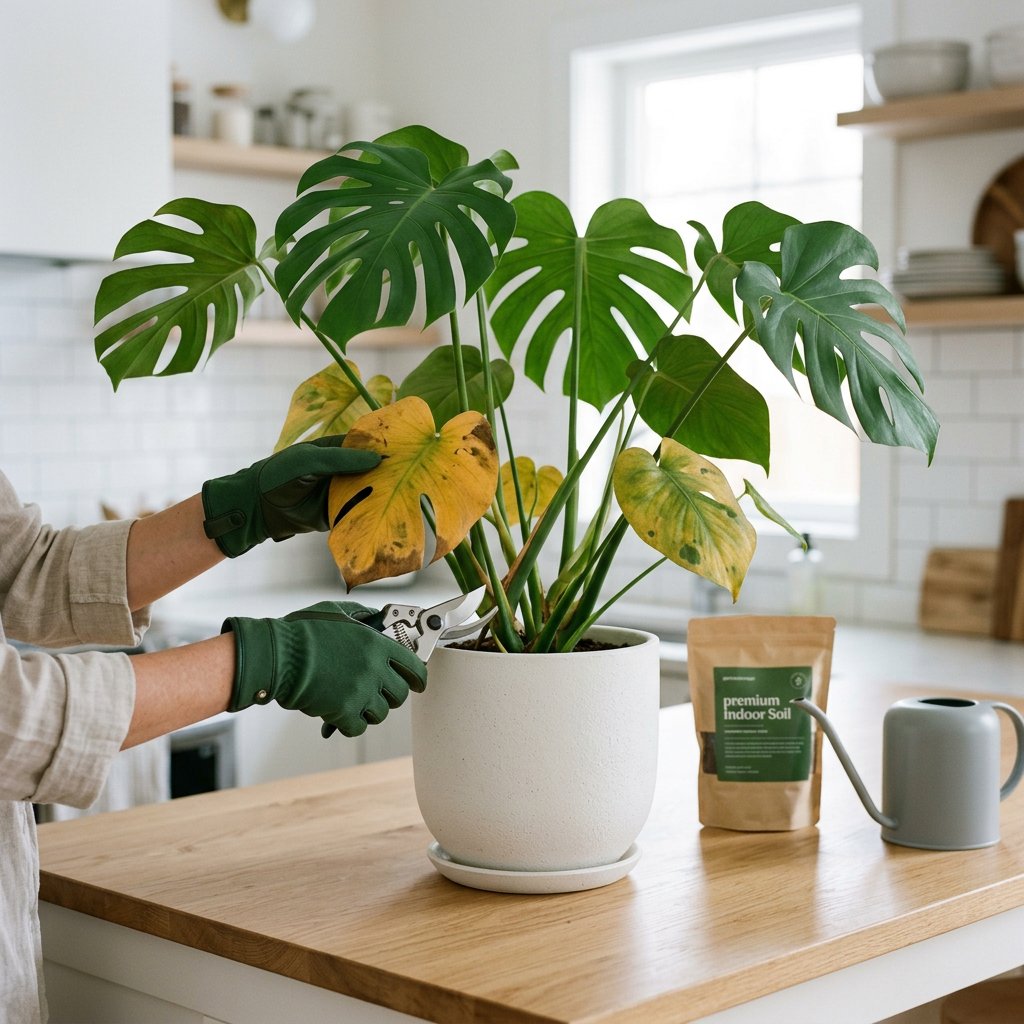
Step 4: Prune Away the Casualties If a few stems are severely damaged, bent all the way at the base, or turning yellow and mushy, it is best to cut them off cleanly near the soil line using sterile shears. This might feel scary, but pruning actually helps the plant! It redirects the plant's energy away from dying foliage and focuses it on growing new, healthy roots and leaves.
You've Got This!
Reviving a drooping Aglaonema is one of the most rewarding experiences in indoor gardening. Remember to be patient with your green friend as it recovers. By checking the soil first and making small, mindful adjustments to its care routine, your Chinese Evergreen will be back to its vibrant, upright self in no time.
Need a little extra guidance keeping track of your watering schedules? Download the Plantiary app to set up smart care reminders so your plants stay perfectly hydrated, all year round. Happy planting!