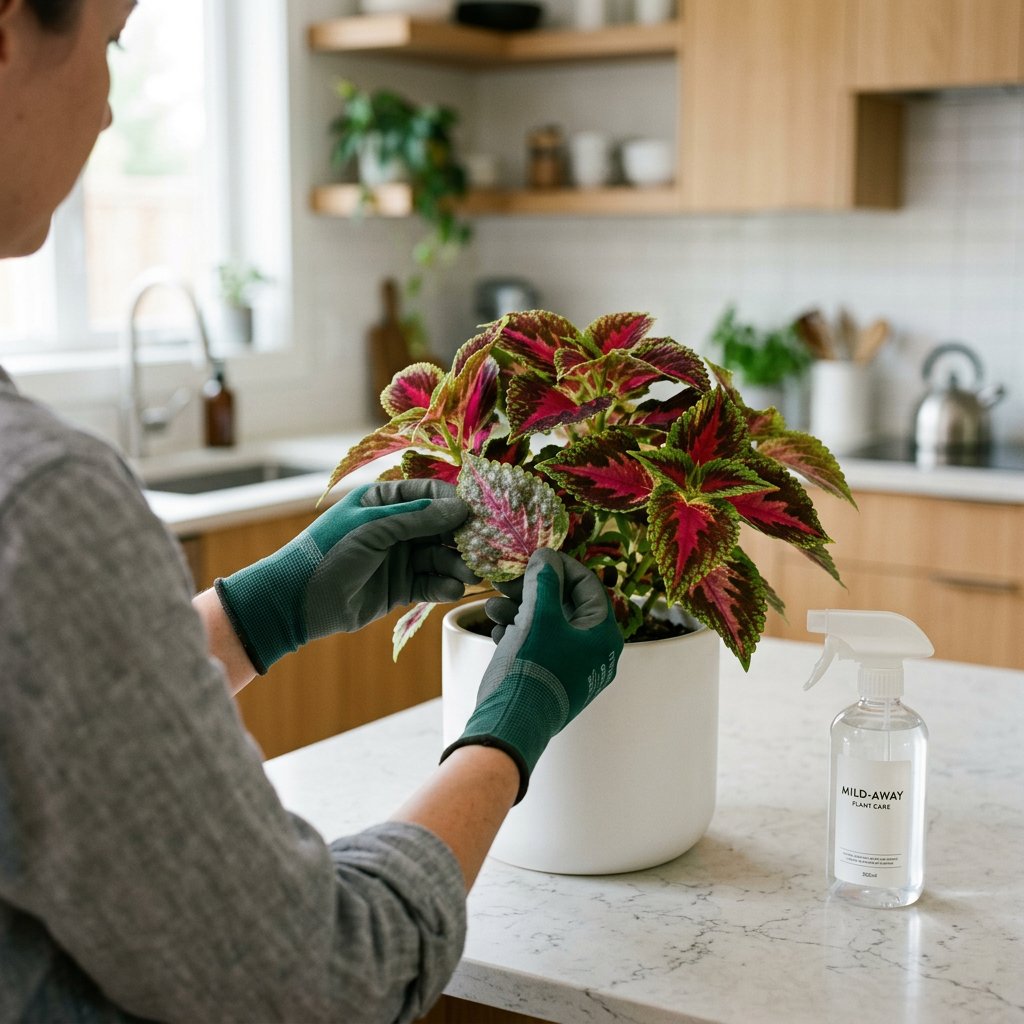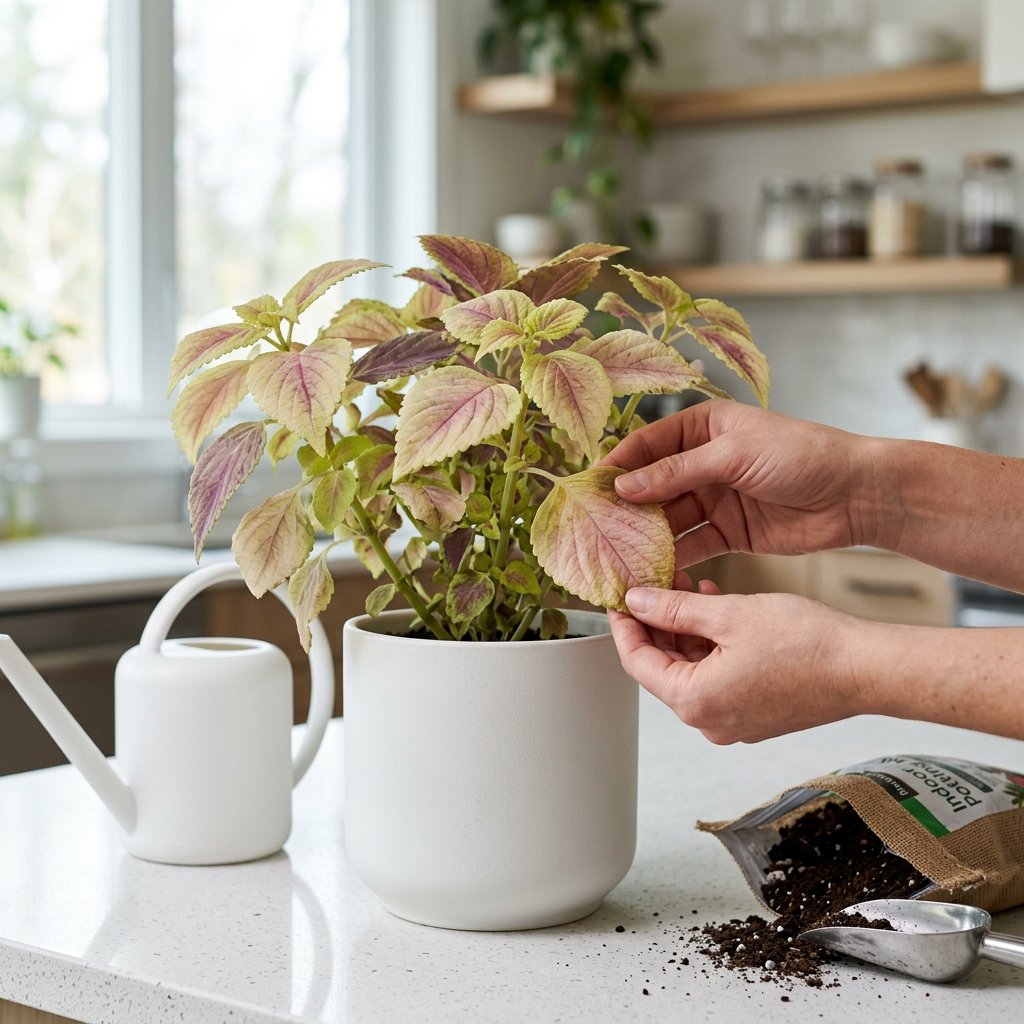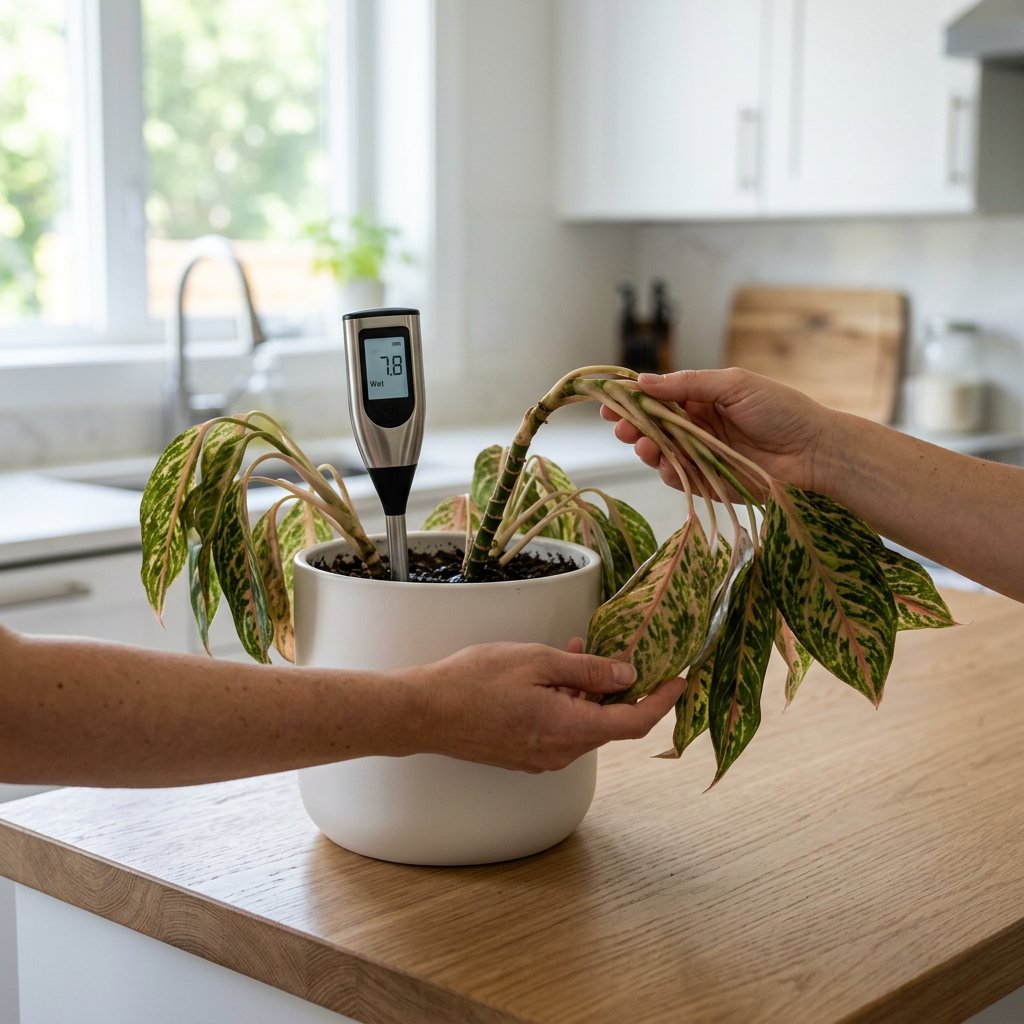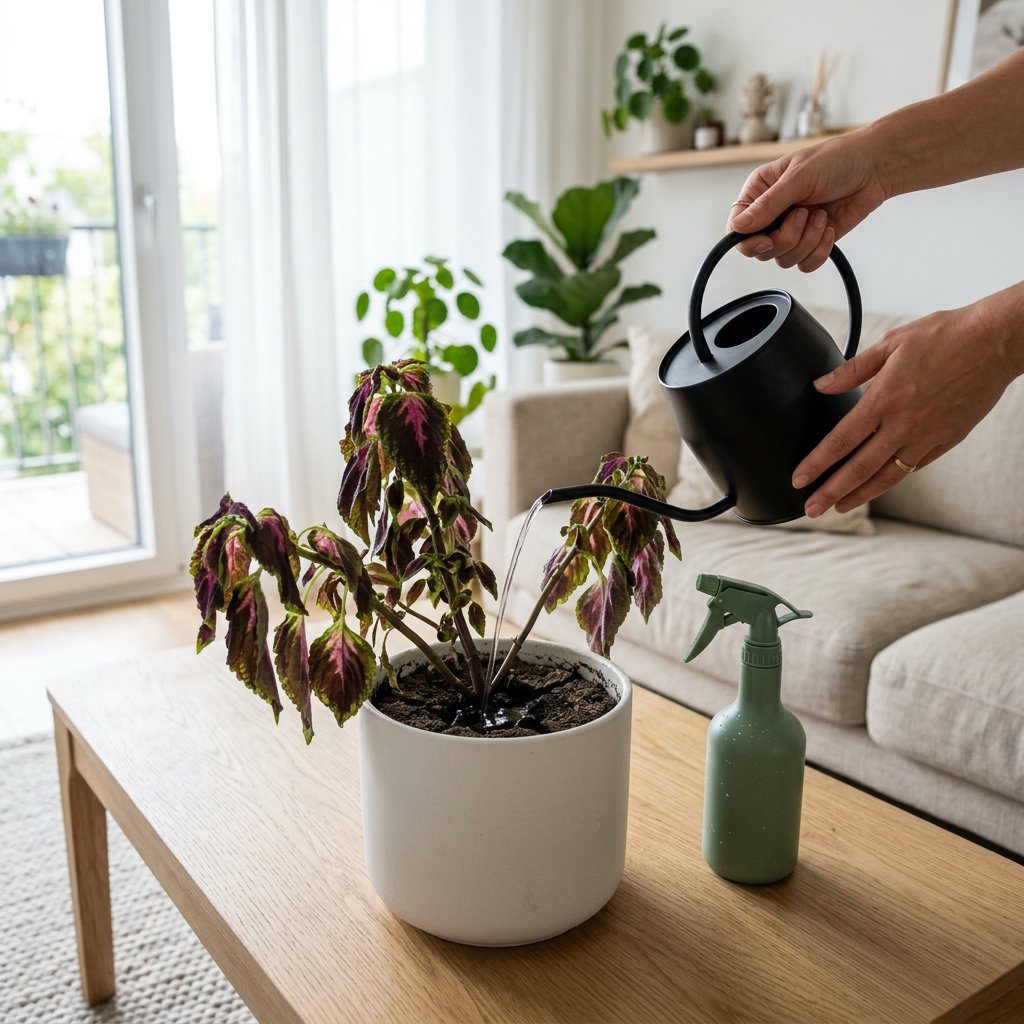
There is nothing quite as alarming as walking into your living room only to find your once-vibrant, upright indoor Coleus looking like a deflated balloon. Because of their brilliantly colored foliage, Coleus plants (Plectranthus scutellarioides) are stunning additions to any indoor jungle. However, they are also famously dramatic. If your plant looks like it has completely given up overnight, please do not feel guilty! Plant parenthood is a journey of trial and error, and wilting is incredibly common with this specific species. The good news is that they are highly resilient, and with a little bit of detective work, they usually bounce back in record time.
The Problem: Recognizing the Symptoms
Before we can fix the issue, we need to look at exactly what your plant is trying to tell you. When an indoor Coleus is unhappy, you will typically notice:
- Severe wilting: The leaves hang limply against the stem, completely lacking their usual stiffness.
- Soft stems: The main stalks of the plant may bend over or feel slightly mushy to the touch.
- Dull foliage: The striking neon pinks, deep purples, and bright greens may begin to look washed out or develop crispy, brown edges.
- Leaf drop: Older, lower leaves may begin to yellow and fall off the plant entirely.
The Causes: Why is Your Coleus Drooping?
Plants use their physical appearance to communicate. A drooping Coleus is essentially throwing a temper tantrum, usually due to one of the following environmental stressors:
- Underwatering: This is the number one culprit. Coleus plants require constant hydration to maintain turgor pressure—the internal water pressure that keeps plant cells rigid and upright. When the soil dries out completely, this pressure drops, and the plant instantly flops.
- Overwatering and Root Rot: Ironically, too much water looks exactly like too little water. If the soil is constantly soggy, the roots suffocate and rot. Without healthy roots, the plant cannot pull up water to its leaves, leading to severe drooping.
- Poor Lighting: While they don't want harsh direct sun, a lack of adequate light can cause etiolation. This is a botanical term for when a plant stretches out rapidly to find light, resulting in long, weak, and floppy stems that cannot support the weight of the leaves.
- Temperature Shock: Coleus are tropical plants. Sudden exposure to cold drafts from a nearby window or blasts of cold air from an air conditioning vent can shock their system and cause immediate wilting.
The Solutions: How to Revive Your Drooping Coleus
If you are unsure what is wrong with your plant, you can use the AI-powered plant disease scanner in the Plantiary app to get a diagnosis in seconds. Once you have pinpointed the issue, follow these step-by-step instructions to nurse your colorful friend back to health.
Step 1: Perform the Soil Moisture Test
First, stick your finger about two inches into the potting soil. You need to know exactly what is happening beneath the surface. Is the soil bone-dry and pulling away from the sides of the pot? Or is it heavy, wet, and smelling slightly sour?
Step 2: Rehydrate the Thirsty Plant (If Underwatered)
If the soil is completely dry, your plant is just incredibly thirsty.
- Place the plant's pot in a bowl or sink filled with a few inches of room-temperature water.
- Let it sit for 30 to 45 minutes to soak up moisture from the bottom.
- Remove the pot, let the excess water drain completely, and place it back in its spot. You should see the leaves perk up beautifully within just a few hours!
Step 3: Rescue the Roots (If Overwatered)
If the soil feels like a wet sponge, stop watering immediately.
- Gently slide the Coleus out of its pot to inspect the roots. Healthy roots are firm and white or tan; rotted roots are dark, mushy, and smell bad.
- Using sterile scissors, trim away any mushy, rotting roots.
- Repot the plant in a clean pot with fresh, well-draining indoor potting mix. Ensure the new pot has plenty of drainage holes.
- Hold off on watering for a few days to let the roots recover.
Step 4: Optimize the Environment
To prevent future drooping, give your Coleus the tropical resort lifestyle it craves.
- Move the plant to a spot with bright, indirect sunlight. An east-facing or naturally well-lit room is perfect.
- Keep the temperature stable. Ensure the plant is safely away from drafty windows, heaters, and AC vents.
Step 5: Prune for Stability
If your Coleus has grown tall, leggy, and weak due to poor light (etiolation), don't be afraid to give it a haircut.
- Snip the stems back just above a leaf node (the little bump where leaves grow out).
- This will encourage the plant to grow bushier, thicker, and much stronger, preventing future flopping.
Remember, seeing your beloved plants looking sad can be stressful, but you are doing a great job just by paying attention and seeking solutions. Keep a close eye on your soil moisture, utilize your Plantiary app whenever you feel stuck, and watch as your dramatic Coleus bounces back to its vibrant, upright self!