Coleus plants are famous for their vibrant, kaleidoscopic foliage. But it can be incredibly disheartening to wake up one day and find those stunning, colorful leaves covered in a strange, white dust. If you've just discovered powdery mildew on your beloved Coleus, take a deep breath! Plant parenthood is full of surprises, and fungal issues happen to even the most experienced indoor gardeners. You certainly haven't failed, and your plant can absolutely bounce back from this. Let's dive into how to tackle this common nuisance and keep your Coleus looking bright, healthy, and beautiful.
The Problem: Spotting Powdery Mildew
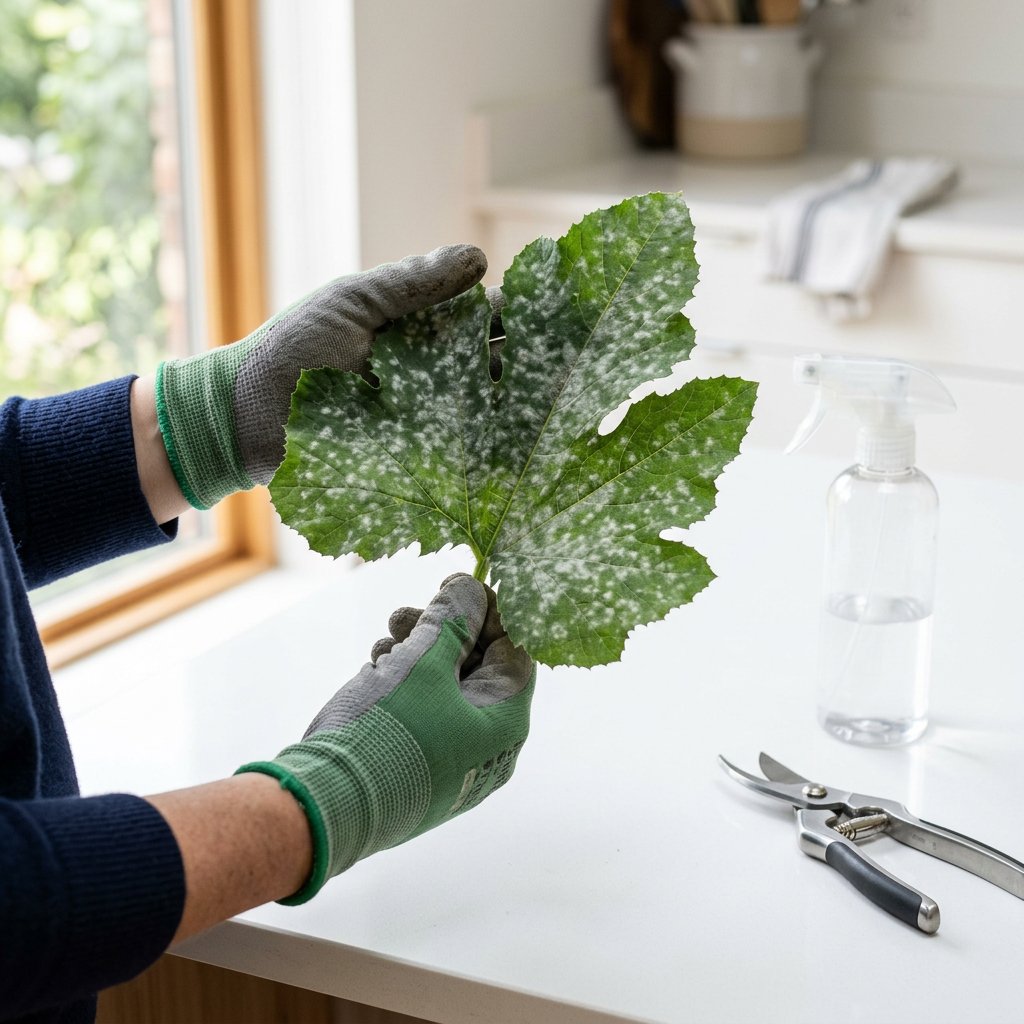
Before you can confidently treat the issue, it helps to know exactly what you're dealing with. Powdery mildew is a common fungal disease that grows superficially on the surface of plant leaves, feeding on the plant's surface cells. On a Coleus, the symptoms are usually quite distinct:
- White or gray powdery spots: These patches often look like someone dusted flour, ash, or baby powder over the leaves and stems.
- Distorted or stunted growth: As the fungus drains the plant's nutrients, new leaves might emerge curled, warped, or noticeably smaller than usual.
- Yellowing and dropping leaves: In severe cases, the infected foliage will undergo chlorosis (a loss of green pigment, causing yellowing) and eventually dry up and fall off.
If you notice white fluff but aren't entirely sure if it's a fungus, a pest like mealybugs, or just household dust, don't panic! You can always use the AI-powered plant disease scanner in the Plantiary app to get an instant, accurate diagnosis before starting any treatment.
The Causes: Why Is My Coleus Mildewy?
Fungal spores are naturally floating around in our environments, just waiting for the perfect conditions to settle down and multiply. Powdery mildew specifically loves:
- High humidity with poor air circulation: If your Coleus is tightly packed among a jungle of other plants or sitting in a stagnant, humid room, the lack of airflow creates a prime target for fungal spores.
- Wet foliage: Watering your plants from above and leaving water sitting on the leaves overnight provides the moisture spores need to germinate.
- Moderate temperatures and low light: Unlike some root fungi that need soaking wet soil, powdery mildew thrives in moderate, shady conditions where dew or humidity lingers undisturbed on the leaf surface.
The Solutions: Step-by-Step Treatment and Prevention
The secret to beating powdery mildew is acting quickly and altering the plant's environment so the fungus can no longer survive. Here is exactly what you need to do to clear it up:
Step 1: Isolate your Coleus. Fungal spores spread very easily through the air. As soon as you spot the mildew, gently move your Coleus away from your other houseplants to prevent a miniature epidemic.
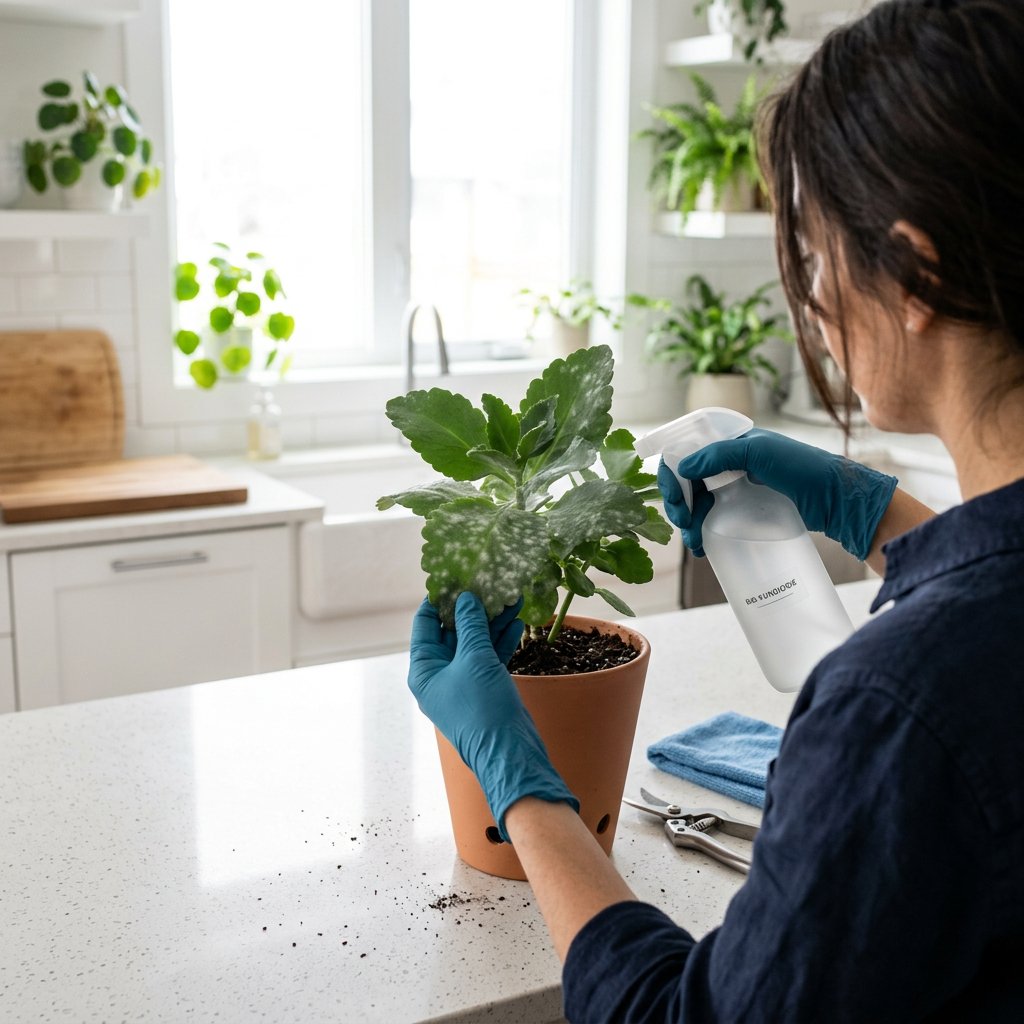
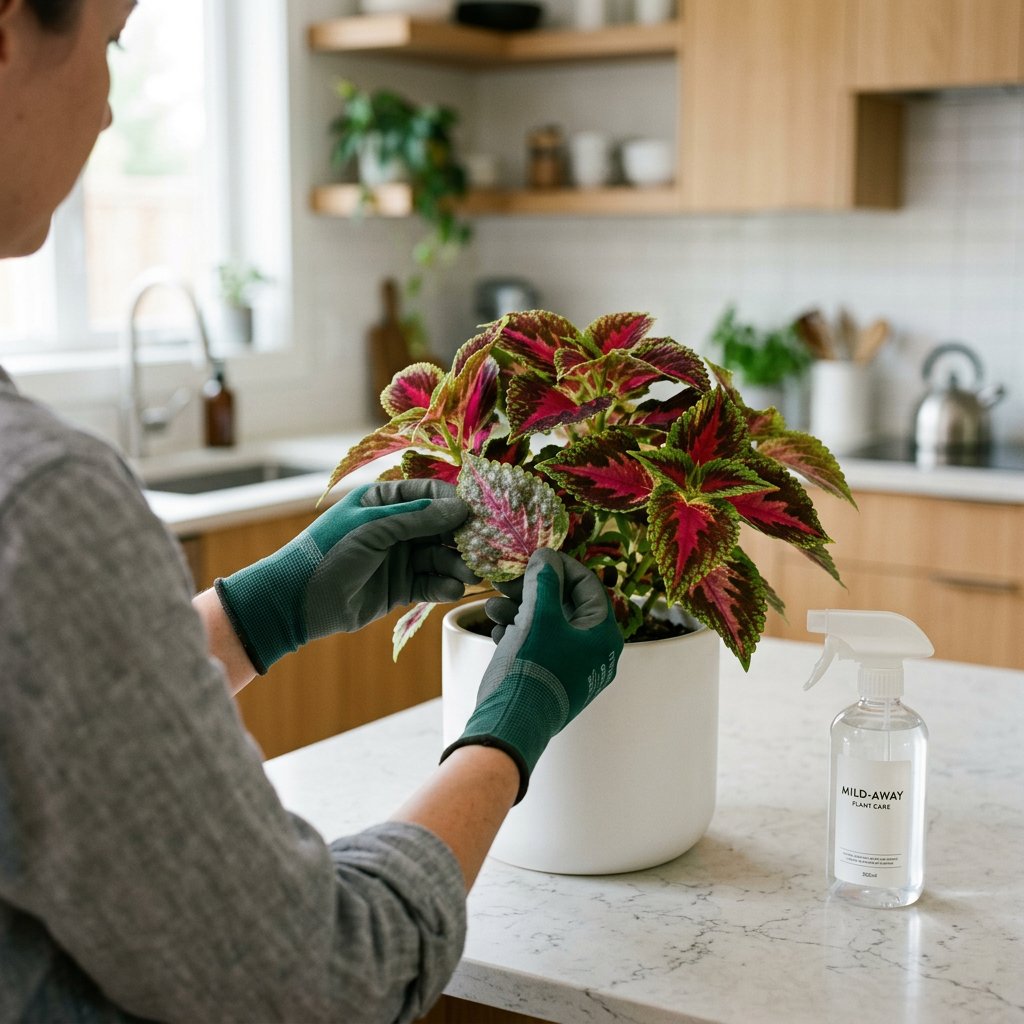
Step 2: Prune the heavily infected leaves. Grab a pair of sterilized pruning shears and carefully snip off the worst-hit foliage. Put these cuttings straight into a sealed trash bag—do not compost them, as the resilient spores can survive and spread back into your garden.
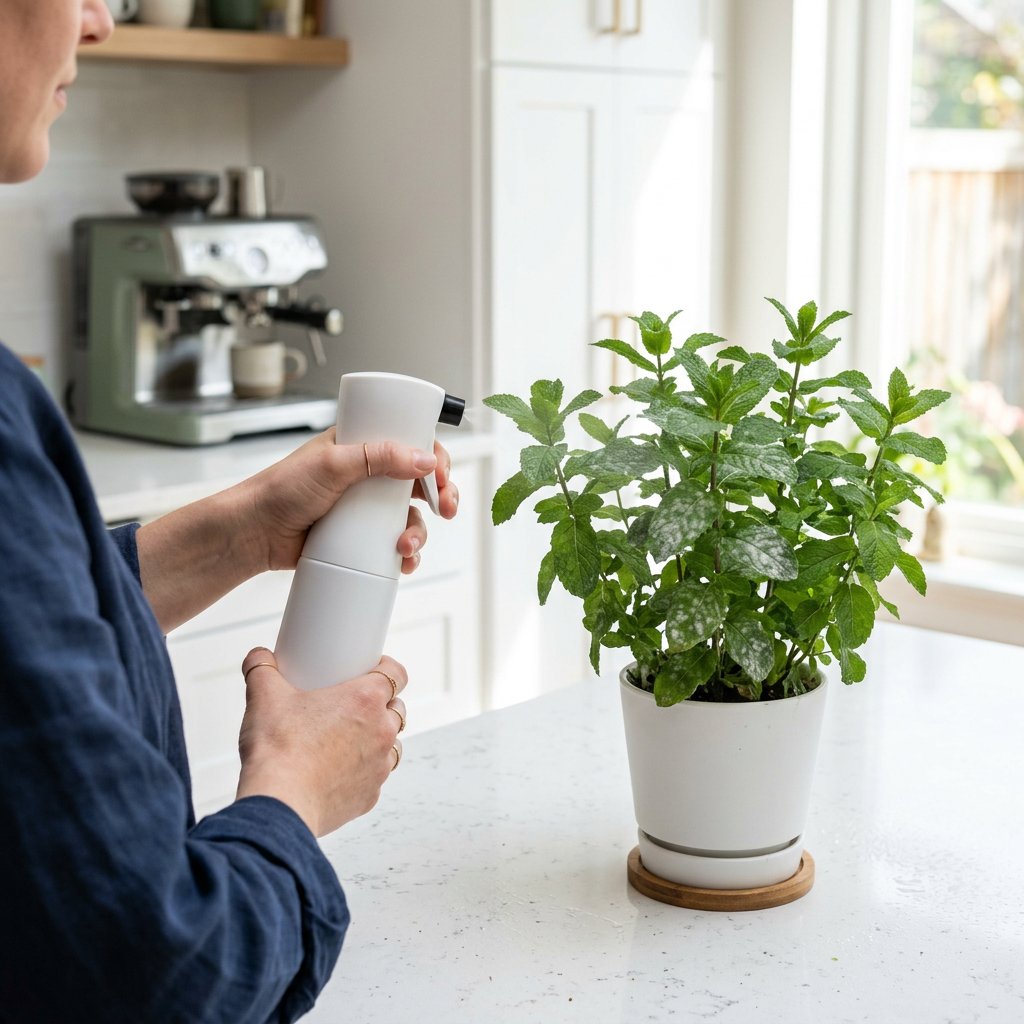
Step 3: Apply a scientifically proven treatment. To kill the remaining fungus, treat your plant with a safe horticultural spray. Neem oil or a commercial copper-based fungicide works wonders by disrupting the fungal spores' ability to grow. Spray the foliage thoroughly, including the undersides of the leaves. Pro tip: Always spray your plants in the evening or away from direct sunlight to prevent the oil from burning the leaves. Repeat this process every 7 to 14 days as directed by the product label until the mildew is gone.
Step 4: Improve airflow. Give your Coleus room to breathe! Space out your plant pots so fresh air can flow freely between them. If your plant lives indoors, turning on a small oscillating fan nearby will dry out stagnant air and drastically reduce the chances of mildew returning.
Step 5: Switch to bottom watering. Keep the foliage dry. Instead of pouring water over the top of the plant, water the soil directly. Even better, place the nursery pot in a bowl of water for 20 minutes to let the roots drink from the bottom up, completely avoiding the leaves.
Treating powdery mildew takes a little patience, but with these simple environmental adjustments, your Coleus will be back to pushing out those show-stopping leaves in no time. Remember, every challenge you face is just another step toward becoming a more confident, knowledgeable plant parent. Keep an eye on your green friends, and let the Plantiary app guide you whenever you feel stuck!