There is nothing quite as refreshing as brushing your hand against a thriving mint plant and catching that crisp, sweet aroma. But if you have recently noticed a strange, dusty white coating creeping across your mint leaves, your excitement might have quickly turned into worry. Take a deep breath! Finding powdery mildew on your plants is incredibly common, and it certainly does not mean you are a bad plant parent. Plant hiccups happen to everyone, even seasoned botanists.
If you are ever unsure about a strange spot or discoloration on your leaves, you can use the AI-powered plant disease scanner in the Plantiary app to get an accurate diagnosis in seconds. If the diagnosis points to powdery mildew, you are in the right place. Let's walk through exactly what this dusty intruder is, why it showed up, and how you can safely treat it so you can get back to enjoying your fresh herbs.
The Problem: Recognizing Powdery Mildew Symptoms
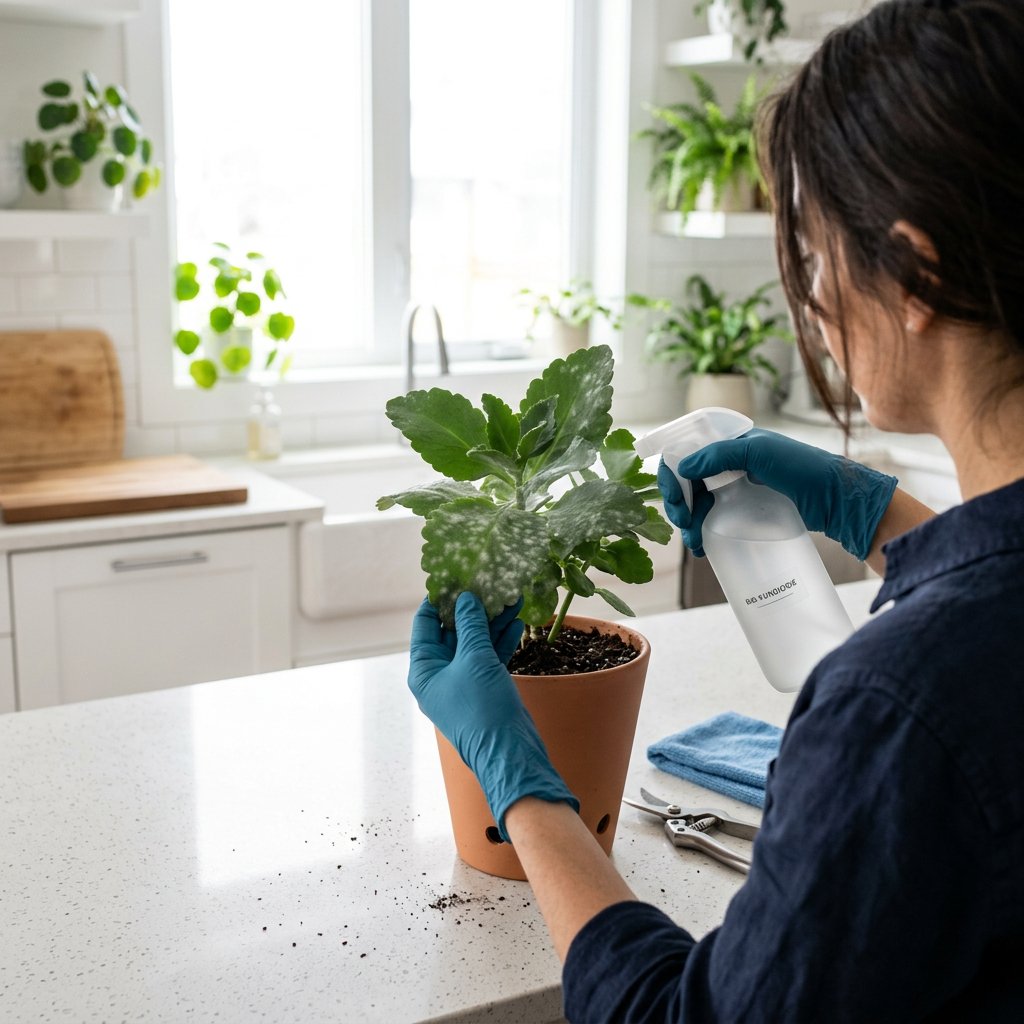
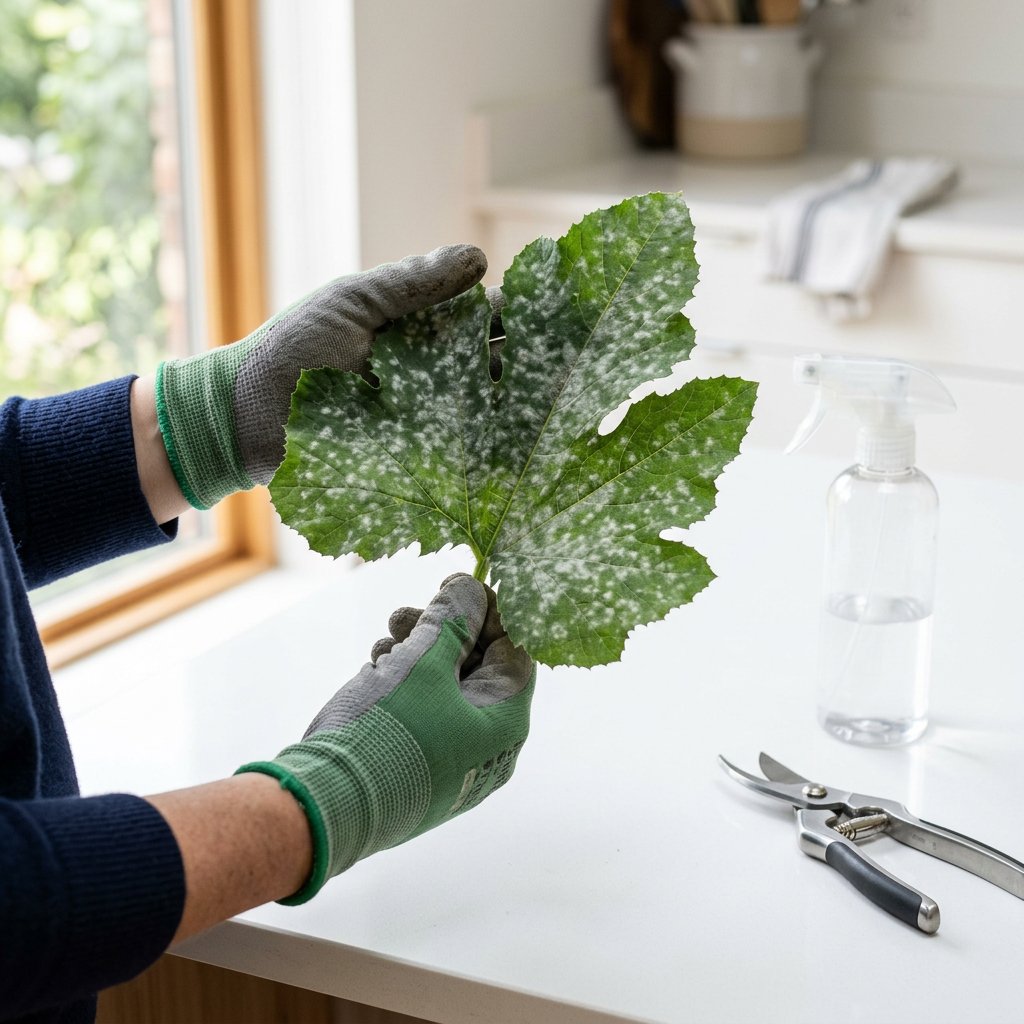
Powdery mildew is a common fungal disease caused by microscopic, airborne spores. When these spores land on your mint, they begin to grow into mycelium—a network of tiny, white fungal threads that absorb nutrients from the plant's surface.
Here is what to look out for:
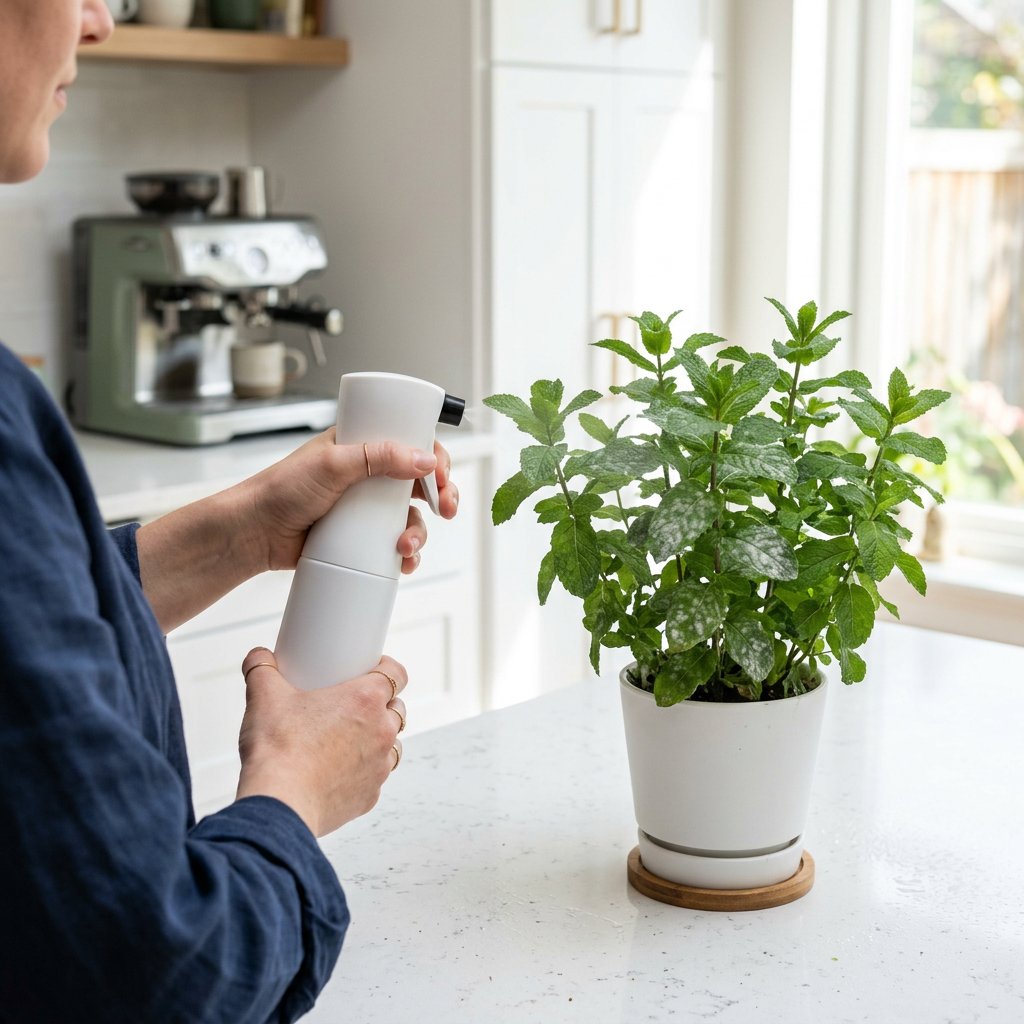
- White or gray dusty spots: These usually appear on the upper surfaces of the leaves first, looking a lot like spilled flour or talcum powder.
- Curling or distorted leaves: As the fungus drains nutrients from the plant, new growth may come out warped or shriveled.
- Yellowing foliage: This is a symptom of chlorosis, which simply means the leaf is losing its green chlorophyll due to stress.
- Stunted growth: Your once-vigorous mint may stop producing new leaves.
The Causes: Why Is My Mint Infected?
Mint is a wildly fast grower, which is usually a great thing! However, its aggressive growth habit can actually create the perfect microclimate for fungi. Powdery mildew thrives under a specific set of conditions:
- Poor Air Circulation: Because mint grows so densely, the leaves get crowded. This traps stagnant air around the foliage, giving fungal spores a safe place to settle and multiply.
- High Humidity with Dry Soil: Unlike many other fungi that need soaking wet leaves to spread, powdery mildew actually loves high humidity mixed with warm, dry climates.
- Not Enough Sunlight: Fungi hate the sun. If your mint is growing in too much shade, it becomes highly susceptible to mildew spores.
The Solutions: Step-by-Step Treatment for Edible Mint
Because mint is an edible herb destined for your teas, salads, and mojitos, we want to skip harsh chemical fungicides and stick to safe, scientifically verified treatments.
Here is how to banish powdery mildew step-by-step:
Step 1: Isolate your plant Fungal spores travel easily on the breeze. Move your infected mint away from your other houseplants or garden herbs to stop the spread.
Step 2: Prune the heavily infected areas Using clean, sterilized scissors, snip off the leaves and stems that are completely covered in white powder. Discard them in the trash, not the compost bin, to prevent the spores from overwintering. Don't worry about cutting your mint back aggressively—mint is incredibly resilient and will quickly bounce back!
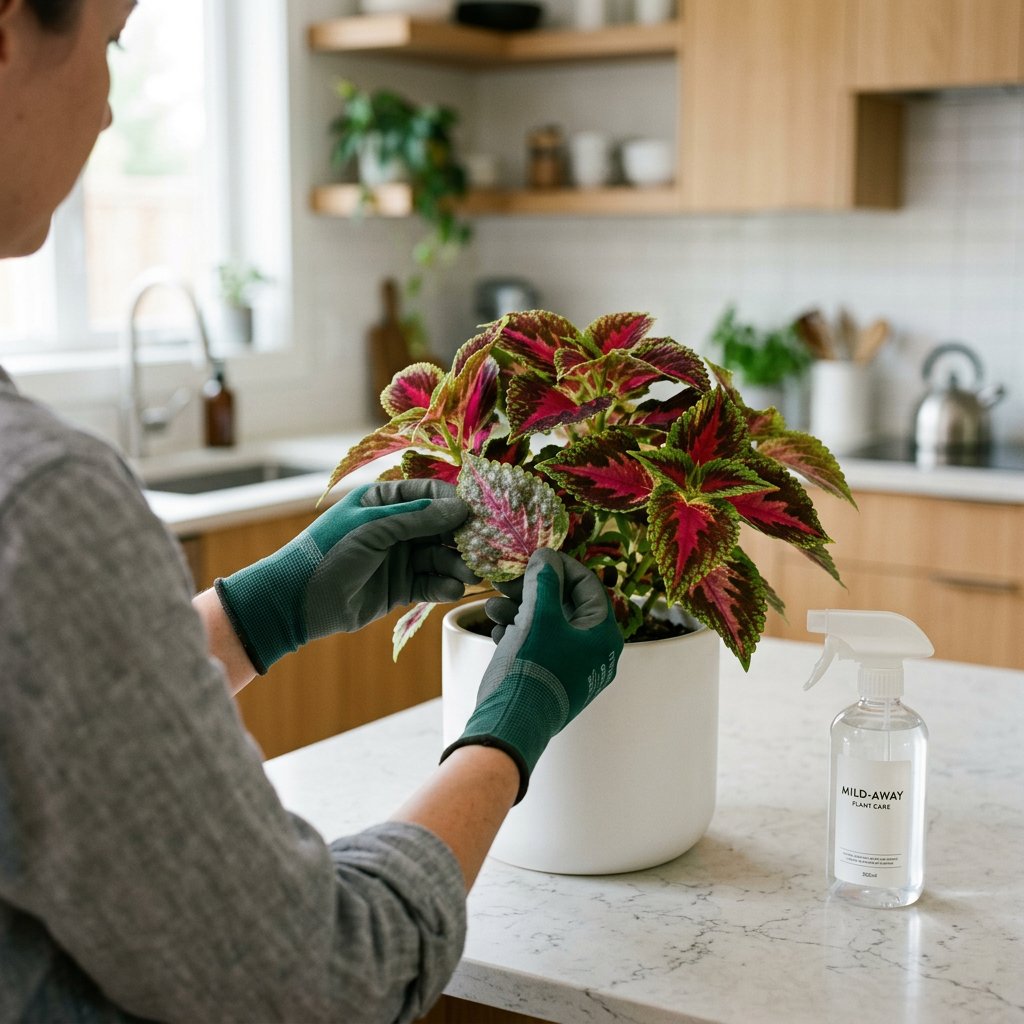
Step 3: Apply a food-safe fungicidal spray To kill the remaining fungus safely, you can use a simple, scientifically backed baking soda solution. Baking soda changes the pH of the leaf surface, making it impossible for the mildew to survive.
- Mix 1 tablespoon of baking soda and half a teaspoon of mild liquid dish soap (to help it stick) into one gallon of water.
- Spray the tops and bottoms of the leaves thoroughly.
- Alternative: You can also use Neem oil, a natural, plant-safe oil that disrupts the fungal life cycle. Just remember to wash your mint leaves thoroughly before eating them!
Step 4: Improve the environment Trim back healthy growth just enough to let air flow freely through the center of the plant. If you keep your mint indoors, consider turning on a small fan to keep the air moving.
Preventing Future Outbreaks
The best treatment is always prevention! To keep your mint looking vibrant and tasting fresh, make sure it receives at least 6 hours of direct sunlight a day. When it is time for a drink, water the soil directly rather than splashing water over the leaves.
To help you stay on top of your herb care routine, try setting up a watering and pruning schedule in your Plantiary app. With a little extra airflow and some strategic sunshine, your mint will be perfectly healthy, powdery-free, and ready for harvest in no time!