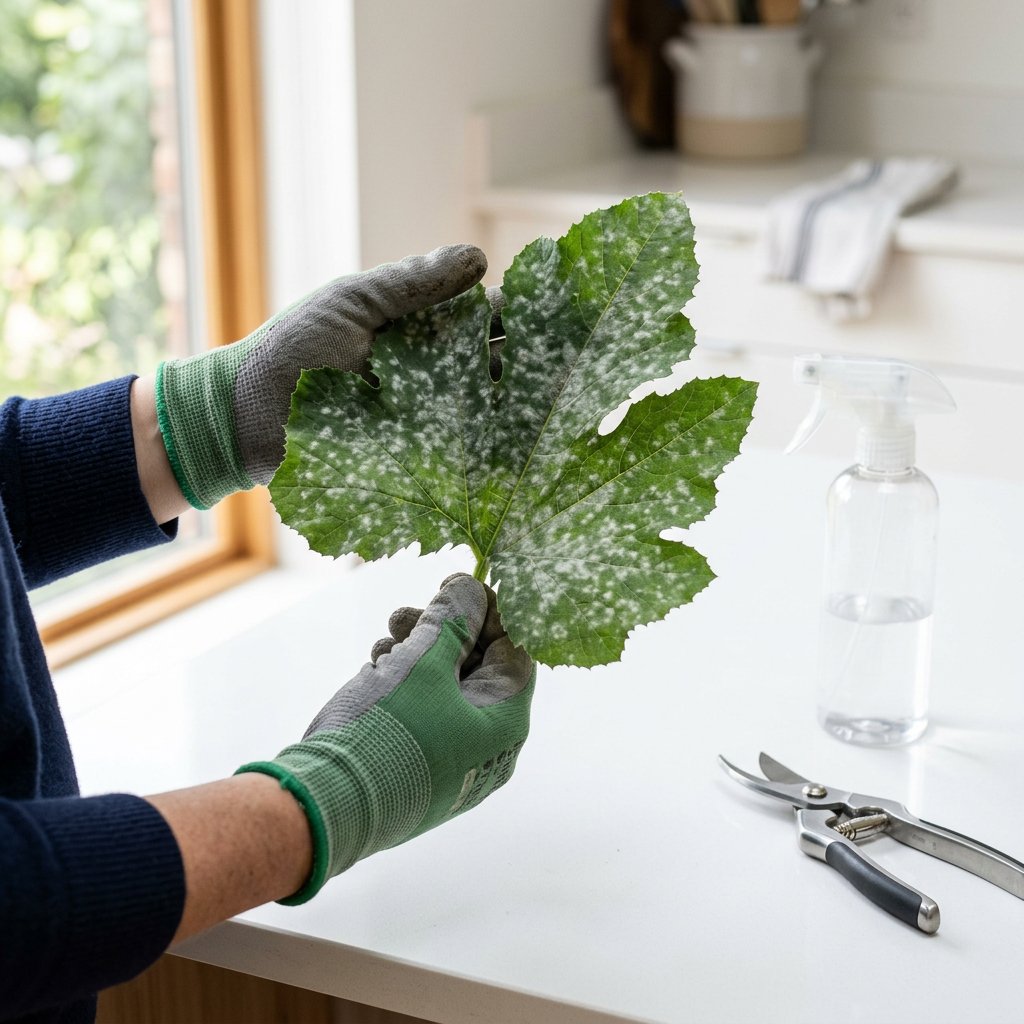
You’ve spent weeks lovingly tending to your vegetable garden, watching your squash and cucumber vines stretch, bloom, and produce tiny little vegetables. Then, almost overnight, it looks like someone has carelessly dusted baking flour all over their beautiful green leaves. If this sounds familiar, take a deep breath. You are dealing with one of the most common garden hurdles out there, and you are absolutely not alone!
Seeing your hard work threatened by a sudden fungal invasion is incredibly disheartening, but plant issues happen to every plant parent—even the experts. The good news is that this powdery white coating is highly treatable, and your vegetable harvest can absolutely be saved.
Let's dive into exactly what is happening to your squash and cucumbers and how you can nurse them back to health.
The Problem: Spotting the Symptoms
The culprit behind this ghostly white dusting is powdery mildew, a very common fungal disease that aggressively targets plants in the cucurbit family (which includes squash, cucumbers, zucchini, and pumpkins).
Unlike some plant diseases that hide in the soil, powdery mildew wears its symptoms right on its sleeve. Here is what you should look out for:
- White, powdery spots: This usually starts on the lower or older leaves before spreading to the stems and newer growth.
- Chlorosis: If left untreated, the infected leaves will begin to experience chlorosis—a botanical term for the yellowing of leaf tissue caused by a lack of chlorophyll.
- Crispy, dying leaves: As the fungus feeds on the plant's nutrients, the yellow leaves will eventually dry out, turn brown, and drop off.
- Stunted fruit growth: Without healthy leaves to absorb sunlight and produce energy, your cucumbers and squash may stop growing or fail to ripen properly.
If you are ever unsure whether those white spots are powdery mildew or something else, you can use the AI-powered plant disease scanner in the Plantiary app to get an accurate diagnosis in seconds!
The Causes: Why Is This Happening?
Powdery mildew is caused by several closely related species of fungi. The spores of these fungi travel effortlessly on the wind, meaning your plants can catch it simply because a breeze blew through your neighborhood.
However, the fungus needs specific conditions to take hold and spread:
- High humidity combined with dry foliage: Unlike many fungi that need standing water to thrive, powdery mildew actually loves warm, dry weather paired with high ambient humidity in the air.
- Poor air circulation: When squash and cucumber vines grow densely packed together, air cannot flow freely between the leaves. This creates a humid, stagnant microclimate that fungi absolutely love.
- Shady conditions: Powdery mildew spores are sensitive to extreme heat and direct sunlight, so plants tucked away in partial shade are much more vulnerable.
The Solutions: Step-by-Step Treatment
Please don't feel guilty if your garden is currently battling this fungus! Instead, roll up your sleeves and follow these scientifically proven steps to banish powdery mildew from your patch.
Step 1: Remove the heavily infected leaves Using a pair of clean, sterilized pruning shears, carefully cut away the leaves that are completely covered in white powder. Do not compost these leaves, as the spores will survive and spread; instead, seal them in a plastic bag and throw them in the trash.
Step 2: Treat with a safe, proven fungicide Skip the trendy internet home remedies and stick to scientifically backed solutions. Apply a horticultural neem oil spray or a potassium bicarbonate fungicide (which safely alters the pH on the leaf surface, making it impossible for the fungus to survive). Spray the leaves thoroughly, making sure to coat both the top and the underside. Do this early in the morning or late in the evening to prevent the sun from burning the treated leaves.
Step 3: Improve air circulation Give your plants room to breathe! Prune away a few healthy leaves in the center of the vine to open up the canopy. This allows wind to pass through the plant, lowering the humidity immediately surrounding the leaves.
Step 4: Adjust your watering technique Always water your cucumbers and squash at the base of the plant, directly onto the soil. Avoid overhead watering (like using a sprinkler), which splashes fungal spores from the soil onto the lower leaves and encourages them to spread.
A Brighter, Healthier Garden Ahead
Once you implement these steps, you will quickly stop the spread of the fungus and protect your upcoming harvest. For future planting seasons, try looking for disease-resistant squash and cucumber seeds, and be sure to space your young plants far apart.
Remember, gardening is a continuous learning journey. Every challenge makes you a better, more observant plant parent. Keep an eye on your green friends, log your watering schedules in your Plantiary app, and look forward to those delicious, homegrown veggies!