Have you ever walked up to your beautiful, blooming Kalanchoe only to find its thick, succulent leaves looking like someone dusted them with powdered sugar? Take a deep breath! Seeing a strange white film on your beloved plant can be startling, but please don’t feel guilty. Plant hiccups happen to even the most experienced indoor gardeners, and this particular issue is incredibly common and completely treatable.
If you are unsure what is wrong with your plant, you can always use the AI-powered plant disease scanner in the Plantiary app to get a diagnosis in seconds. If the diagnosis comes back as powdery mildew, you are in the right place. Let’s walk through exactly what this fungus is, why it appeared, and how to help your Kalanchoe bounce back!
The Problem: Identifying Powdery Mildew
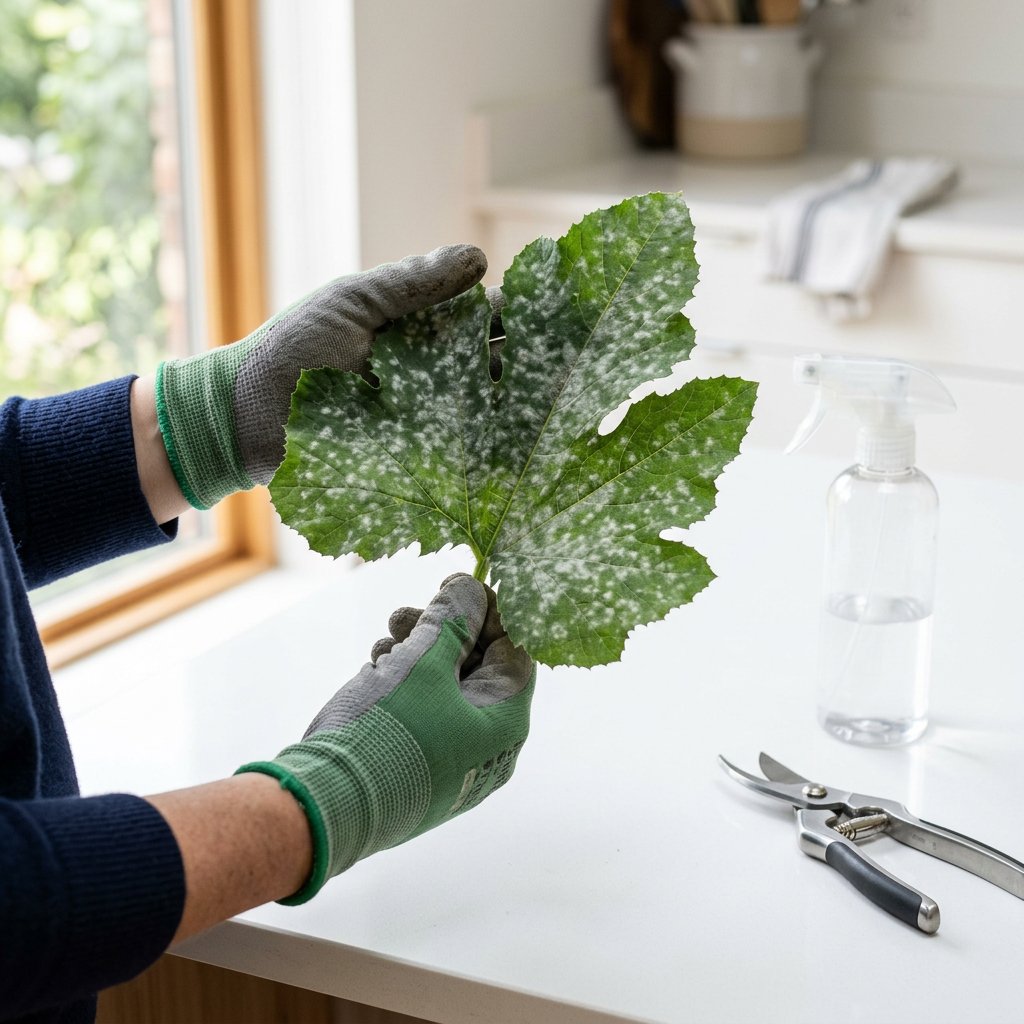
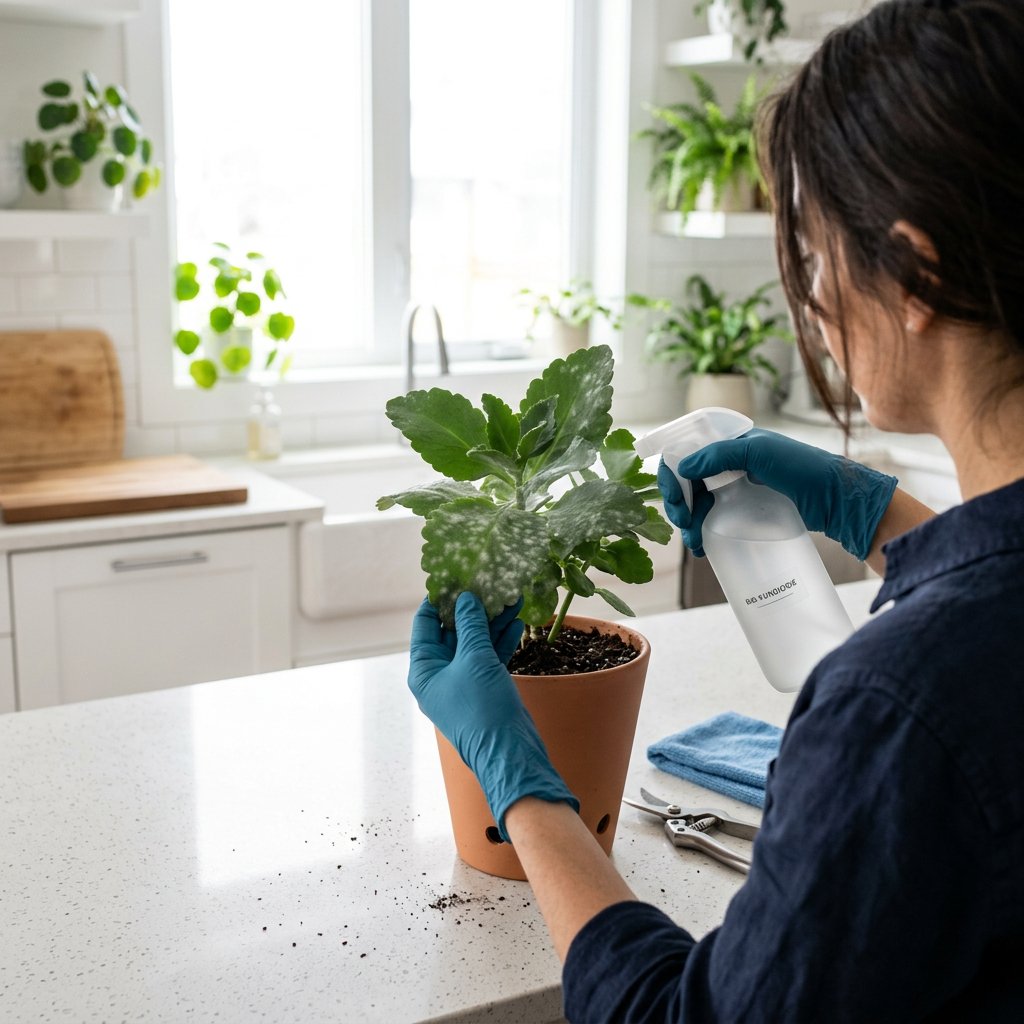
Powdery mildew is a common fungal disease that thrives on the leaves and stems of many houseplants. Unlike other pests or diseases that might hide in the soil, this fungus makes itself very obvious.
Here are the main symptoms to look out for:
- White, flour-like dusting: You will notice a powdery white or pale gray film spreading across the upper or lower surfaces of the leaves. These are the fungal spores—the tiny reproductive cells the fungus uses to spread.
- Distorted or curling leaves: As the fungus feeds on the plant’s nutrients, new foliage may grow out warped or puckered.
- Chlorosis: This is simply a botanical term for when a plant’s leaves lose their green pigment and turn yellow. The mildew blocks sunlight, stopping the leaf from producing chlorophyll.
- Stunted growth: Your Kalanchoe’s beautiful, bright blooms may fail to open, or the plant may stop growing altogether.
The Causes: Why Did This Happen?
Powdery mildew is an opportunistic fungus. It doesn't appear because you are a bad plant parent; it usually shows up because the environmental conditions in your home temporarily aligned perfectly for fungal growth.
- Poor Air Circulation: If your Kalanchoe is crowded tightly among other plants, stagnant air creates a breeding ground for fungi.
- Temperature Fluctuations: Powdery mildew loves warm days followed by cool nights, especially when combined with high humidity.
- Wet Foliage: Kalanchoes are succulents. While they need water, getting their leaves wet during watering can invite fungal spores to settle and germinate.
- Low Light: Fungus despises direct, bright sunlight. If your plant is sitting in a dark, shadowy corner, it is much more susceptible to an outbreak.
The Solutions: Step-by-Step Treatment
Treating powdery mildew is highly effective when done promptly. Put away the kitchen pantry DIY remedies—we are going to rely on scientifically proven, safe methods to nurse your Kalanchoe back to health.
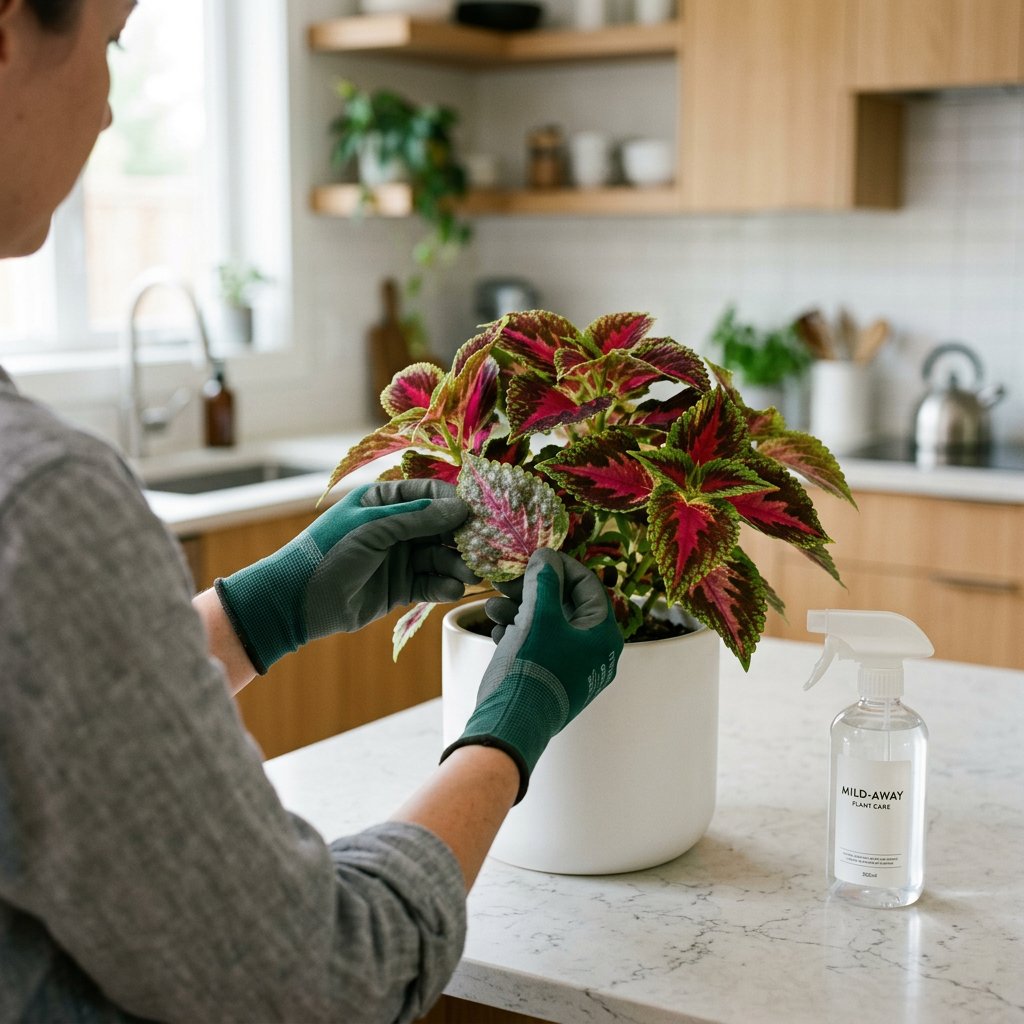
Step 1: Isolate your Kalanchoe Because fungal spores are practically invisible and can travel on the slightest breeze, immediately move your affected Kalanchoe away from your other houseplants to prevent the infection from spreading.
Step 2: Prune the heavily affected areas Using sterilized pruning shears or scissors, gently trim away the leaves or stems that are completely covered in white fuzz. Be sure to throw these clippings directly into the trash—never into a compost bin! Wash your hands and sterilize your tools immediately afterward.
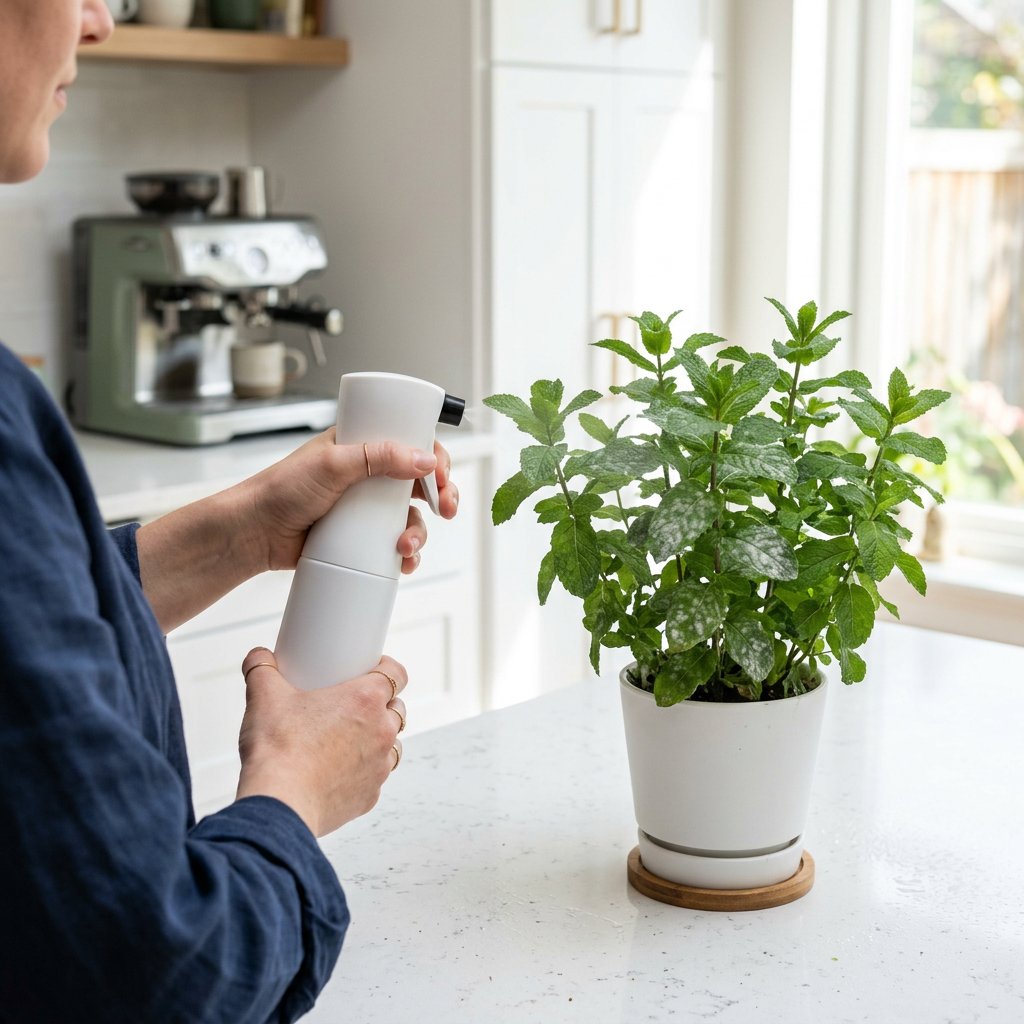
Step 3: Treat with a safe fungicide To kill the remaining fungus, apply a scientifically sound treatment. Neem oil (a natural fungicide pressed from the seeds of the neem tree) or a commercial copper-based liquid fungicide are excellent choices. Spray the solution generously over the plant, ensuring you coat both the tops and bottoms of the leaves.
- Pro-tip: Always apply treatments in the evening or away from direct sunlight to prevent the wet leaves from suffering sunburn.
Step 4: Adjust the environment Fungicides treat the symptom, but changing the environment prevents the return! Move your Kalanchoe to a spot with bright, indirect sunlight. Ensure there is plenty of breathing room around the plant to improve airflow.
Preventing Future Outbreaks
The best medicine is prevention! Going forward, always water your Kalanchoe directly at the soil line, keeping those thick, fleshy leaves completely dry. Allow the top two inches of soil to dry out before watering again, as this plant is highly prone to overwatering.
Remember, taking care of plants is a continuous learning journey. Don't be discouraged by a little powdery mildew! To keep your watering schedule on track and catch issues before they escalate, set up a custom care schedule in your Plantiary app. With a little adjustments and some targeted care, your Kalanchoe will be pushing out vibrant new blooms again in no time.