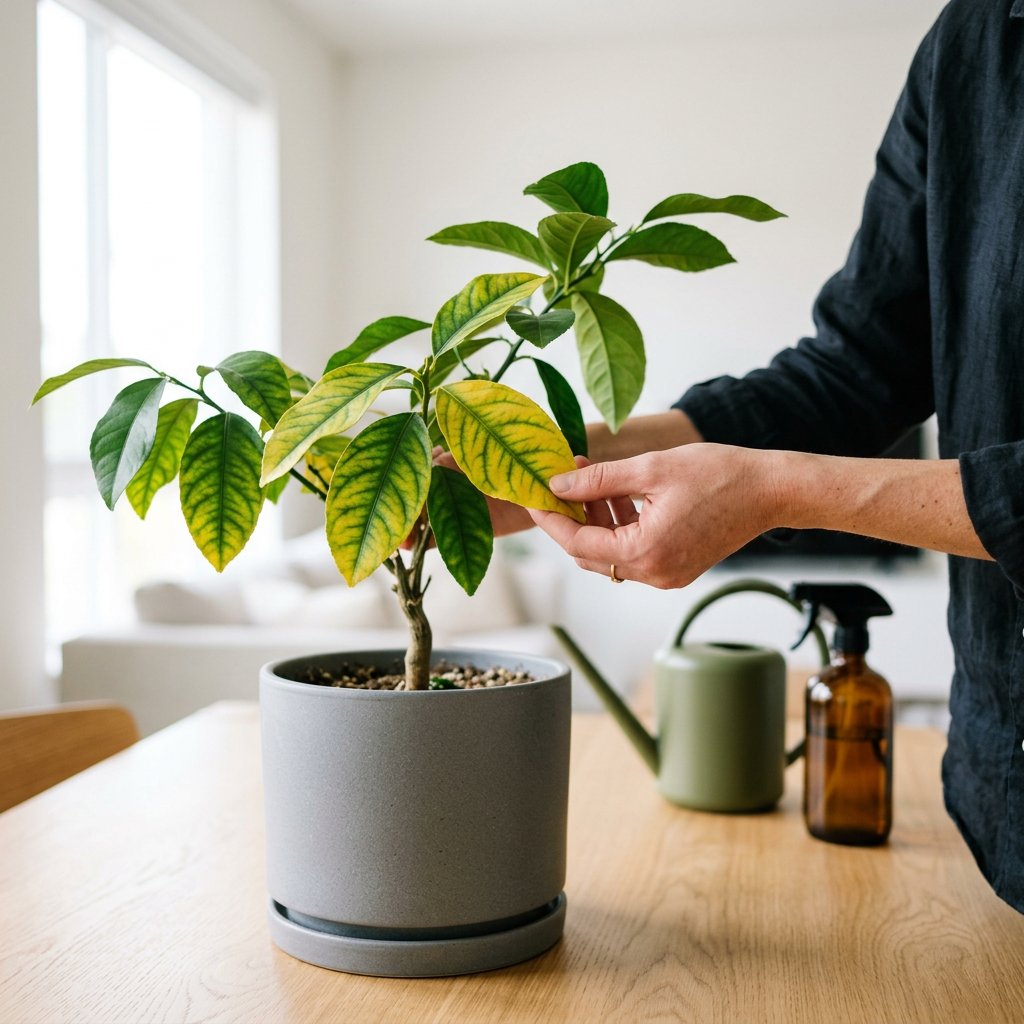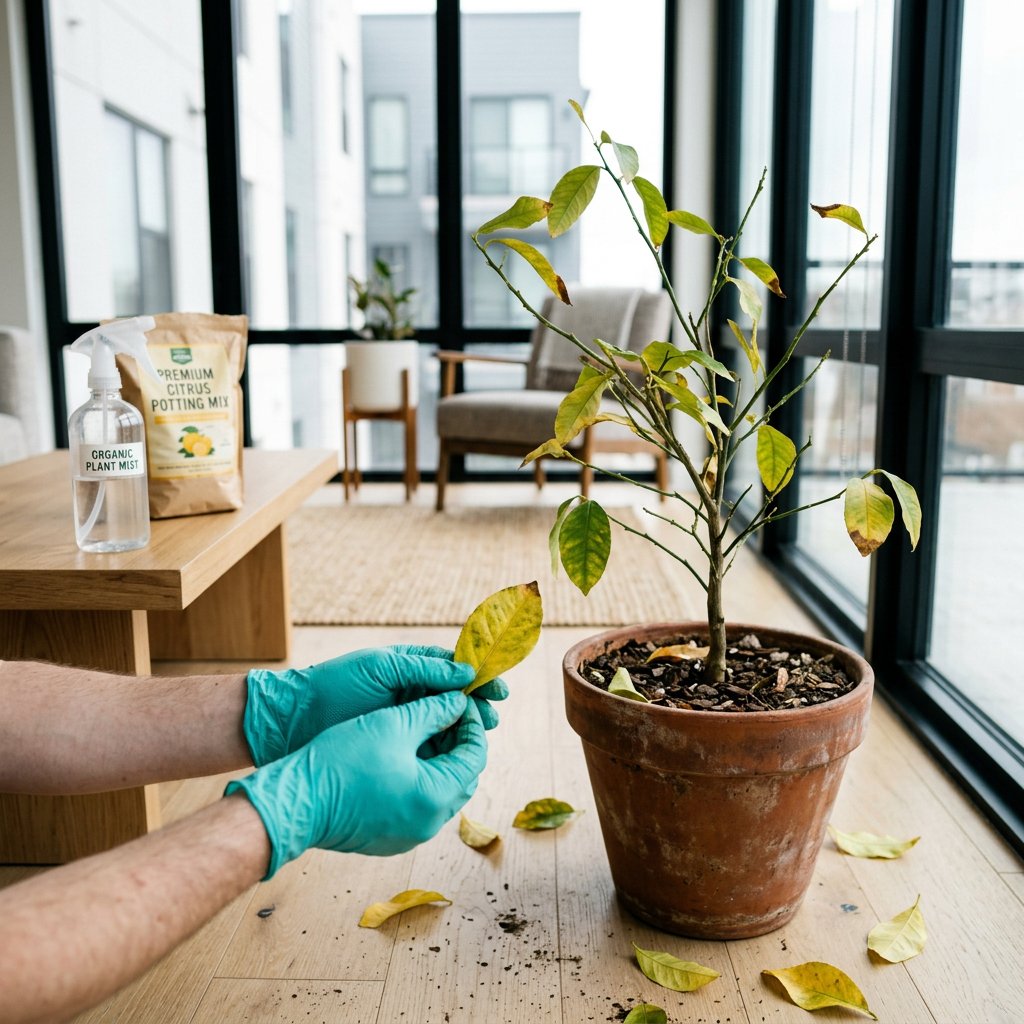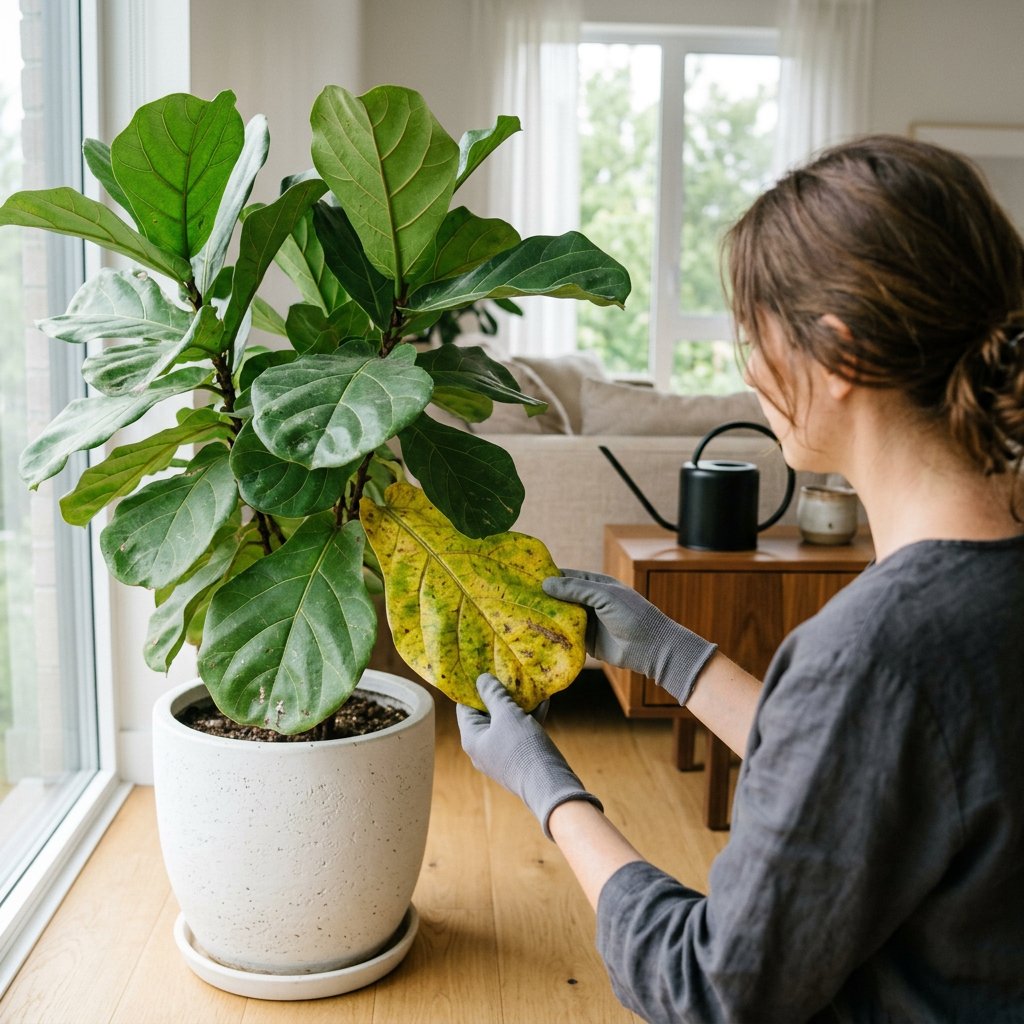
There is nothing quite as rewarding as watching your very own lemon tree produce bright, fragrant fruit. But if you’ve noticed your tree's lush green canopy slowly turning pale and yellow, please don't panic! It is completely normal to feel a bit discouraged when a beloved plant looks under the weather, but plant parenting is a journey of learning. What you are likely seeing is a very common, highly treatable condition called chlorosis—which simply means the loss of green pigment (chlorophyll) in the leaves.
If you are ever unsure whether your tree is suffering from a nutrient deficiency or a pest infestation, you can use the AI-powered plant disease scanner in the Plantiary app to get an instant diagnosis and peace of mind in seconds.
Let's explore exactly what iron chlorosis looks like, why it happens, and the safe, science-backed steps you can take to bring your lemon tree back to its vibrant, zesty self!
The Problem: Spotting the Symptoms of Iron Chlorosis
Lemon trees are heavy feeders, meaning they need a steady supply of nutrients to thrive. When they don't get enough iron, they will quickly let you know. Here are the tell-tale signs to look for:
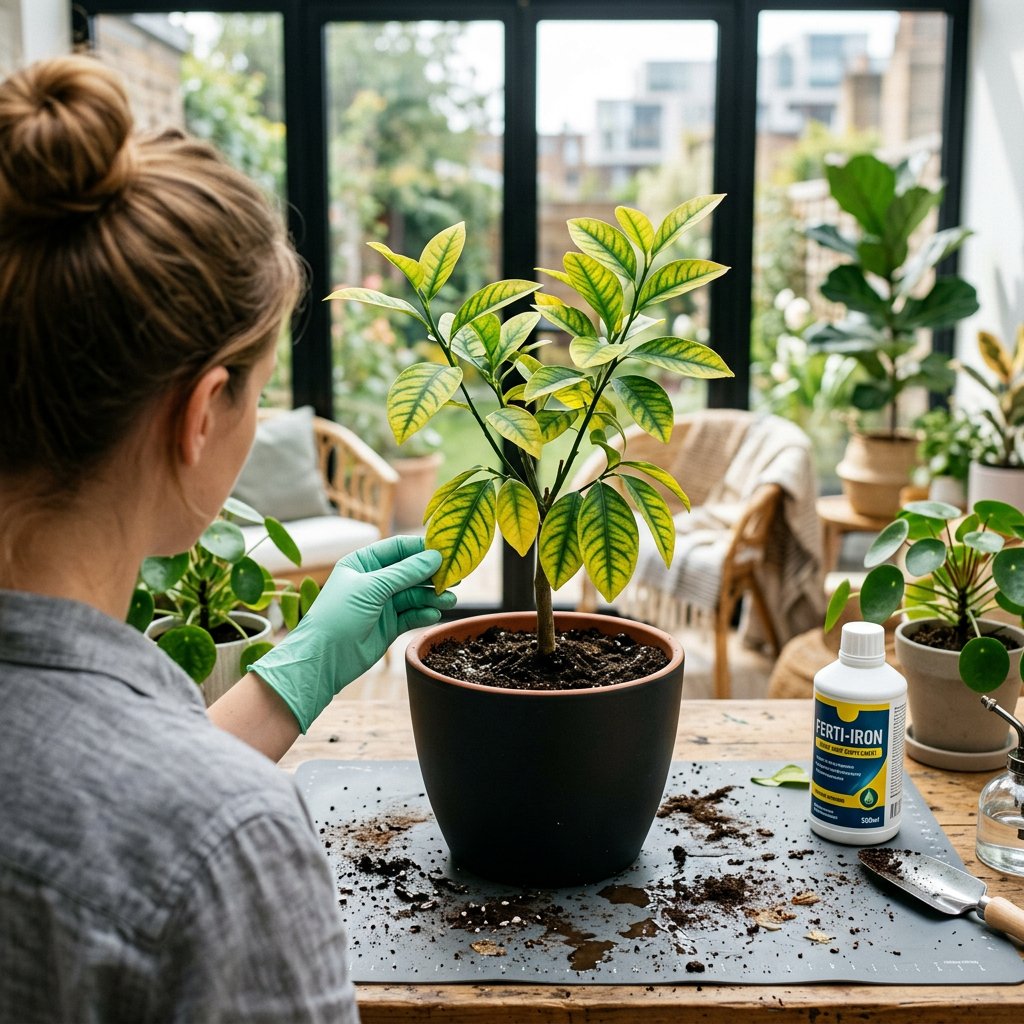
- Interveinal Chlorosis: This is the hallmark symptom. The tissue between the leaf veins turns light green or bright yellow, while the veins themselves remain a stark, dark green.
- New Growth is Affected First: Unlike a nitrogen deficiency (which causes older, lower leaves to turn yellow), iron chlorosis almost always shows up on the youngest, newest leaves at the tips of the branches.
- Stunted Growth and Leaf Drop: In severe cases, the entire leaf may turn white or pale yellow, the edges may scorch, and the tree might begin dropping leaves or failing to produce fruit.
The Causes: Why is Your Lemon Tree Lacking Iron?
It is easy to assume that iron chlorosis means your soil is entirely out of iron. However, that is rarely the case! Usually, the iron is present in the dirt, but the plant’s roots are physically unable to absorb it. This happens for a few common reasons:
- High Soil pH (Alkaline Soil): Lemon trees thrive in slightly acidic soil (a pH between 5.5 and 6.5). If your soil pH creeps above 7.0, the iron becomes chemically "locked up" in the soil. Think of it like a locked door; the nutrient is right there, but the roots don't have the key to access it.
- Poor Drainage and Overwatering: Citrus trees absolutely hate "wet feet." If the soil is waterlogged, the roots literally suffocate from a lack of oxygen, preventing them from taking up iron and other vital nutrients.
- Compacted Soil: Hard, dense soil prevents healthy root expansion and traps water, leading to the same suffocating effect as overwatering.
- Temperature Stress: Sometimes, an unusually cold, wet spring can temporarily slow down root function, causing a brief bout of chlorosis until the soil warms up.
The Solutions: Step-by-Step Treatment for Iron Chlorosis
Forget the old myth of burying rusty nails in your soil—this won't help your plant at all! Iron oxide (rust) is not easily processed by plant roots. Instead, follow these scientifically proven, actionable steps to restore your lemon tree's health:
Step 1: Test and Adjust Your Soil pH Before adding anything, grab a simple soil pH testing kit from a garden center. If your soil reads higher than 6.5, you need to gently lower it. You can do this by applying a soil acidifier, such as elemental sulfur, according to the package instructions. Over time, this will "unlock" the iron already hiding in your soil.
Step 2: Apply a Chelated Iron Supplement While you wait for the soil pH to adjust (which can take a few weeks), your plant needs a fast-acting meal. Apply a chelated iron product. Chelated (pronounced key-lay-ted) simply means the iron is bound to an organic molecule that prevents it from getting locked up in the soil, making it instantly available to the plant. You can apply this as a soil drench around the root zone or as a foliar spray directly onto the leaves for rapid absorption.
Step 3: Improve Drainage and Adjust Watering Check the moisture levels of your soil before you water. Allow the top two to three inches of soil to dry out completely before giving your lemon tree a thorough soak. If your tree is in a pot, ensure the container has large, clear drainage holes. If the soil feels heavy and clay-like, consider amending it with perlite or coarse sand to improve aeration.
Step 4: Use a Citrus-Specific Fertilizer Moving forward, ensure you are feeding your tree with a high-quality fertilizer formulated specifically for citrus plants. These blends contain the perfect balance of nitrogen, potassium, and crucial micronutrients like iron, zinc, and manganese to prevent future deficiencies.
Remember, plants move at their own pace. It may take a few weeks to see the new growth coming in lush and green. Be patient, stick to these healthy care habits, and don't forget to track your watering and fertilizing schedules using the Plantiary app. You’ve got this, and your lemon tree will be back to blooming and fruiting before you know it!