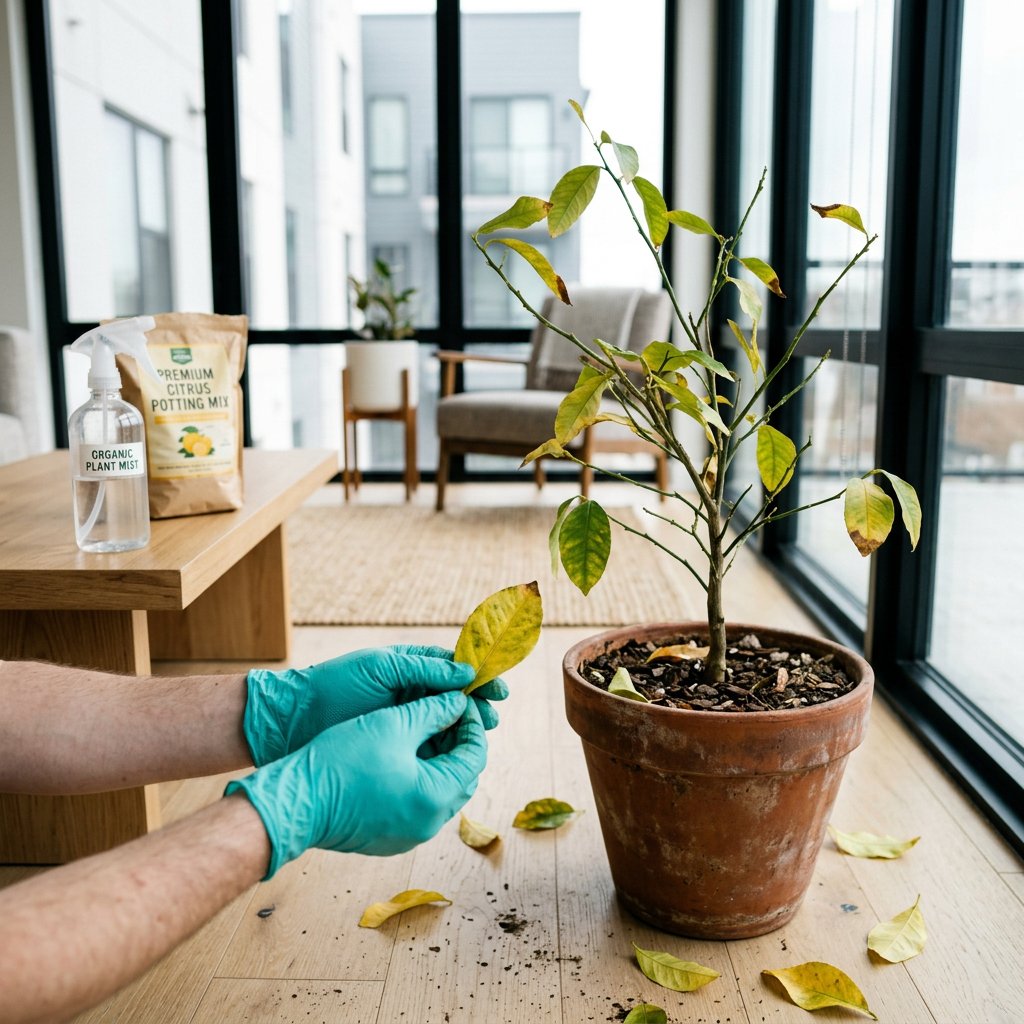
Imagine walking up to your beloved potted lemon tree, only to find a scattered pile of leaves on the floor. It is completely normal to feel a sudden wave of panic! But take a deep breath—leaf drop is an incredibly common reaction for citrus plants facing a bit of stress. Whether your tree lives on a sunny patio or brightens up your living room, losing leaves is simply its way of communicating that something in its environment needs a slight adjustment. You haven’t failed as a plant parent; this happens to the best of us! Let's decode what your lemon tree is trying to tell you so we can get it back to producing lush foliage and zesty fruits. If you are ever unsure what is wrong with your plant, you can use the AI-powered plant disease scanner in the Plantiary app to get an accurate diagnosis in seconds.
The Problem: Identifying the Symptoms
Before we fix the issue, we need to observe the clues. Lemon trees do not just drop leaves for no reason; the way they drop them tells a story. Look out for these common visual signs:
- Sudden drop of completely green leaves: This usually points to a rapid environmental shock, such as a drastic change in temperature or lighting.
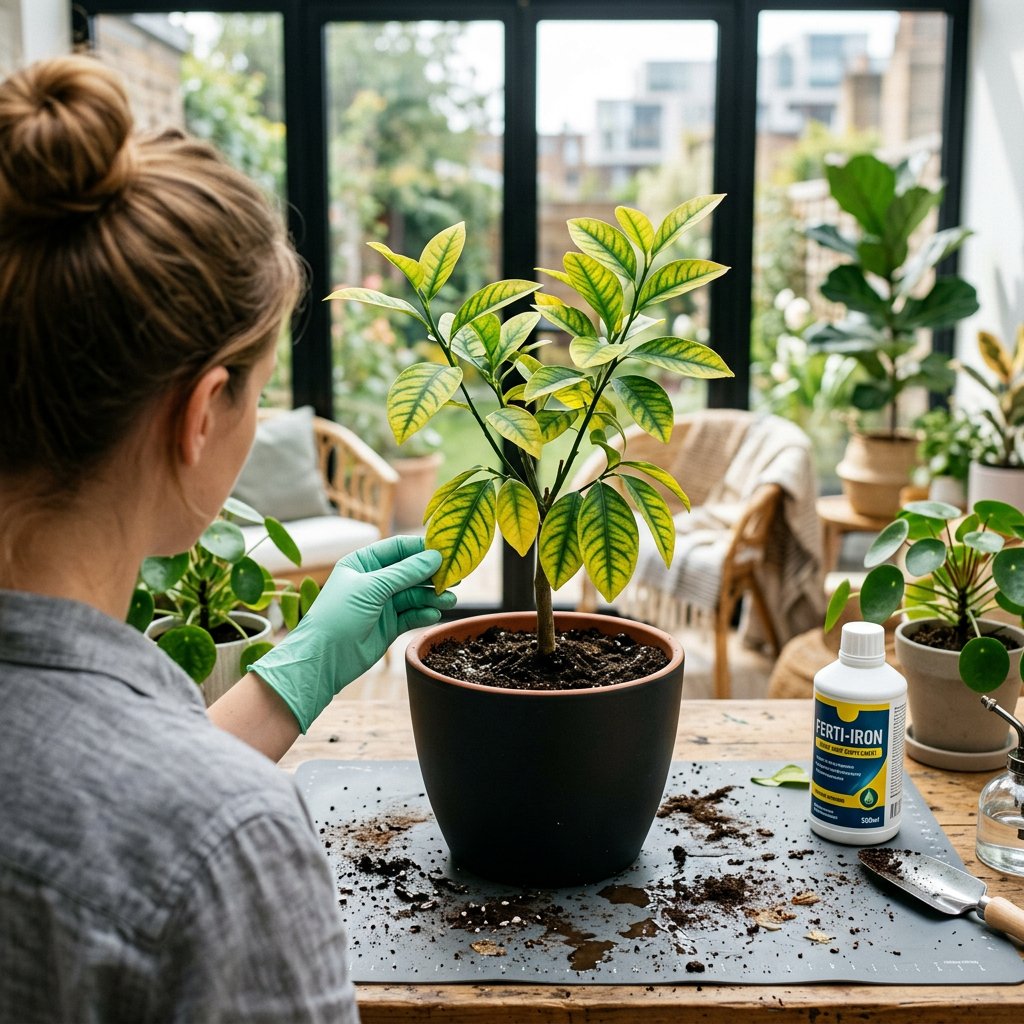
- Yellowing leaves before dropping: Often a sign of moisture issues (either too much or too little) or a lack of nutrients.
- Curling, dry, or brittle leaves: Typically indicates extreme thirst, low humidity, or severe heat stress.
Botanically, this shedding process is called abscission (the natural detachment of parts of a plant). When a lemon tree experiences severe stress, it triggers abscission to shed excess foliage, conserving its core energy and water to keep the main trunk and root system alive.
The Causes: What is Stressing Your Lemon Tree?
Citrus trees can be a little sensitive when it comes to environmental changes. Here are the most common stress factors that trigger leaf drop:
- Improper Watering: Giving your tree too much water suffocates the roots and leads to root rot, while too little leaves it dangerously parched. Both extremes cause the tree to panic and drop leaves.
- Light and Temperature Shock: Did you recently bring your patio lemon tree indoors for the winter? Sudden shifts from a bright, warm environment to dimmer, drier indoor conditions cause massive stress. Cold drafts from windows or hot air from heating vents also spell trouble.
- Nutrient Deficiencies: Lemon trees are notoriously "heavy feeders." If they lack essential elements like nitrogen, iron, or magnesium, they may develop chlorosis (a condition where leaves turn pale or yellow because they lack green chlorophyll) and eventually fall off.
- Pesky Invaders: Sap-sucking insects like spider mites, aphids, or scale can drain the plant's resources, weakening it until the stressed leaves drop prematurely.
The Solutions: Step-by-Step Treatment
Don't worry—lemon trees are highly resilient. Once the underlying stress is removed, they are excellent at pushing out beautiful new growth. Follow these scientifically proven steps to nurse your tree back to health:
Step 1: Assess and adjust your watering. Stick your finger about two inches into the potting soil. If it feels soaking wet and heavy, hold off on watering immediately and ensure your pot has open drainage holes so excess water can escape. If the soil is completely bone-dry and pulling away from the edges of the pot, give it a thorough, deep soaking. Pro tip: Use the watering reminder feature in the Plantiary app to easily maintain a consistent hydration schedule!
Step 2: Stabilize the environment. Lemon trees crave at least 6 to 8 hours of bright, direct sunlight daily. If you moved your tree indoors, place it right next to your brightest south-facing window. Keep the plant far away from heating vents, radiators, air conditioners, or cold, drafty doors.
Step 3: Feed with the right nutrients. If your watering and light are perfect but leaves are still yellowing and dropping, your tree might be hungry. Apply a high-quality, citrus-specific fertilizer that contains essential micronutrients like iron, zinc, and magnesium. Always follow the package instructions carefully to avoid fertilizer burn.
Step 4: Treat for pests safely. Inspect the undersides of the remaining leaves and the stems. If you spot fine webbing (a sign of spider mites) or tiny, sticky brown bumps (a sign of scale), gently wipe the leaves down with a damp cloth. Then, apply a safe, organic treatment like horticultural neem oil or insecticidal soap until the infestation is gone.
Step 5: Be patient! The hardest part of plant recovery is waiting. Do not panic-water or over-fertilize your tree in a desperate attempt to force new growth—this will only cause more stress. Provide a stable, loving environment and let the tree recover at its own natural pace.
Your Lemon Tree Will Bounce Back
Plant parenting is an ongoing journey of observing, learning, and adjusting. Seeing a bare branch might be a little discouraging today, but with a little investigation and some minor tweaks to its care routine, your lemon tree will be sprouting fresh, fragrant leaves before you know it. Keep your chin up, trust the process, and let Plantiary be your reliable digital companion for all your plant care adventures!