There is nothing quite like the cascading, romantic beauty of a Heartleaf Philodendron (Philodendron hederaceum). Known for its trailing vines and iconic heart-shaped foliage, it is a staple in any houseplant collection. But what happens when those lush, full vines start looking more like long, bare strings with only a few tiny leaves at the ends? If your plant is looking a little sparse, please don’t panic or feel guilty! Houseplant hiccups happen to absolutely every plant parent, from beginners to seasoned botanists.
Your plant is experiencing something called "legginess," and the good news is that it is completely reversible. With a few simple tweaks to your care routine, you can encourage your beloved trailing plant to grow thick, bushy, and vibrant once again.
The Problem: Spotting a Leggy Philodendron
Before we jump into the cure, let’s look at the symptoms. A leggy Heartleaf Philodendron is usually very easy to identify. You might notice:
- Long internodes: The spaces on the stem between the leaves (called internodes) become unusually long and stretched out.
- Sparse, small foliage: New leaves are noticeably smaller than the older ones, and the overall plant looks thin rather than bushy.
- Pale or yellowing stems: The vines themselves might look weak, pale, or fragile.
In botany, this stretching process is known as etiolation—a survival mechanism where a plant rapidly elongates its stems in a desperate attempt to reach a better source of light.
The Causes: Why Is Your Heartleaf Reaching?
Understanding why your plant is acting this way is the key to preventing it in the future.
- Insufficient Light: This is the number one culprit. While Heartleaf Philodendrons are famously marketed as "low-light" plants, they actually thrive best in bright, indirect sunlight. When kept in dark corners, they will stretch themselves thin looking for the sun.
- Nutrient Depletion: If your plant has been in the same soil for years without fresh fertilizer, it may lack the energy required to produce large, healthy leaves.
- Underwatering or Root Stress: Inconsistent watering can stress the plant, causing it to drop older leaves near the base, which adds to the bare, leggy appearance.
If you are ever unsure what is wrong with your plant, you can use the AI-powered plant disease scanner in the Plantiary app to get an accurate diagnosis in seconds!
The Solutions: Step-by-Step Guide to Fixing a Leggy Philodendron
Ready to give your plant a fresh start? Follow these scientifically proven, highly effective steps to restore your plant’s bushy glory.
Step 1: Don't Be Afraid to Prune
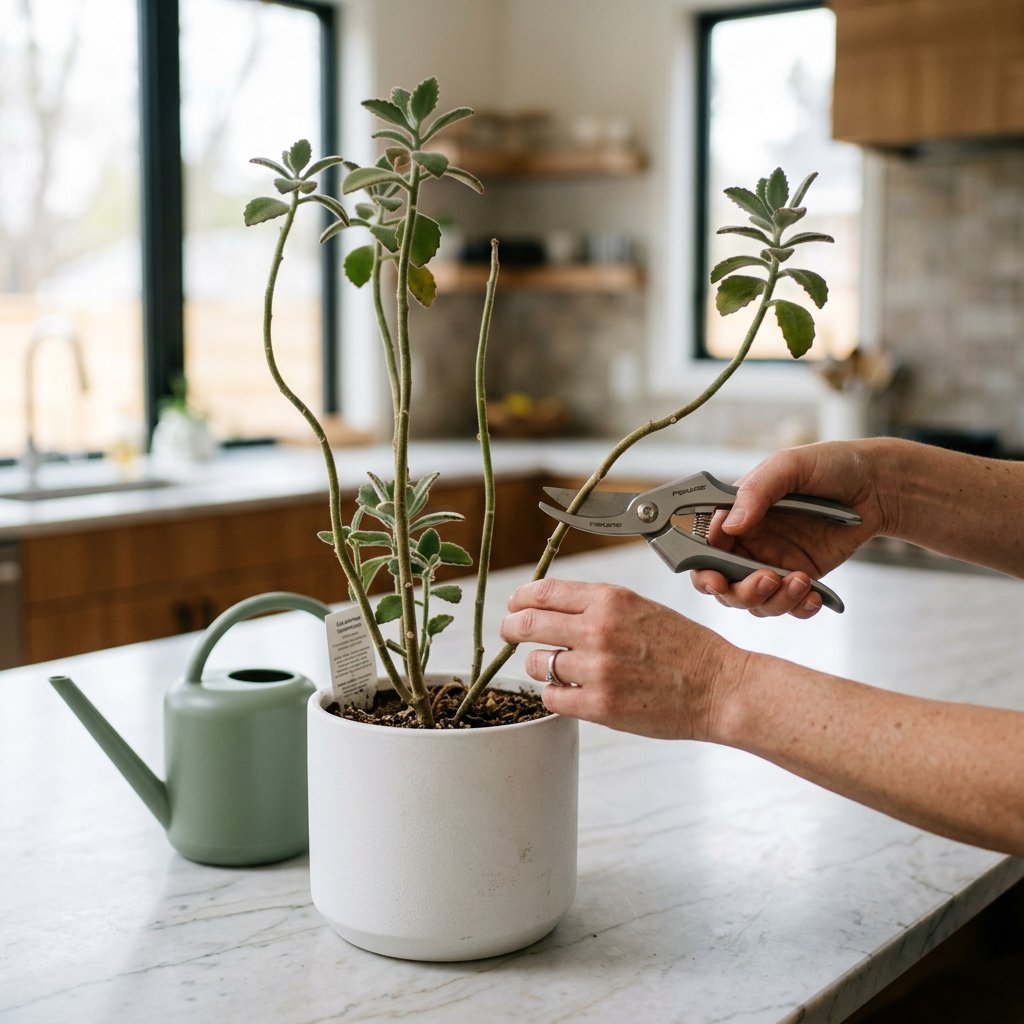
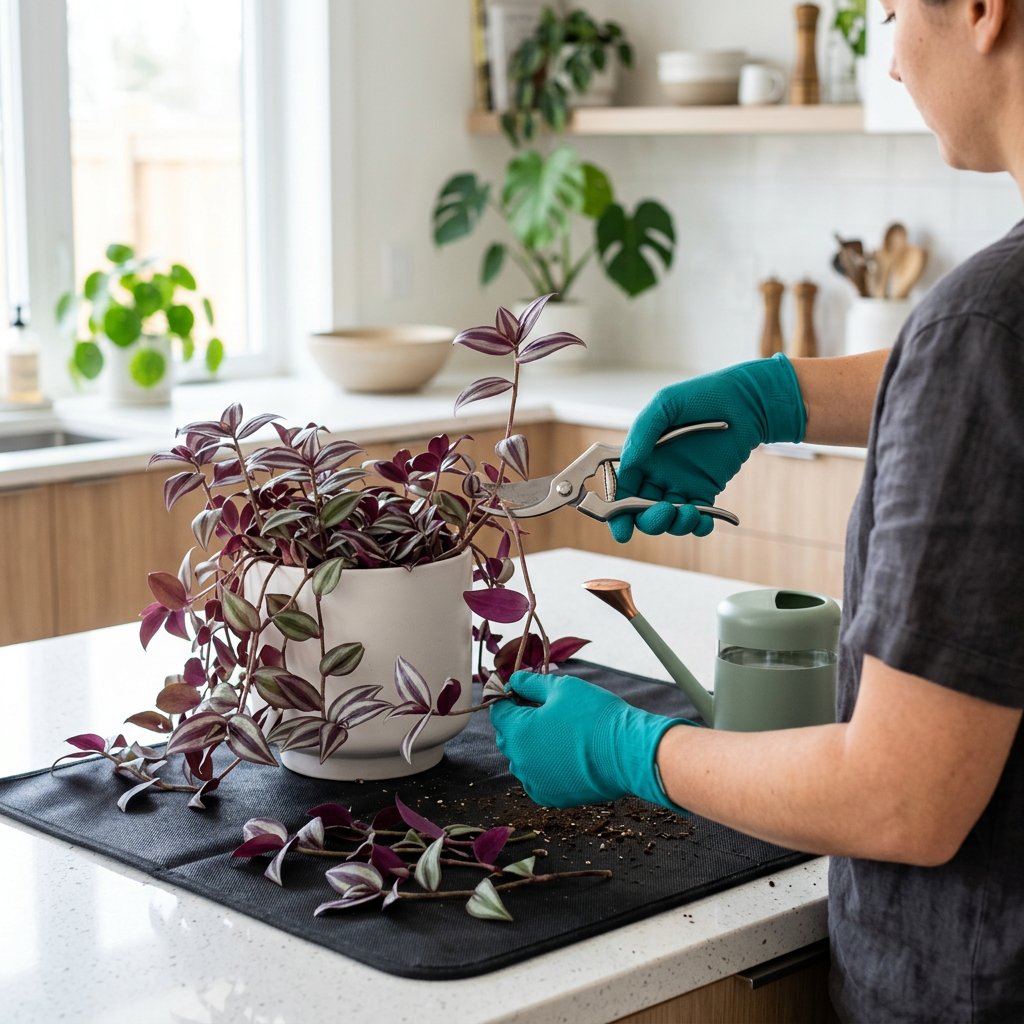
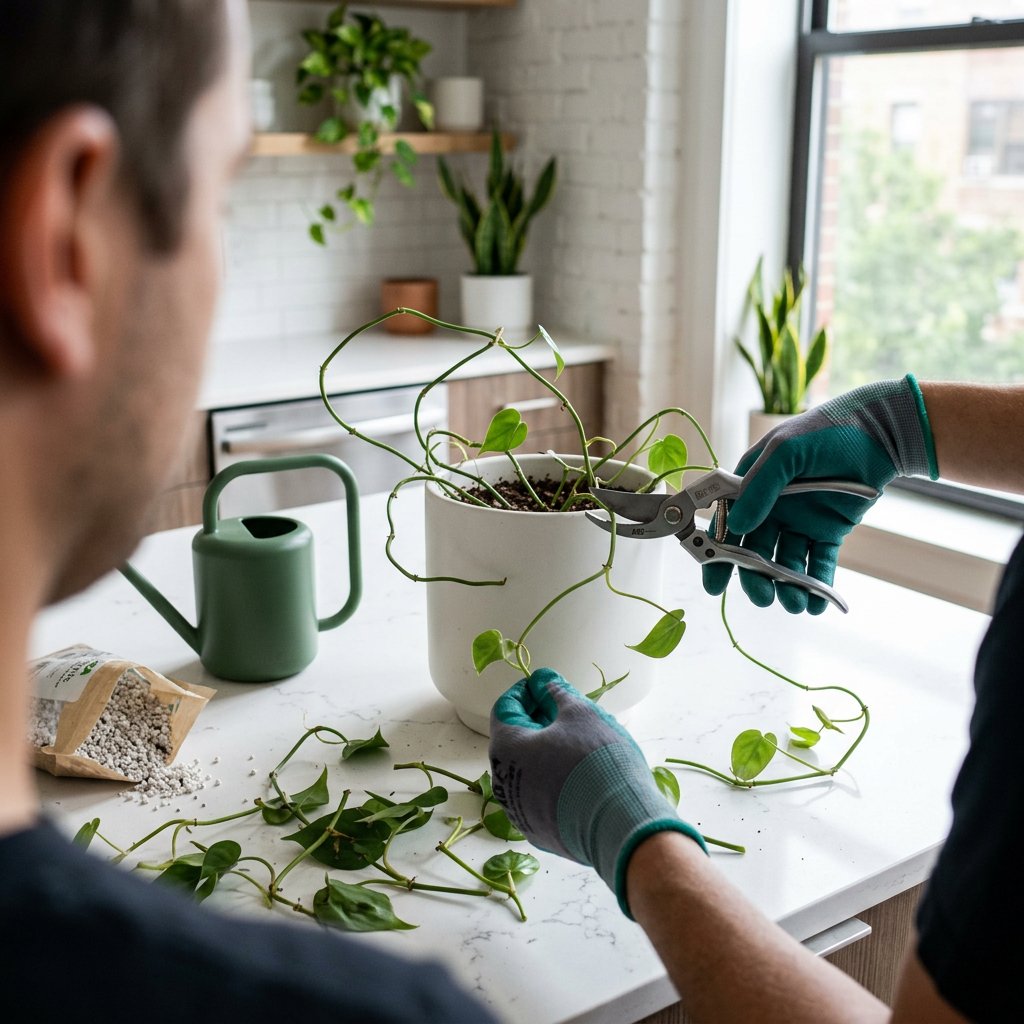
The most effective way to fix a leggy vine is to cut it back. Pruning triggers the plant’s growth hormones, encouraging it to branch out and grow more densely from the top.
- Sanitize a pair of sharp scissors or pruning shears with rubbing alcohol.
- Find a "node" on the bare stem. A node is the small bump where a leaf meets the stem (or where a leaf used to be).
- Make a clean cut about a quarter-inch just above the node. This node is where the new, healthy growth will emerge!
- Bonus Tip: Don't throw away the cuttings! You can place the healthy leafy ends into a glass of water. Once they sprout roots, you can replant them back into the same pot to make the top look instantly fuller.
Step 2: Relocate for Better Lighting
To stop the etiolation process, you need to change your plant's environment.
- Move your Philodendron to a spot where it receives bright, indirect light for several hours a day.
- An east-facing or north-facing window is usually perfect. If you only have a highly sunny south-facing window, use a sheer curtain to filter the harsh rays, as direct sunlight can scorch the delicate leaves.
Step 3: Optimize Your Watering and Feeding
Now that your plant has a fresh haircut and better light, it needs the right fuel to push out new foliage.
- Water your Philodendron only when the top two inches of the soil feel dry to the touch. Ensure the pot has drainage holes so the roots don't sit in stagnant water.
- During the active growing seasons (spring and summer), apply a balanced, water-soluble houseplant fertilizer once a month. This provides the essential nitrogen needed for lush, green leaf development.
Plant care is a continuous learning journey, and a leggy Heartleaf Philodendron is just your plant's gentle way of asking for a little more sunshine. By pruning back the sparse vines and adjusting its light, you will see fresh, bushy growth in no time.
To take the guesswork out of your routine, don't forget to set up customized watering and fertilizing schedules in the Plantiary app. We are here to help you and your leafy companions thrive together!