Have you noticed your once-compact, beautifully blooming Kalanchoe starting to look a little wild, with long, sparse stems reaching out in every direction? If so, take a deep breath and don't worry! Many plant parents bring home a dense, vibrant Kalanchoe only to watch it transform into a stretched-out, top-heavy plant a few months later.
This is an incredibly common issue, and it absolutely does not mean you are a bad plant parent. Plants are living things that constantly adapt to their environment. With a little bit of botanical know-how and a few simple tweaks, we can get your succulent back to its beautiful, bushy self.
The Problem: Spotting a Leggy Kalanchoe
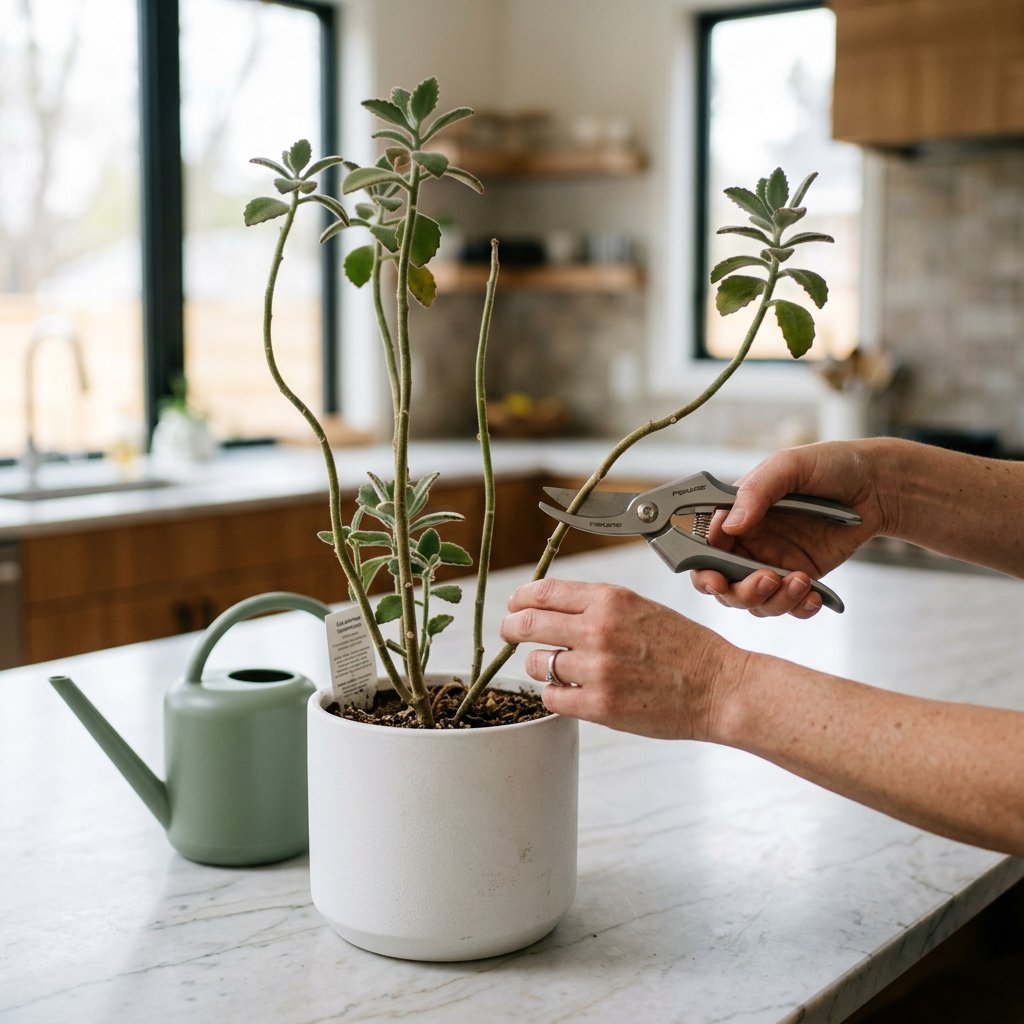
Before we fix the issue, it helps to understand what is happening. A "leggy" Kalanchoe is easy to identify by a few key symptoms:
- Elongated Stems: The main stems look stretched and thin.
- Sparse Foliage: There are large, noticeable gaps between the leaves along the stem.
- Top-Heavy Growth: The plant may droop or struggle to support its own weight.
- Fewer Blooms: Your plant might stop producing those vibrant clusters of flowers.
In the botanical world, this stretching process is called etiolation. Etiolation is simply a plant’s natural survival response to stretch out and grow taller rapidly because it is desperately searching for a stronger source of light.
The Causes: Why is Your Kalanchoe Stretching?
Understanding the root cause of the problem is the best way to prevent it from happening again.
- Insufficient Light (The Main Culprit): Kalanchoes are tropical succulents. In their natural habitat, they bask in plenty of sunshine. When placed in a dim corner or far from a window, they will stretch their stems to find the sun.
- Natural Aging: Over a few years, Kalanchoes naturally develop woody, longer stems at their base as they mature.
- Over-fertilizing: Feeding your plant too much nitrogen can cause rapid, weak, and spindly growth that the plant cannot support.
Tip: If you are unsure what is wrong with your plant or want to rule out a pest issue, you can use the AI-powered plant disease scanner in the Plantiary app to get a professional diagnosis in seconds!
The Solutions: Step-by-Step Guide to Fixing a Leggy Kalanchoe
You cannot shrink stretched stems back down, but you can rejuvenate the plant and start fresh. Here is the step-by-step process to fix your leggy Kalanchoe:
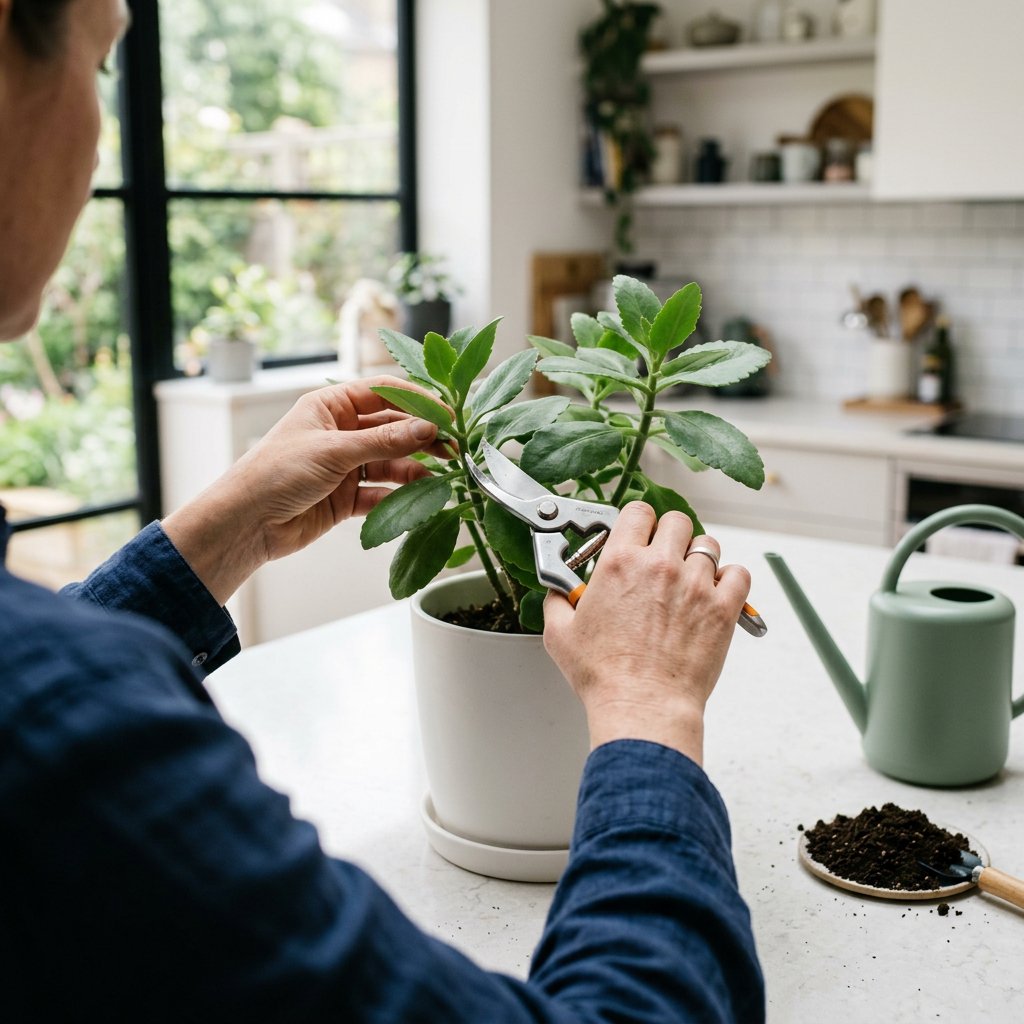
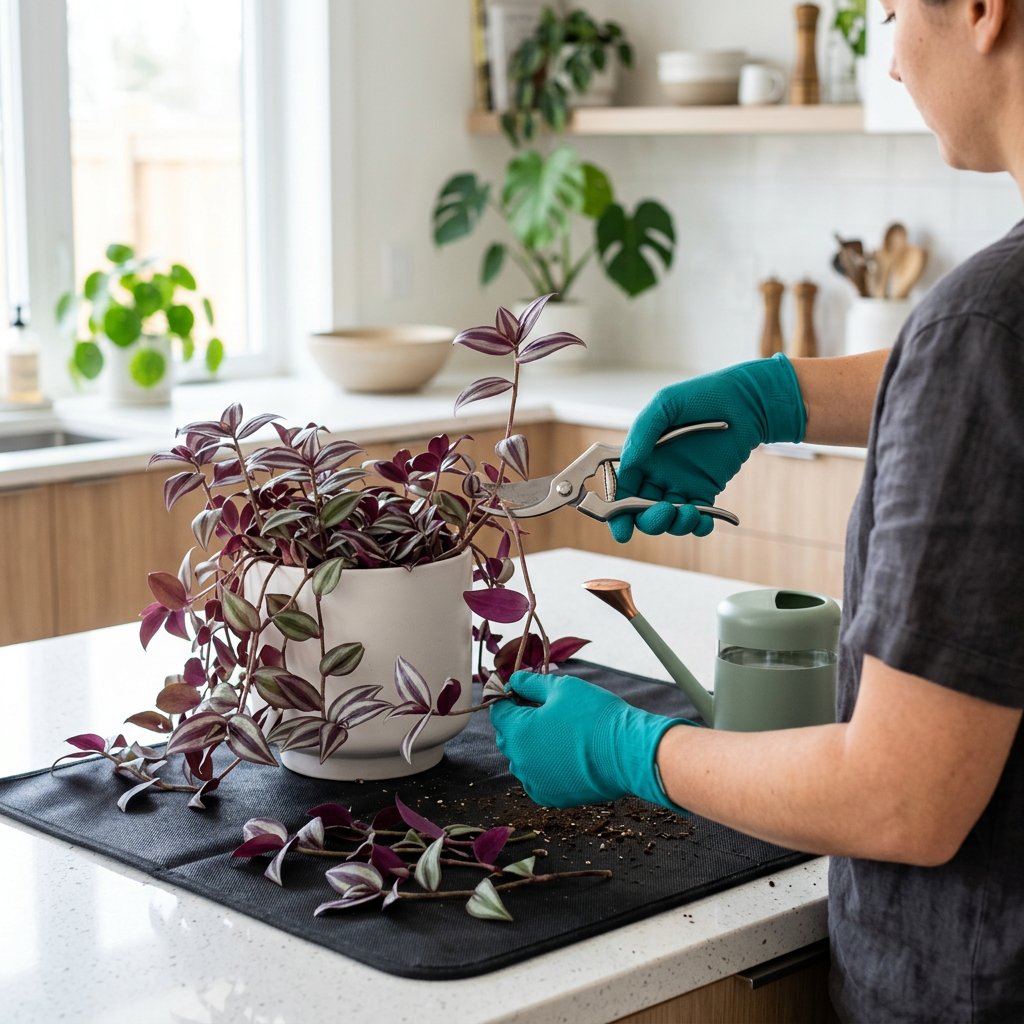
Step 1: Give it a bold haircut (Pruning) Do not be afraid to grab your pruning shears! Sterilize your scissors with rubbing alcohol, and cut the long, leggy stems back. Make your cut just above a leaf node (the little bump on the stem where leaves emerge). Pruning signals the plant to branch out from that cut, encouraging a bushier shape.
Step 2: Propagate the cuttings Don't throw away those snipped stems! Kalanchoes are incredibly easy to propagate.
- Remove the bottom leaves from your cut stems.
- Leave the stems on a paper towel for 2 to 3 days so the cut ends can dry out and form a "callus." This prevents rotting.
- Plant the calloused stems directly into a well-draining succulent soil mix. Now you have brand-new, free plants!
Step 3: Upgrade your plant's lighting To prevent the remaining plant (and your new cuttings) from stretching again, move them to a brighter location. An East-facing or South-facing window is usually ideal. They love bright, indirect light and can even handle a few hours of direct morning sun.
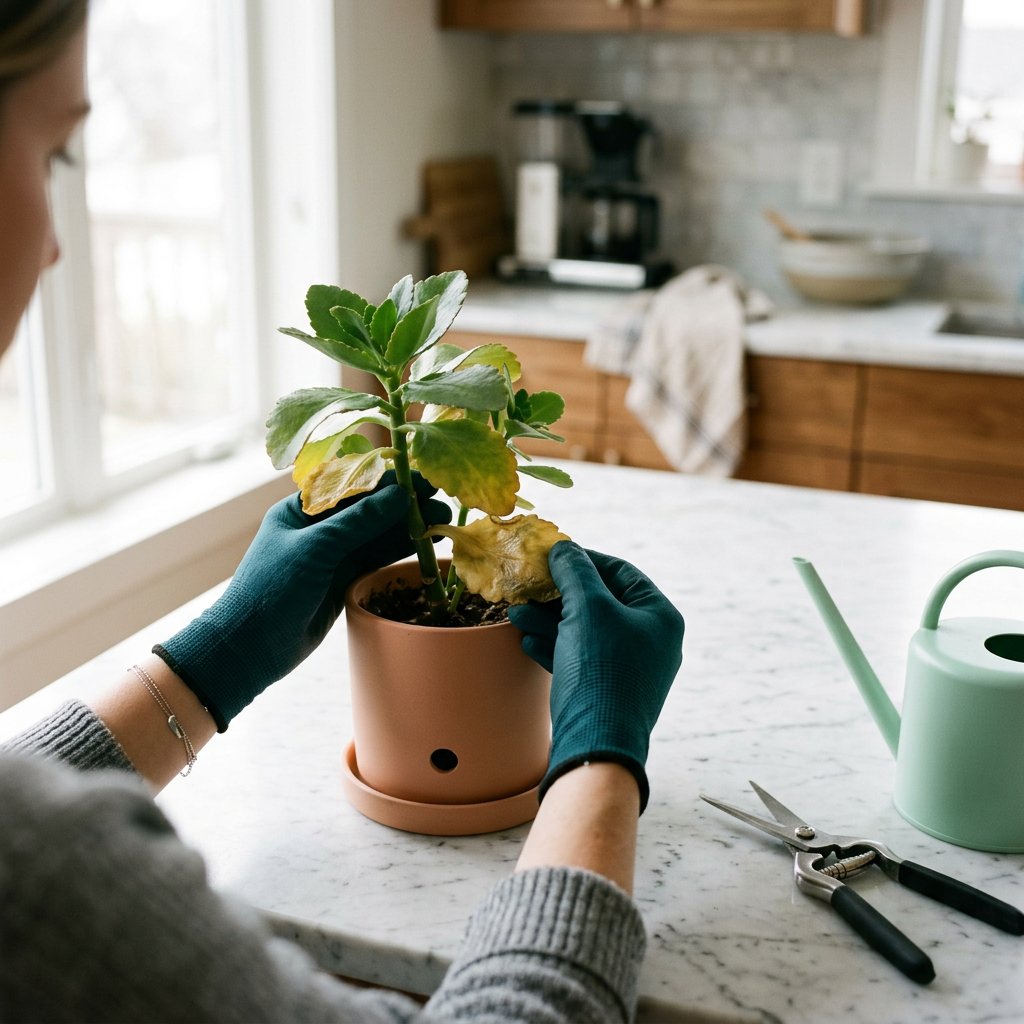
Step 4: Adjust your watering routine While recovering, ensure you aren't overwatering. Kalanchoes have delicate roots that are prone to rot. Always wait until the top two inches of the soil are completely dry before giving them a thorough soak.
Preventing Future Stretching
Once your Kalanchoe is looking bushy and happy again, keeping it that way is a breeze:
- Rotate the pot: Give your plant a quarter-turn every week. This ensures all sides get equal sunlight, preventing the plant from leaning in one direction.
- Use a Grow Light: If your home simply doesn't get enough natural sunlight, especially in the winter, adding a small LED grow light can completely stop etiolation in its tracks.
- Track Your Care: Consistency is key. You can use the Plantiary app to set customized watering and light reminders, ensuring your Kalanchoe is getting exactly what it needs, right when it needs it.
Remember, gardening is a journey of trial and error. A leggy Kalanchoe is just a plant asking for a little more sunshine. By pruning it back and finding a brighter spot, you will be rewarded with a lush, thriving, and brightly blooming companion!