It is incredibly rewarding to watch a Thanksgiving Cactus (Schlumbergera truncata) burst into vibrant, jewel-toned blooms just as the weather turns cold. But it can be equally heartbreaking to look closely and realize your plant’s beautiful green segments have turned pale, red, or even crispy. Please don't be hard on yourself! Environmental stress happens to every plant parent at some point, and misjudging light levels is one of the most common hiccups.
If your plant is looking a little worse for wear after soaking up some rays, you are likely dealing with sunburn. Keep in mind, if you are ever unsure what is wrong with your plant, you can use the AI-powered plant disease scanner in the Plantiary app to get an accurate diagnosis in seconds.
Let’s explore how to identify, understand, and easily fix sunburn on your beloved Thanksgiving Cactus so it can get back to thriving.
The Problem: Signs Your Thanksgiving Cactus is Sunburned
Unlike animals, plants can't vocalize when they are uncomfortably hot. Instead, they show us through visual cues on their foliage. Here is what sunburn looks like on a Thanksgiving Cactus:
- Red or purplish discoloration: When exposed to too much light, the plant produces anthocyanins—red and purple pigments that act as a natural, built-in sunscreen to protect the plant's cells.
- Bleached or pale yellow segments: This is a sign of chlorosis, a condition where the plant breaks down chlorophyll (the green pigment essential for photosynthesis) due to extreme light and heat stress.
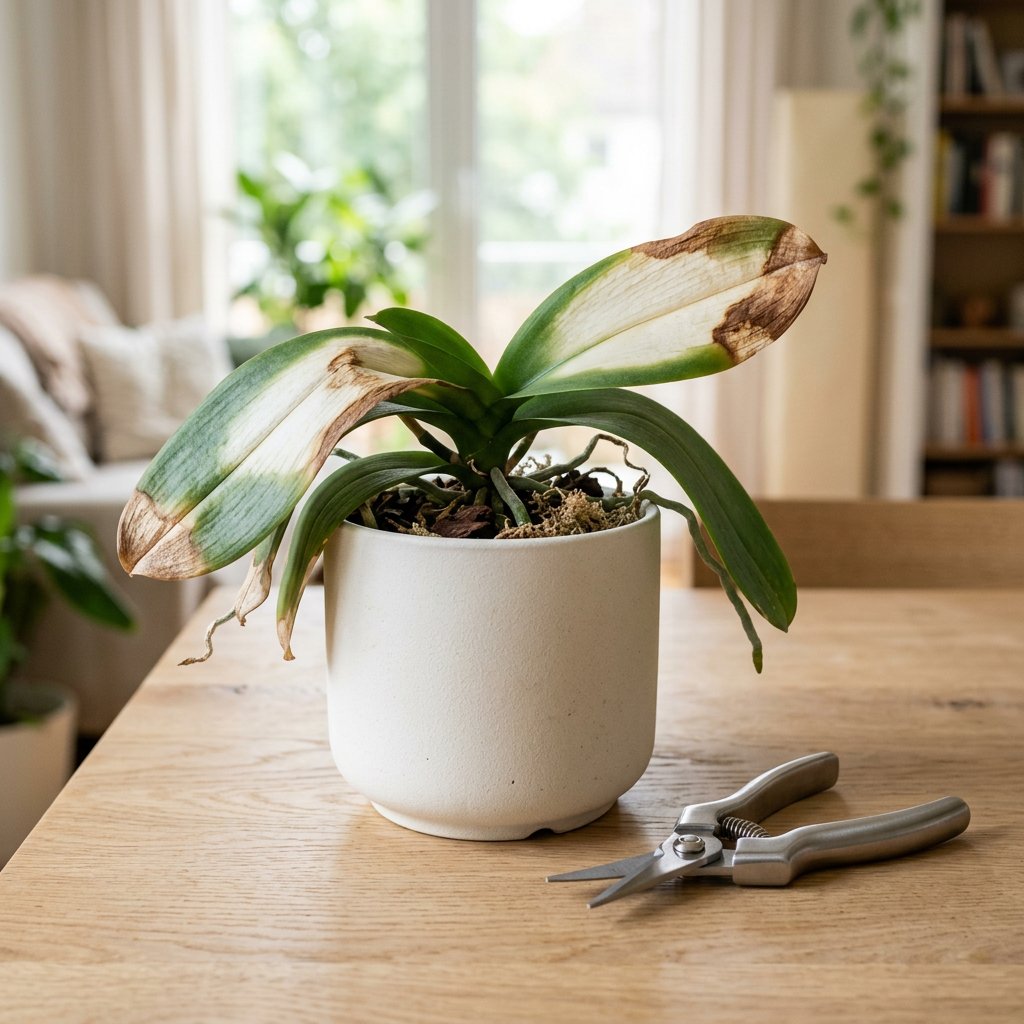
- Crispy, brown, or dry patches: In severe cases, the plant tissue will literally scorch. These brown spots are areas of dead tissue that cannot be reversed.
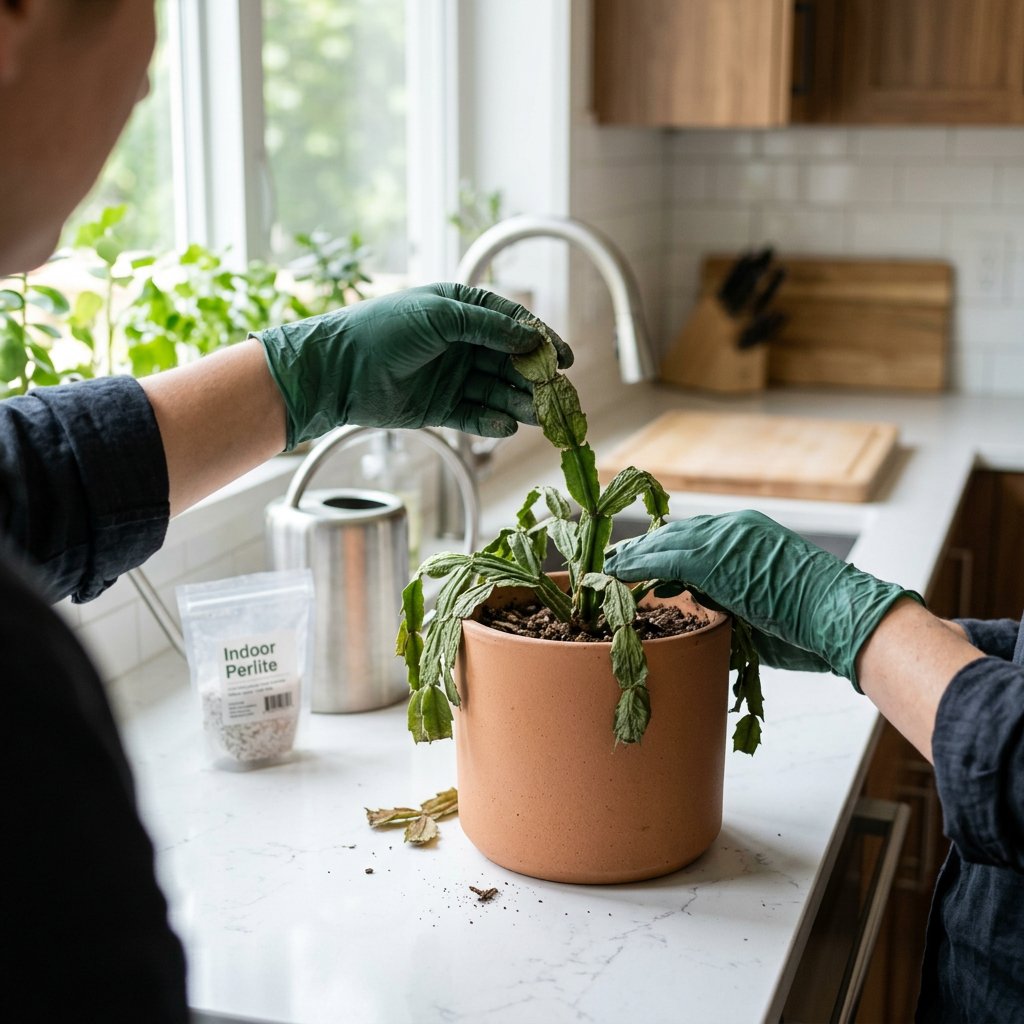
- Shriveled or limp segments: Excessive heat causes rapid water loss, leading to dehydration and wilting.
The Causes: Why Do Thanksgiving Cacti Burn?
When we hear the word "cactus," we automatically picture a prickly plant surviving in the blazing, unshaded desert. This is a very common misconception!
The Thanksgiving Cactus is actually an epiphyte—a type of plant that naturally grows on the branches of other trees rather than in soil. Their native habitat is the coastal mountains and rainforests of Brazil. In the wild, they live happily under the dense canopy of trees, receiving only dappled, filtered sunlight.
When we place them in a south-facing or west-facing window with harsh, direct afternoon sun, it causes phototoxicity (light-induced damage to the plant’s cells). The intense UV rays and heat simply overwhelm their delicate, fleshy segments.
The Solutions: Step-by-Step Treatment for Sunburned Thanksgiving Cacti
While you cannot magically turn crispy, scorched brown spots green again, you can absolutely save the plant and encourage healthy new growth. Here is your step-by-step recovery plan:
1. Relocate Your Plant Immediately
The very first step is to remove the stressor. Move your Thanksgiving Cactus out of the direct sunlight. The ideal spot for this plant is near an east-facing window where it can receive gentle morning light, or a few feet away from a brighter window, shielded by a sheer curtain. They thrive in bright, indirect light.
2. Rehydrate the Soil (Carefully)
Sunburn is almost always accompanied by dehydration. Check the soil moisture by inserting your finger about an inch deep. If it feels completely dry, give your plant a thorough, deep watering. Ensure the pot has proper drainage holes so excess water can escape—leaving the roots sitting in standing water will lead to root rot, creating a whole new problem!
3. Prune Away Severe Damage
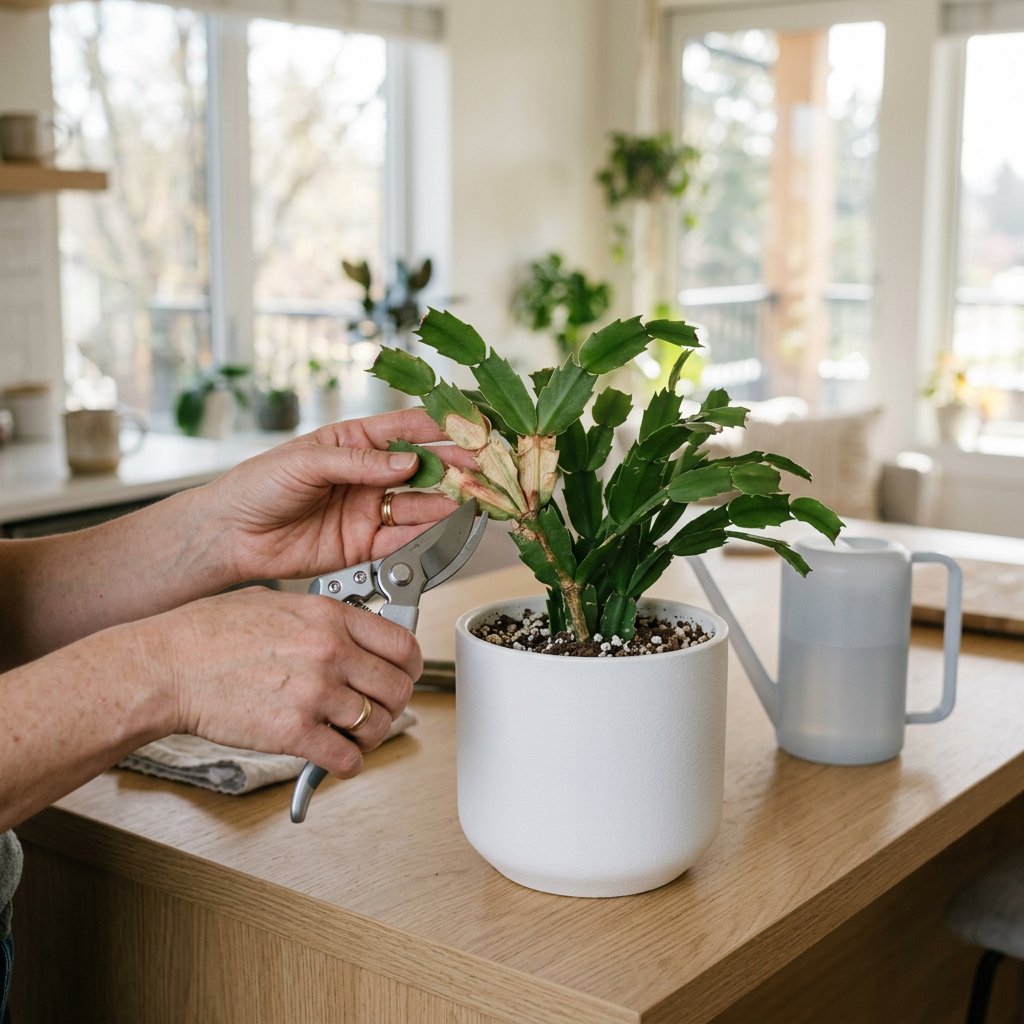
If your plant has slightly red or purple tips, leave them be! Once placed in proper lighting, this stress coloring will gradually fade back to green. However, completely brown, crispy, or heavily bleached segments will not recover and only drain the plant's energy.
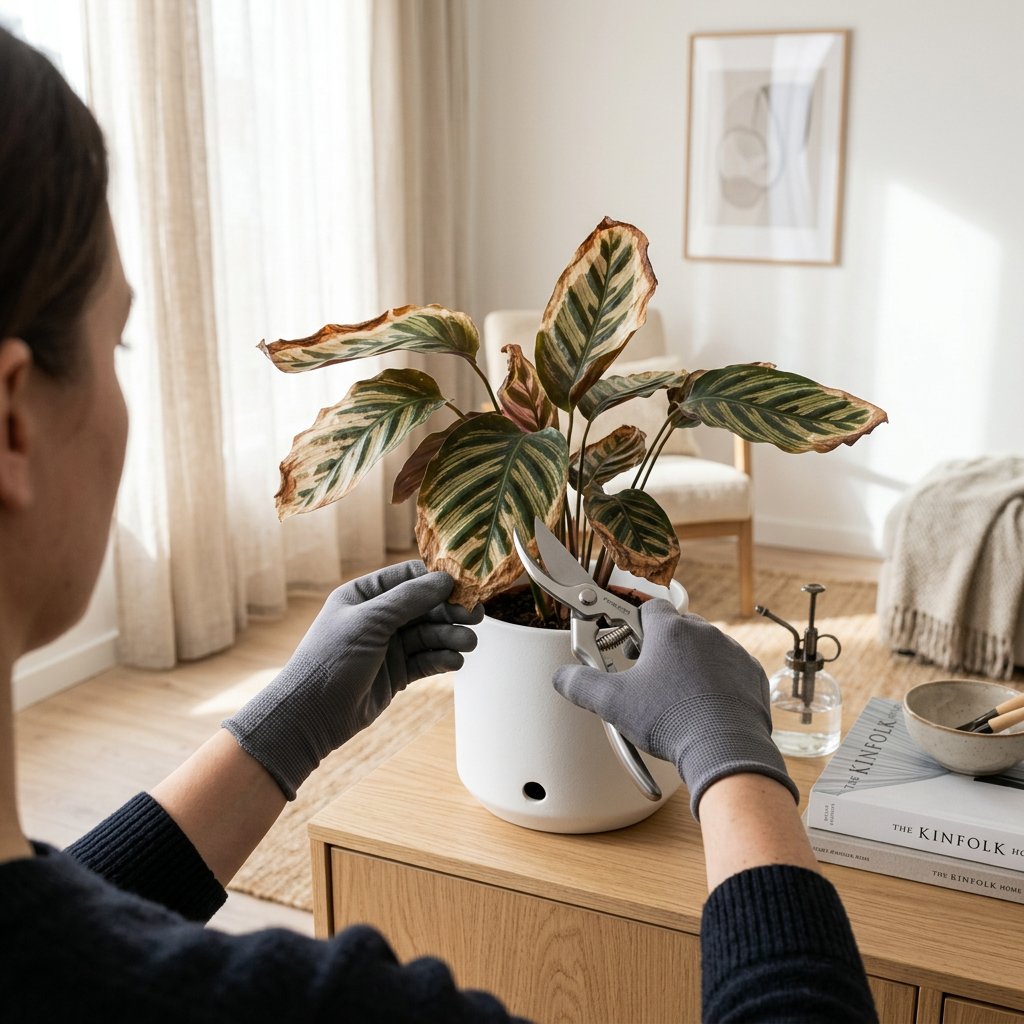
- How to prune: Gently pinch the base of the damaged segment where it connects to the rest of the plant, and carefully twist it off. Sterilized scissors can also be used. This redirects the plant's energy toward healing and pushing out new, healthy growth.
4. Pause the Fertilizer
It might be tempting to give your sick plant a boost of nutrients, but fertilizing a stressed plant can actually burn its roots. Wait until your Thanksgiving Cactus has fully stabilized and begins showing signs of new, green growth before reintroducing a diluted, balanced houseplant fertilizer.
5. Boost Humidity
Because they originate in rainforests, these plants love humidity. To help your cactus recover from the dry heat of a sunburn, you can place a humidifier nearby or set the plant pot on a pebble tray filled with water.
Plants are incredibly resilient, and your Thanksgiving Cactus is no exception. By making these few simple adjustments to its environment, your plant will bounce back in no time. Remember to check in on your leafy companions regularly, and don't forget to utilize your Plantiary app to keep your plant care routine completely stress-free!