It’s a heartbreaking moment for any plant parent: you look at your beloved Holiday Cactus, hoping for those stunning winter blooms, only to find its usually plump, vibrant foliage looking wrinkled, limp, and sad. First of all, take a deep breath and don't be too hard on yourself! Plant hiccups happen to the very best of us, and reviving a struggling plant is practically a rite of passage in the gardening world.
When it comes to Holiday Cacti—a group that includes the popular Thanksgiving, Christmas, and Easter cacti—shriveled leaves are an incredibly common issue. But this symptom leaves us with a tricky question: is your plant desperately thirsty, or is it suffering from root rot? Let’s get to the bottom of this mystery and nurse your festive beauty back to health.
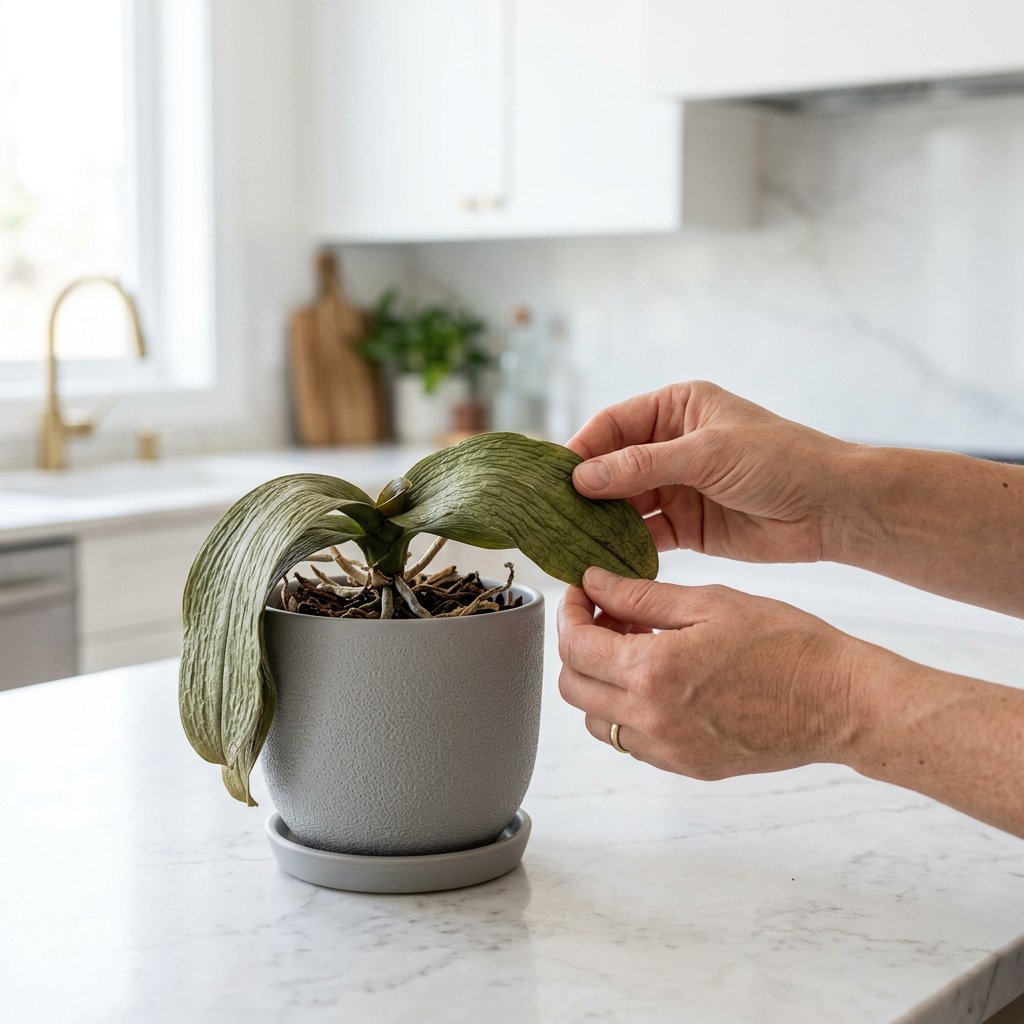
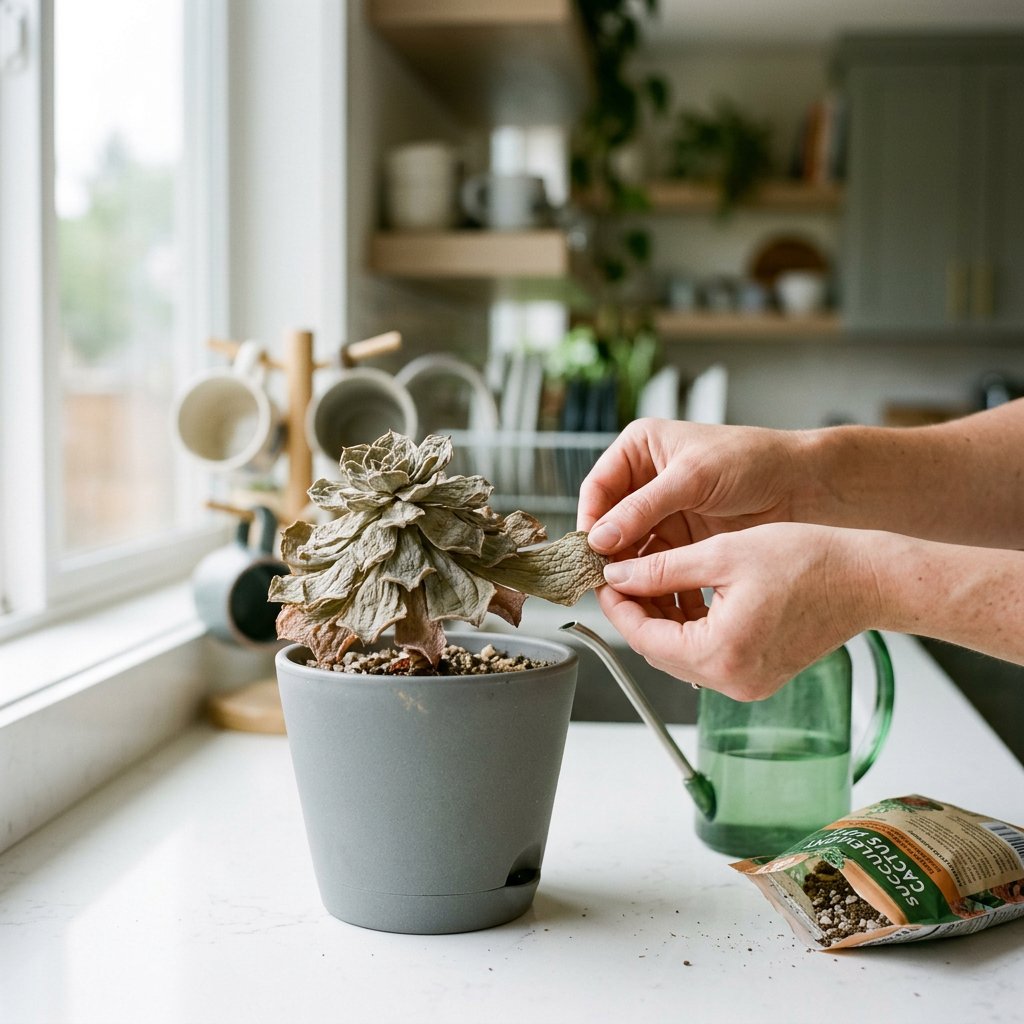
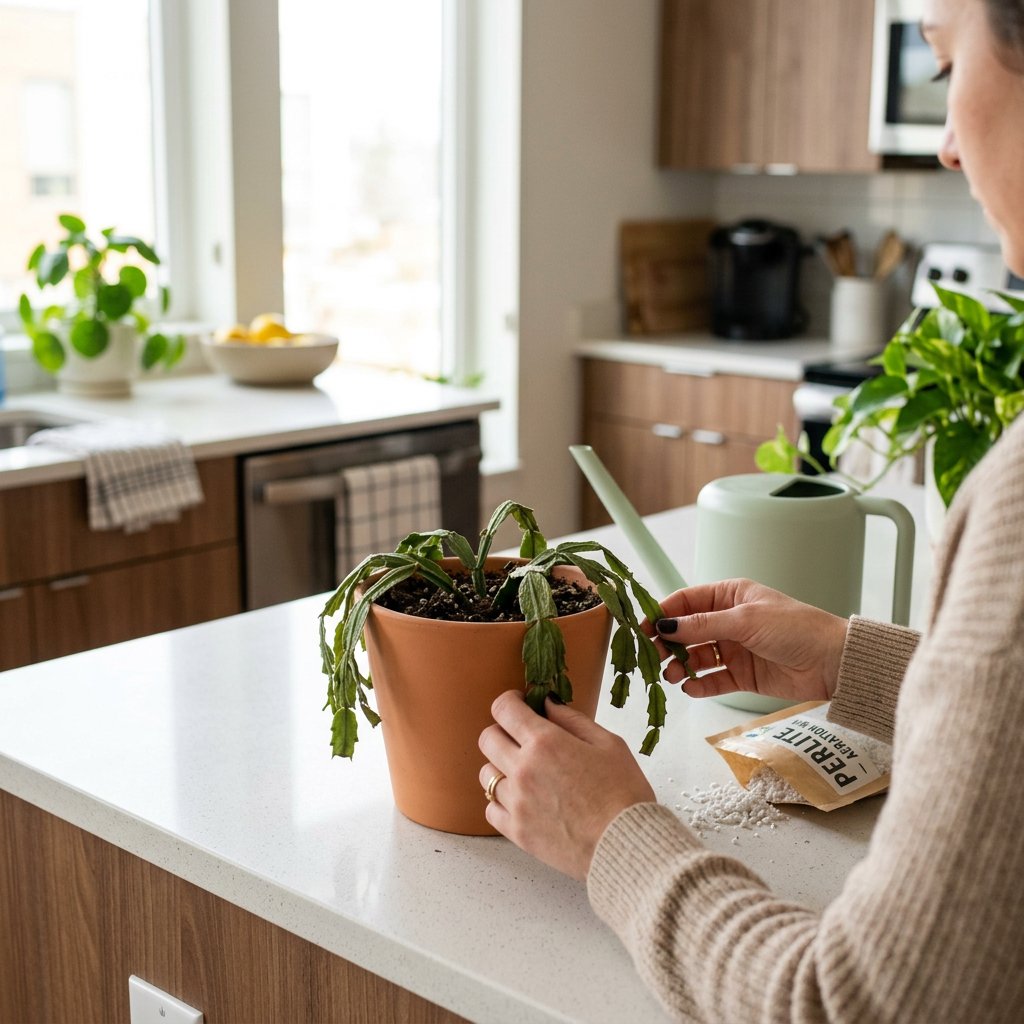
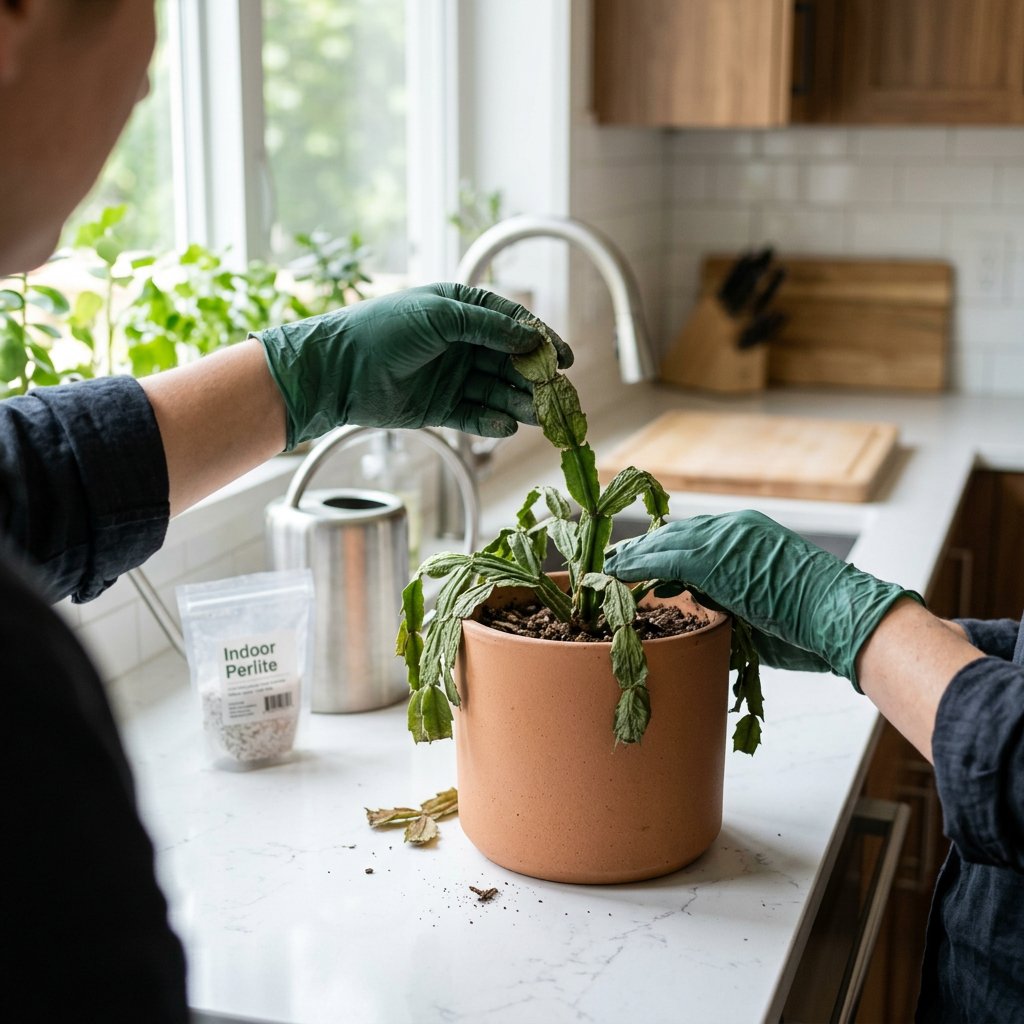
The Problem: Wrinkled, Limp Foliage
Holiday Cacti are not your typical desert cacti. They are epiphytes, meaning that in their natural tropical rainforest habitat, they grow on tree branches rather than in the sandy ground. Because of this, they store water in their leaf-like stem segments (properly called cladodes).
When a Holiday Cactus is healthy, these segments are thick, firm, and glossy. When things go wrong, you will notice:
- Deep wrinkles or puckering along the segments.
- Limp, drooping stems that lack their usual perky structure.
- A dull, grayish, or yellowish tint replacing their vibrant green color.
The Causes: The Thirst vs. Rot Paradox
Here is the most confusing part about a shriveled Holiday Cactus: both underwatering and overwatering cause the exact same visible symptoms.
How is that possible? It all comes down to hydration.
- If the plant is underwatered (Thirst): There is simply no water in the soil for the roots to drink. The plant begins to consume the water reserves stored in its leaves, causing them to deflate and shrivel.
- If the plant is overwatered (Root Rot): The soil stays soggy for too long, suffocating the roots. Without oxygen, the roots die and begin to rot. Because the roots are dead, they can no longer absorb water. Ironically, the plant dies of thirst while sitting in a puddle of water!
If you are unsure what is wrong with your plant, you can use the AI-powered plant disease scanner in the Plantiary app to get a diagnosis in seconds. It takes the guesswork out of plant care and points you in the right direction!
The Solutions: Step-by-Step Treatment
To fix your plant, we first need to play detective. Follow these steps to diagnose and treat your shriveled Holiday Cactus.
Step 1: Inspect the Soil Before you do anything, check the moisture of the potting mix. Push your finger about two inches into the soil.
- If the soil feels completely bone-dry and has pulled away from the sides of the pot, your plant is thirsty.
- If the soil feels wet, heavy, or smells a bit sour like a swamp, your plant is likely suffering from root rot.
Step 2: Treat for Thirst (Underwatering) If your plant is simply parched, the fix is easy and highly rewarding!
- Bottom water your plant: Place the nursery pot in a bowl or sink filled with a few inches of room-temperature water.
- Let the plant sit for 30 to 45 minutes to soak up moisture from the bottom through the drainage holes. This ensures the dry peat in the soil rehydrates completely.
- Remove the pot and let the excess water drain away completely. Your plant should start plumping up within 24 to 48 hours.
Step 3: Treat for Root Rot (Overwatering) If the soil is soggy, you need to act quickly to save the remaining healthy roots.
- Unpot the plant: Gently remove the cactus from its wet soil and rinse the roots under lukewarm water.
- Prune the rot: Sterilize a pair of scissors and trim away any roots that are dark brown, mushy, or slimy. Keep only the firm, white, or light tan roots.
- Repot in fresh soil: Repot your cactus in a fresh, well-draining epiphyte mix. A blend of regular potting soil, perlite, and orchid bark works beautifully. Ensure the new pot has drainage holes!
- Hold off on watering: Wait a few days before watering slightly to let the newly trimmed roots heal.
Step 4: Establish a Better Routine Going forward, allow the top two inches of soil to dry out completely before watering again. If you struggle to remember when to water, let the Plantiary app do the heavy lifting for you! You can set up customized care and watering reminders based on your plant’s specific needs and your local environment.
Seeing your Holiday Cactus shrivel up can be alarming, but with a little bit of investigation and some targeted TLC, you can easily bounce back from this minor setback. Happy growing!