Let’s be honest: seeing a bright yellow leaf popping up on your beloved Pothos can make your heart sink. Pothos (Epipremnum aureum) are famous for being incredibly resilient and low-maintenance, so when they start showing signs of distress, it is easy to feel like you have failed. But before you panic or feel guilty, take a deep breath! Plant parenting is a journey of trial and error, and yellowing leaves are a completely normal hurdle that happens to every plant parent at some point.
With a little bit of detective work, you can easily figure out what your trailing beauty is trying to tell you and get it back to its lush, green self.
The Problem: Understanding the Symptoms
In the botanical world, the yellowing of plant leaves is known as chlorosis. This simply means the leaf is losing its chlorophyll—the vital pigment that gives plants their green color and helps them convert sunlight into energy.
When your Pothos experiences chlorosis, you might notice a few different variations of the problem:
- Soft, mushy yellow leaves: Usually starting near the base of the soil.
- Dry, crispy yellow leaves: Often accompanied by brown, curled edges.
- A single yellow leaf on a long vine: Sometimes just a natural part of the plant's life cycle.
The Causes: Why is My Pothos Turning Yellow?
Plants cannot speak, so they use their leaves to communicate. Here are the most common reasons your Pothos is turning yellow:
- Overwatering (The #1 Culprit): We have all been guilty of loving our plants a little too much with the watering can. When soil stays soggy for too long, it suffocates the roots and leads to root rot (a fungal condition where roots decay and cannot absorb water or nutrients).
- Underwatering: On the flip side, if the soil becomes bone-dry for extended periods, the plant will sacrifice its older leaves to conserve moisture for the newest growth.
- Lighting Extremes: Pothos love bright, indirect light. If they are placed in harsh, direct sunlight, their leaves can scorch and turn a washed-out yellow. If they are in near-total darkness, they may drop leaves because they cannot photosynthesize enough energy to support them.
- Nutrient Deficiencies: A lack of essential nutrients, particularly nitrogen, can cause an overall pale, yellowing appearance across the plant.
- Natural Aging: If your plant is actively pushing out healthy new growth but occasionally drops a single yellow leaf near the soil line, do not worry! This is just natural aging. Plants shed their oldest leaves to direct energy to new vines.
The Solutions: Step-by-Step Treatment to Revive Your Pothos
Now that we know what might be causing the issue, let’s get to work! Follow these steps to treat your Pothos and prevent further yellowing.
Step 1: Check the soil moisture. Before doing anything else, stick your finger about two inches into the potting soil. If it feels wet and heavy, you are overwatering. If it feels like dry dust all the way through, you are underwatering.
Step 2: Inspect the root system (if overwatered). If the soil is soaking wet, gently pull the plant out of its pot. Healthy roots should be firm and white or light tan. If you see dark brown, mushy, or foul-smelling roots, you have root rot. Using sterilized scissors, trim away the rotted roots and repot the plant in fresh, well-draining soil mixed with perlite.
Step 3: Adjust your lighting. Evaluate where your plant is sitting. Move it away from hot, direct sunbeams that could be burning the foliage. If it is sitting in a windowless corner, move it closer to a bright window where it can receive gentle, indirect sunlight.
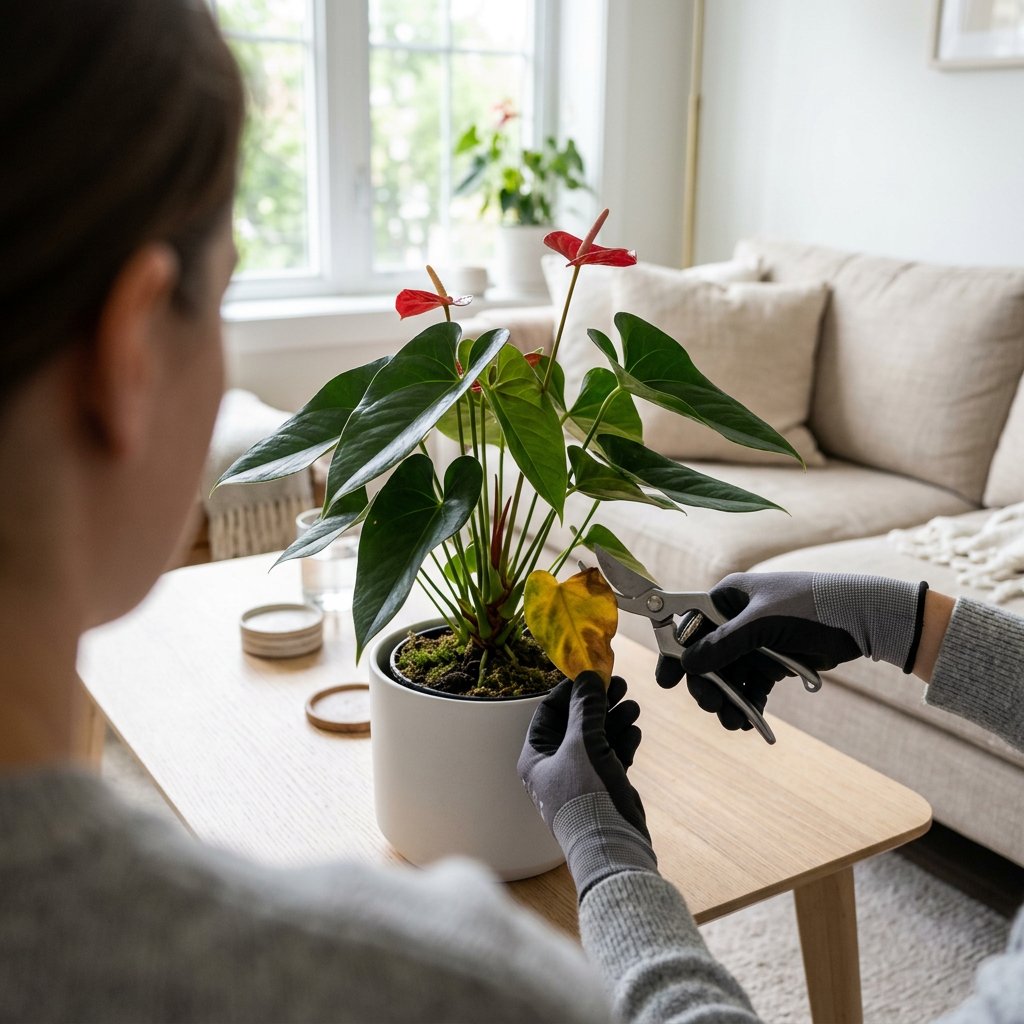
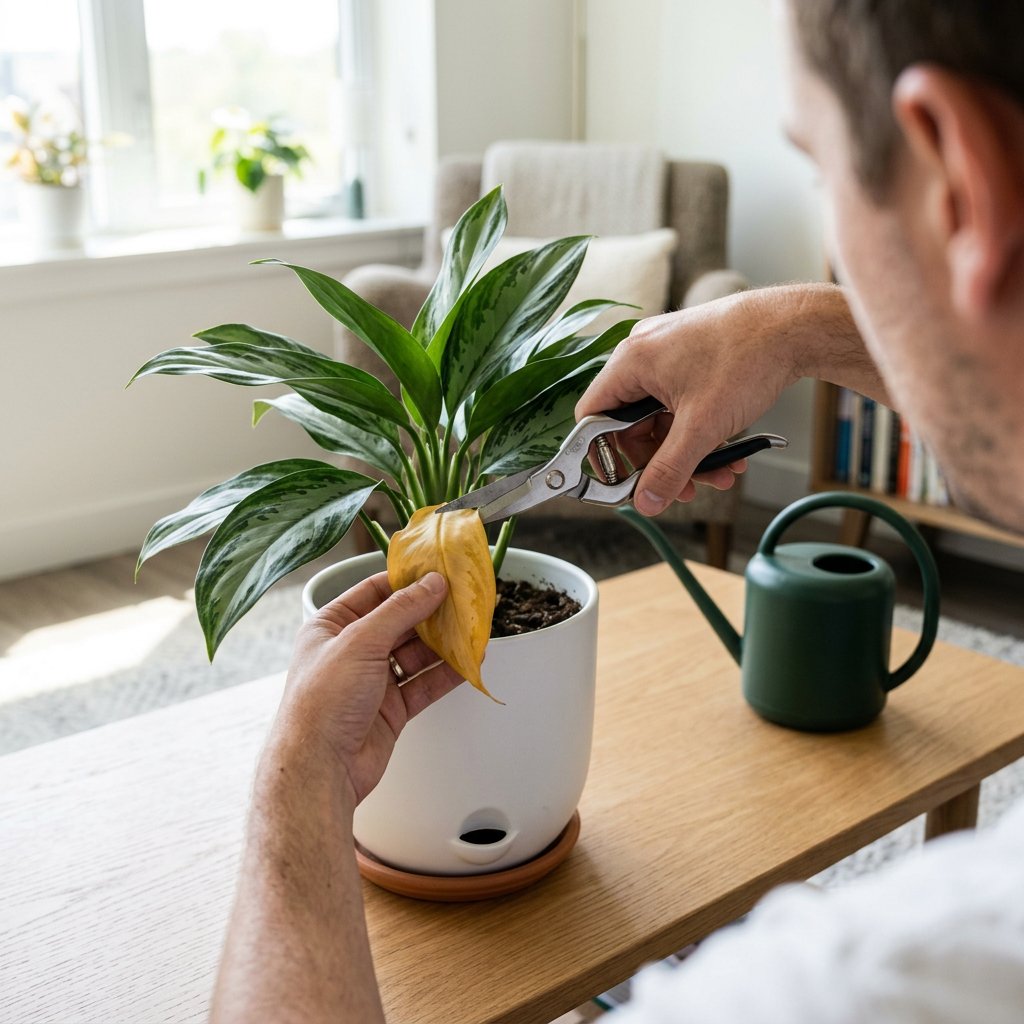
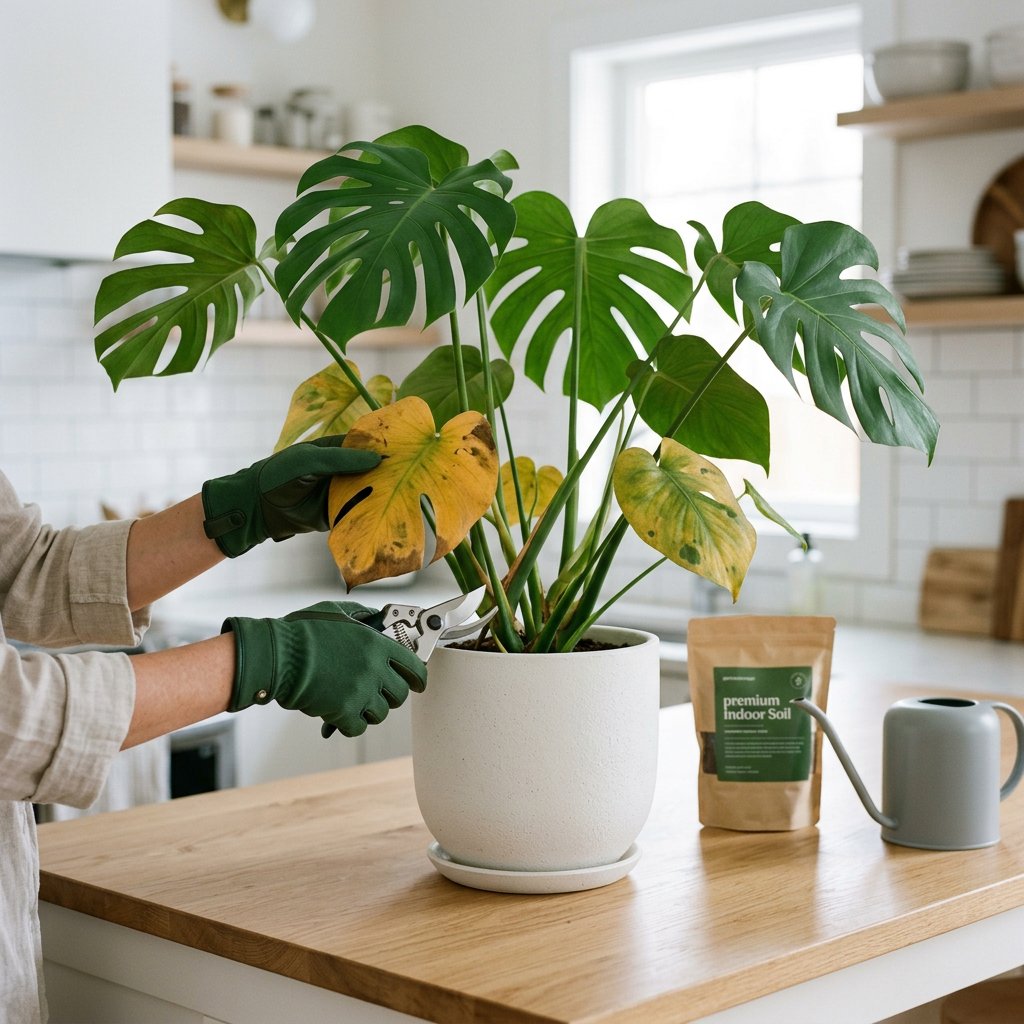
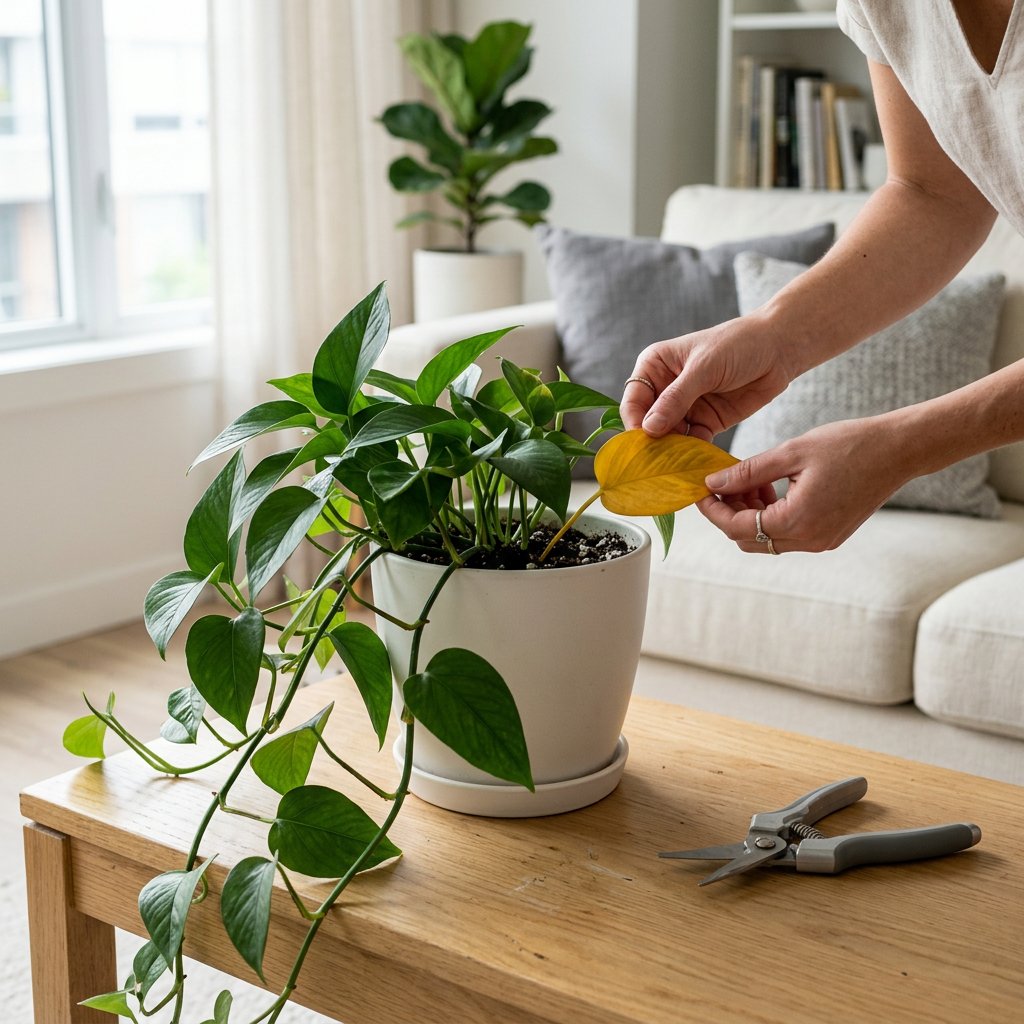
Step 4: Prune the yellow leaves. Once a leaf turns completely yellow, it will not turn green again. It is best to gently pull or snip these leaves off at the base of the stem. This instantly improves the look of your plant and redirects its energy toward producing healthy new foliage.
Step 5: Set up a consistent care routine. Water your Pothos only when the top two to three inches of soil are completely dry. To take the guesswork out of your routine, you can log your watering schedule in the Plantiary app to receive smart reminders exactly when your plant is thirsty!
You've Got This!
Remember, plants are incredibly forgiving, and Pothos are some of the toughest houseplants out there. By adjusting your watering habits and keeping an eye on their light, your plant will bounce back in no time.
If you are still unsure what is wrong with your plant, you can use the AI-powered plant disease scanner in the Plantiary app to snap a photo and get a highly accurate diagnosis and treatment plan in seconds!