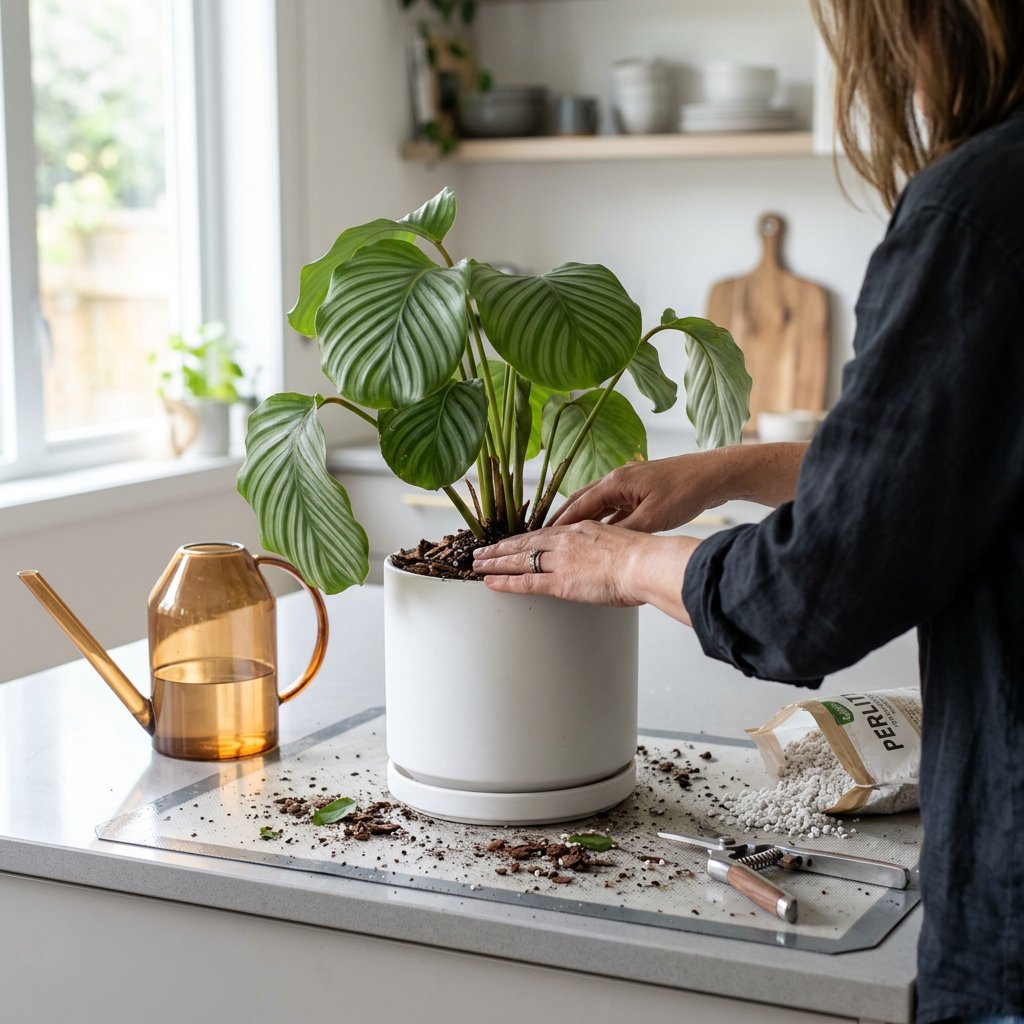
You’ve finally bought that gorgeous new ceramic pot, mixed up the perfect soil blend, and carefully moved your favorite houseplant into its spacious new home. You feel like a superstar plant parent—until the next morning. Suddenly, your previously perky plant looks sad, droopy, and completely limp.
Take a deep breath and please don't feel guilty! Seeing your plant wilt after you’ve just tried to give it a better life can be incredibly disheartening, but this is a completely normal reaction that happens to even the most experienced gardeners. Your green friend is simply experiencing something called "transplant shock." Let's dive into what this means and how you can nurse your plant back to vibrant health.
The Problem: Spotting Transplant Shock
Transplant shock is essentially a plant's physical reaction to the stress of being uprooted and moved. While humans might get a headache from the stress of moving to a new house, plants show their discomfort through their foliage. Keep an eye out for these tell-tale symptoms in the days following a repotting session:
- Severe drooping or wilting: The leaves and stems may look completely deflated, even if the soil is adequately moist.
- Yellowing leaves (Chlorosis): Chlorosis simply means a lack of chlorophyll, the green pigment in leaves. When stressed, a plant may stop producing chlorophyll, causing leaves to turn yellow.
- Sudden leaf drop: The plant might shed a few lower leaves. This is a survival mechanism to conserve energy and moisture.
- Crispy or curling edges: A sign that moisture isn't effectively traveling from the roots to the tips of the leaves.
The Causes: Why Do Plants Freak Out?
To understand how to fix the problem, we first need to know why it happens.
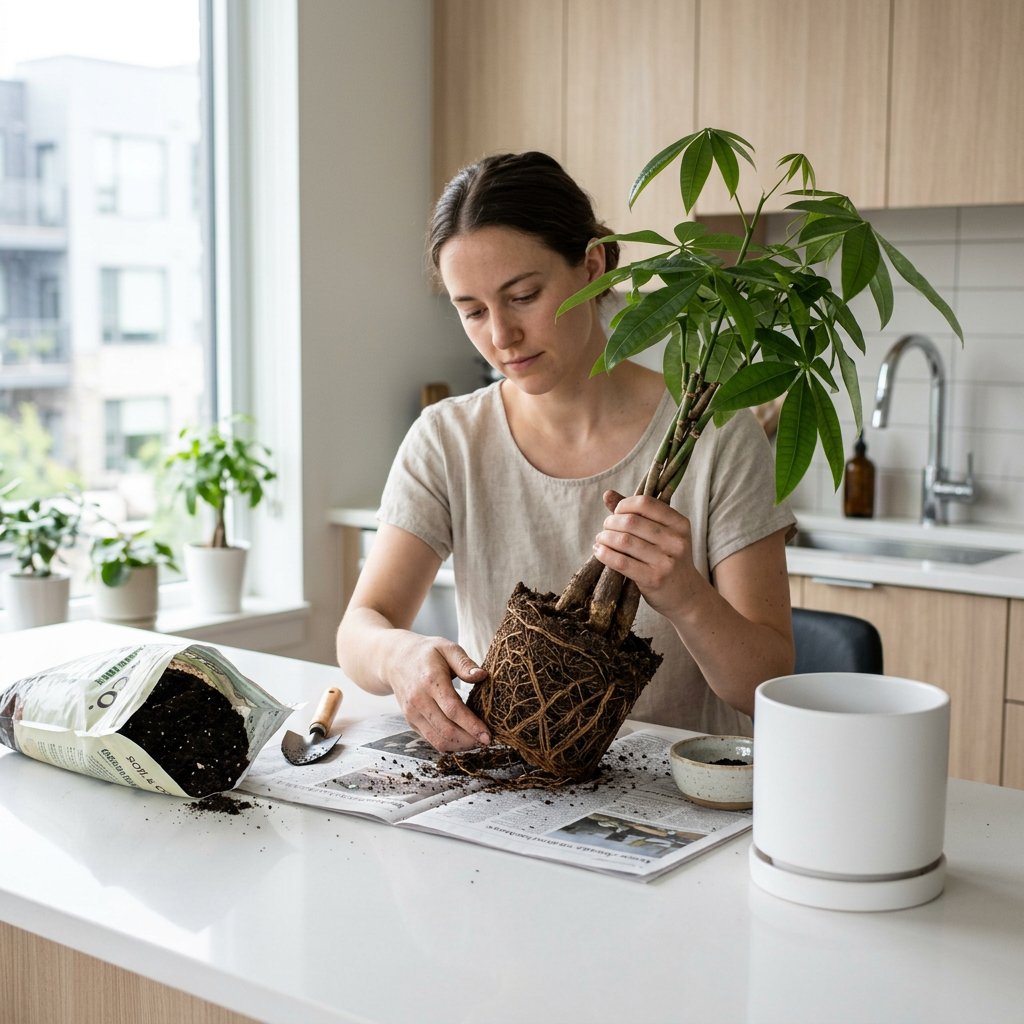
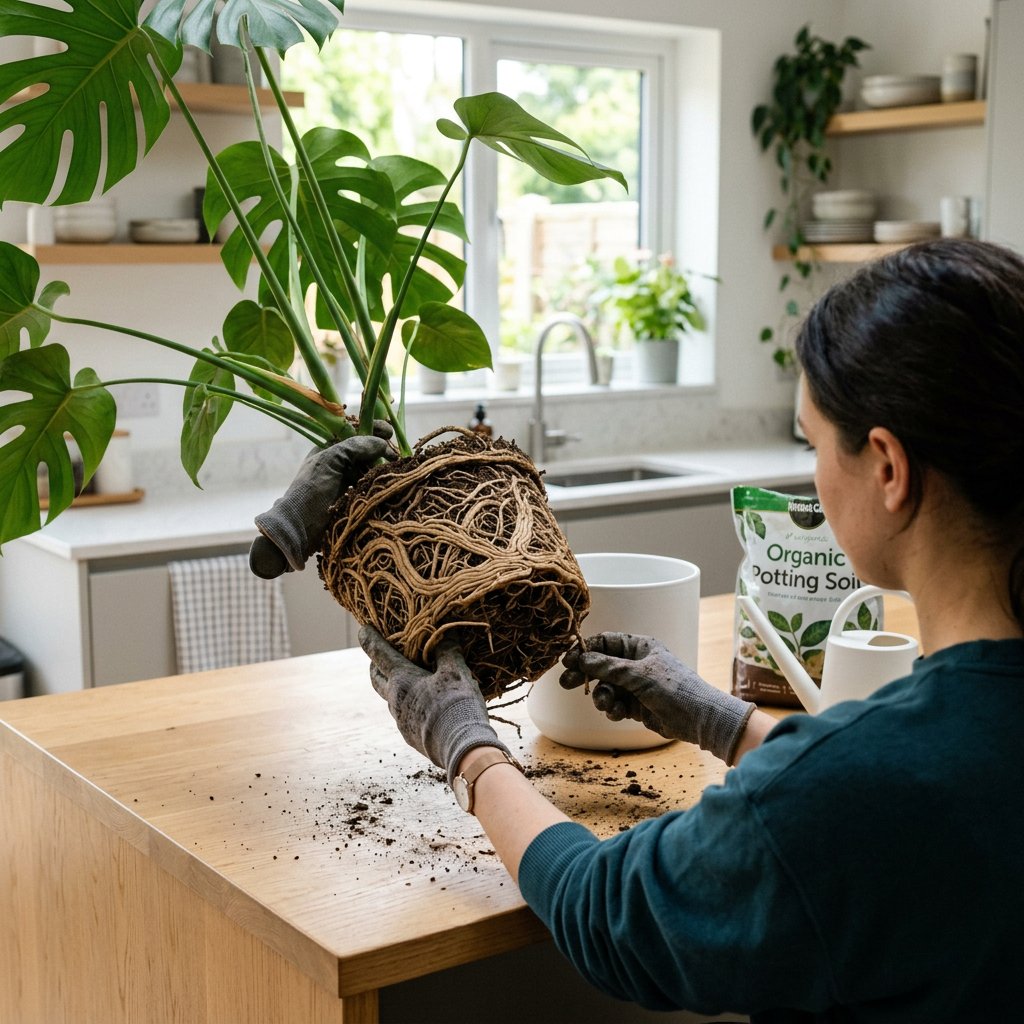
When you remove a plant from its old pot, you inevitably disturb the root system. Plants rely on microscopic structures called root hairs to absorb the vast majority of their water and nutrients. During repotting, these delicate root hairs often get damaged, torn, or exposed to dry air. Without these tiny hairs functioning at 100%, the plant temporarily loses its ability to hydrate itself properly, leading to that dramatic, sudden wilt.
Additionally, the sudden change in soil temperature, moisture levels, and overall environment sends the plant into a temporary state of shock.
If your plant is showing these symptoms but you haven't repotted recently, there might be another culprit at play. You can always use the AI-powered plant disease scanner in the Plantiary app to snap a photo and get an accurate diagnosis in seconds!
The Solutions: Step-by-Step Treatment
Now for the good news: the vast majority of houseplants will bounce back from transplant shock with a little time and TLC. Here is exactly how to help your plant recover.
Step 1: Be Patient and Resist the Urge to Tweak
The most common mistake plant parents make is panicking. Do not immediately un-pot the plant, move it to five different windows, or flood it with water. Moving the plant around will only cause more stress. Put it in a safe spot and let it rest.
Step 2: Provide Bright, Indirect Light
Keep your recovering plant out of harsh, direct sunlight. Direct sun increases transpiration (the process where a plant "sweats" or loses water vapor through its leaves). Because the damaged roots can't absorb water quickly enough to replace what is being lost, direct sun will make the wilting much worse. Place it in a spot with gentle, bright, indirect light.
Step 3: Keep Soil Moisture Consistent
Water the plant thoroughly after repotting to help the new soil settle around the roots and eliminate air pockets. After that, keep the soil slightly moist, but never soggy. Overwatering a stressed plant is a fast track to root rot. Check the top inch of the soil; if it feels dry to the touch, give it a gentle drink.
Step 4: Hold Off on Fertilizer
It might be tempting to give your sick-looking plant a boost of nutrients, but doing so will actually do more harm than good. Fertilizers contain salts that can easily burn freshly damaged root hairs. Wait at least 4 to 6 weeks after repotting before you resume your regular feeding schedule.
Step 5: Boost the Humidity
Because the roots are struggling to take up water, increasing the ambient humidity can help the leaves retain moisture and reduce transpiration. You can place a humidifier nearby, group your newly repotted plant with other houseplants, or place a clear plastic bag loosely over the top of the plant for a few days to create a mini-greenhouse effect.
You’ve Got This!
Transplant shock is just a small bump in the road, not the end of your plant's journey. By providing a peaceful, stable environment, those roots will heal and establish themselves before you know it. To take the guesswork out of your plant's recovery, be sure to set up custom watering schedules and care reminders in your Plantiary app. Happy planting, and remember—your plants love you for trying!