Have you ever checked on your beloved plant, only to discover strange, dusty orange spots ruining its beautiful green leaves? It can be a heart-sinking moment, but take a deep breath! Plant parenthood is a learning journey, and encountering a bump in the road—like rust fungus—happens to the very best of us. Rust is a highly common fungal issue that often looks much scarier than it actually is. With a little patience, some gentle care, and the right approach, your leafy friend can absolutely bounce back.
If you’re ever second-guessing those spots or worried about misdiagnosing your plant, you can always use the AI-powered plant disease scanner in the Plantiary app to get a rapid, reliable diagnosis in seconds. Once you know you are dealing with rust, here is exactly how to help your plant recover.
The Problem: Spotting the Symptoms of Rust Fungus
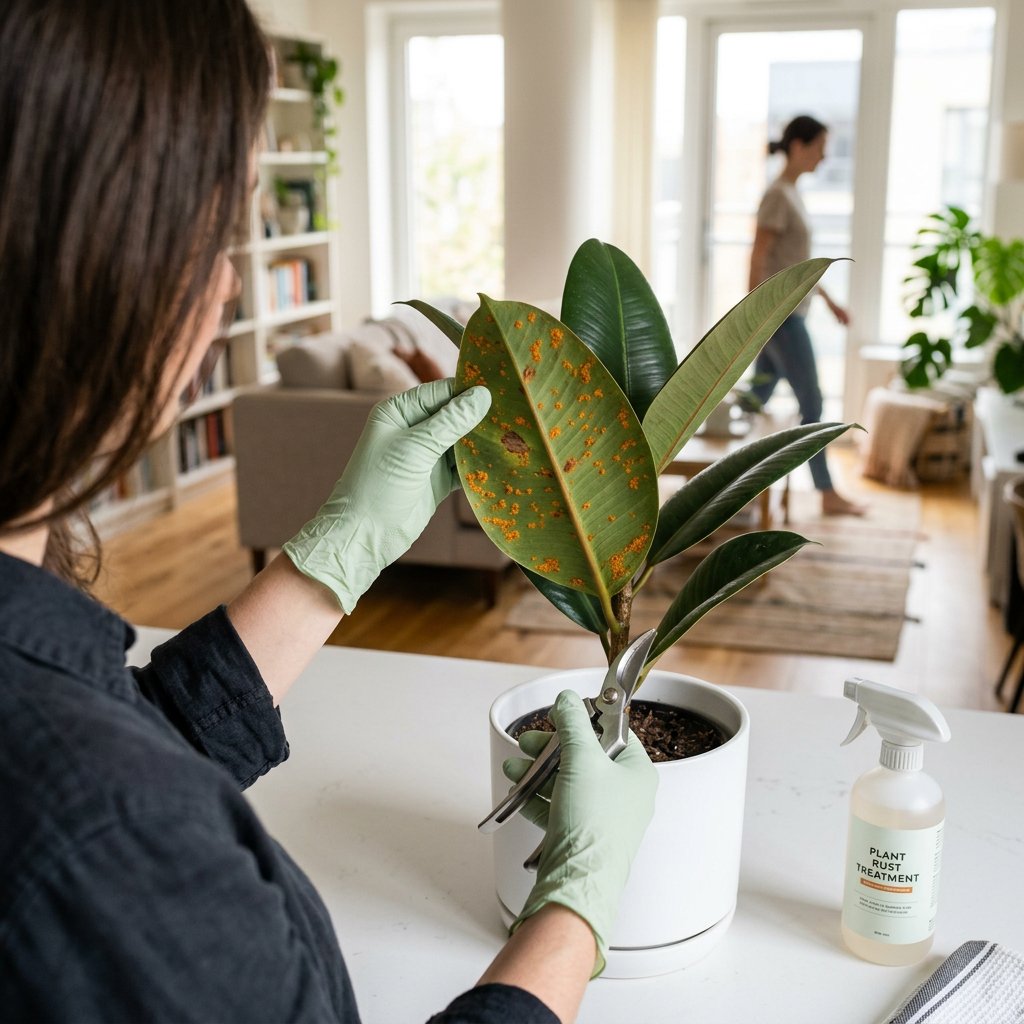
Rust fungus is relatively easy to identify because it looks exactly like its name suggests: like tiny patches of rusted metal on your plant. Here is what to look out for:
- Orange or Brown Bumps: You will notice small, powdery, rust-colored spots, usually clustered on the undersides of the leaves. These are called pustules (tiny, blister-like bumps), and they are entirely full of fungal spores.
- Yellowing Leaves: On the upper side of the infected leaf, directly above the pustules, you might see yellow or pale patches. This is a sign of chlorosis (the loss of the green pigment, chlorophyll, due to plant stress).
- Leaf Drop: If left untreated, the infected leaves may begin to shrivel, dry up, and fall off the plant prematurely.
The Causes: Why is Your Plant Seeing Orange?
Please don't feel guilty—rust fungus spores are microscopic survivalists that naturally float through the air or travel in splashing water. They simply landed on your plant and found the perfect environment to settle down. Rust thrives under three main conditions:
- Wet Foliage: Leaves that stay wet for prolonged periods (usually from overhead watering or rain) are a breeding ground for fungal spores.
- High Humidity: While many tropical plants love humidity, excessive moisture in the air without proper ventilation creates a sauna for fungi.
- Poor Airflow: Plants crammed too tightly together restrict the breeze, trapping moisture around the leaves.
The Solutions: Step-by-Step Rust Treatment
Treating rust fungus is all about stopping the spread and altering the plant's environment so the fungus can no longer survive. Follow these simple steps to nurse your plant back to health:
- Step 1: Isolate the Patient As soon as you notice the dusty orange spots, gently move the affected plant away from your healthy plants. Rust spreads incredibly fast through the air, so quarantine is your best first line of defense!
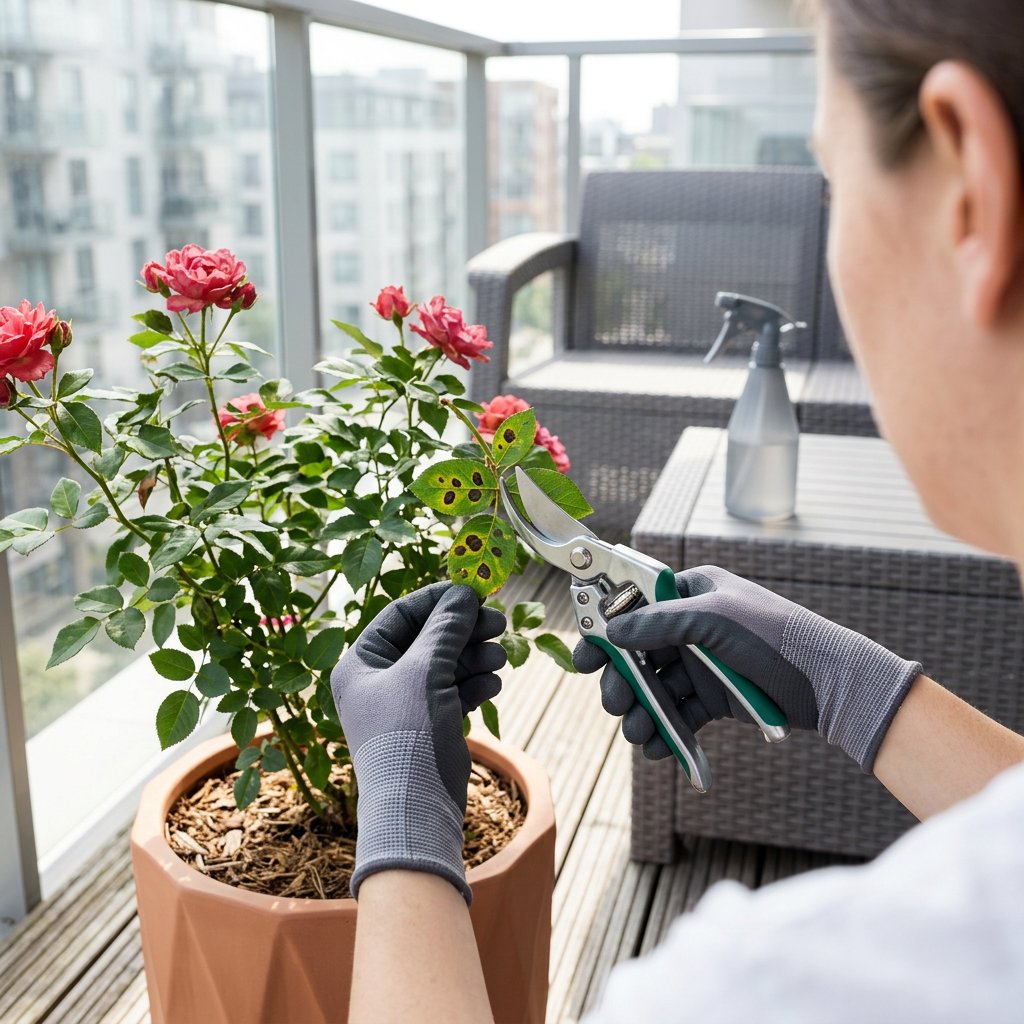
- Step 2: Prune the Infected Leaves Using sterilized pruning shears or scissors, carefully snip off the heavily infected leaves. Do not try to wipe the rust off, as this will only spread the spores. Important: Put the diseased leaves directly into a sealed plastic bag and throw them in the trash. Never put rust-infected leaves in your compost bin, or the fungus will survive and multiply.
- Step 3: Apply a Safe Fungicide Treatment Skip the unverified kitchen DIYs and stick to scientifically proven treatments. Spray the plant thoroughly (especially the undersides of the remaining leaves) with a copper-based fungicide or a sulfur fungicide. These are safe, highly effective options for stopping rust in its tracks. For a milder, organic preventative, a high-quality neem oil spray can also help disrupt the fungal life cycle.
- Step 4: Adjust Your Watering Habits Fungi need water to germinate. Change your routine by watering your plant directly at the soil level, completely avoiding the leaves. If your plant is outdoors, try to water early in the morning so the sun can evaporate any accidental splashes throughout the day.
- Step 5: Give Them Breathing Room Increase the air circulation around your plant. If it's indoors, turn on a gentle fan or open a window. If it's outdoors or in a crowded indoor jungle, space your pots out so air can flow freely between the leaves.
Dealing with a sick plant can feel stressful, but every challenge makes you a more experienced and confident plant parent! Keep an eye on your green friends, adjust their care as needed, and remember that the Plantiary app is always right in your pocket. From setting perfectly timed watering reminders to instantly diagnosing pesky fungal spots, Plantiary is here to help you and your indoor jungle thrive.