Walking out to your garden or checking your indoor sunroom only to find your beautiful citrus plant covered in a scary, black, ash-like powder can be a heartbreaking moment. You might feel like you did something wrong, but take a deep breath! Plant parenthood is a journey filled with learning curves, and encountering leaf issues happens to even the most experienced botanists. That dark coating is a very common condition known as sooty mold, and the good news is that your citrus tree can absolutely bounce back from it. If you ever feel overwhelmed by mysterious spots or discolorations, remember that you can always use the AI-powered plant disease scanner in the Plantiary app to get an instant diagnosis and put your mind at ease.
Let's break down exactly what this dark powder is, why it appeared on your citrus leaves, and the simple, scientifically-backed steps you can take to banish it for good.
The Problem: Recognizing Sooty Mold
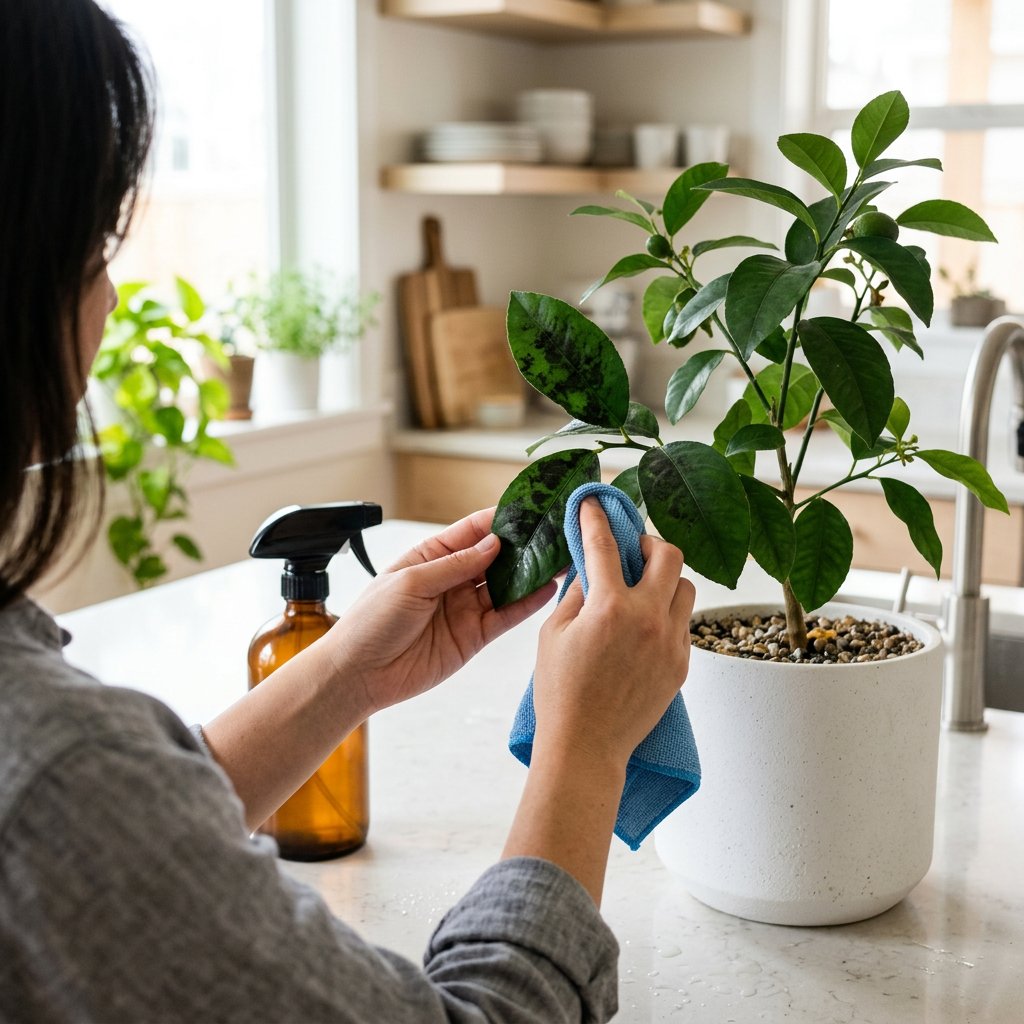
Sooty mold looks exactly like its name suggests: a dark, powdery, soot-like substance coating the surface of your plant’s leaves, stems, and sometimes even the fruit.
Common symptoms include:
- A layer of black or dark gray crust that easily rubs off on your fingers.
- Sticky leaves beneath the black powder.
- A general slow-down in your citrus plant's growth.
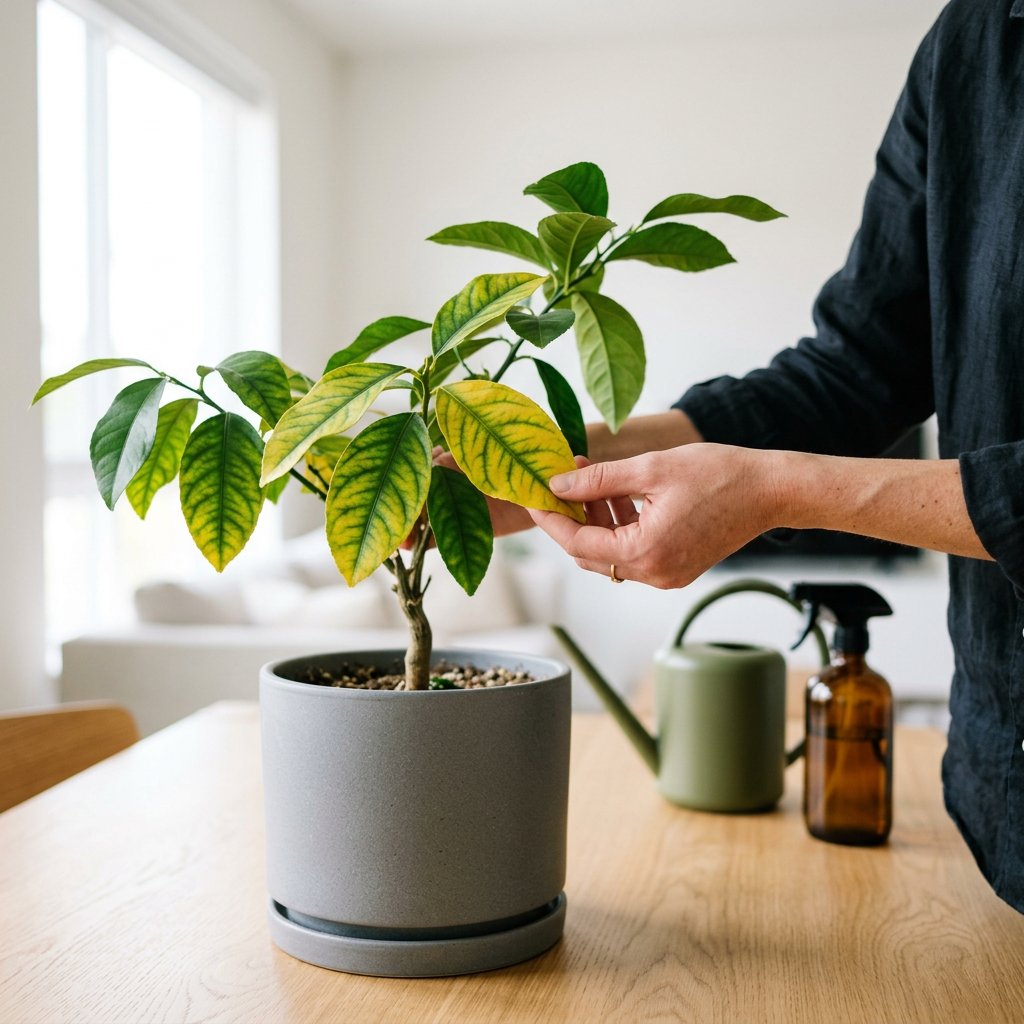
- Yellowing leaves (known as chlorosis, which simply means the leaf is losing its green chlorophyll).
Here is the most reassuring fact: sooty mold is not actually a plant disease that eats your citrus tree's tissue! It is an opportunistic fungus. However, if left untreated, the thick black layer will block sunlight. This prevents the plant from performing photosynthesis (the process of turning light into food), which can eventually weaken your beloved tree.
The Causes: Where Does the Black Powder Come From?
To cure sooty mold, we have to look for the real culprits, which are actually hiding right in plain sight. Sooty mold is the result of a pest infestation.
Sap-sucking insects—specifically aphids, whiteflies, mealybugs, and scale insects—love to feast on the nutrient-rich sap of citrus plants. As these bugs feed, they excrete a sticky, sugary liquid waste called honeydew.
When this sugary honeydew coats your citrus leaves, airborne sooty mold spores land on it and think, "What a perfect, sweet place to grow!" The fungus feeds entirely on the honeydew, not the leaf itself. Therefore, to get rid of the mold, we must evict the bugs.
The Solutions: Step-by-Step Treatment
Treating sooty mold is a two-part process: you must eliminate the pest creating the honeydew, and then gently clean up the leftover fungus. Put away the harsh household chemicals—we only need safe, proven methods to get your citrus plant thriving again.
Step 1: Identify and Evict the Pests
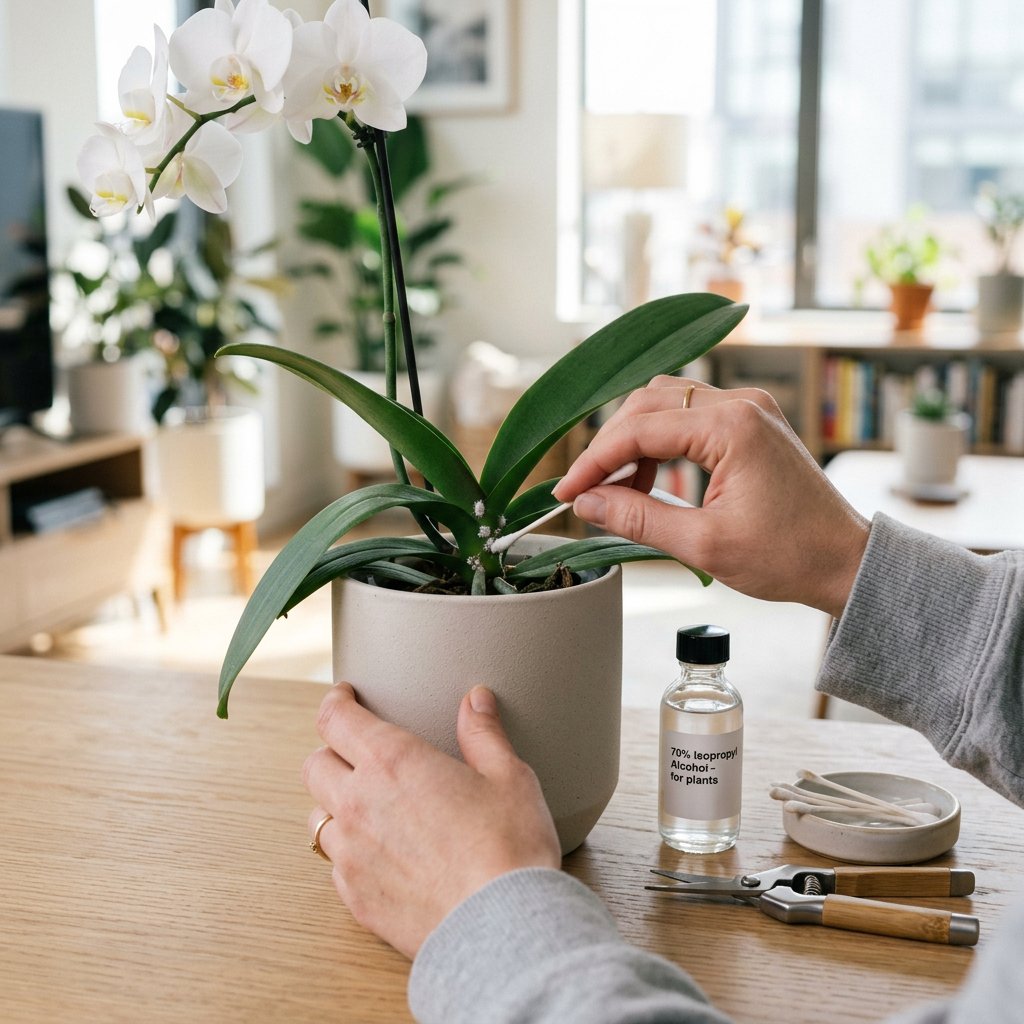
You cannot wash away sooty mold permanently until the bugs are gone. Inspect the undersides of the leaves and the stems of your citrus plant.
- If you see tiny bugs or hard, barnacle-like bumps (scale), spray the plant thoroughly with an organic insecticidal soap or horticultural neem oil.
- These natural treatments coat the insects and disrupt their life cycle without harming your plant. Follow the instructions on the bottle, usually spraying once a week until the pests vanish.
Step 2: Wash the Leaves
Once the pests are treated, it is time to give your plant a spa day!
- For outdoor citrus trees, use a hose with a gentle spray nozzle to literally wash the sooty mold off the leaves.
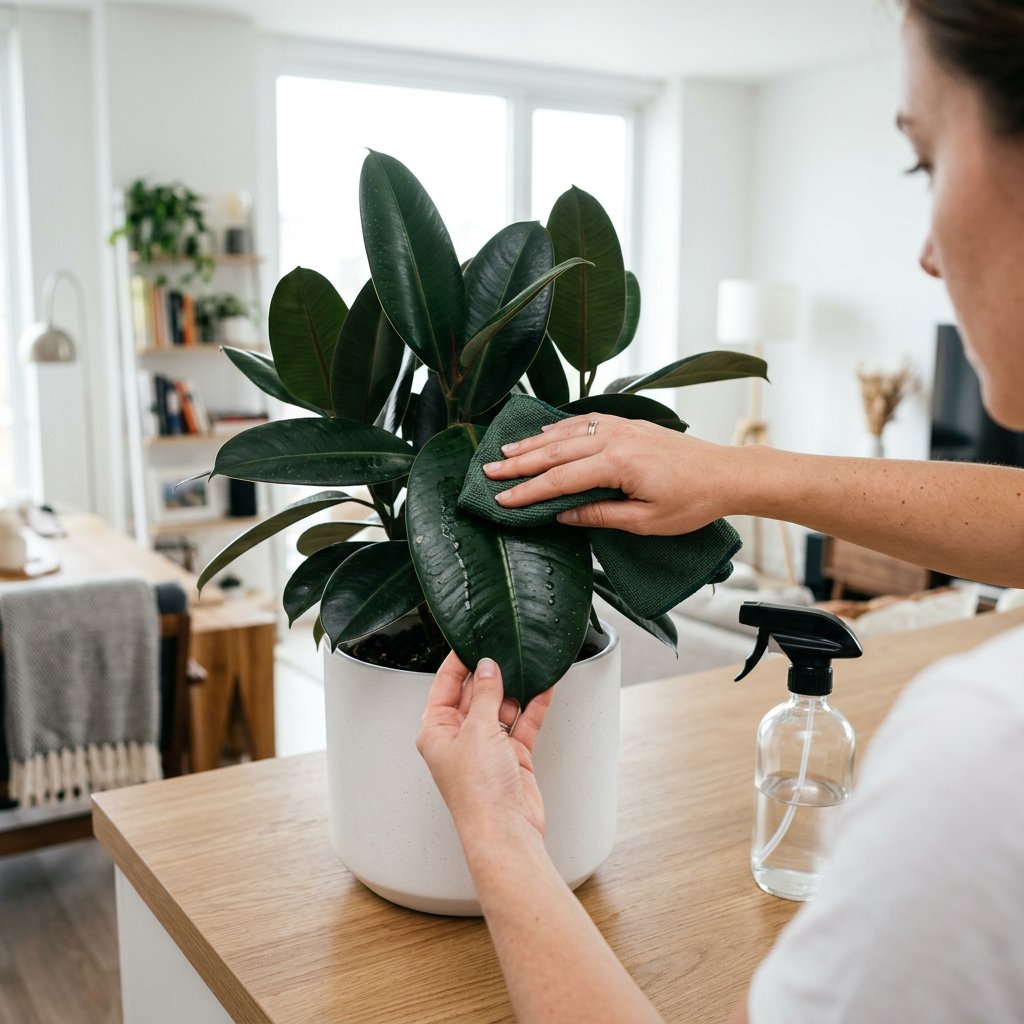
- For indoor potted citrus plants, take them to the shower or use a damp, soft microfiber cloth with a tiny drop of mild, additive-free dish soap mixed into a quart of warm water. Gently wipe the black mold away. Never scrub too hard, as you don't want to damage the leaf surface.
Step 3: Prune Unsalvageable Foliage
If a few leaves are completely heavily encrusted, entirely yellow, or dead, go ahead and snip them off with sterilized pruning shears. This helps the plant redirect its energy toward pushing out fresh, healthy green growth rather than trying to sustain dying foliage.
Step 4: Monitor and Prevent
The best treatment is prevention. Keep your citrus tree healthy by ensuring it gets plenty of bright sunlight and proper drainage. Healthy plants are naturally more resilient to pests!
To stay on top of your plant care routine, you can use the Plantiary app to set up customized watering, fertilizing, and health-check reminders. By checking your citrus leaves routinely, you can spot the sticky honeydew or tiny pests long before the sooty mold ever has a chance to move in.
Remember, seeing a bit of mold or a few pests doesn't make you a bad plant parent. It just means your plant needs a little extra love and attention. Stick to these gentle, proven steps, and your citrus tree will be pushing out glossy, green, mold-free leaves in no time!