Have you ever noticed tiny, flat, brown bumps on your favorite houseplant's stems or leaves? You try to wipe them away, but they seem glued on. Don't panic, and definitely don't feel guilty! Every plant parent—even the most experienced botanists—will face a pest issue at some point. Those stubborn little bumps are likely scale insects.
While they can be a bit intimidating to deal with, treating them is entirely possible with a little patience and the right approach. Let's walk through how to identify, understand, and safely banish scale from your indoor jungle.
The Problem: Identifying Scale Symptoms
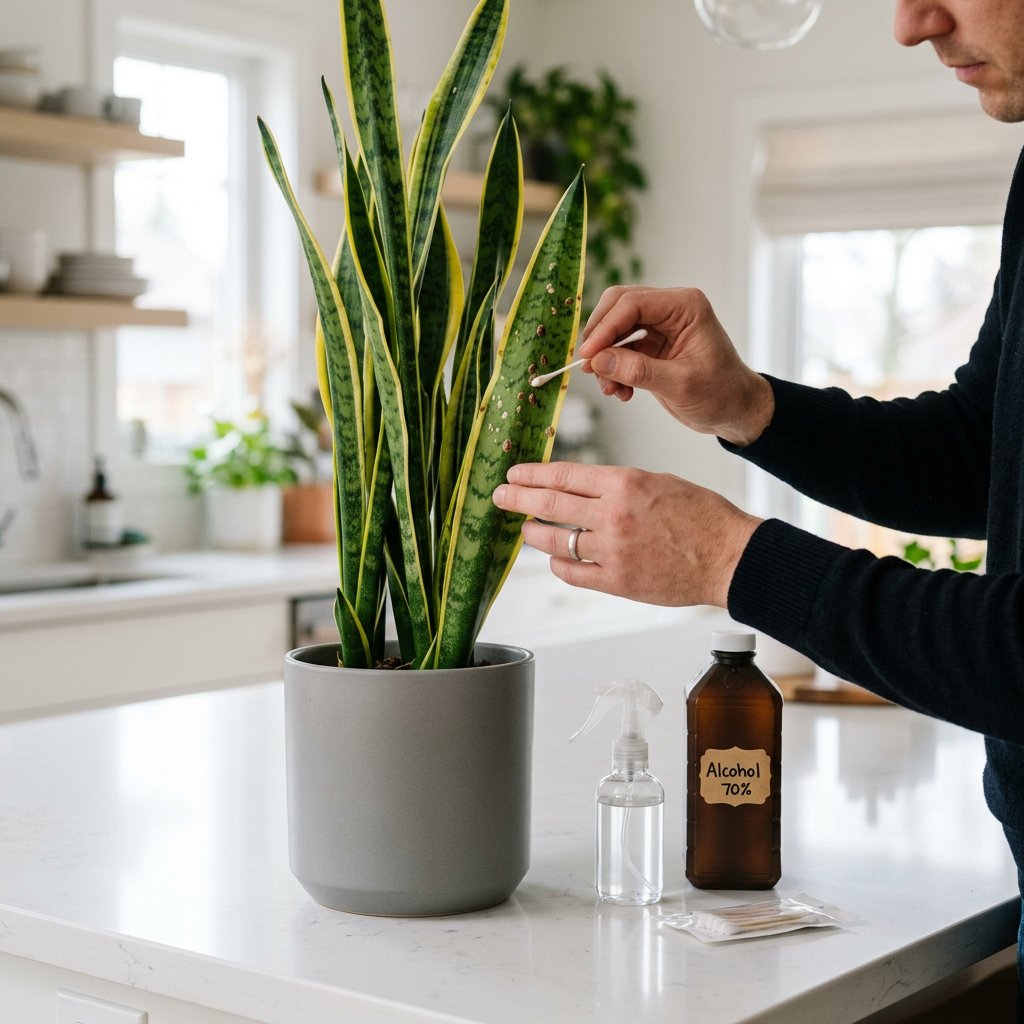
Scale insects are tricky because they don't look like typical bugs. They lack visible legs or antennae, often resembling tiny scabs, seeds, or natural woody growths on the plant. Here is what to look out for:
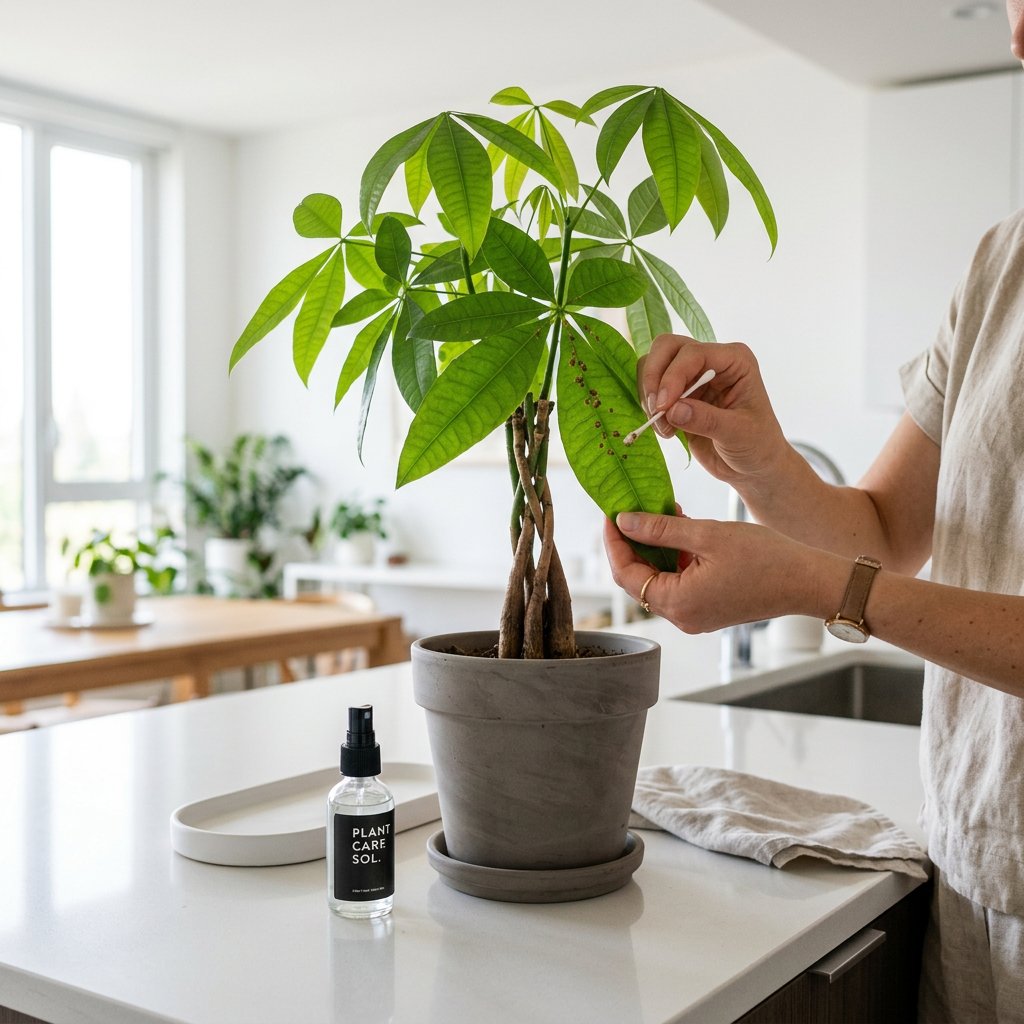
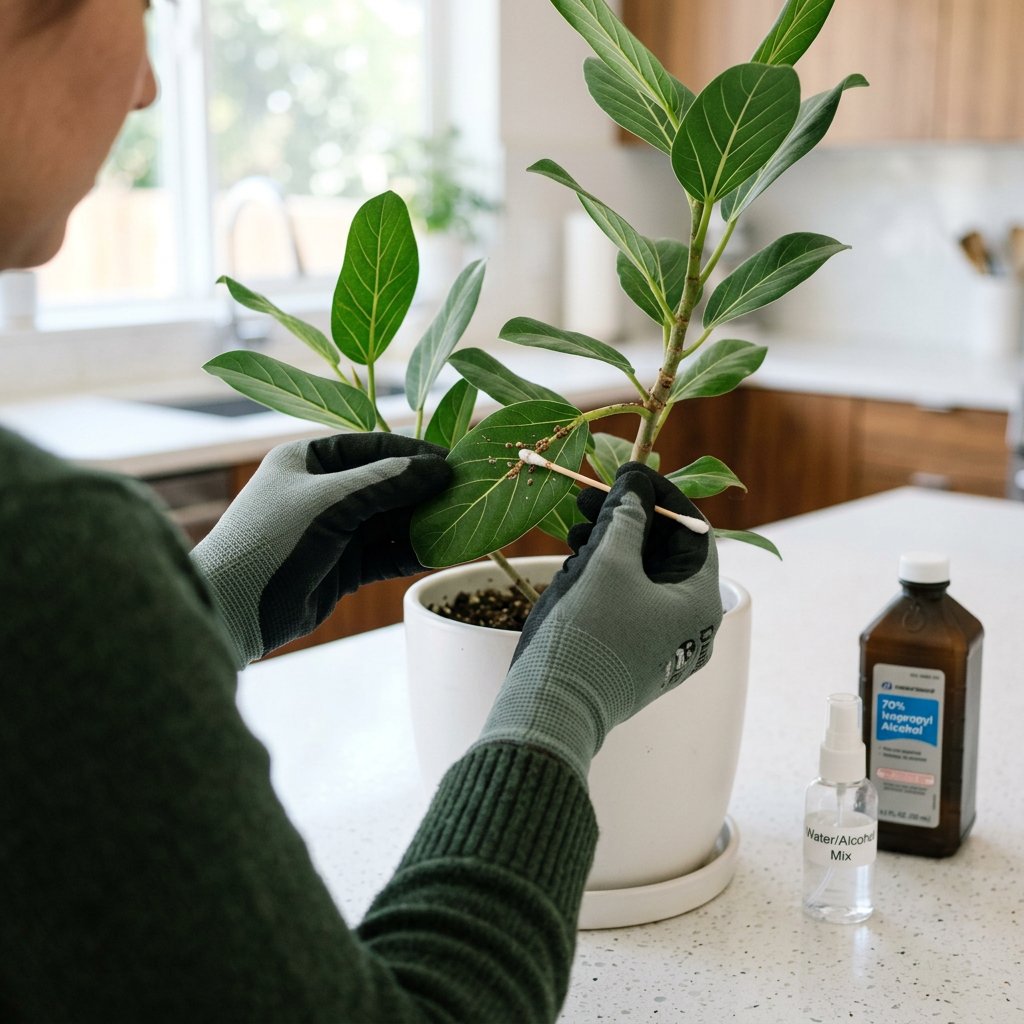
- Immobile brown or tan bumps: These are the adult scale insects. You will usually find them clustered on stems or lining the undersides of leaf veins.
- Honeydew: A sticky, shiny residue on the leaves or surrounding furniture. Scale insects excrete this sugary substance after feeding on your plant's sap.
- Sooty mold: A black, powdery fungus that often grows directly on top of the sticky honeydew.
- Chlorosis: This is the botanical term for yellowing leaves caused by a lack of chlorophyll. As scale insects drain the plant's vital sap, the leaves lose their green color, wilt, and eventually drop off.
Pro Tip: If you are unsure what is wrong with your plant, you can use the AI-powered plant disease scanner in the Plantiary app to get a fast, accurate diagnosis in seconds!
The Causes: Where Did Scale Come From?
You might be wondering how these stationary pests found their way into your home. Scale insects are opportunistic, and they usually arrive via:
- New plant additions: It is very common for scale to hitch a ride from a nursery or garden center.
- Summer vacations: Bringing your houseplants outdoors for the summer exposes them to natural, outdoor pest populations.
- Open windows: Though less common, a gentle breeze can blow young, microscopic scale insects (called "crawlers") indoors through open windows.
- Plant stress: Plants that are overwatered, underwatered, or lacking proper light are naturally more susceptible to infestations.
The Solutions: How to Treat Scale Step-by-Step
Getting rid of scale requires persistence because their hard, armor-like shells protect them from many standard pest sprays. We need to break down that defense using scientifically proven, safe methods.
Step 1: Isolate the affected plant As soon as you spot scale, move the plant away from your healthy greenery. This prevents the microscopic crawlers from spreading to your other beloved houseplants.
Step 2: Prune heavily infested areas If a particular branch or leaf is completely covered in brown bumps and severely yellowed, it is often best to simply cut it off. Dispose of the clippings in a sealed trash bag immediately.
Step 3: Manually remove the adults Because adult scale insects have a waxy shield, sprays alone won't penetrate them. Dip a cotton swab or a soft toothbrush in 70% isopropyl (rubbing) alcohol and gently dab or scrub the brown bumps. The alcohol dissolves their protective shell and neutralizes them on contact.
Step 4: Apply insecticidal soap or neem oil Once you have removed the visible adults, you must treat the plant to eliminate any invisible, newly hatched crawlers. Spray the foliage and stems thoroughly with a commercially prepared insecticidal soap or a horticultural neem oil spray. Note: Always apply these treatments in the evening or away from direct sunlight, as oils can cause the leaves to burn when exposed to bright rays.
Step 5: Repeat the process Scale life cycles are stubborn. You will need to repeat the neem oil or insecticidal soap treatment every 7 to 10 days for about a month to ensure you catch every new generation of crawlers.
Keep Your Head Up!
Battling pests is simply a right of passage in the plant world. Do not be discouraged if it takes a few weeks to see complete improvement; plant recovery is a marathon, not a sprint. To easily stay on top of your ongoing treatment schedule, you can set custom care reminders in your Plantiary app. Keep monitoring, stick to your routine, and your plant will be back to pushing out vibrant, healthy new growth in no time!