Snake plants (Dracaena trifasciata, formerly Sansevieria) are famous for being almost indestructible. They tolerate low light, missed waterings, and general neglect with absolute grace. So, finding weird brown bumps on your beloved plant's stiff, sword-like leaves can feel incredibly discouraging. Take a deep breath! Plant pests happen to literally every plant parent, no matter how experienced you are.
If your snake plant is suddenly looking sticky, yellow, or covered in tiny scabs, you might be dealing with scale insects. Let's walk through exactly what these sneaky pests are and how to safely banish them. And remember, if you are ever unsure what is wrong with your plant, you can use the AI-powered plant disease scanner in the Plantiary app to get a diagnosis and treatment plan in seconds!
The Problem: Identifying Scale on Snake Plants
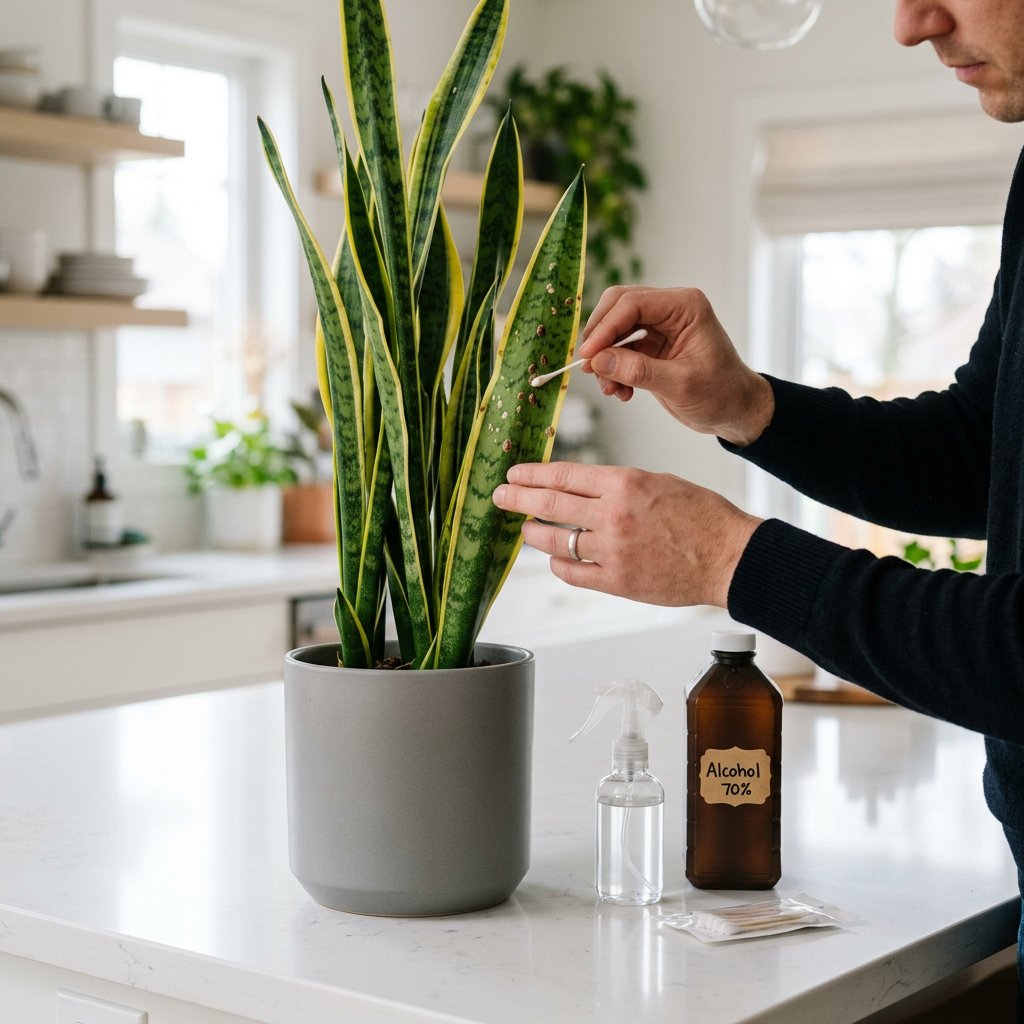
Scale insects are masters of disguise in the botanical world. Unlike typical bugs that scurry around, adult scale insects possess a hard, dome-like outer shell and attach themselves firmly to your plant's leaves. They often look more like a strange plant disease or natural scabs than living insects.
Key symptoms to watch for:
- Brown or tan bumps: Look for small, raised, oval-shaped discs firmly attached to the leaves. On snake plants, they love to cluster near the base or hide in the tight crevices where the leaves meet.
- Sticky residue: As scale insects feed on your plant's sap, they excrete a sticky, sugary substance called honeydew. If your plant feels like it has syrup on it, pests are likely the culprit.
- Black soot: If honeydew is left untreated, it can attract a fungal issue called sooty mold, which looks like a dusting of black ash on the leaves.
- Chlorosis (Yellowing): Because these pests literally suck the life and nutrients out of your plant, you may notice chlorosis—a botanical term that simply means the yellowing of leaf tissue due to a lack of chlorophyll.
The Causes: Where Did They Come From?
You might be wondering how your strictly indoor snake plant suddenly got an infestation. Please don't blame yourself! Scale insects are notorious hitchhikers.
Common culprits include:
- Bringing home new plants: The most common way scale enters a home is on a newly purchased plant from a nursery or grocery store.
- Outdoor vacations: If you put your snake plant outside for the summer to soak up some extra sun, scale insects from the garden might have hopped on for a ride indoors.
- Stressed conditions: Plants that are stressed from improper care—like severe overwatering or existing in a dark, windowless corner—have weakened immune systems. This makes them an easy, attractive target for opportunistic pests.
The Solutions: Step-by-Step Treatment for Scale
Because adult scale insects have a hard, waxy armor, standard insecticidal sprays often bounce right off them. We need a targeted, scientifically proven approach to break down their defenses. Grab your supplies, and let's nurse your snake plant back to health.
Step 1: Isolate the Plant Immediately move your snake plant to a separate room, away from your other houseplants. Scale insects can easily crawl to neighboring pots when they are in their microscopic juvenile stage (known as crawlers), so a strict quarantine is essential to stop the spread.
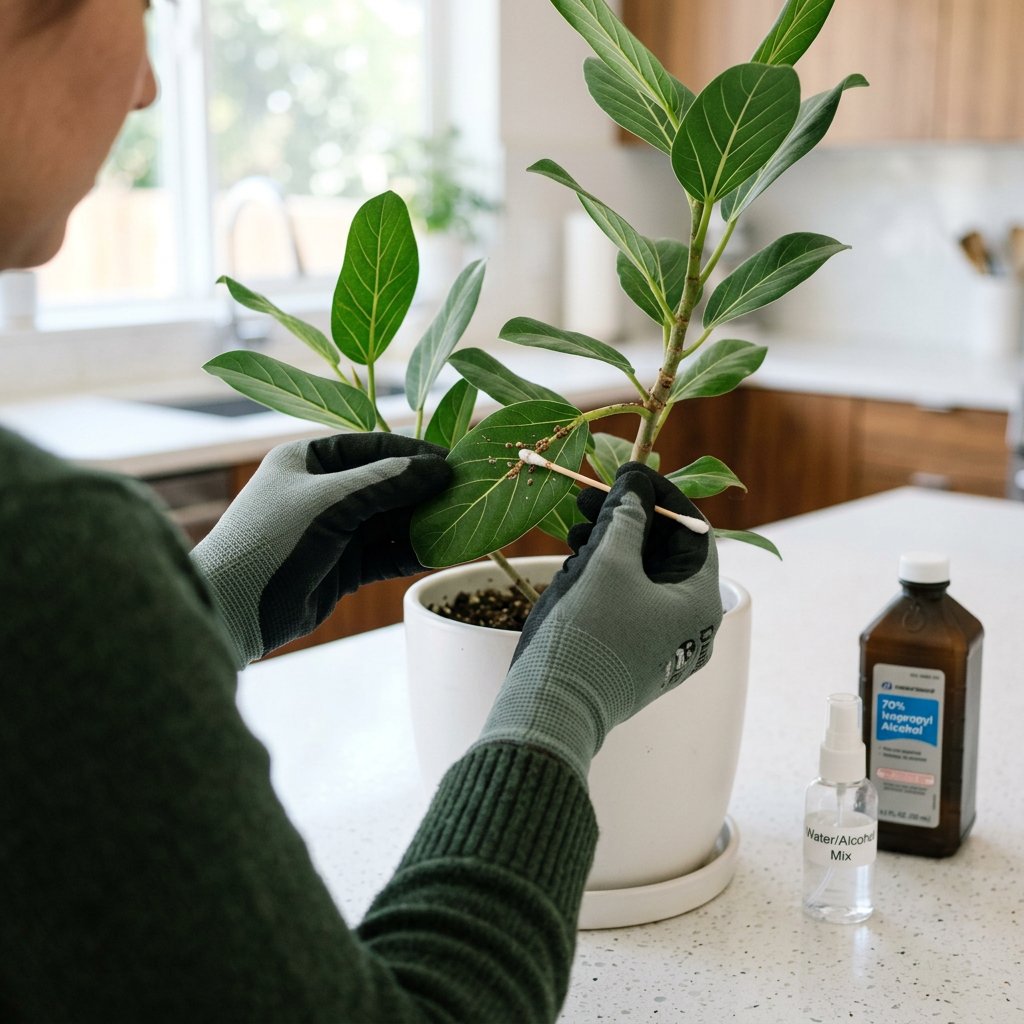
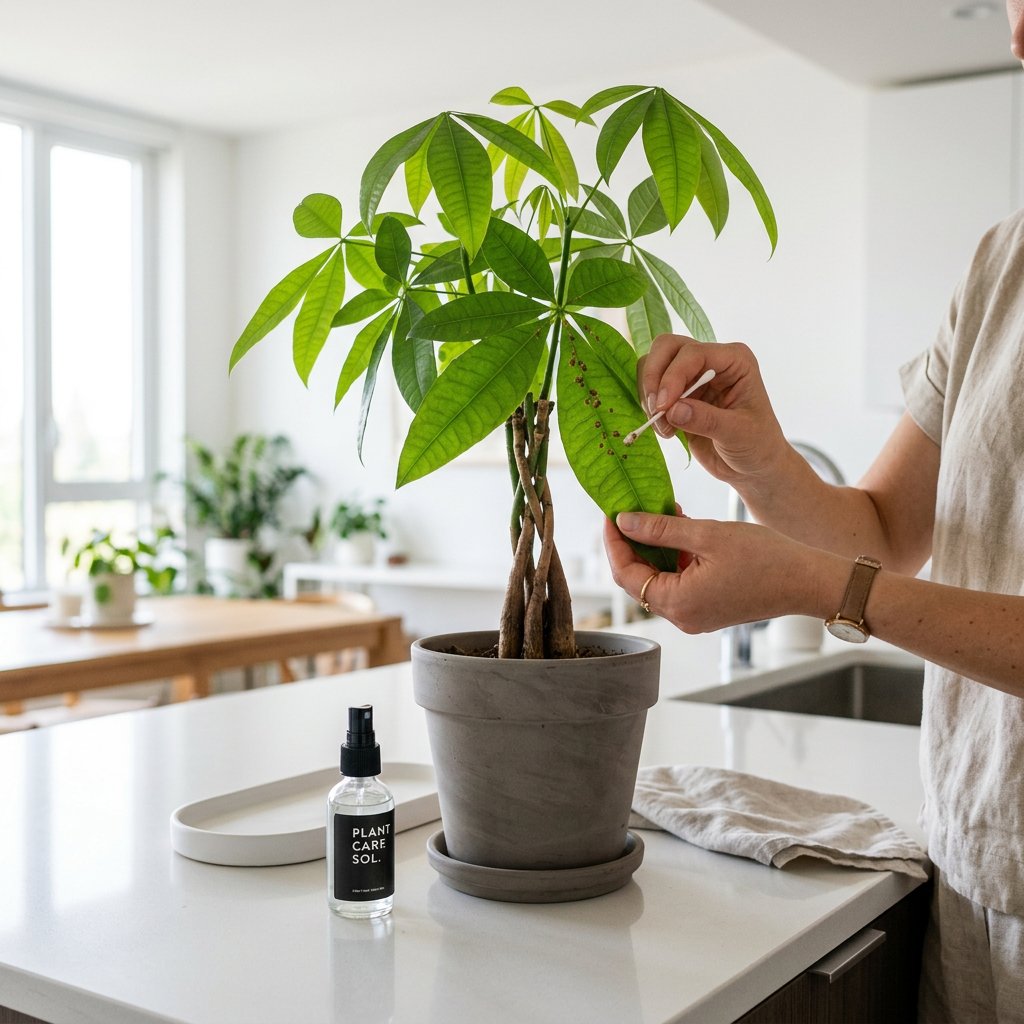
Step 2: Physical Removal Dip a cotton swab (Q-tip) or a soft cotton pad into 70% isopropyl (rubbing) alcohol. Gently dab and wipe the brown bumps. The alcohol dissolves their waxy armor and kills the insects on contact. Once dead, they will easily wipe away from the leaf.
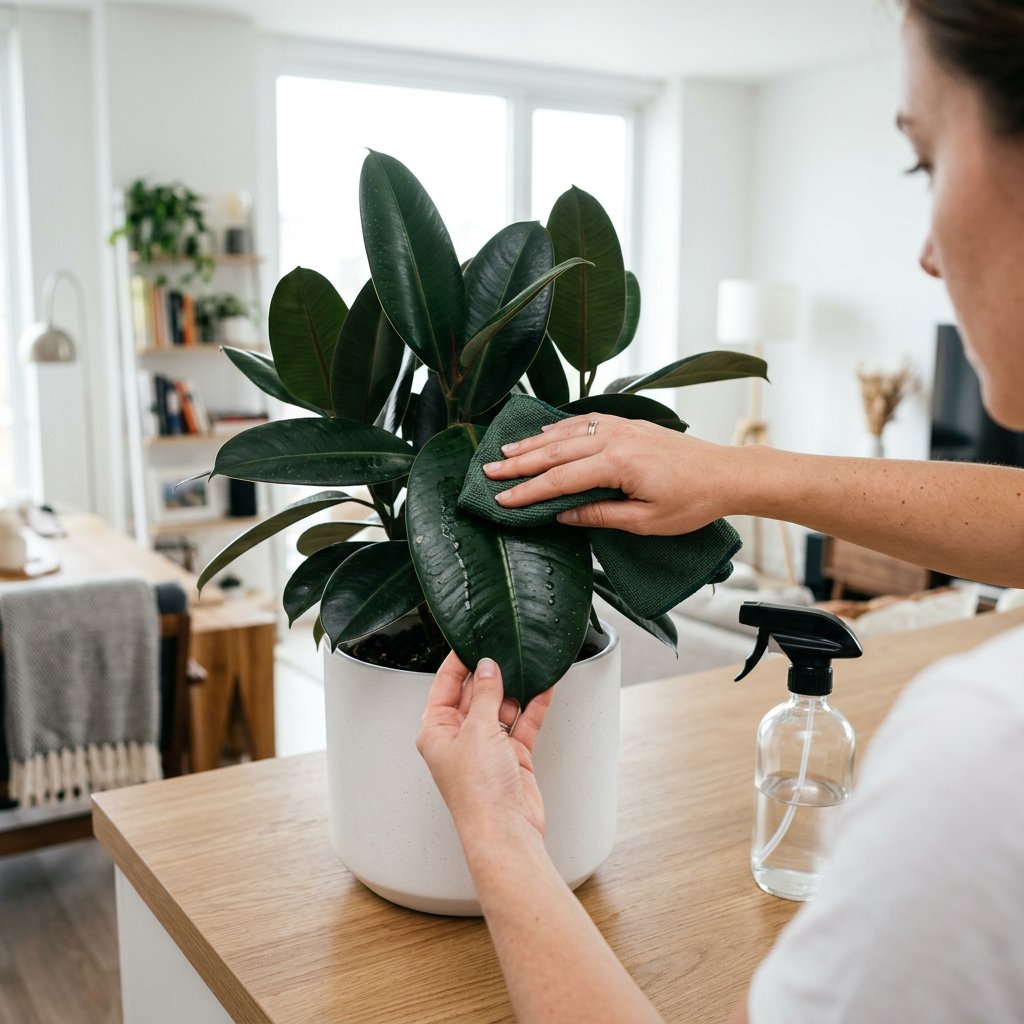
Step 3: Treat with Horticultural Oils To kill any invisible crawlers you might have missed, apply a scientifically proven treatment like neem oil or a commercial insecticidal soap. Neem oil naturally disrupts the pests' life cycle without relying on harsh, synthetic chemicals. Spray the plant thoroughly, making sure to let the liquid drip down into the tight spaces at the soil line. (Pro Tip: Always keep your plant out of direct sunlight while the oil dries to prevent accidental leaf burns.)
Step 4: Prune Heavily Infested Leaves If a specific leaf is entirely covered in scale and turning completely yellow, the kindest thing you can do for the plant is to remove it. Use sterilized scissors or pruning shears to snip the severely damaged leaf down at the soil line. This redirects the plant's energy toward healing and producing fresh, healthy growth.
Step 5: Monitor and Repeat Scale is stubborn, and one single treatment is rarely enough. Repeat the alcohol wiping and neem oil spraying process every 7 to 10 days until you no longer see any new bumps or stickiness appearing.
You've Got This!
Dealing with scale insects requires a little bit of patience, but snake plants are incredibly resilient fighters. By catching the problem, cleaning the leaves, and treating your plant with compassionate care, your green companion will bounce back beautifully. Once your plant is healed, don't forget to use the Plantiary app to set an optimized watering and care schedule, ensuring your snake plant stays strong, happy, and pest-free for years to come!