There is nothing quite as magical as watching your Maranta, commonly known as the Prayer Plant, fold its stunning, intricately patterned leaves upward as evening falls. However, when those vibrant leaves start to droop, turn yellow, or look a bit sad, it is easy to panic. Take a deep breath! If your Maranta is struggling, you are certainly not alone. Overwatering is the most common hurdle in the houseplant journey, and it happens to the most experienced plant parents.
Marantas love moisture, but there is a fine line between keeping them humid and leaving them sitting in a puddle. When they cross that line, they can develop root rot. If you are ever unsure what is going on with your leafy friend, you can always use the AI-powered plant disease scanner in the Plantiary app to get an instant diagnosis. But if you suspect your Maranta has had too much to drink, let’s explore how to identify the issue and bring your beautiful plant back to life.
The Problem: Symptoms of an Overwatered Maranta
When a plant sits in waterlogged soil, its roots become starved of oxygen. This leads to root rot, a condition where roots decay and can no longer absorb water or nutrients. Because the plant cannot drink, an overwatered plant ironically looks like a dehydrated one. Look out for these tell-tale signs:
- Yellowing Leaves (Chlorosis): You may notice the lower leaves turning a pale yellow. In botany, this is called chlorosis, which simply means the plant is losing its green pigment (chlorophyll) due to stress or nutrient deficiency caused by failing roots.
- Wilting and Curling: If the soil feels wet but the leaves are limp, curling inward, or drooping heavily, the roots are likely compromised.
- Mushy, Dark Stems: Check the base of the plant near the soil line. If the stems feel soft, squishy, or appear blackened, rot has set in.
- Foul Odor: Healthy soil smells earthy. If you sniff the pot and notice a sour, swampy, or rotting smell, anaerobic bacteria (bacteria that thrive without oxygen) are actively decaying the root system.
The Causes: Why Is Your Prayer Plant Drowning?
Understanding why your Maranta became overwatered is the key to preventing it in the future. It is rarely just about watering too often. Common culprits include:
- Poor Drainage: Pots without drainage holes trap excess water at the bottom, creating a toxic, swampy environment for the roots.
- Dense Soil: Standard, unamended potting soil often holds onto moisture for too long, suffocating delicate Maranta roots.
- Watering on a Strict Schedule: Watering every Sunday might be convenient for you, but plants drink at different rates depending on the season, temperature, and light.
- Low Light: Plants in lower light conditions photosynthesize less, meaning they use up water much slower.
The Solutions: Step-by-Step Root Rot Rescue
If your Maranta is suffering from root rot, holding off on the watering can isn't enough to save it. You need to intervene beneath the soil. Don't worry—just follow these scientifically backed steps to rescue your plant!
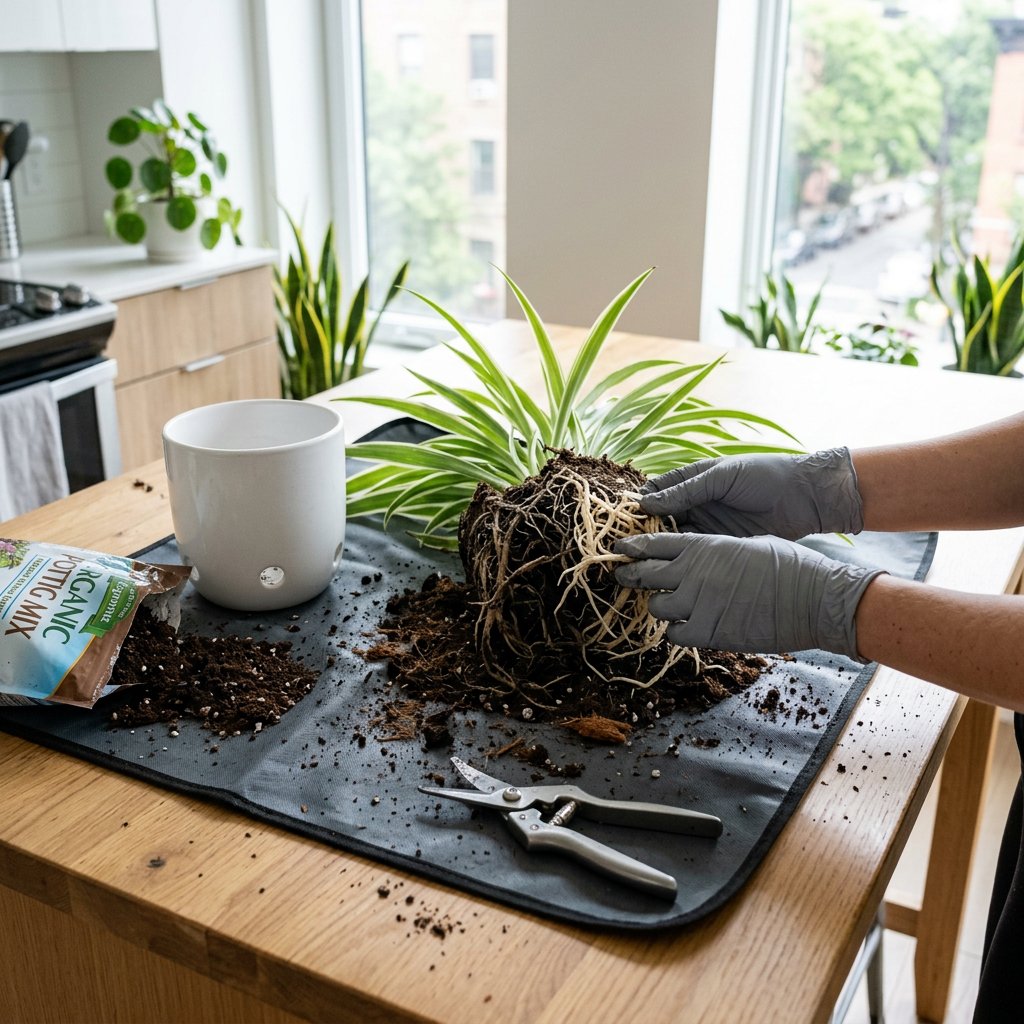
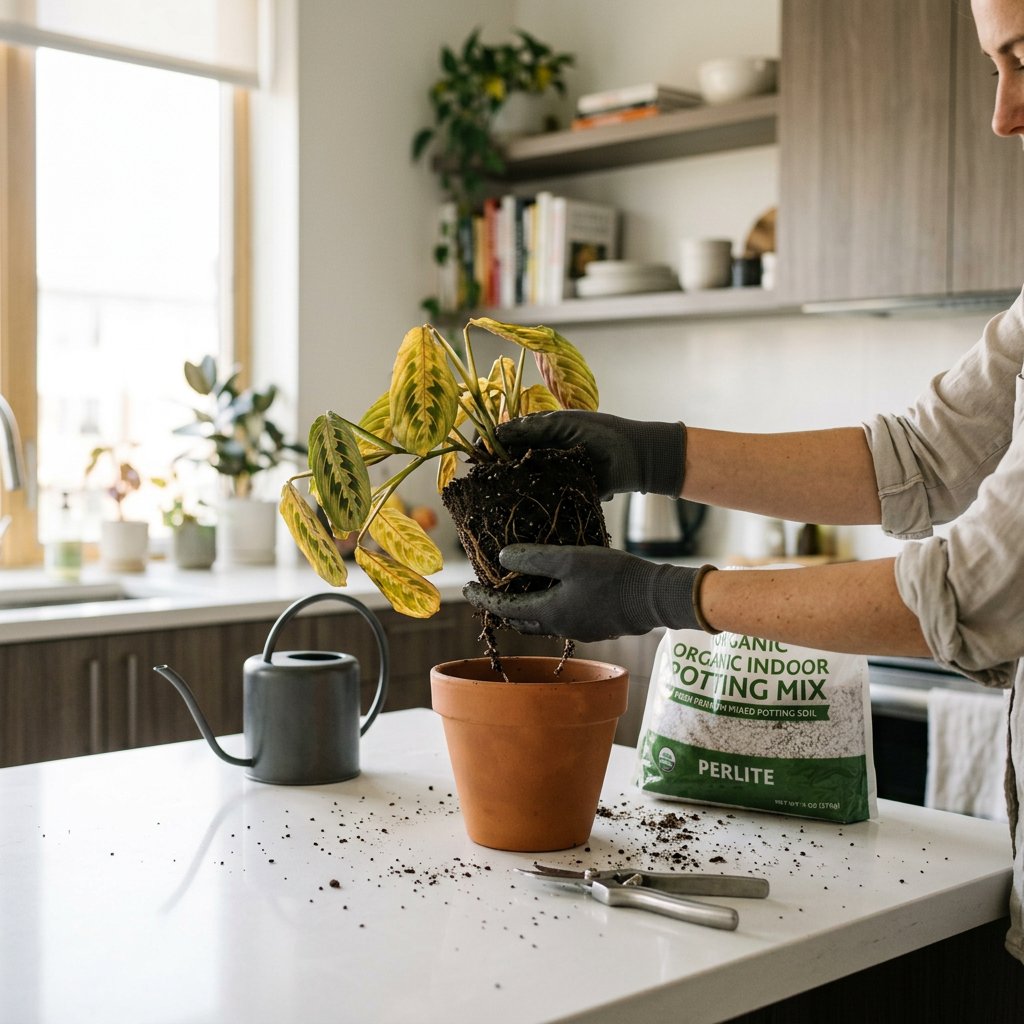
Step 1: Unpot and Inspect Gently pull your Maranta out of its pot. Massage the soil away from the root ball to get a clear view. Healthy roots should be firm, plump, and tan or white. Rotted roots will be dark brown or black, mushy, and easily pull away like a wet strand of hair.
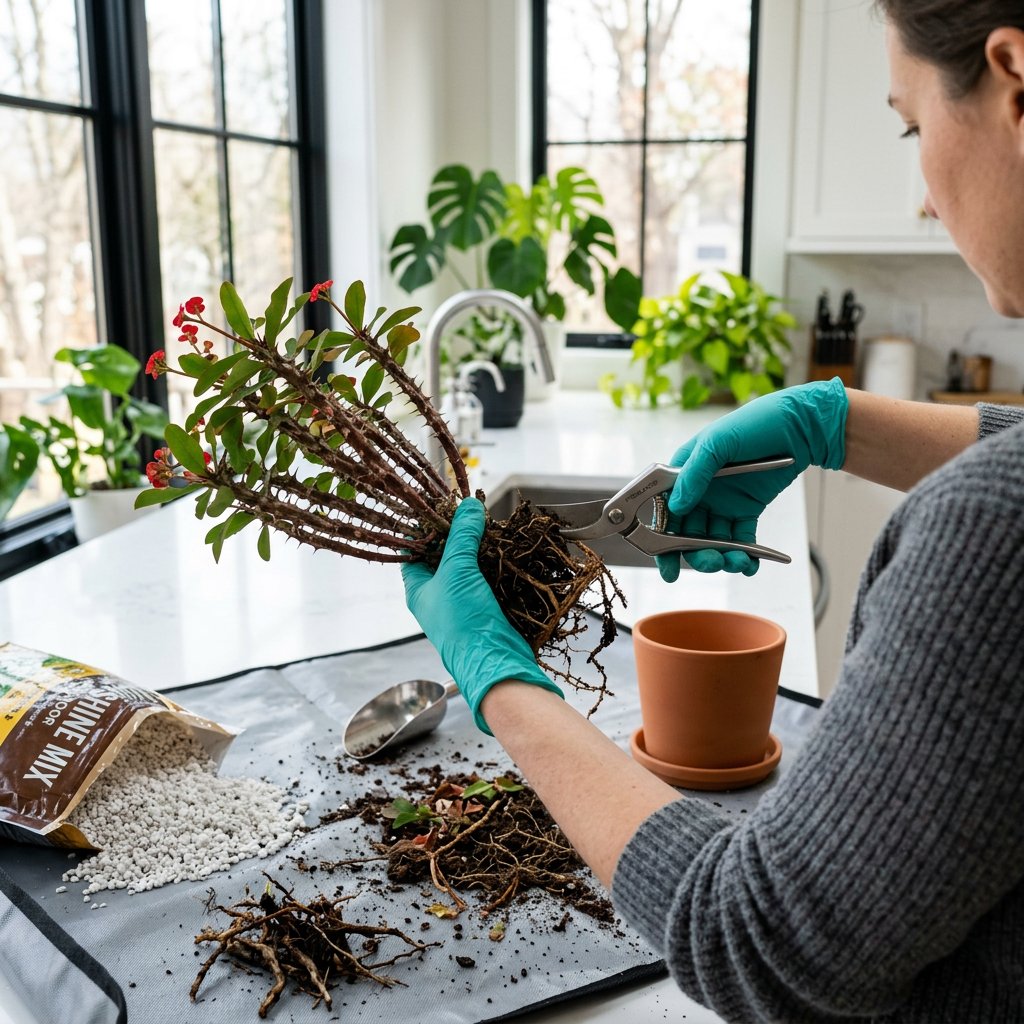
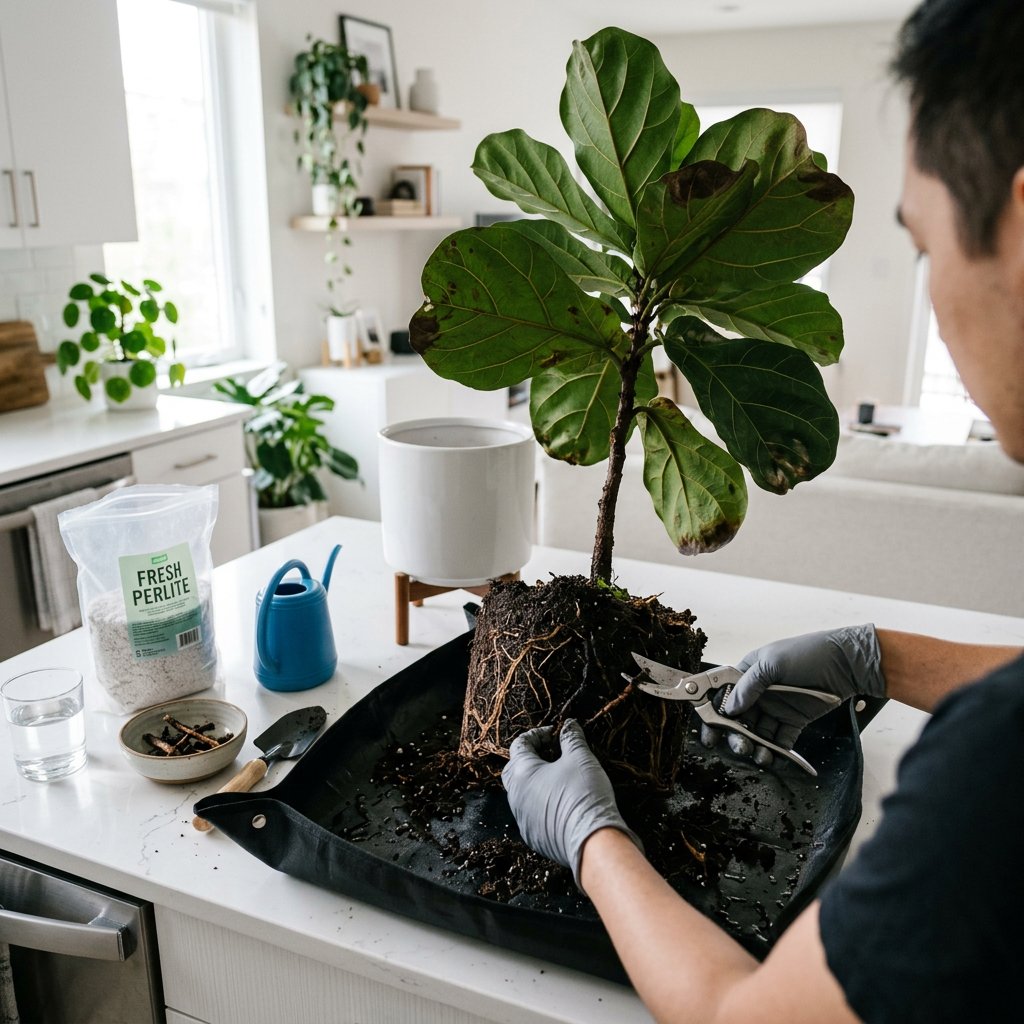
Step 2: Prune the Rot Take a pair of clean, sterilized pruning shears or scissors (wipe them with rubbing alcohol first to prevent spreading bacteria). Snip away all the mushy, dark, and foul-smelling roots. Be ruthless; leaving any rot behind can allow the infection to spread. If you have to remove foliage to balance out the severe root loss, that is completely okay!
Step 3: Disinfect the Remaining Roots To stop the fungal or bacterial infection in its tracks, treat the remaining healthy roots. You can dip the root system in a mixture of one part 3% hydrogen peroxide and two parts water. The bubbling action safely kills off remaining rot-causing pathogens while adding a boost of oxygen to the plant.
Step 4: Repot in a Breathable Mix Toss out the old, infected soil and thoroughly wash the pot (or choose a new one with excellent drainage holes). Create a well-draining, airy potting mix. A great recipe for Marantas is 50% standard indoor potting soil, 25% perlite, and 25% orchid bark. This ensures moisture is retained without suffocating the roots.
Step 5: Adjust Your Watering Habits After repotting, water lightly and place your Maranta in bright, indirect light to help it recover. Moving forward, always check the top two inches of soil with your finger before watering. If it feels wet, wait a few days.
Plant recovery takes time and patience. It might drop a few leaves as it adjusts, but with properly oxygenated roots, your Maranta will soon be pushing out gorgeous new growth. To keep your recovery on track, try logging your watering days and setting up smart care reminders in the Plantiary app. You've got this, and your Prayer Plant will thank you!