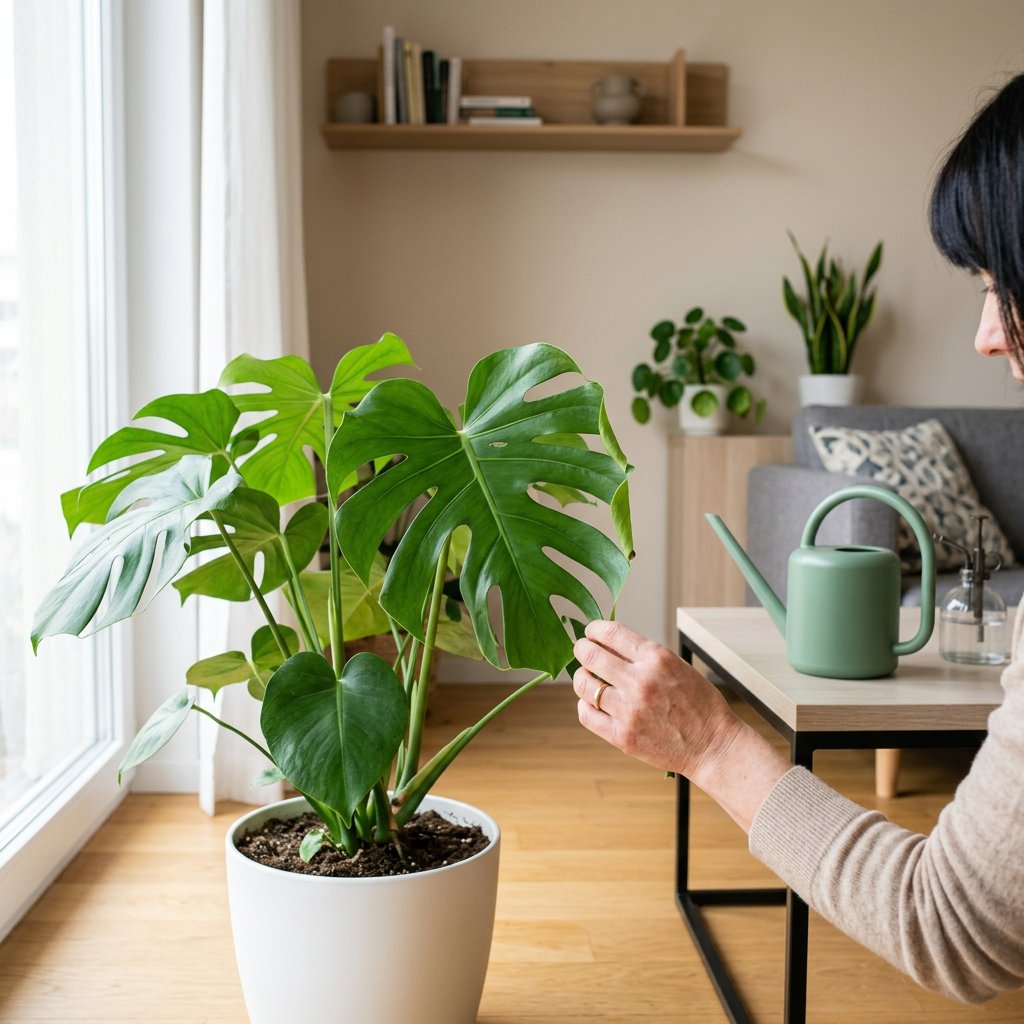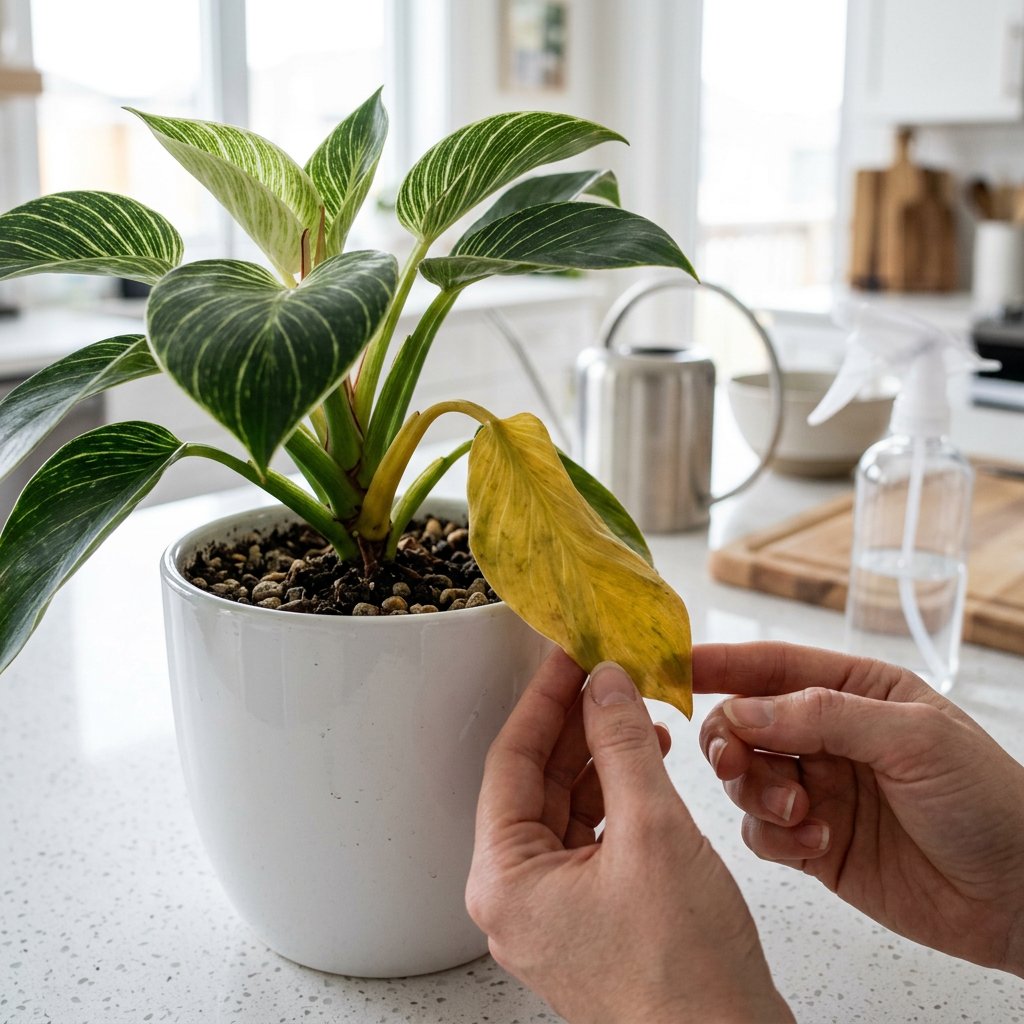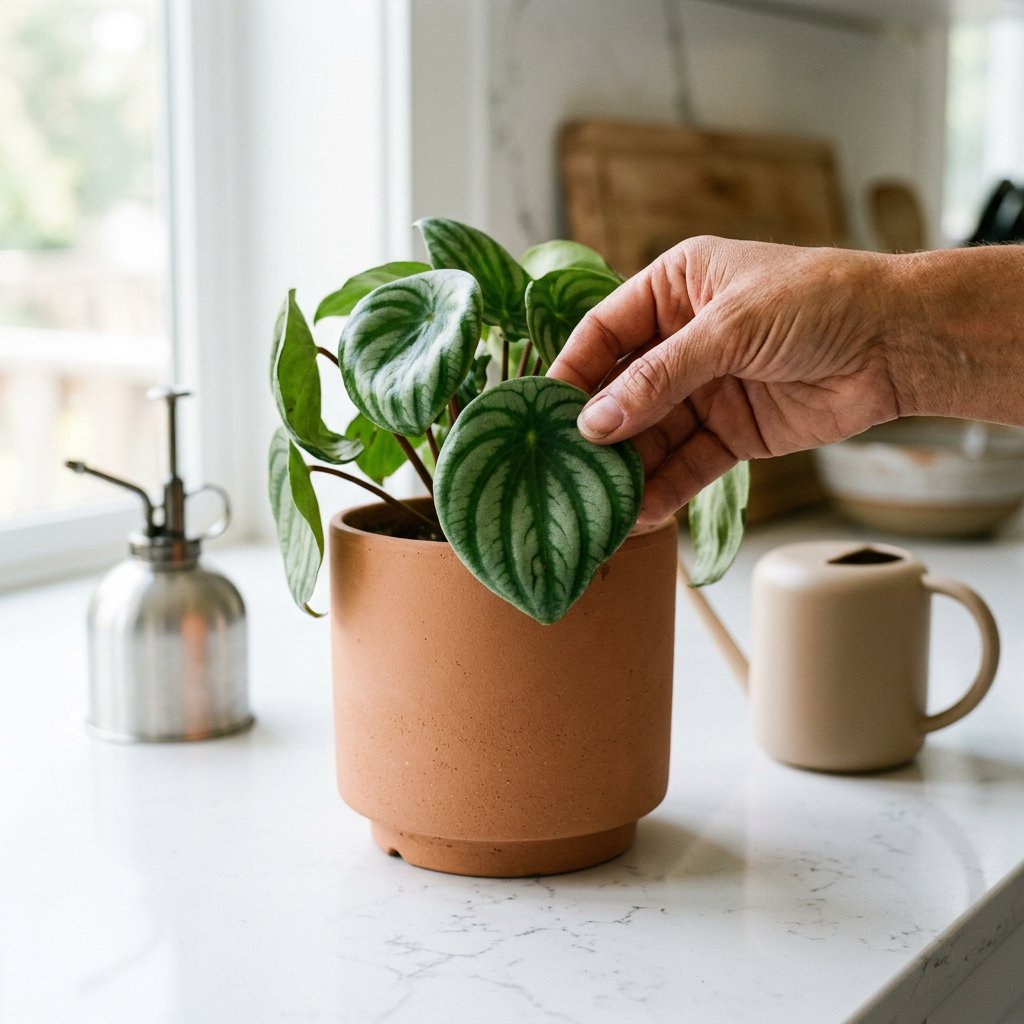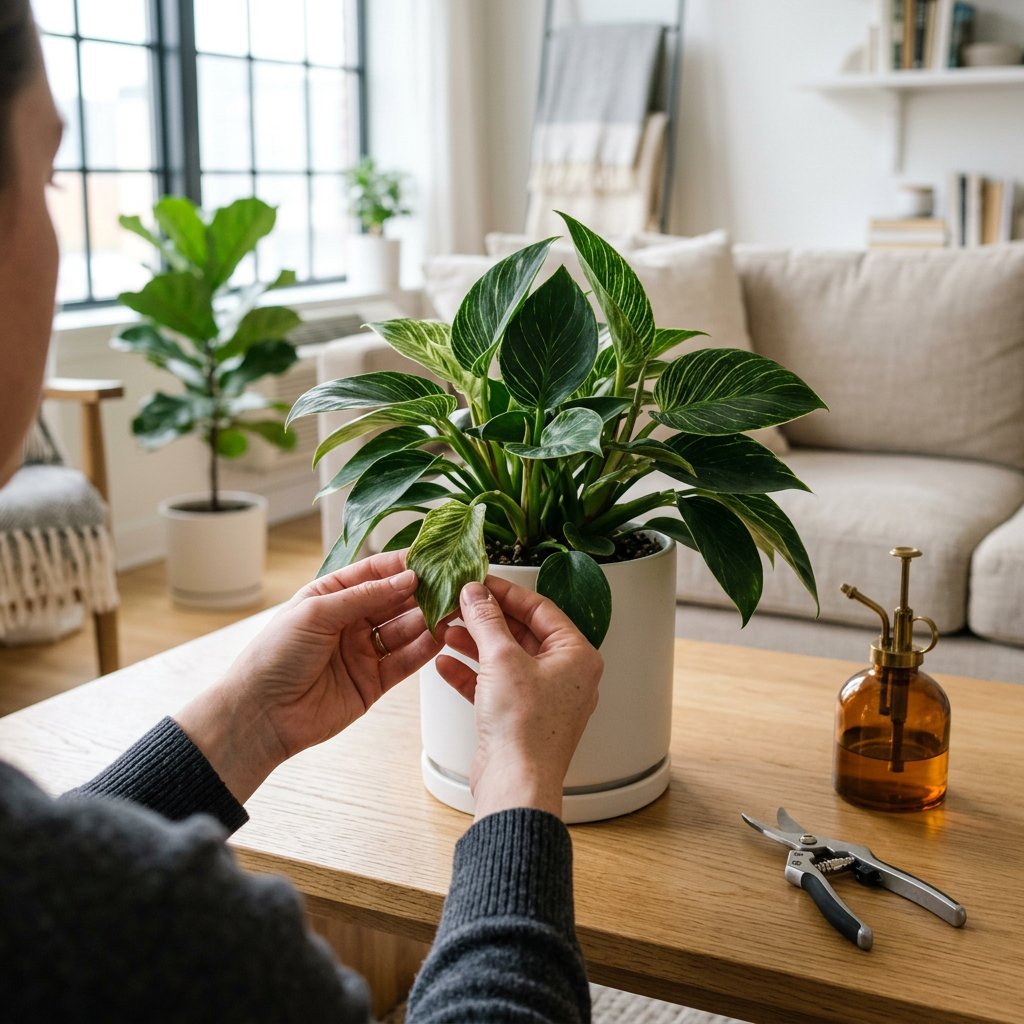
It can be heartbreaking to check on your normally lush, sprawling Philodendron only to find its beautiful leaves curled up and looking a bit sad. If you are experiencing this right now, take a deep breath! Plant parenthood comes with its fair share of bumps in the road, and curling leaves are incredibly common. You haven't failed as a plant parent; your leafy friend is simply trying to communicate that something in its environment needs a little tweak.
Diagnosing plant issues doesn't have to be a guessing game. By observing the symptoms carefully, you can easily get your plant back on track. And remember, if you are ever unsure what is wrong with your plant, you can use the AI-powered plant disease scanner in the Plantiary app to get a diagnosis and treatment plan in seconds!
Let’s break down exactly what your Philodendron is trying to tell you and how you can help it uncurl and thrive once again.
The Problem: Identifying the Symptoms
Before we fix the issue, we need to look closely at the plant. Leaf curling is a defense mechanism, but the way the leaves curl and feel can give you major clues:
- Inward curling (cupping): The edges of the leaves curl up toward the center, often accompanied by dry, crispy tips.
- Downward curling: The leaves droop and curl under, often feeling soft, mushy, or looking yellowed.
- Distorted or puckered curling: New growth emerges wrinkled, curled, or deformed, sometimes with tiny webbing or sticky residue on the foliage.
The Causes: Why Are My Philodendron Leaves Curling?
Philodendrons are native to tropical rainforests, meaning they love warmth, filtered light, and moisture. When leaves curl, it is usually due to a disruption in one of these areas.
1. Moisture Imbalances (Underwatering or Overwatering)
The most common culprit is your watering routine.
- Underwatering: If the soil is bone dry, the plant curls its leaves inward to reduce its surface area. This slows down transpiration (the natural process where plants release water vapor from their leaves), helping the plant conserve whatever moisture it has left.
- Overwatering: If the soil is soggy, your plant might be suffering from root rot—a fungal condition where suffocated roots decay. Ironically, because the rotted roots can no longer absorb water, the plant becomes dehydrated, causing the leaves to curl and yellow.
2. Low Humidity
Indoor air, especially during winter when heaters are running, can be incredibly dry. Philodendrons crave humidity. If the air is too dry, the leaves will curl inward to protect themselves from rapid moisture loss, and the edges may become brown and crispy.
3. Temperature Stress
Philodendrons despise cold drafts and blasts of hot air. If your plant is sitting near an air conditioning vent, a drafty window, or a radiator, the sudden temperature shifts will cause the leaves to curl in shock.
4. Pest Infestations
Unwelcome visitors like aphids, thrips, or spider mites love to feed on the sweet sap inside Philodendron leaves. As these microscopic pests drain the plant's fluids, the leaves become dehydrated, warped, and curled.
The Solutions: Step-by-Step Treatment
Now that we know what might be causing the issue, let’s take action. Follow these steps to nurse your Philodendron back to health safely and effectively.
Step 1: Assess and adjust your soil moisture. Gently poke your finger about two inches into the topsoil.
- If it feels completely dry and the pot is very light, give your plant a thorough, deep watering until water runs out of the drainage holes.
- If the soil feels wet, heavy, and smells slightly swampy, stop watering immediately. Allow the soil to dry out completely. If the plant doesn't improve, you may need to repot it into fresh, well-draining soil, snipping away any mushy, black roots you find.
Step 2: Boost the ambient humidity. If your soil moisture is fine, dry air is likely the culprit. You can increase humidity by placing a humidifier near your plant or setting the plant pot on a pebble tray filled with water (ensuring the bottom of the pot sits on the pebbles, not directly in the water).
Step 3: Relocate away from drafts. Take a walk around your plant. Do you feel a cold breeze from a window or hot air from a vent? If so, move your Philodendron to a more stable environment. They do best in temperatures between 65°F and 80°F (18°C - 27°C) with bright, indirect sunlight.
Step 4: Inspect and treat for pests. Examine the undersides of the curled leaves and the stems. If you see tiny crawling dots, delicate webbing, or sticky sap, you have pests. Wipe the leaves down with a damp cloth, and treat the plant with a scientifically proven method, such as a gentle insecticidal soap or a diluted neem oil spray. Apply it in the evening to prevent the sun from burning the treated leaves.
Patience is Key
Plants work on their own timeline, so don't be discouraged if your Philodendron doesn't uncurl overnight. By providing consistent, loving care and making these simple environmental adjustments, you will start to see improvement in a week or two.
Whenever you feel a bit lost on your plant care journey, remember that the Plantiary app is always right in your pocket. From setting up customized watering reminders to diagnosing tricky symptoms with our AI scanner, we are here to help you cultivate a thriving indoor jungle!