It happens to the absolute best of us! You check on your gorgeous Philodendron, expecting to see a beautiful new leaf unfurling, but instead, you are greeted by sad, drooping, and yellowing foliage. If you suspect your leafy friend is struggling with root rot, take a deep breath and give yourself some grace. You are not a bad plant parent! Root rot is an incredibly common hurdle, especially when caring for indoor tropicals. The great news is that if you catch it early, it is highly treatable.
Let's dive into exactly how to identify, understand, and cure root rot in your Philodendron so it can get back to thriving.
The Problem: Spotting the Symptoms
Because root rot happens under the soil, it is usually a silent issue until the plant starts showing distress signals above ground. Here is what to look out for:
- Mushy, dark roots: Healthy Philodendron roots are firm and typically white, tan, or light brown. Rotted roots turn dark brown or black, feel slimy to the touch, and will easily easily detach if you give them a gentle tug.
- Foul odor: Rotted roots often produce a sour, swampy, or rotting smell due to the decaying organic matter.
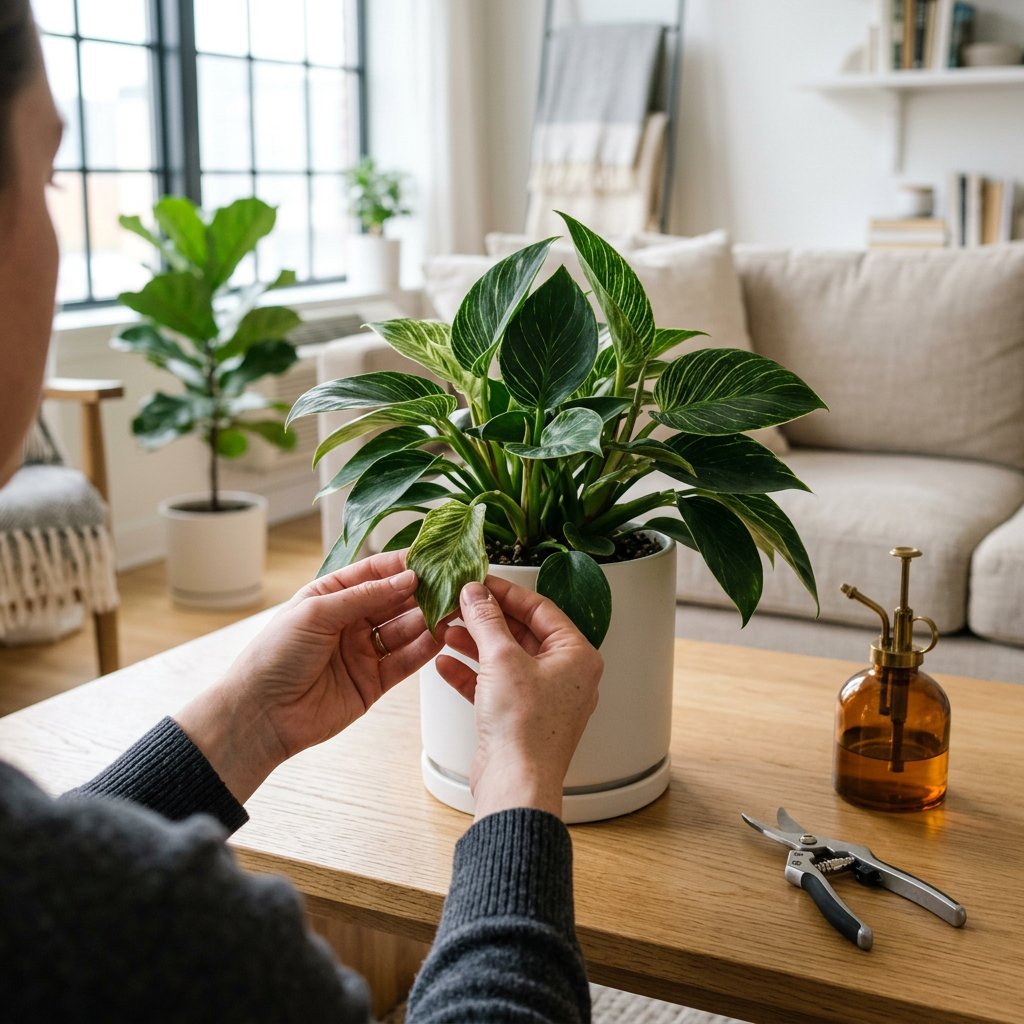
- Yellowing leaves: Also known as chlorosis (a condition where leaves lose their green pigment because they can no longer absorb necessary nutrients and water), this is often the first visible sign of root trouble.
- Wilting despite wet soil: If your soil is completely soaked but your plant looks thirsty and limp, its roots are likely too damaged to drink.
If you are looking at your plant's leaves and feeling unsure about what is going wrong, you can use the AI-powered plant disease scanner in the Plantiary app to get a reliable diagnosis in seconds!
The Causes: Why Does Root Rot Happen?
Root rot is usually the result of roots suffocating. When roots cannot breathe, they die, decay, and invite opportunistic fungal or bacterial pathogens to take over. This suffocation is typically caused by:
- Overwatering: We often overwater our plants out of pure love, but keeping the soil constantly wet eliminates all the air pockets in the dirt.
- Poor drainage: If your plant's pot lacks drainage holes, excess water pools at the bottom, creating a swampy environment.
- Dense soil: Standard potting soils are often too heavy for Philodendrons, holding onto moisture for far too long.
The Solutions: Step-by-Step Treatment
Ready to play plant surgeon? Don’t worry, the process is straightforward. Grab a pair of scissors, some fresh soil, and let's save your Philodendron!
Step 1: Unpot and Inspect
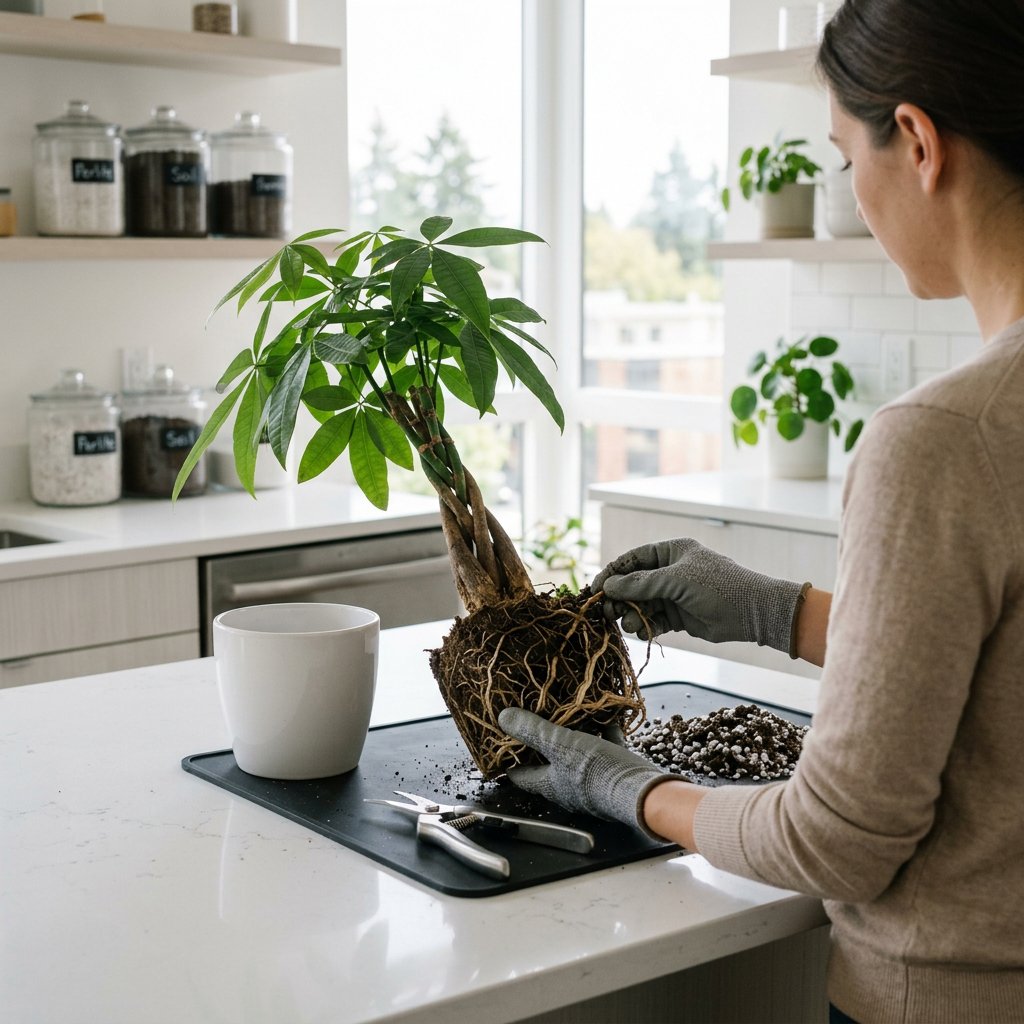
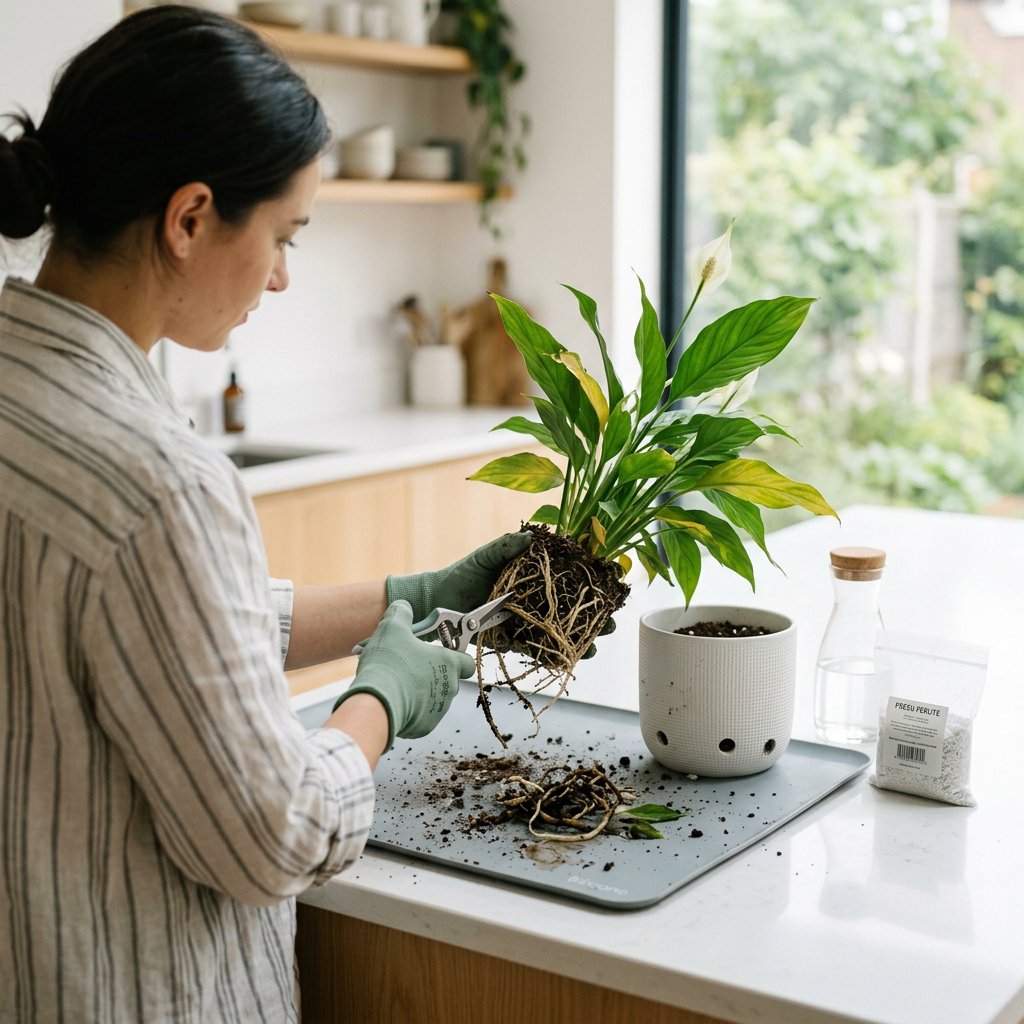
Gently coax your Philodendron out of its pot. Carefully massage the root ball to loosen the wet dirt, and rinse the roots under a stream of room-temperature room water. Washing away the old soil allows you to clearly see the extent of the damage.
Step 2: Prune the Rot
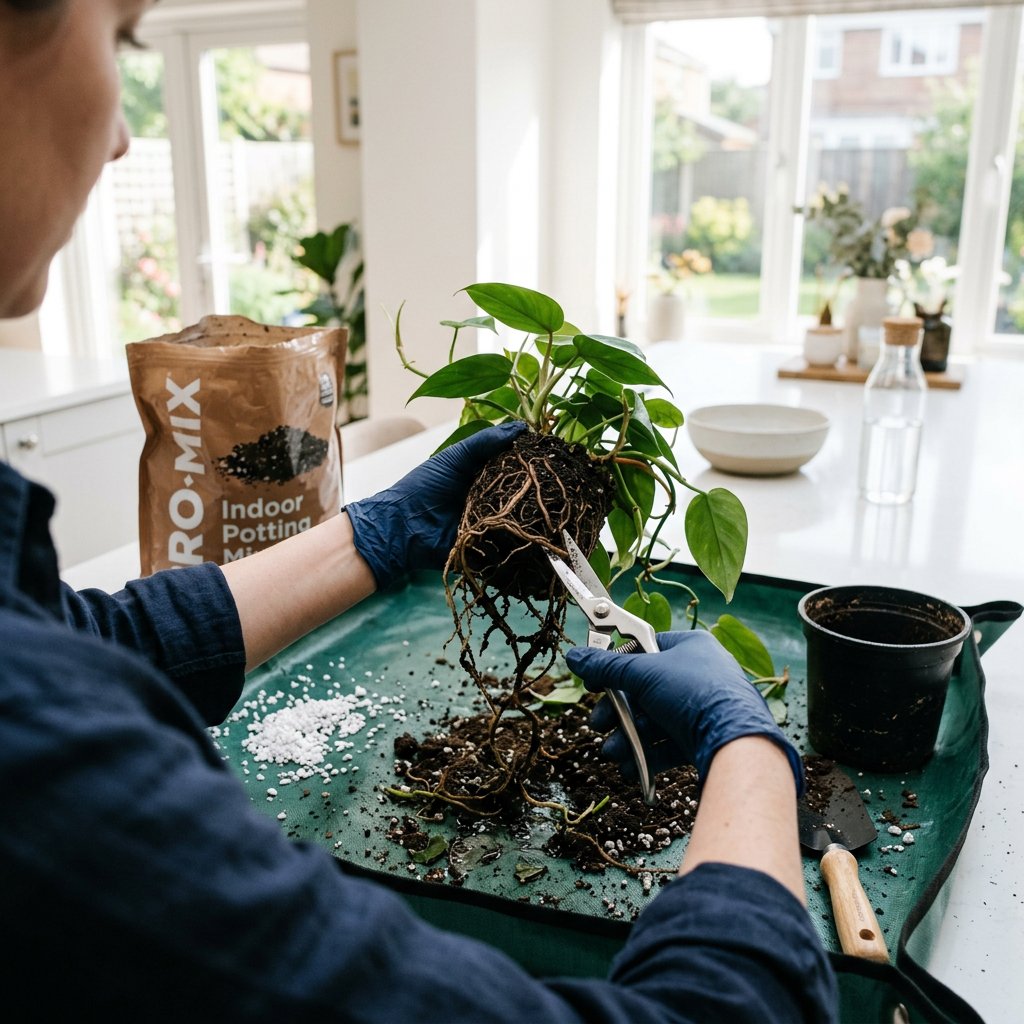
Take a pair of sharp scissors or pruning shears and thoroughly wipe the blades with rubbing alcohol to sterilize them. Snip away every single mushy, black, or foul-smelling root. Cut slightly above the rotting area to ensure you are only leaving healthy, firm tissue behind. Do not be afraid to be ruthless—leaving even a tiny bit of rot can cause the infection to spread again.
Step 3: Disinfect the Remaining Roots
To kill off any lingering fungal spores, you can treat the healthy roots with a gentle, scientifically proven soak. Mix one part 3% hydrogen peroxide with two parts water, and dip the remaining roots into the solution for a few minutes. The hydrogen peroxide kills pathogens while releasing a burst of healthy oxygen to the roots.
Step 4: Repot in Fresh, Airy Soil
Never reuse the old soil, as it is still harboring the fungi that caused the rot! Philodendrons are aroids, meaning they naturally grow in loose, well-aerated environments. Mix standard indoor potting soil with generous handfuls of perlite and orchid bark. This creates a chunky, airy soil blend that allows excess water to drain quickly. Make sure your new nursery pot has plenty of drainage holes.
Step 5: Adjust Your Watering Routine
Once repotted, give your plant a light watering to settle the soil, and then leave it alone. Going forward, always let the top two to three inches of the soil dry out completely before giving your Philodendron another drink.
Recovering from root rot takes a little bit of time and patience, so do not panic if your plant drops an old leaf or two while it focuses its energy on regrowing its root system beneath the soil. To prevent overwatering from happening again, try setting up a smart watering schedule in your Plantiary app. You've got this, and your plant will surely thank you for the rescue!