So, your once-thriving Money Tree (Pachira aquatica) is looking a little sad, dropping leaves, or developing a soft trunk. Take a deep breath! Plant parenthood is an ongoing learning journey, and encountering root rot is practically a rite of passage. It happens to even the most experienced indoor gardeners. Whether you accidentally showed your plant a little too much love with the watering can or it's simply sitting in the wrong type of soil, root rot is a common issue. The good news is that it is highly treatable if you catch it early. If you're ever in doubt about what's happening beneath the soil or on the leaves, remember you can always use the AI-powered plant disease scanner in the Plantiary app to get a quick diagnosis in seconds and put your mind at ease.
The Problem: Recognizing the Symptoms of Root Rot
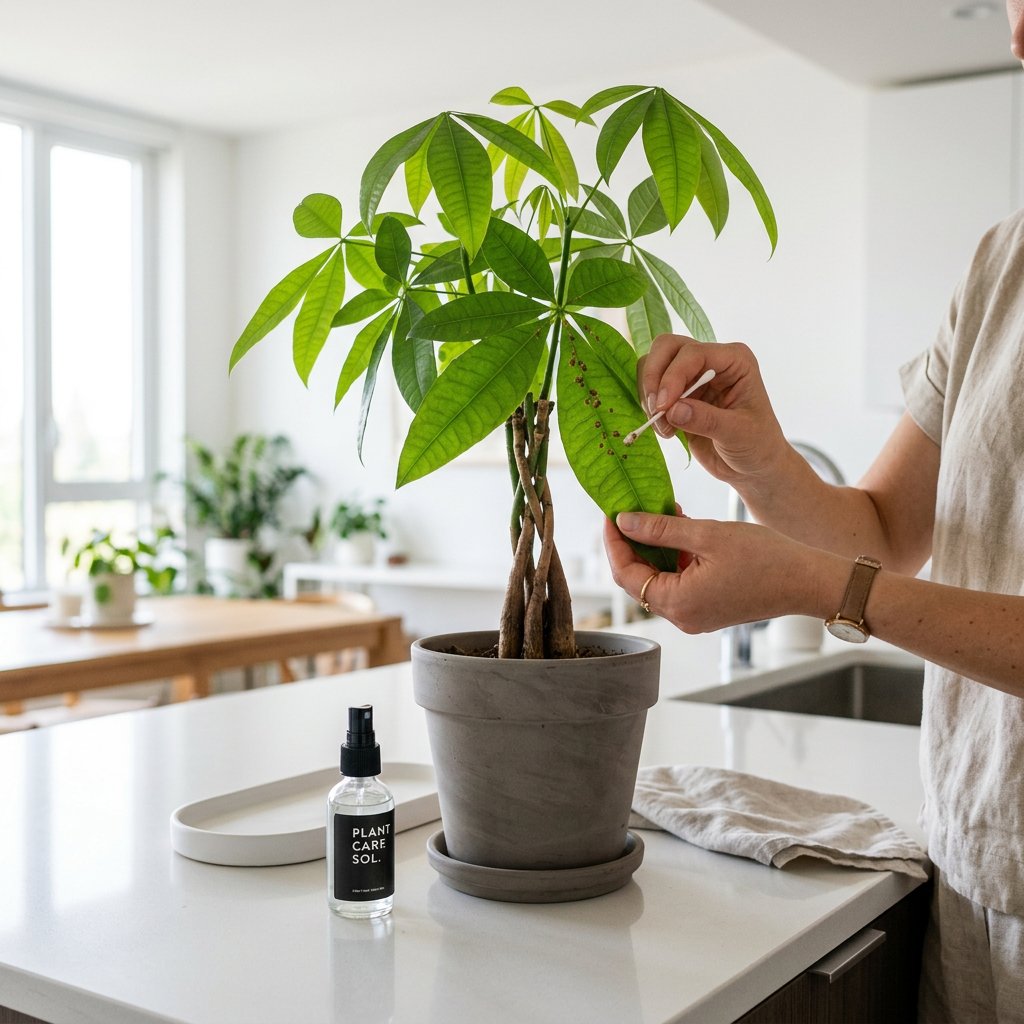
Root rot happens entirely out of sight, making it a bit tricky to catch right away. However, your Money Tree will start sending out distress signals above the soil. Look out for these common symptoms:
- Yellowing leaves (Chlorosis): Chlorosis is a botanical term for when leaves lose their green pigment (chlorophyll) and turn pale or yellow. When a plant's roots are rotting, they can no longer absorb the nutrients and water needed to keep the leaves vibrant and green.
- A squishy or soft trunk: Money Trees store water in their beautifully braided, thick trunks. If the trunk feels mushy to the touch instead of firm, rot has likely traveled up from the root system.
- Sudden leaf drop: If green or slightly yellow leaves are falling off by the handful despite your best efforts, the root system is struggling to support the canopy.
- A foul odor: Healthy potting soil smells earthy and fresh. If you notice a swampy, rotten egg smell coming from the base of the pot, it’s a very strong indicator of decaying organic matter.
The Causes: Why Are the Roots Rotting?
Roots need oxygen just as much as they need water. When they sit in soggy, waterlogged soil for too long, they essentially suffocate. This creates the perfect low-oxygen breeding ground for soil-borne fungi (like Pythium or Phytophthora) to attack and break down the healthy root tissue. The main culprits behind this include:
- Overwatering: Watering your Money Tree too frequently without letting the top few inches of soil dry out first.
- Poor drainage: Decorative pots without drainage holes trap excess water at the very bottom, leaving roots sitting in a puddle.
- Heavy soil: Using dense potting mixes that retain too much moisture instead of letting it flow through freely.
The Solutions: Step-by-Step Treatment to Save Your Money Tree
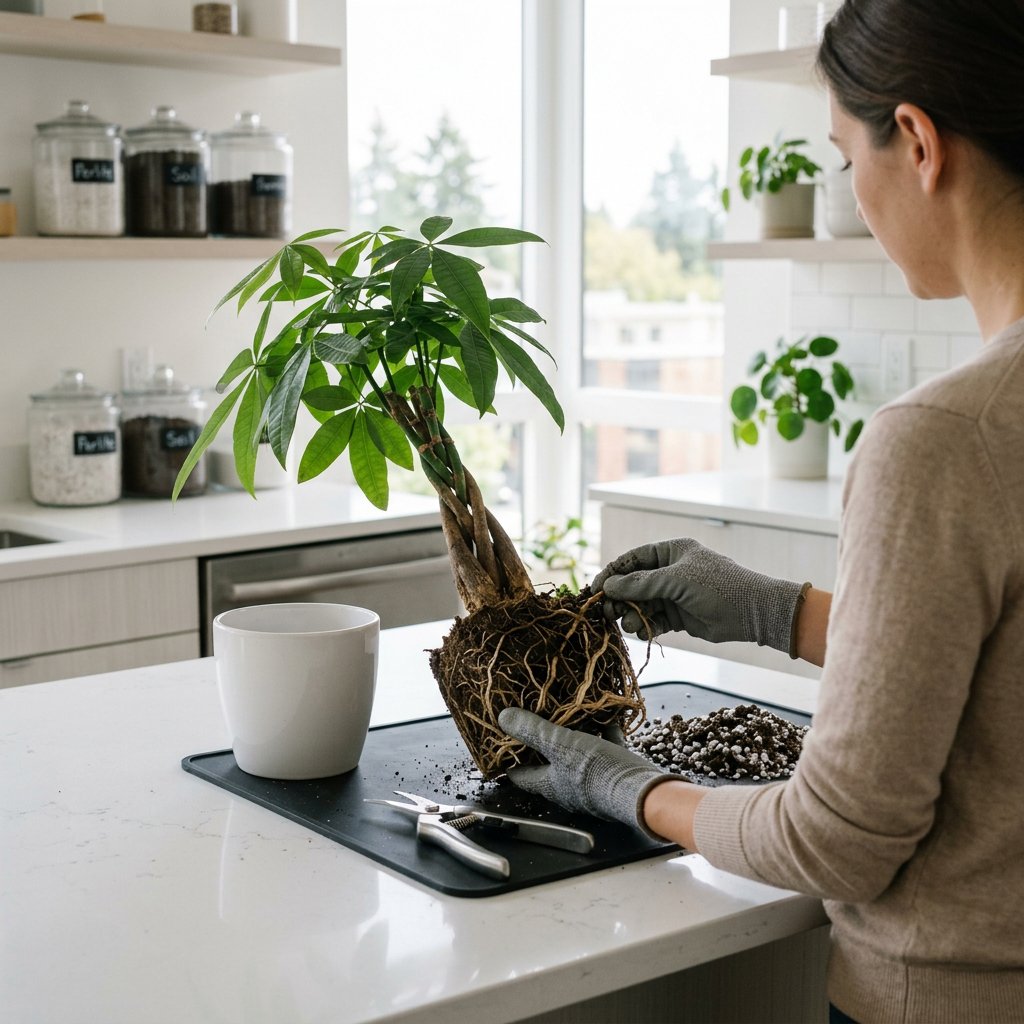
Don't panic! Grab some sterilized pruning shears, some fresh potting soil, and let's get to work saving your beautiful plant.
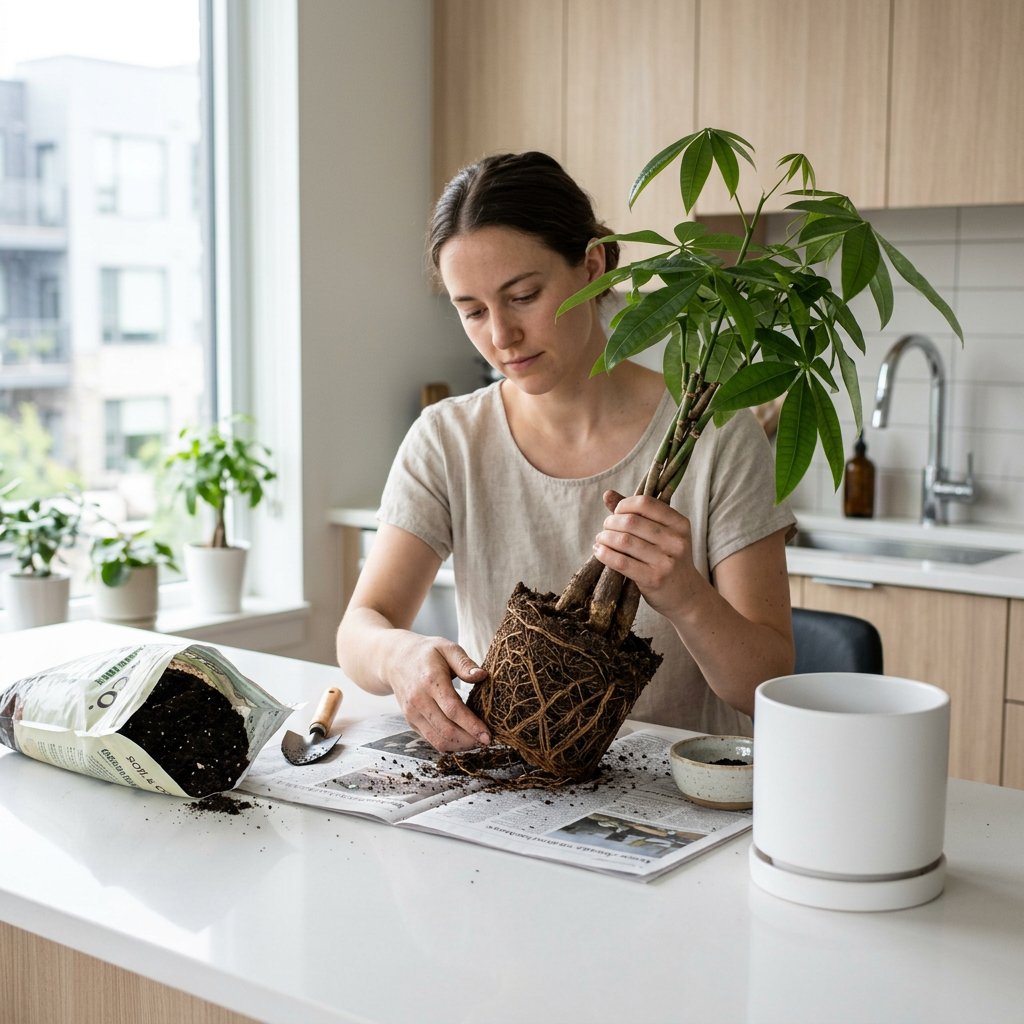
- Step 1: Remove the plant and inspect the roots. Gently ease your Money Tree out of its pot. Lay it on a newspaper and carefully brush away the old, wet soil. Healthy roots should feel firm and look pale, white, or tan. Rotted roots will look dark brown or black and feel slimy, mushy, and stringy.
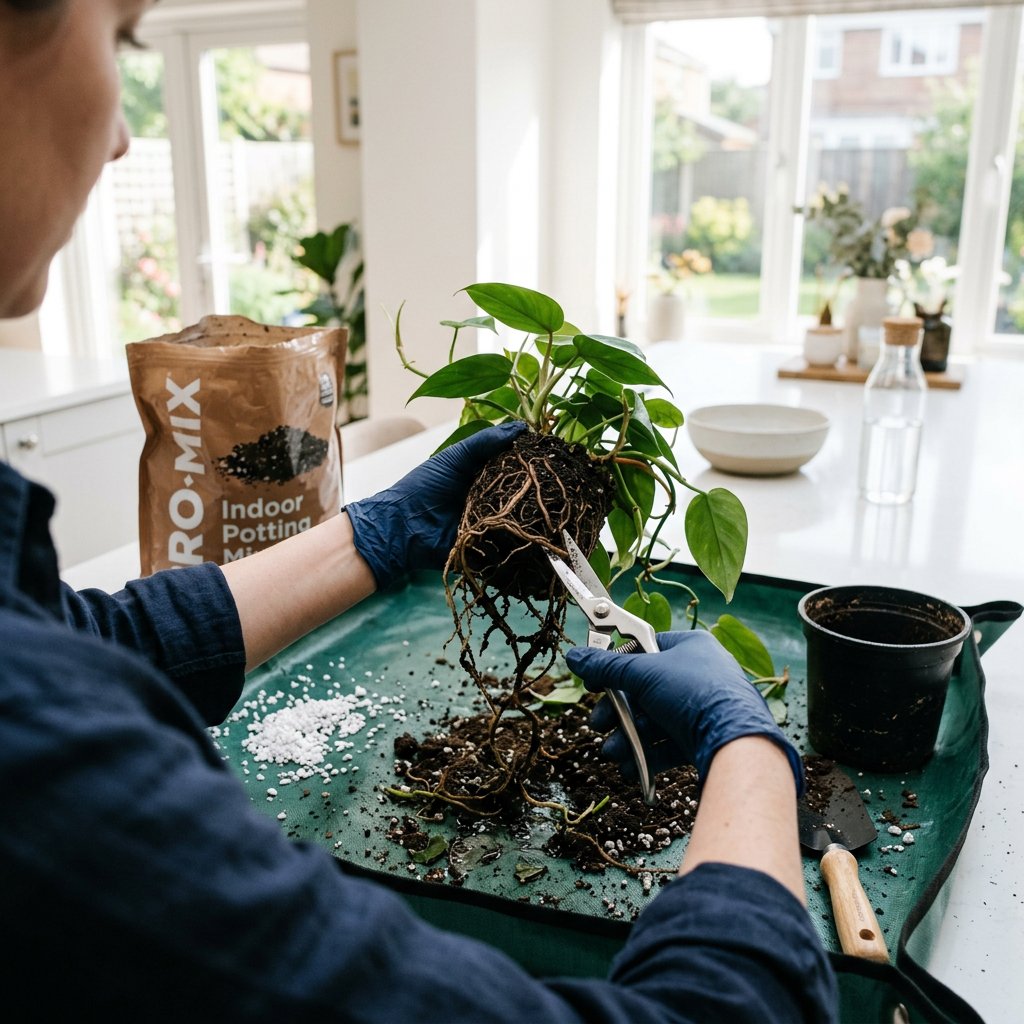
- Step 2: Prune away the rot. Using clean, sterilized scissors or pruning shears, cut off all the mushy, dark roots. Don't be afraid to be ruthless here! Leaving any rot behind will allow the fungal infection to continue spreading. Pro-tip: Wipe your blades with rubbing alcohol after each cut so you don't spread the bacteria.
- Step 3: Treat the remaining healthy roots. Once only firm, healthy roots remain, you want to kill any lingering fungal spores. You can spray the roots with a commercial copper fungicide or a gentle, diluted hydrogen peroxide solution (mix one part 3% hydrogen peroxide with two parts water).
- Step 4: Repot in fresh, well-draining soil. Throw away the old, infected soil immediately. Choose a new or sterilized pot that has excellent drainage holes at the bottom. Replant your Money Tree using a chunky, aerated soil mix. Adding generous handfuls of perlite or orchid bark to standard indoor potting soil works wonders for drainage!
- Step 5: Adjust your watering routine. After repotting, water the plant lightly to settle the soil. Moving forward, hold off on watering again until the top two to three inches of soil feel completely dry to the touch.
Preventing Future Root Rot
The best cure is always prevention! Money Trees thrive on deep but infrequent waterings, allowing their soil to dry out nicely in between. To take the guesswork completely out of your routine, you can set up a customized care and watering schedule in the Plantiary app. It will remind you exactly when it's time to check your plant's soil, ensuring you never accidentally overwater again.
Remember, recovering from root rot takes time and patience. Your plant might look a bit shocked or droopy for a few weeks as it focuses its energy on regrowing a healthy root system. But with a little TLC and a well-draining environment, it will bounce back and start pushing out fresh, lucky green growth before you know it. You've got this!