Growing your own fresh herbs at home is an incredibly rewarding experience, but it can sometimes feel like a delicate balancing act. If you’ve ever brought home a beautiful, fragrant potted thyme only to watch it mysteriously wilt a few weeks later, take a deep breath—you are absolutely not alone! Even the most experienced plant parents occasionally lose an herb to the silent killer of the houseplant world: root rot.
Thyme is a naturally resilient Mediterranean plant, but it has one major kryptonite when grown in containers: soggy soil. Let's explore how to identify, treat, and most importantly, prevent root rot from claiming your favorite culinary herb. And remember, if you are ever unsure what is wrong with your plant, you can use the AI-powered plant disease scanner in the Plantiary app to get a diagnosis in seconds!
The Problem: Spotting the Symptoms
Root rot happens beneath the soil, making it notoriously tricky to catch early. Because the roots are compromised, they can no longer absorb water or nutrients, causing the plant to display symptoms that look confusingly similar to severe dehydration.
Keep an eye out for these telltale signs:
- Wilting while wet: The stems and leaves look limp and droopy, even though the soil in the pot feels damp or heavy.
- Yellowing leaves: You may notice chlorosis (a lack of chlorophyll that causes the leaves to lose their green pigment and turn pale yellow).
- Stunted growth: New leaves are tiny, or the plant simply stops growing altogether.
- Mushy, dark roots: Healthy thyme roots are firm and light-colored. Rotting roots are dark brown or black, mushy, and often emit a foul, swampy odor.
The Causes: Why Does Root Rot Happen?
To understand why thyme gets root rot, we have to look at its natural habitat. Thyme originates from dry, rocky, sun-drenched coastal regions. It has evolved to thrive in poor, fast-draining soil and simply isn't built to have "wet feet."
Root rot in potted thyme is usually caused by a combination of:
- Overwatering: Giving the plant water before the soil has had a chance to dry out.
- Poor Drainage: Using pots without drainage holes or relying on dense, water-retaining potting soil.
When roots sit in stagnant water, they experience hypoxia (a severe lack of oxygen). Without oxygen, the roots essentially drown, die, and decay. This creates the perfect breeding ground for soil-borne water molds and fungi, which quickly consume the weakened root system.
The Solutions: Step-by-Step Treatment and Prevention
If your thyme is showing signs of root rot, don't panic! You can often save it with swift action. Even better, by setting up the right environment, you can prevent this issue entirely.
Step 1: Unpot and Inspect
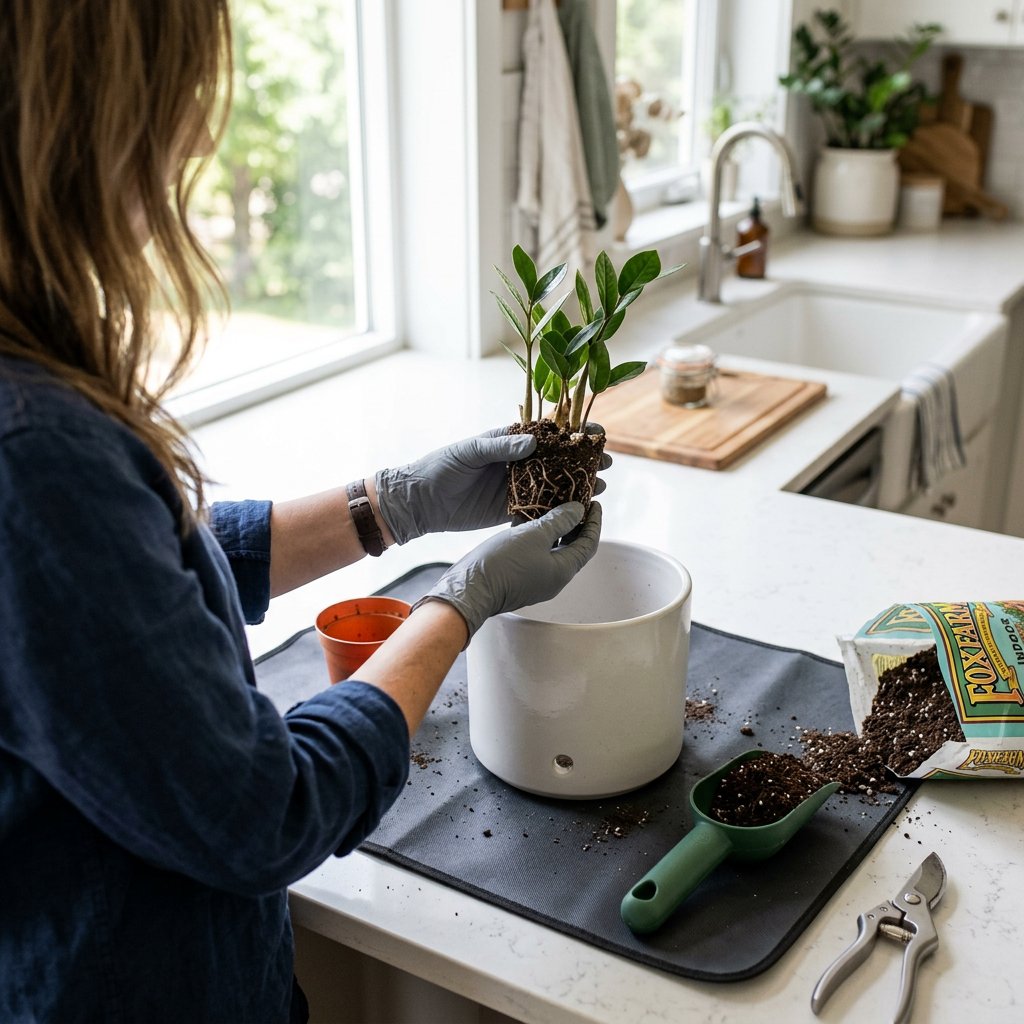
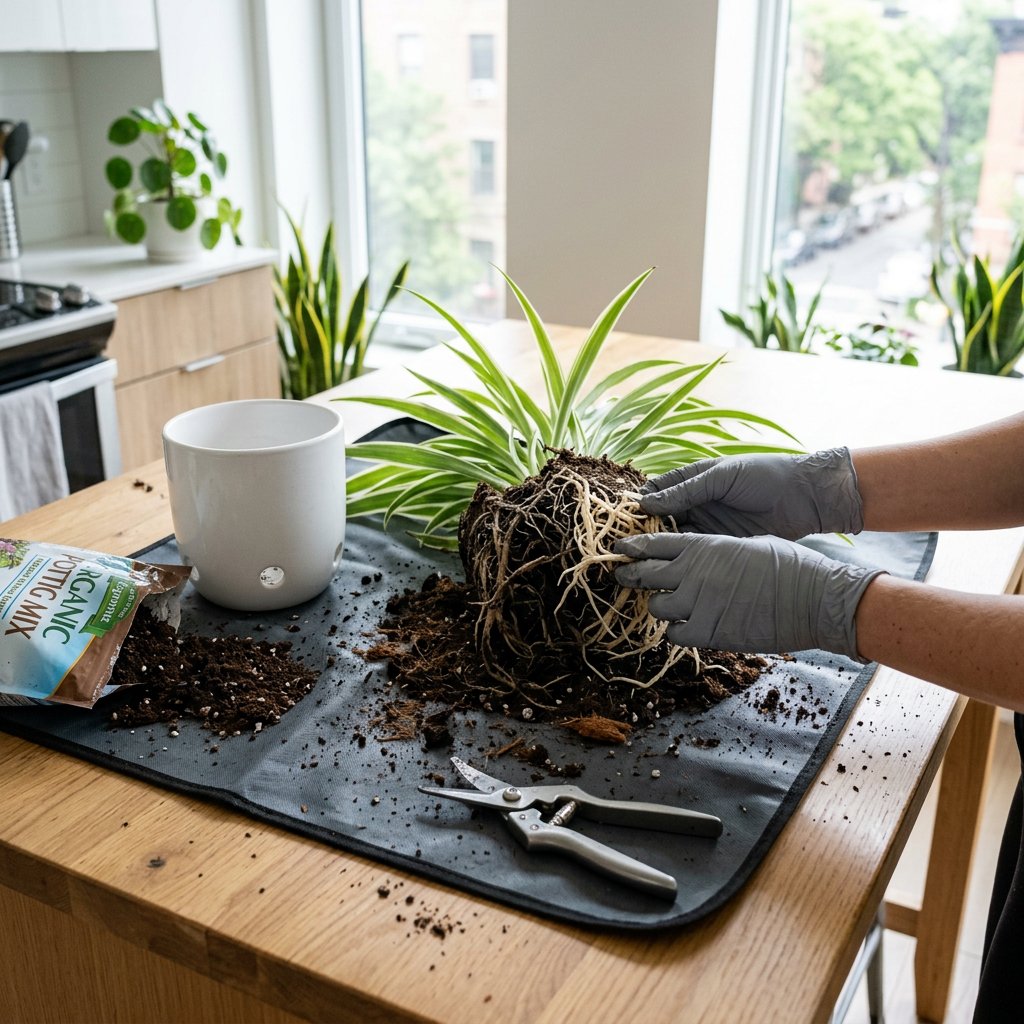
Gently pull your thyme out of its pot and massage away the wet dirt to expose the root system. Take a close look. If you see firm, light-colored roots among the mushy ones, your plant is highly salvageable!
Step 2: Prune the Rot
Using a pair of sterilized scissors or pruning shears (wiped down with rubbing alcohol), carefully snip away any roots that are black, mushy, or stringy. Be thorough—leaving rotting tissue behind can allow the fungal infection to spread.
Step 3: Repot with the Right Mix (Prevention)
To prevent root rot from ever coming back, you must upgrade your plant's living conditions.
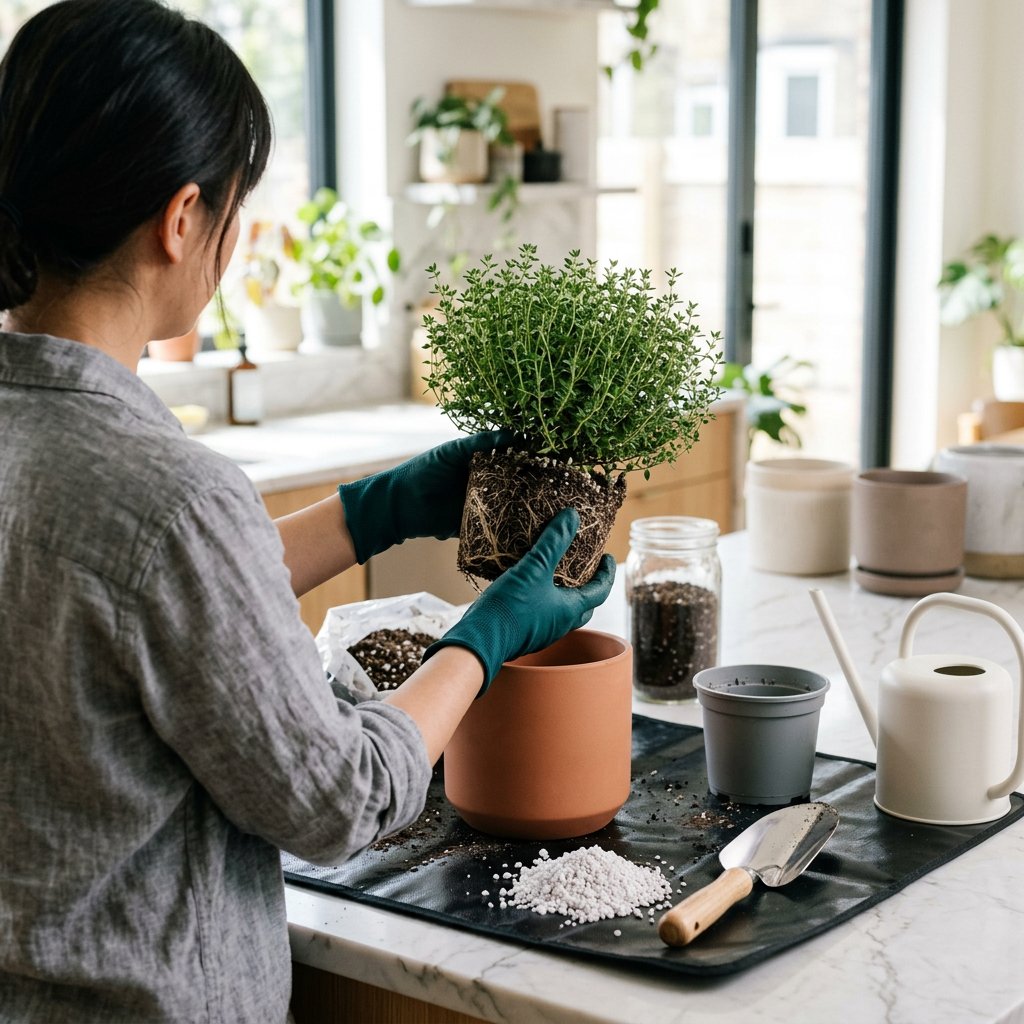
- The Pot: Always use a pot with at least one large drainage hole. Terracotta pots are fantastic for thyme because the porous clay breathes, allowing excess moisture to evaporate from the sides.
- The Soil: Never use standard indoor potting soil straight out of the bag. Create a well-draining Mediterranean mix by blending 50% regular potting soil with 50% coarse sand, perlite, or pumice. This ensures water flows right through.
Step 4: Master the Watering Routine (Prevention)
The golden rule for thyme is to let the soil dry out almost completely between waterings.
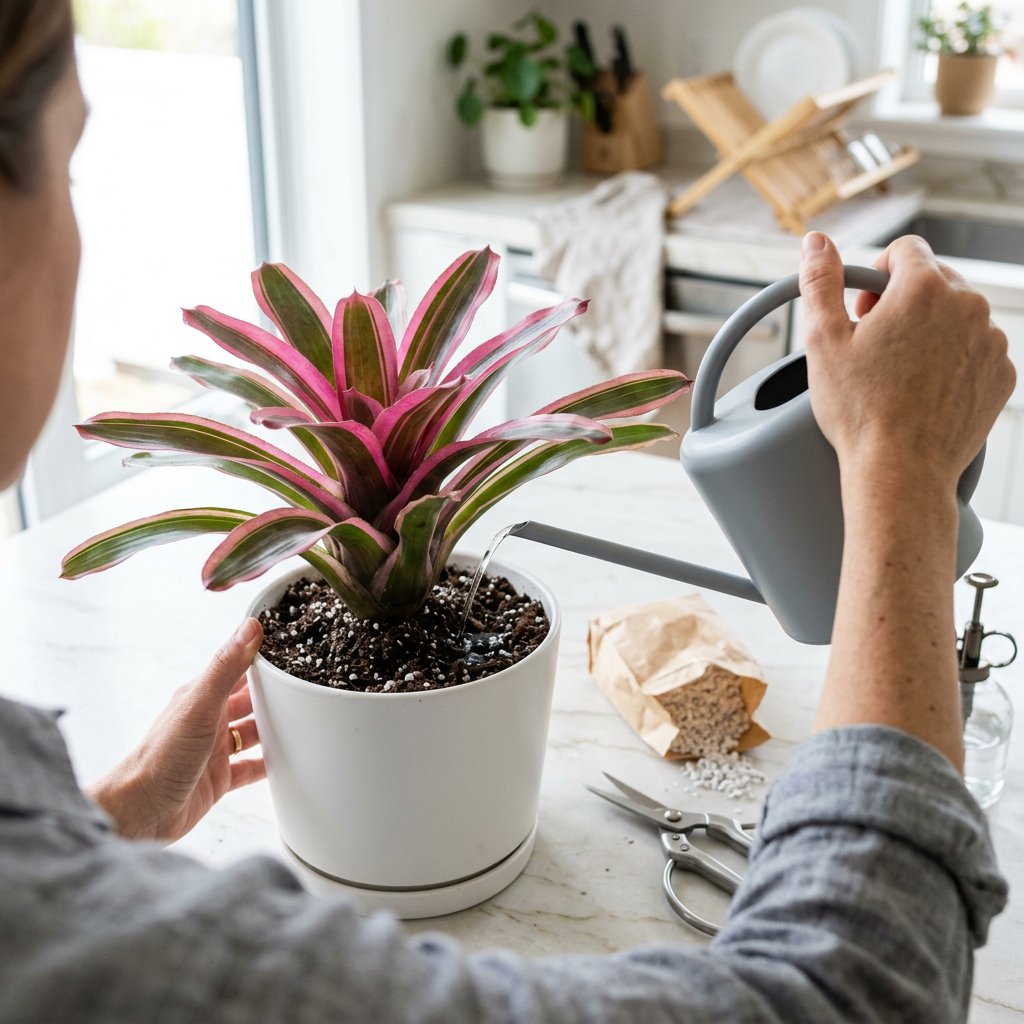
- The "Soak and Dry" Method: When it is time to water, soak the soil thoroughly until water runs out the bottom of the pot. Then, do not water again until the top two to three inches of soil feel completely bone-dry to the touch.
- Track Your Watering: It’s easy to accidentally overwater when you’re just guessing. You can set up a customized, smart watering schedule in the Plantiary app to remind you exactly when it’s time to check on your herbs.
Caring for plants is a continuous learning journey, and occasional setbacks are just stepping stones to becoming a better gardener. By giving your potted thyme the excellent drainage and dry conditions it craves, you'll be harvesting fresh, aromatic sprigs for months to come!