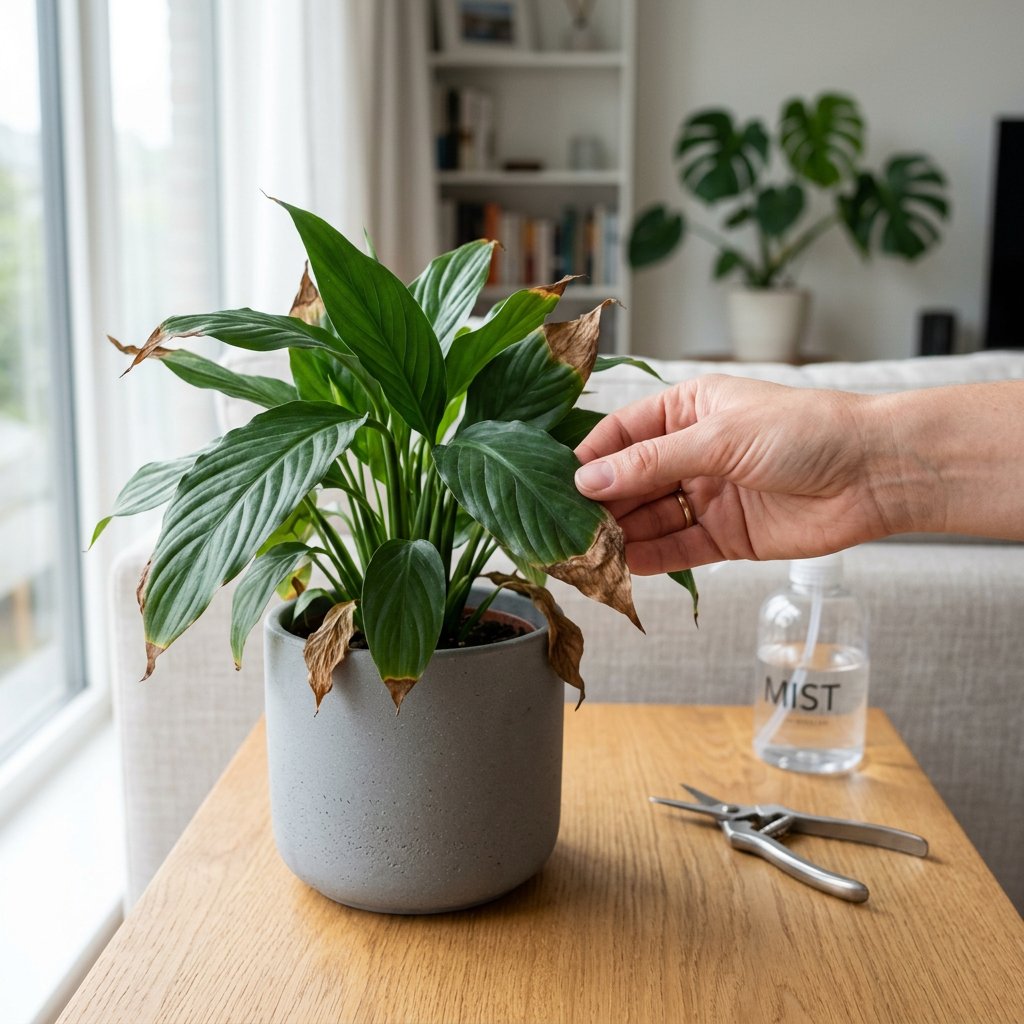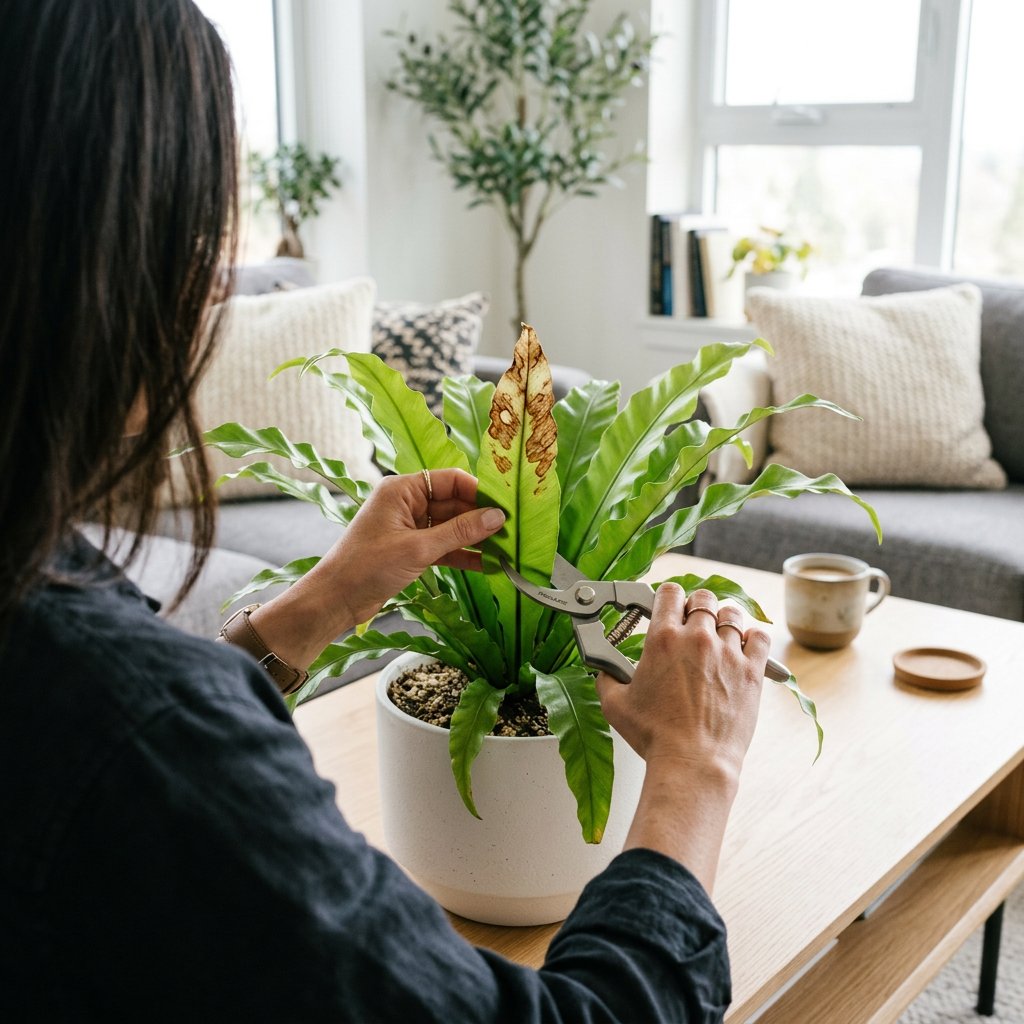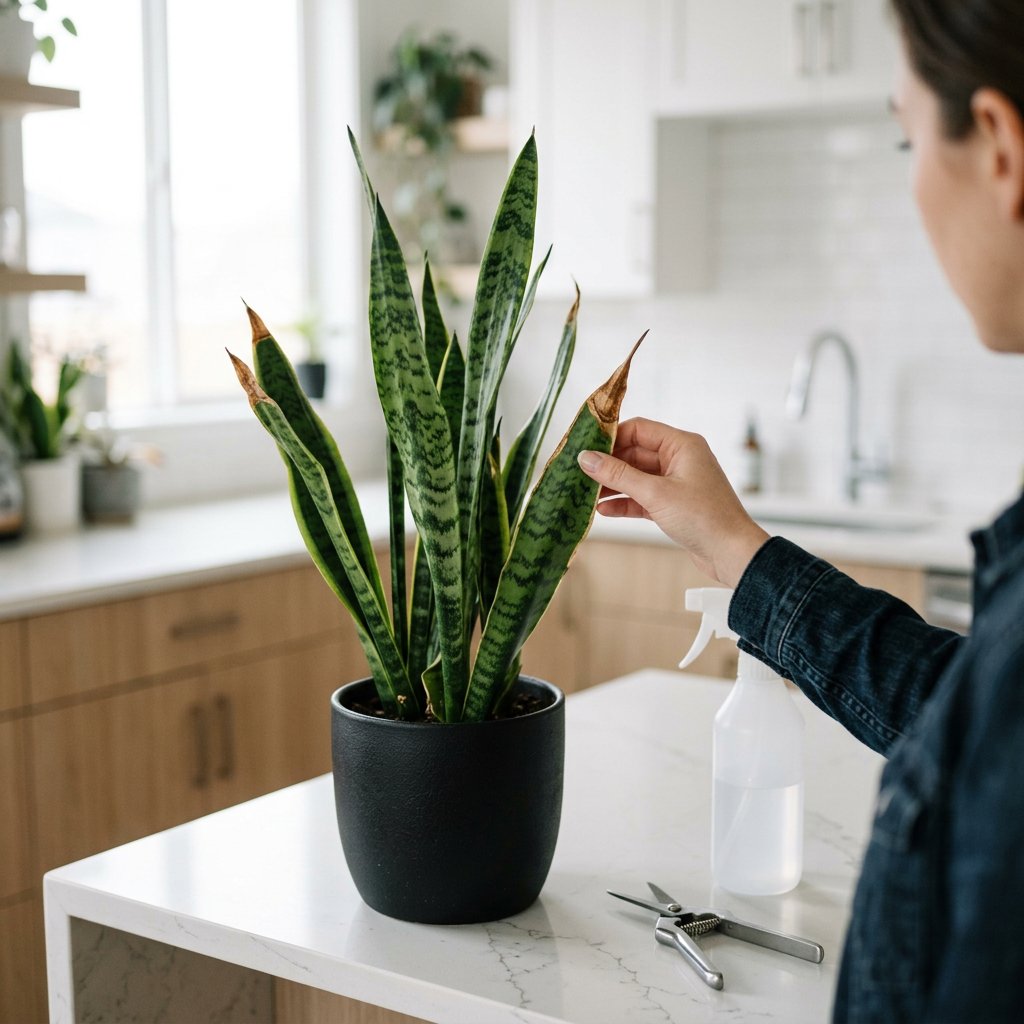
Snake plants (Sansevieria or Dracaena trifasciata) are famous in the houseplant world for being nearly indestructible. But if you’ve recently noticed crispy, brown tips on those beautiful, architectural leaves, take a deep breath! You are not a bad plant parent. Even the most resilient and easy-going houseplants can run into a little trouble now and then. Brown tips are simply your plant's way of asking for a slight adjustment in its daily care routine. Let's figure out what's going on and get your green friend back to thriving.
The Problem: Understanding Those Brown Tips
Before we jump into fixing the issue, let's take a closer look at the symptoms. Often, the very tips of the leaves become dry, brittle, and brown. Sometimes, this browning might be accompanied by yellowing—a condition botanists call chlorosis, which is simply a loss of the green pigment (chlorophyll) in the leaf. In other cases, the brown spots might feel soft or mushy rather than dry.
Paying attention to these details will help us pinpoint exactly what your plant is trying to tell you. If you are ever unsure what is wrong with your plant, you can use the AI-powered plant disease scanner in the Plantiary app to get an accurate diagnosis in seconds!
The Causes: Why Is My Snake Plant Getting Brown Tips?
There are a few common reasons why your snake plant is showing signs of stress. Let's break down the most likely culprits:
- Inconsistent Watering: While snake plants are highly drought-tolerant succulents, leaving them bone-dry for months and then suddenly flooding them can cause cellular stress, leading to dry, crispy tips.
- Overwatering and Root Rot: If the brown tips are accompanied by mushy, yellowing bases, you might be giving your plant too much love (and water!). Snake plants store water in their fleshy leaves. Too much moisture in the soil causes the roots to suffocate and rot, preventing essential nutrients from traveling up to the tips of the plant.
- Water Quality: Tap water often contains heavy minerals, chlorine, and fluoride. Over time, these minerals build up in the potting soil and are pulled into the plant, causing "tip burn" (a harmless but unsightly chemical burn on the leaf tips).
- Temperature Stress and Drafts: Placing your plant too close to a heating vent, radiator, or a drafty winter window can physically dry out or freeze the delicate tips.
- Physical Damage: Sometimes, it’s just life! People walking by or curious pets brushing past the plant can bump and bruise the tips. These bruises eventually scar over and turn brown.
The Solutions: Step-by-Step Treatment to Revive Your Plant
While you cannot reverse a brown tip once it has formed—dead tissue won't turn green again—you can absolutely stop it from spreading and protect the rest of your beautiful plant. Here is how to fix the underlying issues:
Step 1: Assess your watering habits Check the moisture level of the soil before you water. Push a finger about two inches into the dirt; it should feel completely dry before you add a single drop of water. If it still feels moist, step away and wait a few more days.
Step 2: Upgrade your water source If you suspect harsh tap water is the culprit, try switching to filtered water or rainwater. If that isn't an option, simply fill your watering can with tap water and leave it out uncovered overnight. This allows the chlorine to evaporate before you water your plant.
Step 3: Inspect the roots If your soil has been soggy for an extended period, gently pull the plant out of its pot to check the roots. Healthy roots are firm and light-colored. If you see dark, mushy roots, carefully trim them away with sterile scissors. Repot your snake plant in a fresh, well-draining cactus or succulent soil mix.
Step 4: Relocate your plant Check your plant's environment. Move your snake plant away from harsh drafts, AC units, and heating vents. They prefer stable, room-temperature spots where they can enjoy indirect sunlight in peace.
Step 5: Prune for aesthetics (Optional) If the brown tips are bothering you visually, you can carefully snip them off using clean, sharp scissors. To do this, cut just slightly above the brown line so you don't cut into the healthy green tissue. Cutting into the green part will just create a new wound that will eventually dry and turn brown again.
Don't let a few brown tips discourage you! Plant care is a beautiful journey of observing, learning, and making small tweaks. Your snake plant is incredibly forgiving and will bounce back with just a little bit of mindful adjustments. For more tailored care guides, smart watering reminders, and expert tips to keep your urban jungle thriving, don't forget to keep your Plantiary app handy. You've got this!