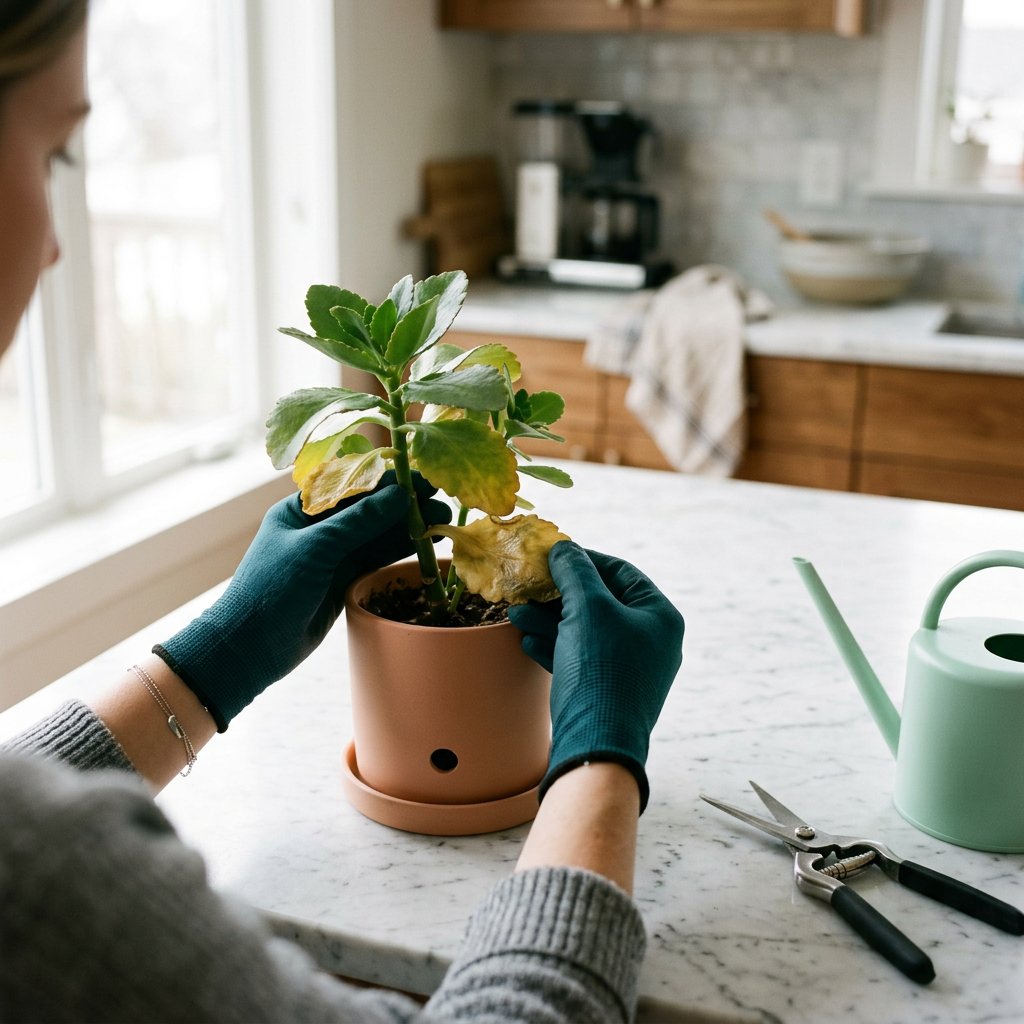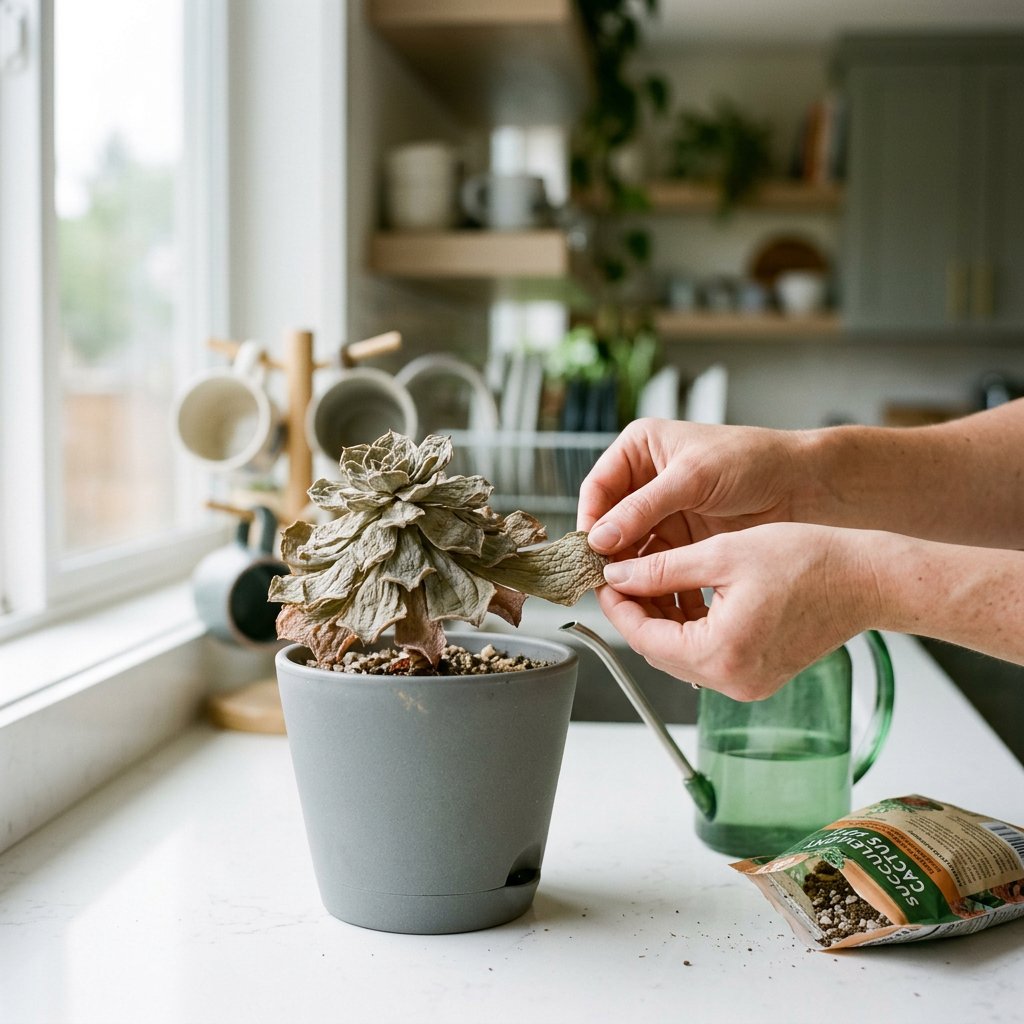
We’ve all been there. You walk up to your beautiful, sun-loving succulent only to find its once-plump leaves looking a little deflated. When you touch them, they feel uncomfortably soft, squishy, or even translucent.
Don't panic, and more importantly, please don't beat yourself up! Overwatering succulents is arguably the most common plant parent mistake in the book. Those mushy leaves are almost always a cry for help signaling a condition called root rot. Let's explore exactly what's happening beneath the soil and, most importantly, how to save your plant.
The Problem: Spotting the Symptoms of Root Rot
Before we start treating your plant, we need to make sure root rot is actually the culprit. While a slightly soft leaf can sometimes mean your plant is just thirsty, rot has a very distinct presentation. Look out for these signs:
- Mushy, translucent leaves: Instead of feeling like a firm grape, the leaves feel like a water balloon. They might look yellow or pale and fall off the stem at the slightest touch.
- A blackened or squishy stem: If the base of the plant (right near the soil line) feels like mush and looks dark, rot has definitely set in.
- A foul odor: Rotting roots often smell damp, swampy, and decay-like.
Pro Tip: If you are unsure what is wrong with your plant, you can use the AI-powered plant disease scanner in the Plantiary app to get an accurate diagnosis in seconds!
The Causes: Why Do Succulents Get Mushy?
Succulents are brilliant survivors native to arid, desert environments. They are specifically adapted to store water in their fleshy leaves, stems, and roots to survive long droughts. Because of this, they do not need—and cannot handle—constant moisture.
The primary causes of soft, mushy succulents include:
- Overwatering: Giving them water too frequently doesn't allow the soil to dry out between waterings.
- Poor drainage: Pots without drainage holes or soil that is too dense will trap water at the bottom of the pot.
When soil stays continuously wet, the roots suffocate. They can't exchange gases, leading to hypoxia (a severe lack of oxygen). This suffocated, wet environment is the perfect breeding ground for fungal and bacterial pathogens naturally present in the soil. These pathogens attack the weakened roots, literally turning them to mush.
The Solutions: Step-by-Step Root Rot Treatment
If your succulent is showing signs of rot, you need to act quickly. The longer it sits in wet soil, the further the rot will spread up the stem. Here is your step-by-step rescue mission:
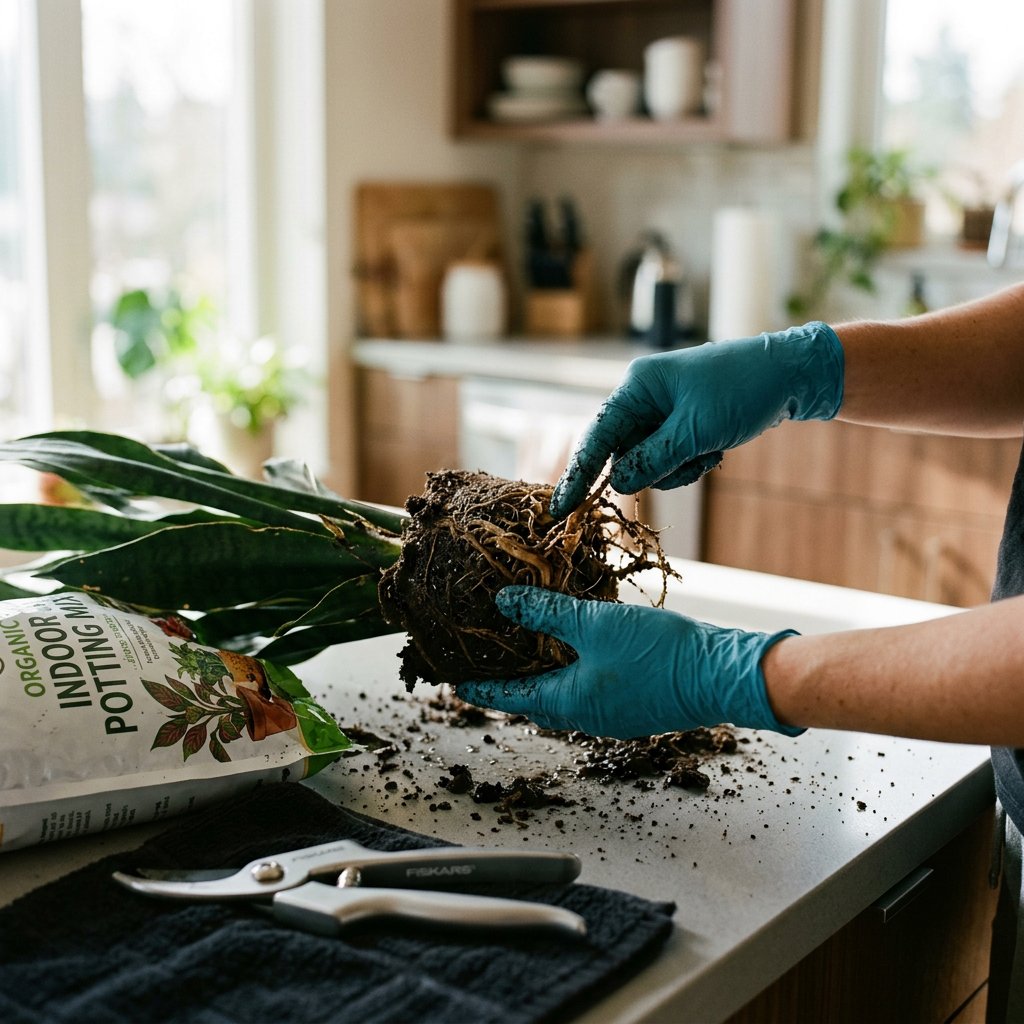
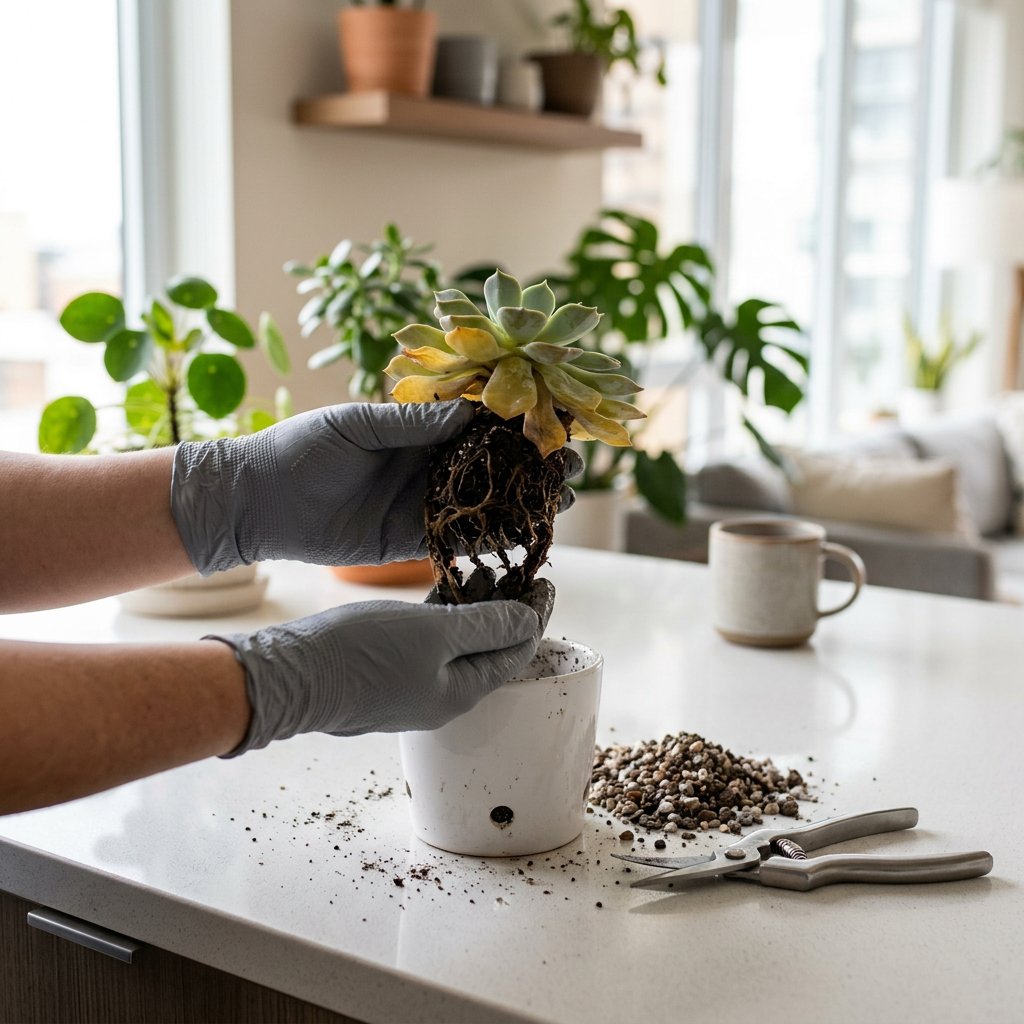
Step 1: Unpot and Inspect Gently remove the succulent from its wet soil. Carefully wash away the dirt under room-temperature running water to get a clear look at the root system. Healthy roots are usually white or light brown and feel firm. Rotted roots are dark brown or black, slimy, and stringy.
Step 2: Perform Plant Surgery Using scissors or pruning shears sterilized with rubbing alcohol, cut away all the black, mushy roots and any rotting stem tissue. You must cut until you only see healthy, firm, green or white tissue inside the stem. Leaving even a tiny microscopic bit of rot behind can cause the infection to continue spreading.
Step 3: Let it Callus Do not put the plant back in soil immediately! Leave your newly trimmed succulent out in the open in a dry, bright spot (out of direct sunlight) for 3 to 5 days. The cut ends need to callus—meaning they will form a dry, protective scab over the wound. This naturally seals the plant and prevents new bacteria from entering.
Step 4: Repot in Proper Soil Once callused, plant your succulent in a fresh, dry cactus or succulent mix. This type of soil contains plenty of coarse sand, perlite, or pumice to ensure rapid drainage. Always use a pot with a drainage hole. Terracotta pots are highly recommended because the porous clay breathes, pulling excess moisture away from the soil.
Step 5: Hold the Water Wait at least one to two weeks before watering your newly repotted plant. This gives the recovering roots time to settle into their new home without the threat of immediate moisture.
What if the stem is completely rotted?
If you unpot your plant and find that the rot has traveled all the way up the stem, the main plant may not be salvageable. But don't give up! Gently twist off any remaining firm, healthy leaves from the top of the plant. Let those leaves callus for a few days, and lay them flat on top of dry succulent soil. In a few weeks, they will sprout tiny pink roots and grow into brand-new baby succulents.
Saving a mushy succulent might seem daunting at first, but it's a fantastic learning experience. Remember, plant care is a journey of trial and error. To help you avoid overwatering in the future, try setting up a custom watering schedule and tracker in the Plantiary app. It will remind you when it's actually time to water, keeping your desert beauties plump, happy, and rot-free. You've got this!