There is nothing quite like the striking, fenestrated (split) leaves of a Monstera deliciosa to make your indoor jungle feel complete. But when those magnificent, broad leaves suddenly start drooping and looking sad, it is completely normal to feel a wave of plant-parent panic! Take a deep breath. A drooping Monstera is simply your plant's way of communicating that it needs a little adjustment in its routine. Plant hiccups happen to all of us, from beginners to seasoned botanists. Let’s get to the root of the problem and perk those leaves right back up!
The Problem: Understanding the Droop
When a plant suddenly goes limp, it is usually experiencing a loss of turgor pressure. Turgor pressure is the internal water pressure inside the plant’s cells that keeps the stems stiff and the leaves standing tall. When this pressure drops, the plant literally deflates, leading to limp, drooping foliage.
When observing your Monstera, look out for these accompanying symptoms:
- Soft, easily bendable stems.
- Leaves pointing downward instead of fanning outward.
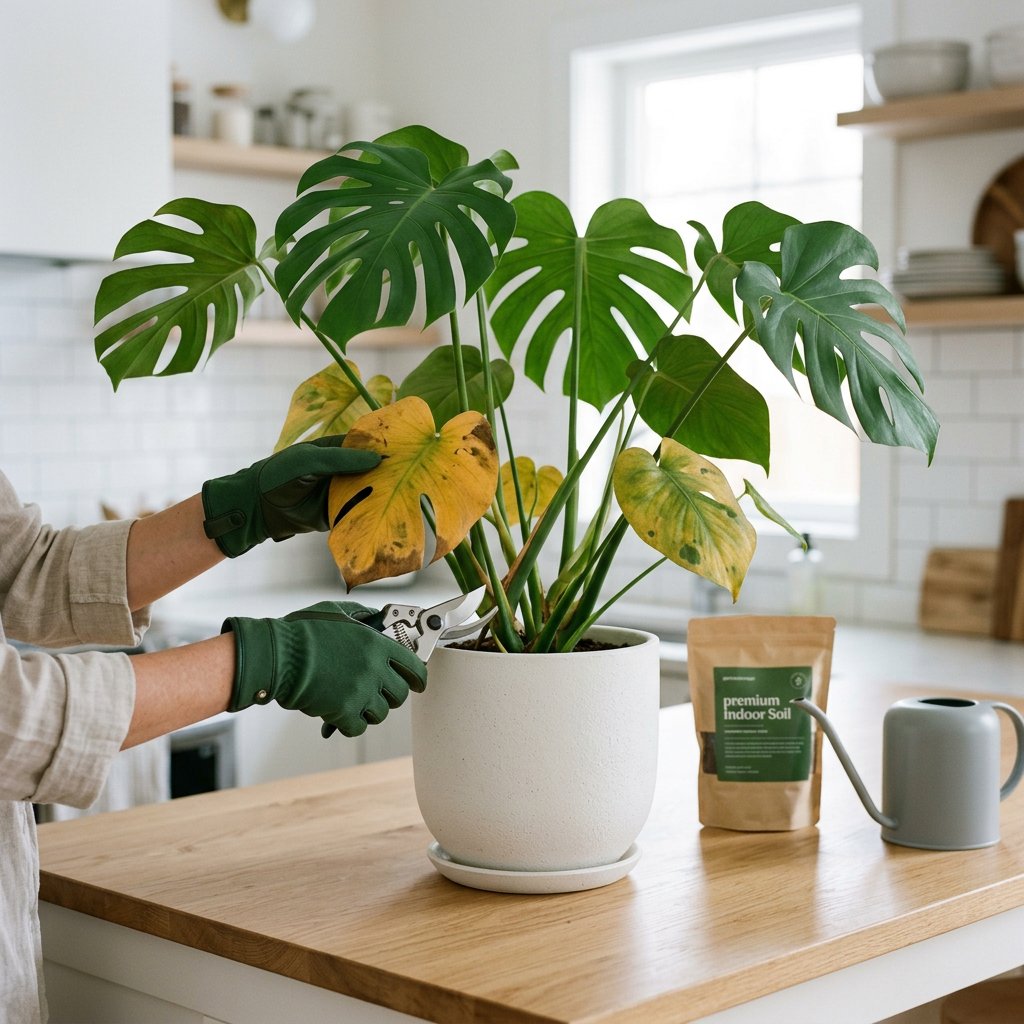
- Curling leaf edges or yellowing, which often provide clues to the underlying issue.
The Causes: Why is My Monstera Sad?
To fix the droop, we first need to figure out what is causing that drop in cellular water pressure. Plants droop for a few different reasons, but here are the most common culprits:
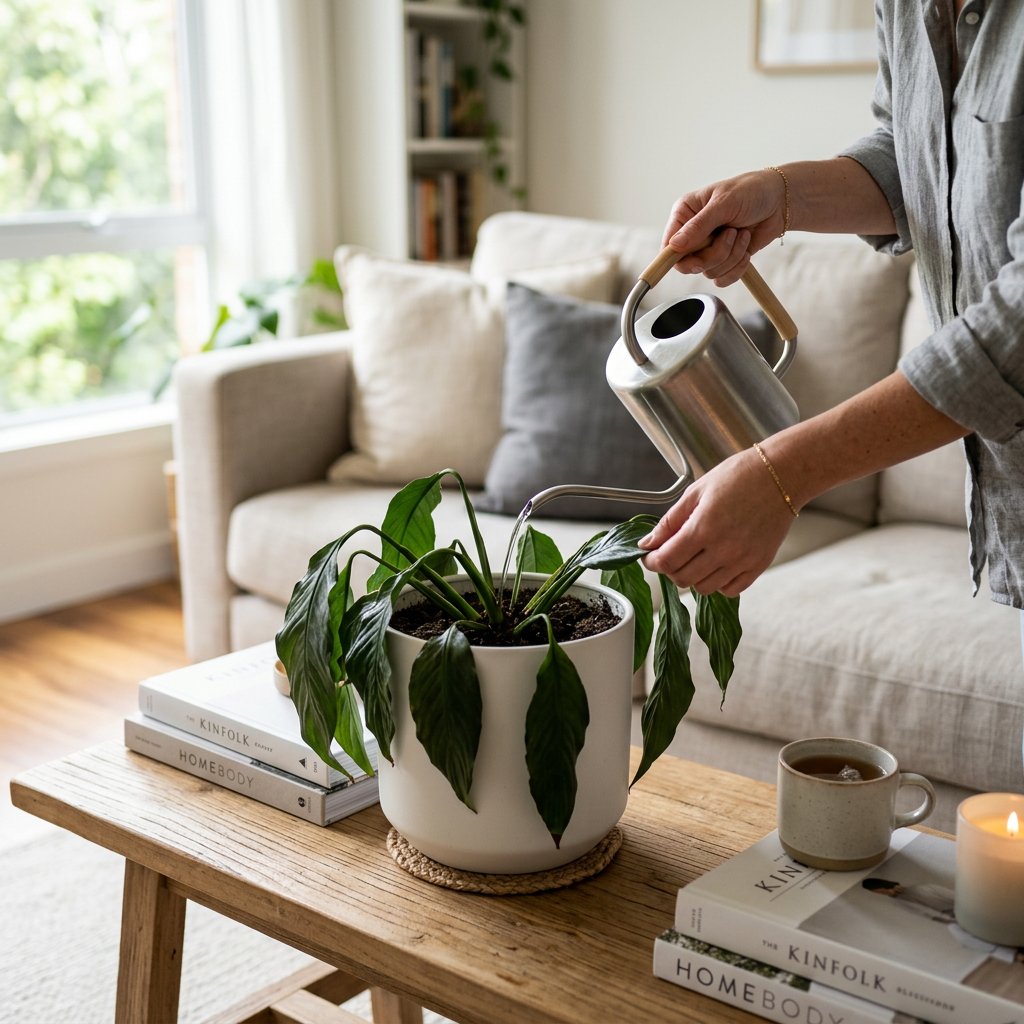
- Underwatering: This is the most frequent and easiest-to-fix cause. If there isn't enough moisture in the soil, the plant's roots cannot pull up water, and the plant loses its structural support.
- Overwatering and Root Rot: Ironically, giving your plant too much water also causes drooping. If the soil stays constantly soggy, the roots suffocate from a lack of oxygen and begin to decay—a condition known as root rot. Dead roots cannot absorb water, leaving the foliage severely dehydrated despite sitting in a puddle.
- Temperature Stress: Monsteras are tropical plants. Sudden cold drafts from AC units or blasts of dry heat from radiators can send them into shock, causing their leaves to droop defensively.
- Transplant Shock: If you recently moved your Monstera to a new pot or disturbed its root system, the plant might be experiencing temporary stress as it adapts to its new home.
- Top-Heavy Growth: As a vining plant, a Monstera will naturally begin to bend and droop under its own weight as it matures if it doesn't have a structure to climb.
If you are unsure exactly what is wrong with your plant, don't worry! You can use the AI-powered plant disease scanner in the Plantiary app to snap a quick photo and get an instant, accurate diagnosis.
The Solutions: Step-by-Step Treatment
Ready to rescue your Monstera? Follow these scientifically sound, step-by-step methods to restore its health.
Step 1: Check the Soil Moisture
The very first thing you must do is the "finger test." Push your index finger about two to three inches deep into the topsoil.
- If the soil feels completely dry: Your plant is thirsty! Give it a thorough, deep watering until you see water running out of the drainage holes at the bottom of the pot.
- If the soil feels soaking wet and smells slightly sour: You are likely dealing with overwatering. Skip watering and move directly to Step 2.
Step 2: Inspect and Treat the Roots (If Overwatered)
If the soil is waterlogged, you need to check the root system. Gently pull the Monstera out of its pot. Healthy roots are firm and pale. If the roots are mushy, dark brown, or slimy, you have root rot. Using sterilized scissors, carefully trim away the decaying roots. Repot the plant in a fresh, chunky, well-draining soil mix (mixing standard potting soil with generous handfuls of perlite and orchid bark works wonders).
Step 3: Optimize the Environment
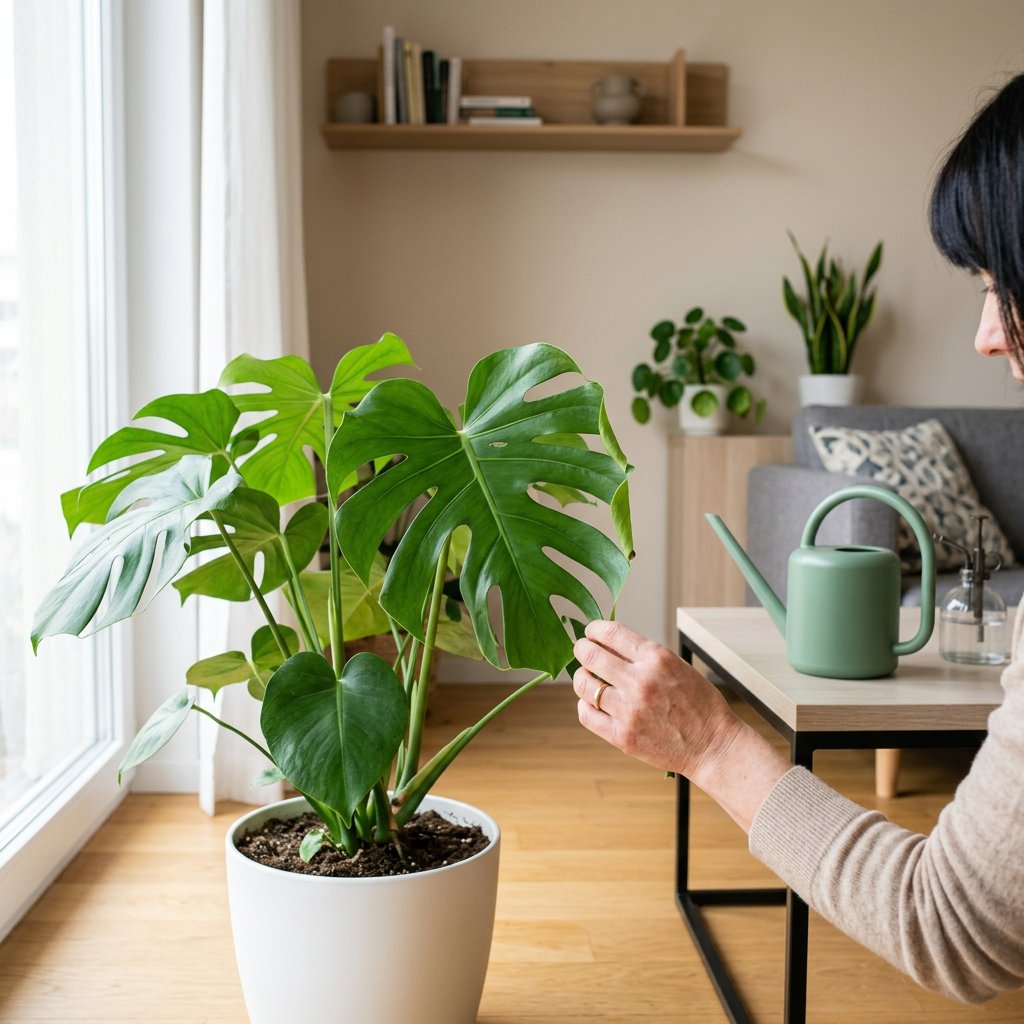
Ensure your Monstera is receiving bright, indirect sunlight. Place it near an east-facing or west-facing window where it can see the sky but isn't getting scorched by harsh, direct afternoon sun. Keep your plant away from drafty windows, air vents, and space heaters. Monsteras thrive in temperatures between 65°F and 85°F (18°C - 29°C).
Step 4: Add a Support System
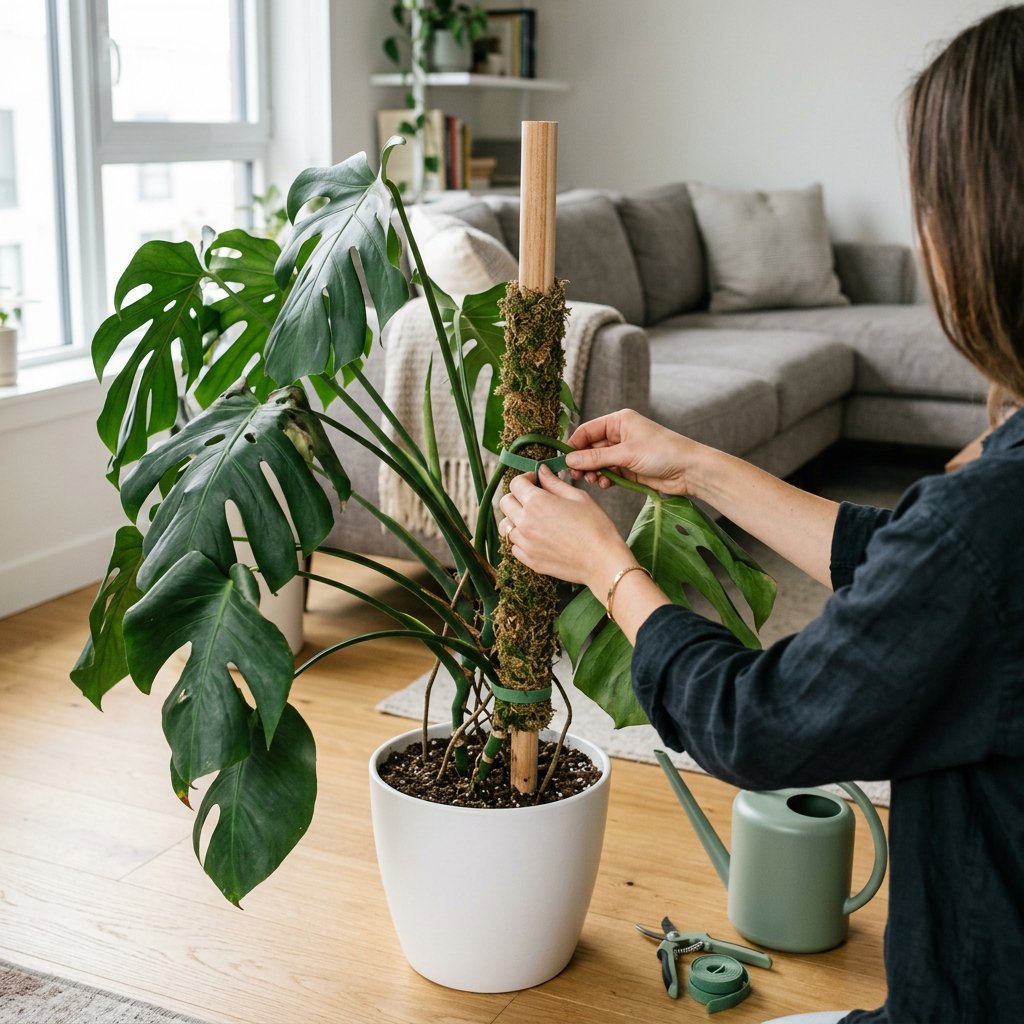
If your soil moisture is perfect and your roots are healthy, your plant might just be heavy! Because Monsteras are climbing vines by nature in the wild, add a moss pole, trellis, or bamboo stake to the pot. Gently tie the thickest main stems to the pole using plant velcro or soft twine to provide structural support.
Seeing your beloved Monstera droop can be stressful in the moment, but remember that plants are incredibly resilient. By checking the soil, adjusting your watering habits, and providing the right light, your plant will be reaching for the sun again in no time. To keep your Monstera thriving year-round, make sure to use the Plantiary app. You can set up smart, customized watering reminders, track your plant's growth over time, and keep your entire indoor jungle perfectly happy!