Let’s be honest—noticing a soft, collapsing stem on your beloved Baby Rubber Plant (Peperomia obtusifolia) can make your heart sink. These thick-leaved beauties are usually so resilient, but even the most attentive and loving plant parents run into issues from time to time.
If your plant is currently struggling, take a deep breath and please don't feel guilty! Plant care is a learning journey filled with trial and error. One of the most common hiccups indoor gardeners face is stem rot. The great news is that once you know what to look for, you can often stop it in its tracks. If you are ever unsure what is wrong with your plant, you can use the AI-powered plant disease scanner in the Plantiary app to get a diagnosis and peace of mind in seconds.
Here is exactly how to identify, understand, and stop stem rot in your Baby Rubber Plant.
The Problem: Spotting Stem Rot Symptoms
Before you can fix the issue, you need to confirm what is happening. Stem rot usually works its way from the soil upwards. Keep an eye out for these tell-tale signs:
- Mushy, blackened bases: The lower stem near the soil line feels squishy to the touch and has turned dark brown or black.
- Sudden leaf drop: Healthy-looking, plump green leaves begin falling off the plant at the slightest touch.
- Chlorosis: This is the botanical term for yellowing leaves, which happens when the plant cannot properly absorb nutrients or water.
- A damp, sour odor: Rotted plant tissue often gives off a faintly foul, swampy smell around the soil.
The Causes: Why is My Baby Rubber Plant Rotting?
To stop stem rot from returning, it helps to understand why it started. In almost all cases, stem rot is a combination of environmental factors and microscopic invaders.
- Overwatering: Baby Rubber Plants are semi-succulent, meaning they store water in their thick stems and fleshy leaves. Giving them water before the soil has dried out drowns their delicate root system.
- Poor Drainage: If your pot lacks drainage holes, or if the soil is too dense and heavy, water pools at the bottom.
- Fungal Pathogens: A pathogen is simply a microscopic organism—like bacteria or fungi—that causes disease. When roots suffocate in standing water, fungal pathogens (like Pythium or Rhizoctonia) thrive, attacking the dead roots and spreading quickly up into the stem.
The Solutions: Step-by-Step Treatment
If your plant is suffering from stem rot, acting quickly gives you the best chance of saving it. Follow these steps to nurse your plant back to health.
Step 1: Remove the plant from its pot
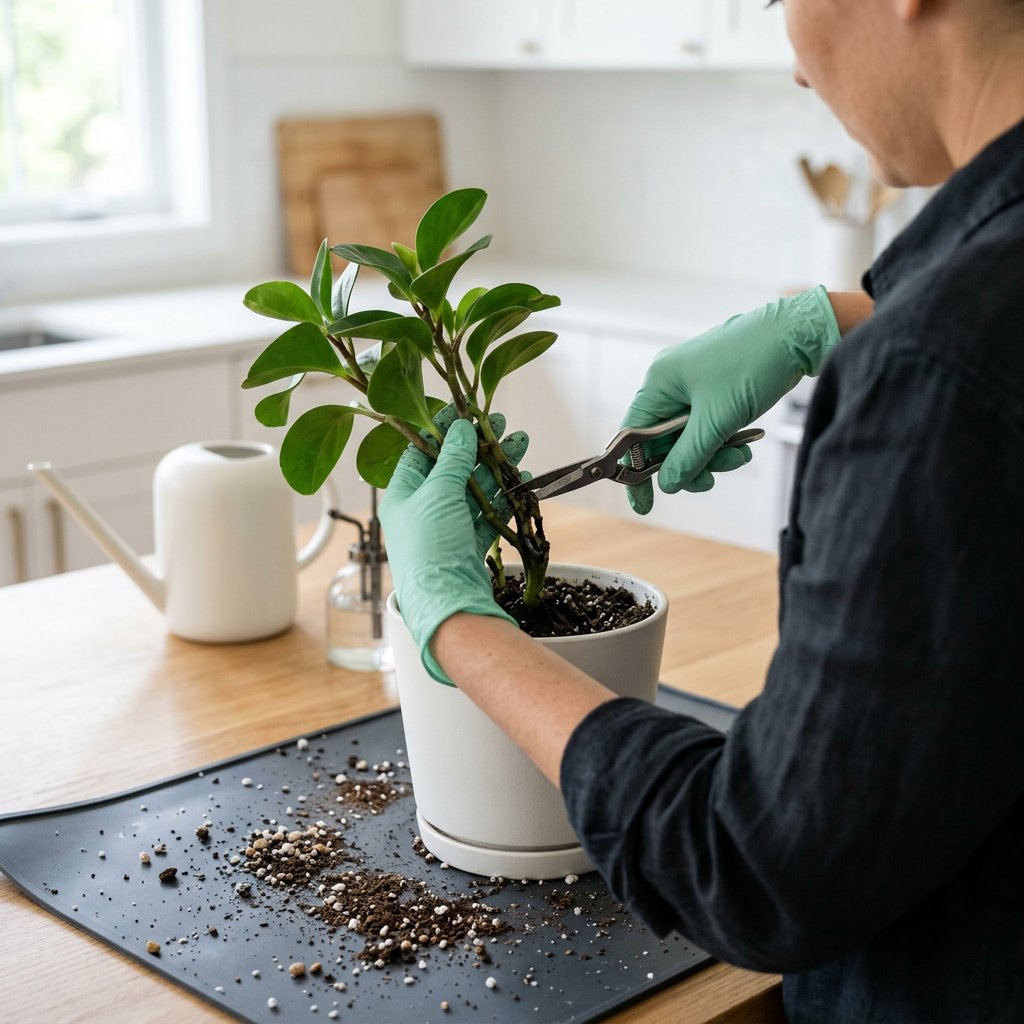
Gently slide the plant out of its container and massage the old soil away from the roots. Assess the damage. Healthy roots are firm and pale; rotted roots are slimy, dark, and break apart easily.
Step 2: Prune away the rot
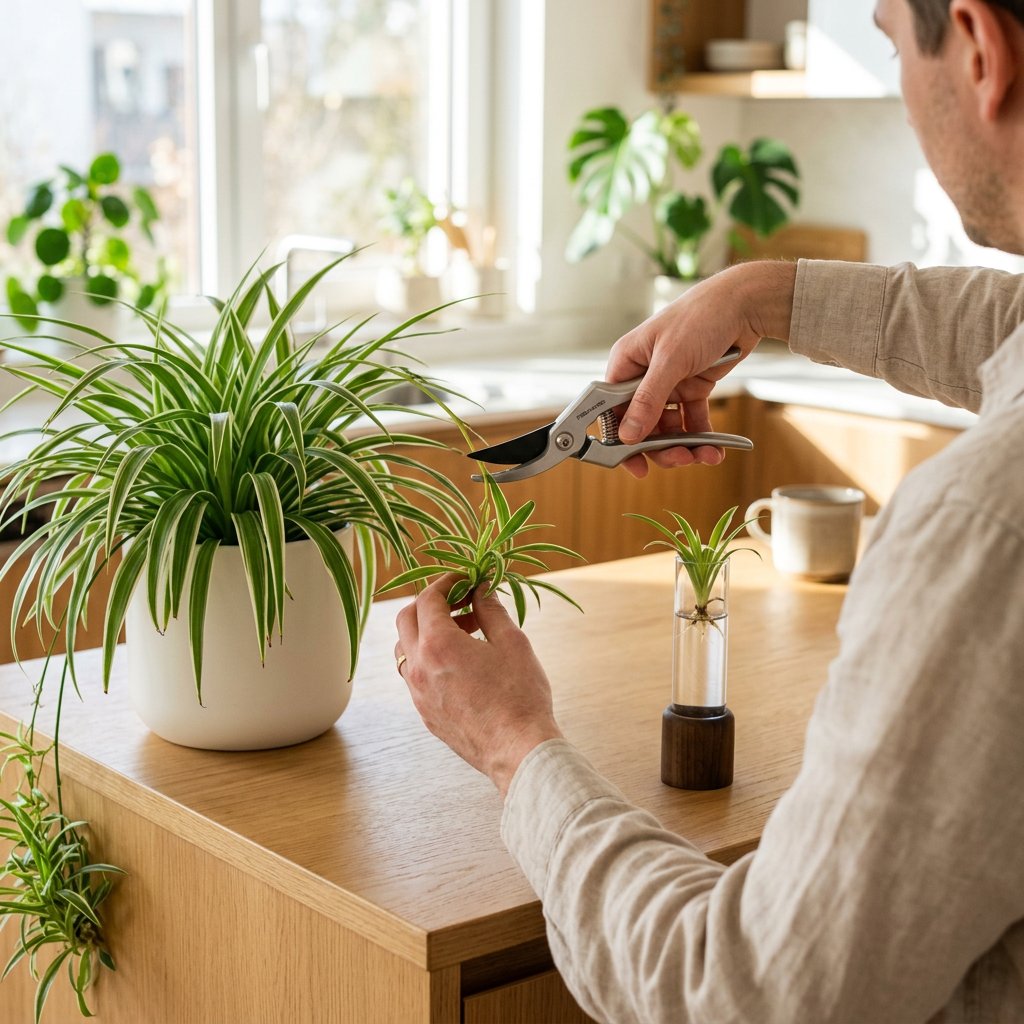
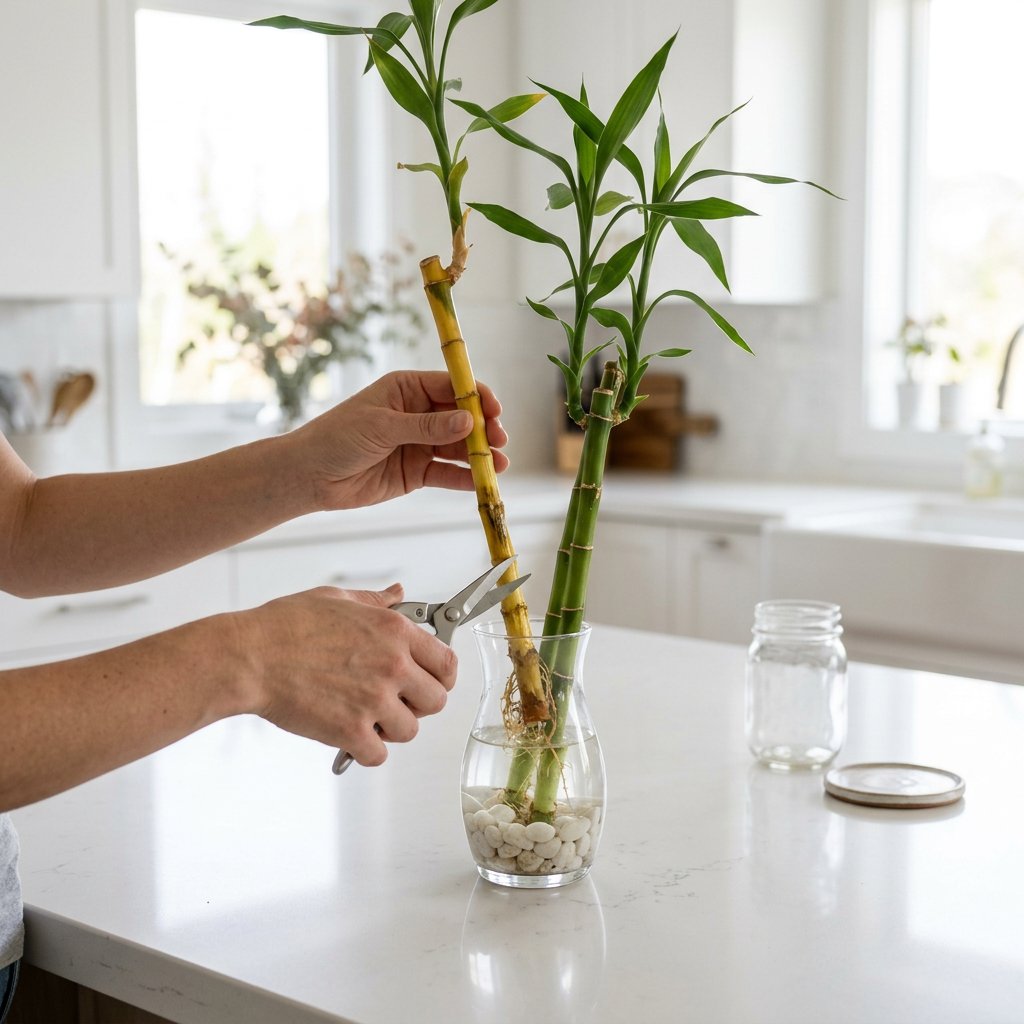
Wipe a pair of sharp scissors or pruning shears with rubbing alcohol to sterilize them. Carefully cut away all the mushy, blackened roots and soft stem tissue. You must cut until you only see firm, healthy green or white tissue inside the stem. Note: If the entire base is rotted, don't panic! You can snip off the healthy top portions of the stem and propagate them to start a brand new plant.
Step 3: Treat with a fungicide
To kill off any lingering fungal spores, you need to treat the remaining healthy stem and roots. You can spray the healthy tissue with a copper-based houseplant fungicide, or use a mild home solution of 1 part 3% hydrogen peroxide mixed with 3 parts water.
Step 4: Repot in fresh, well-draining soil
Never reuse the old, infected soil! Throw it away and wash your pot thoroughly with hot, soapy water. Repot your saved plant (or healthy cuttings) in a chunky soil mix. A blend of 50% standard indoor potting soil, 30% perlite, and 20% orchid bark is perfect for Peperomias. Ensure your pot has drainage holes at the bottom.
Step 5: Adjust your watering routine
Going forward, let the soil dry out completely between waterings. When you do water, soak it thoroughly until water runs out the bottom, then leave it alone. To take the guesswork out of your routine, you can log your plant into the Plantiary app and set up smart watering reminders tailored to your specific plant's needs.
Bouncing Back Better Than Ever
Seeing a plant go through a rough patch can be stressful, but by taking these actionable steps, you are doing a wonderful job as a plant parent. Plants are incredibly eager to live and grow, and with a quick soil change and a modified watering schedule, your Baby Rubber Plant will be back to pushing out glossy new leaves in no time. Happy planting!