It happens to the absolute best of plant parents. You walk up to your famously fast-growing, vibrant Tradescantia (often called the Inch Plant or Spiderwort), only to find its stems looking unexpectedly sad, limp, and suspiciously mushy at the base. Before you panic or blame yourself, take a deep breath! Stem rot is incredibly common in houseplants, and because Tradescantias are fiercely resilient, saving your beautiful trailing plant is entirely possible.
Plant care is a learning journey, and experiencing a bump in the road doesn't make you a bad plant owner. Let’s dive into exactly what is happening to your plant, why it occurred, and how you can rescue it.
Spotting the Problem: Symptoms of Stem Rot
The sooner you catch stem rot, the easier it is to fix. Tradescantias will usually give you a few visual clues when they are struggling at the base. Keep an eye out for these common symptoms:
- Mushy, blackened stems: The stems near the soil line feel soft, squishy, and lose their vibrant color.
- Limp, wilting foliage: The plant looks thirsty and droopy, even though the soil is wet.
- Yellowing or dropping leaves: Leaves near the base of the plant turn yellow and fall off with the slightest touch.
- A foul odor: If you sniff the soil and catch a sour, swampy, or decaying smell, rot is likely present.
Why is My Tradescantia Rotting? (The Causes)
To fix the problem, we first need to understand the root cause. In almost all cases, stem rot is a direct result of excess moisture.
- Overwatering & Poor Drainage: Plants need oxygen just as much as they need water. When roots sit in soggy, undrained soil, they suffer from anoxia—a simple botanical term for oxygen starvation. This suffocates the root system and creates the perfect breeding ground for fungal and bacterial pathogens that eat away at the stems and roots.
- Heavy Soil: Using standard, dense potting soil without added drainage materials (like perlite or pumice) traps water against the stems for far too long.
- Low Light: Plants use light to process water. If your Tradescantia is in a dim corner, it absorbs water much slower, leaving the soil wet for extended periods.
Pro Tip: If you notice strange spots on your leaves or stems and aren't quite sure what's going on, you can use the AI-powered plant disease scanner in the Plantiary app to get a quick, accurate diagnosis in seconds!
The Rescue Plan: Step-by-Step Treatment
Because Tradescantias have delicate, easily damaged root systems once rot sets in, the most successful rescue method involves propagation. Don't worry—these plants are famous for rooting faster than almost any other houseplant!
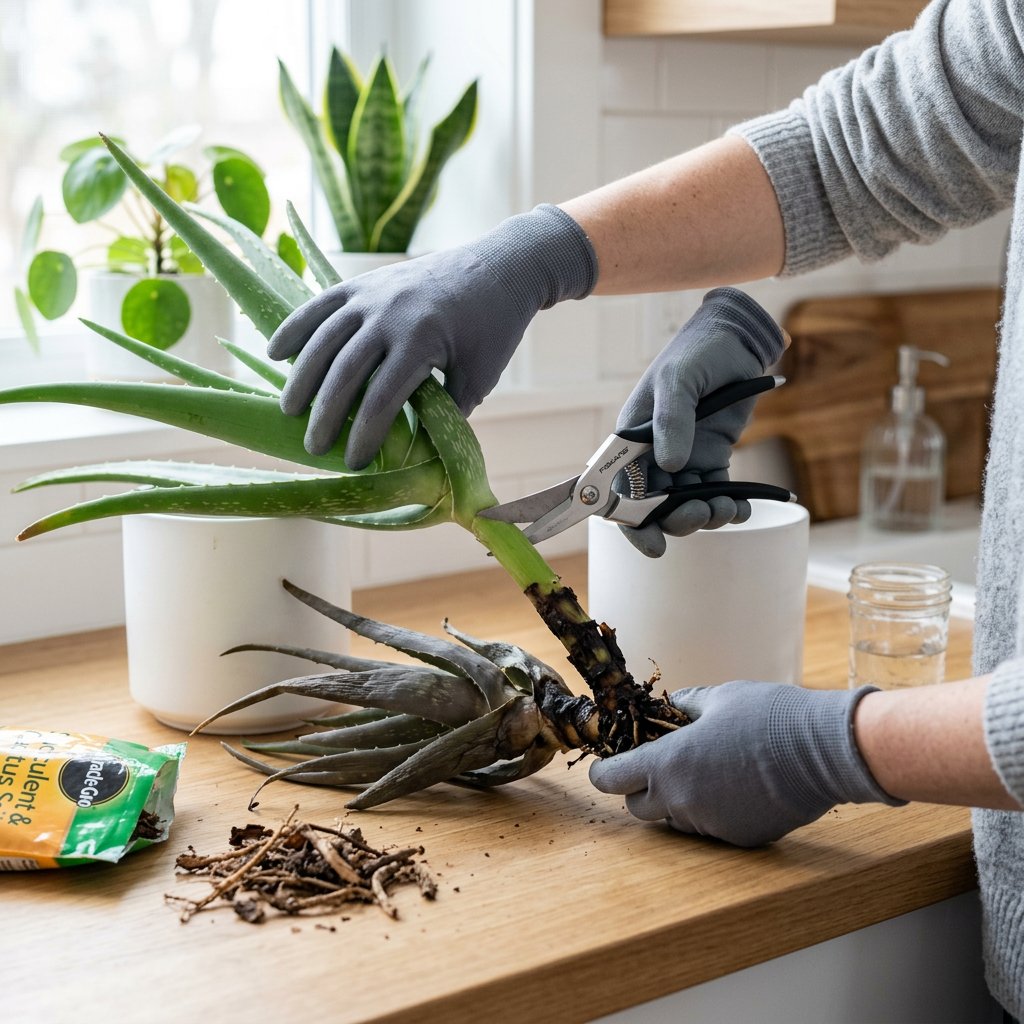
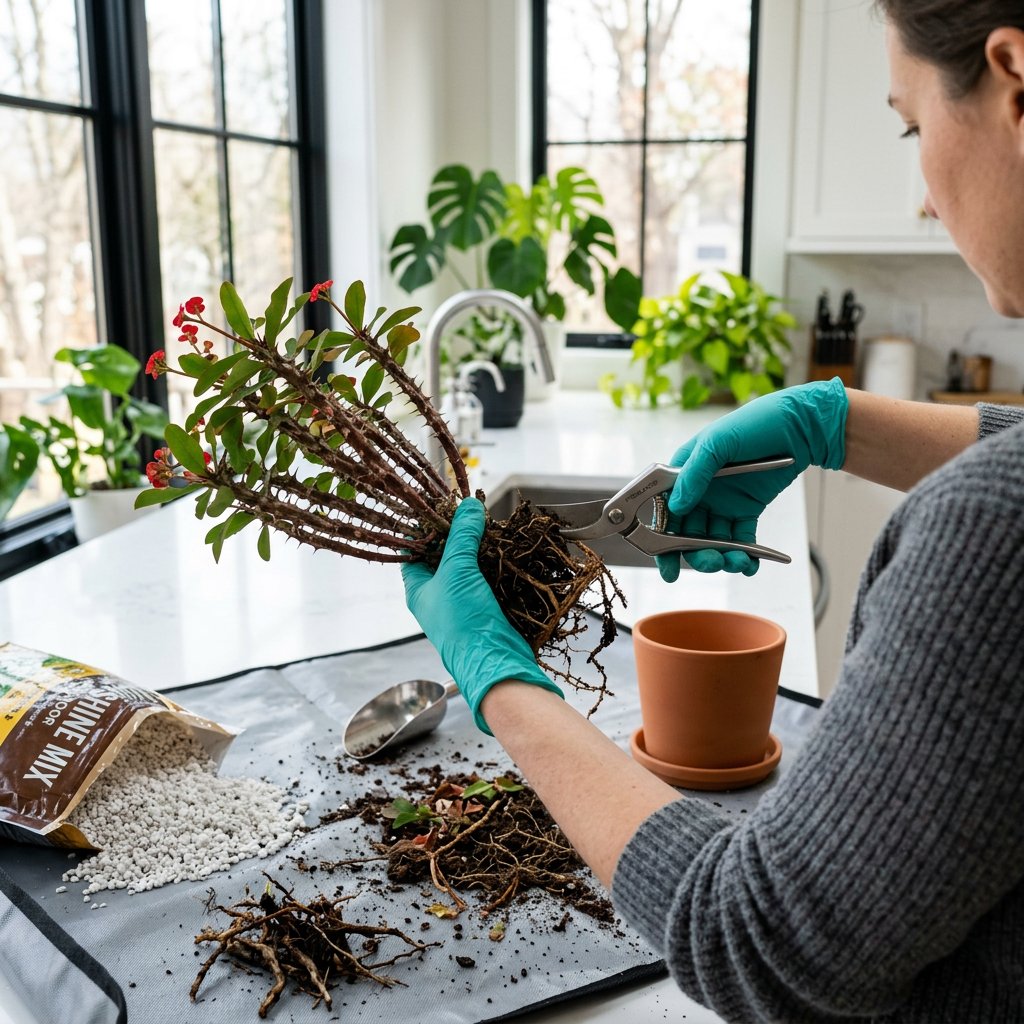
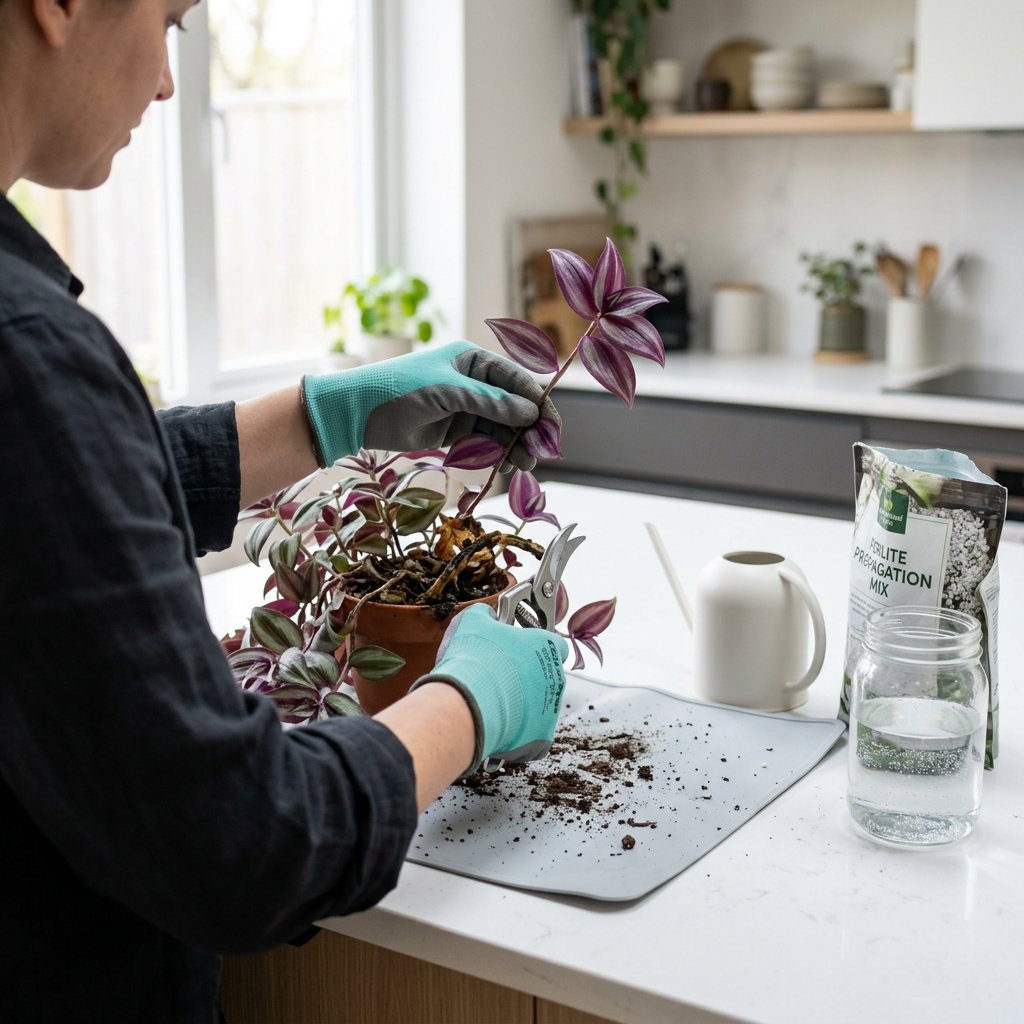
Step 1: Perform emergency surgery. Using clean, sterilized scissors, cut the healthy top portions of the stems away from the rotting base. You want to make your cut at least an inch above any brown, mushy spots to ensure no rot spreads to your cuttings.
Step 2: Prep your cuttings. Remove the bottom leaves from your healthy stem cuttings. You want to expose at least one or two nodes—the little swollen bumps on the stem where leaves attach. Nodes are where the plant's active growth cells live, and this is exactly where your new roots will sprout.
Step 3: Root the healthy stems. Place your cuttings in a glass of room-temperature water, ensuring the leafless nodes are submerged. Place the glass in bright, indirect light. Within just a few days to a week, you will see fresh, white roots emerge! Alternatively, you can plant these cuttings directly into fresh, slightly moist soil.
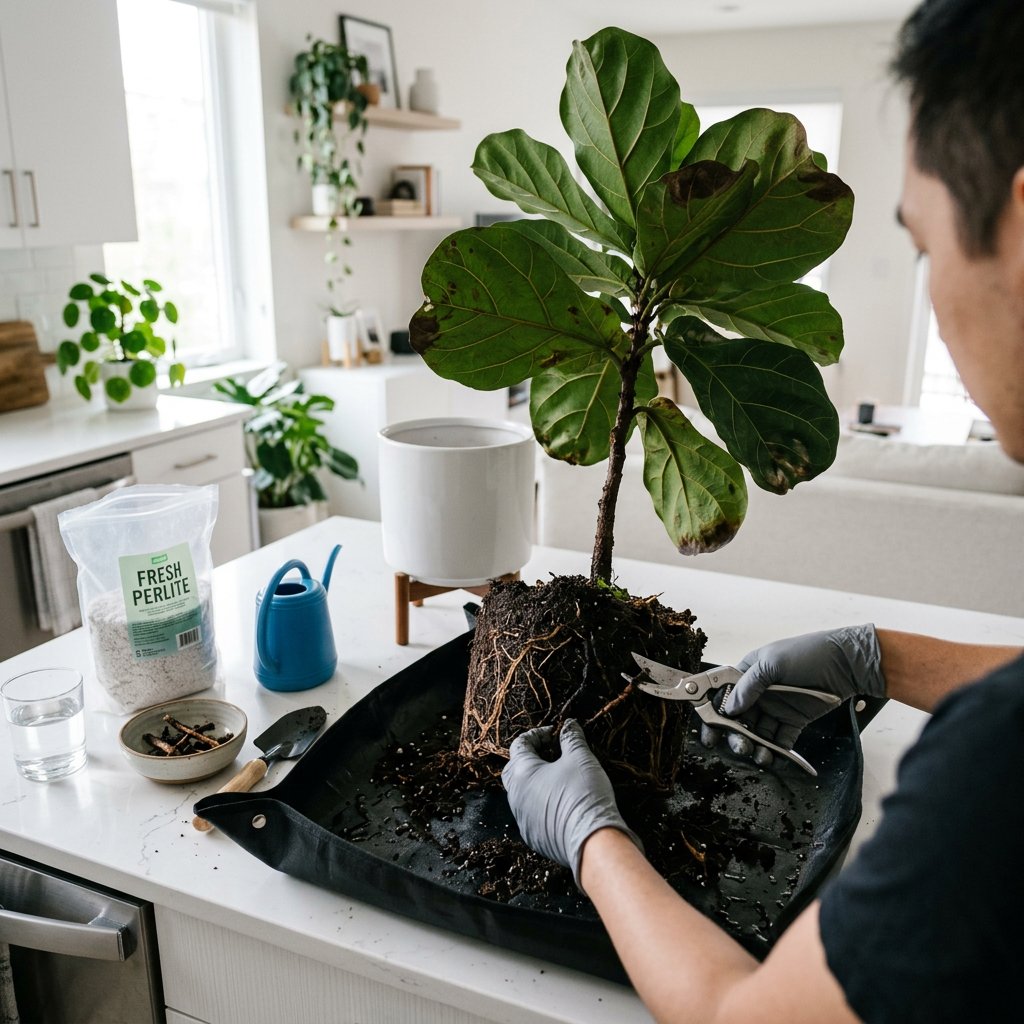
Step 4: Inspect the mother plant. If you want to try saving the original potted plant, gently pull it out of its pot. If the roots are entirely black, slimy, and smelly, it is best to discard the base and wash the pot thoroughly. If there are still firm, white roots attached to healthy stems, snip away the dead parts and repot the remaining plant in fresh, dry soil.
Preventing Future Heartbreak
Once your rescued Tradescantia is thriving again, you can keep rot away for good with a few simple adjustments:
- Upgrade your soil: Mix standard potting soil with generous amounts of perlite or orchid bark (about a 30-40% ratio). This creates air pockets and ensures excess water drains instantly.
- Always use drainage holes: Never plant a Tradescantia in a decorative pot without drainage holes. If you love a hole-less pot, use it as a "cachepot" and keep the plant in a plastic nursery pot inside it.
- Wait to water: Only water your plant when the top two inches of the soil feel completely dry to the touch.
To take the guesswork out of your routine, you can set up a customized care schedule in the Plantiary app. It will remind you exactly when it's time to check your Tradescantia's soil, ensuring you never accidentally overwater again.
Remember, rescuing a sick plant is a rite of passage. With a few quick snips and some fresh water, your Tradescantia will bounce back beautifully, fuller and happier than ever!