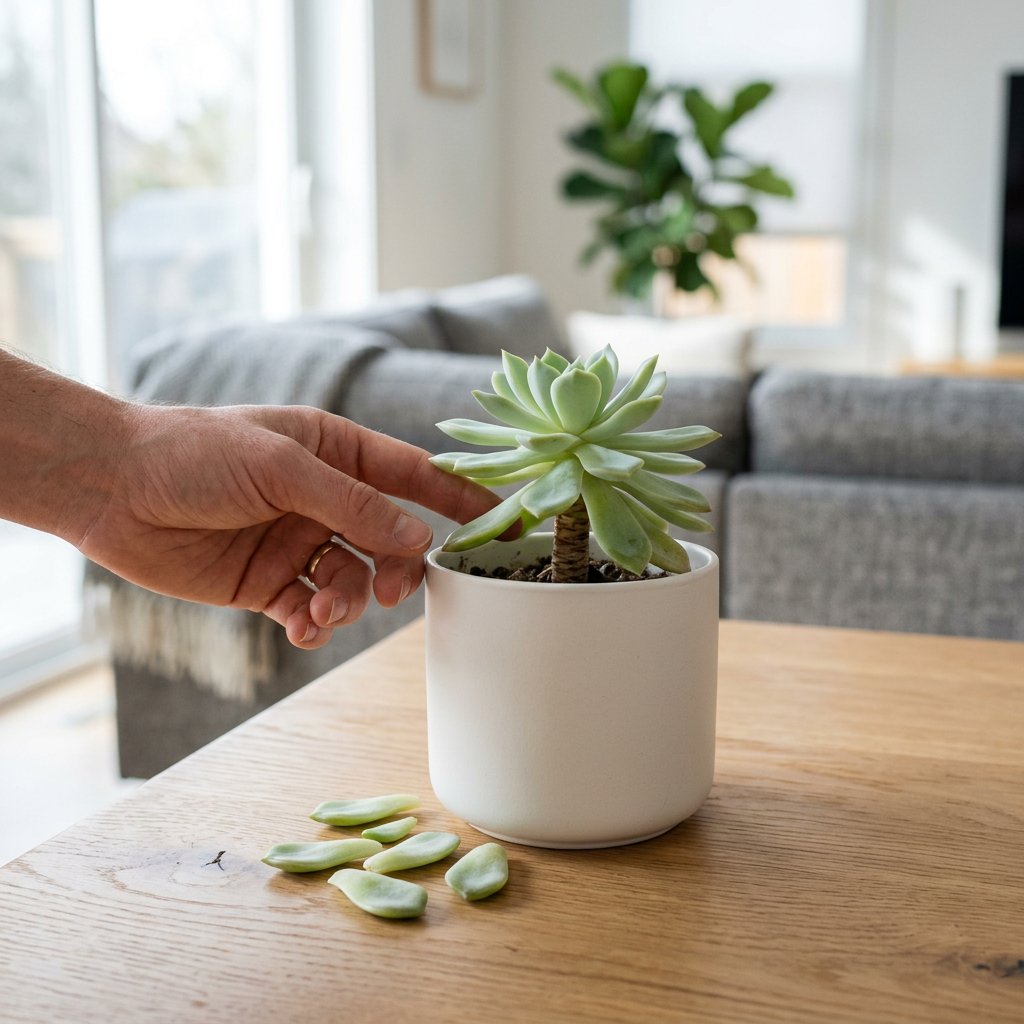
We’ve all been there. You gently brush past your beautiful succulent, or perhaps you just go to rotate its pot, and plop—a perfectly healthy-looking leaf falls right off. It can feel incredibly discouraging, especially when you are trying your best to keep your green friends happy. But take a deep breath! Leaf drop is a very common issue, even for seasoned plant parents. Let's figure out why your succulent is dropping leaves and exactly how to get it back to thriving.
Decoding the Symptoms: What Do the Fallen Leaves Look Like?
Before we jump to the cure, we need to play a little plant detective. The appearance of the leaves right before or after they fall will give us the biggest clues about what is going wrong.
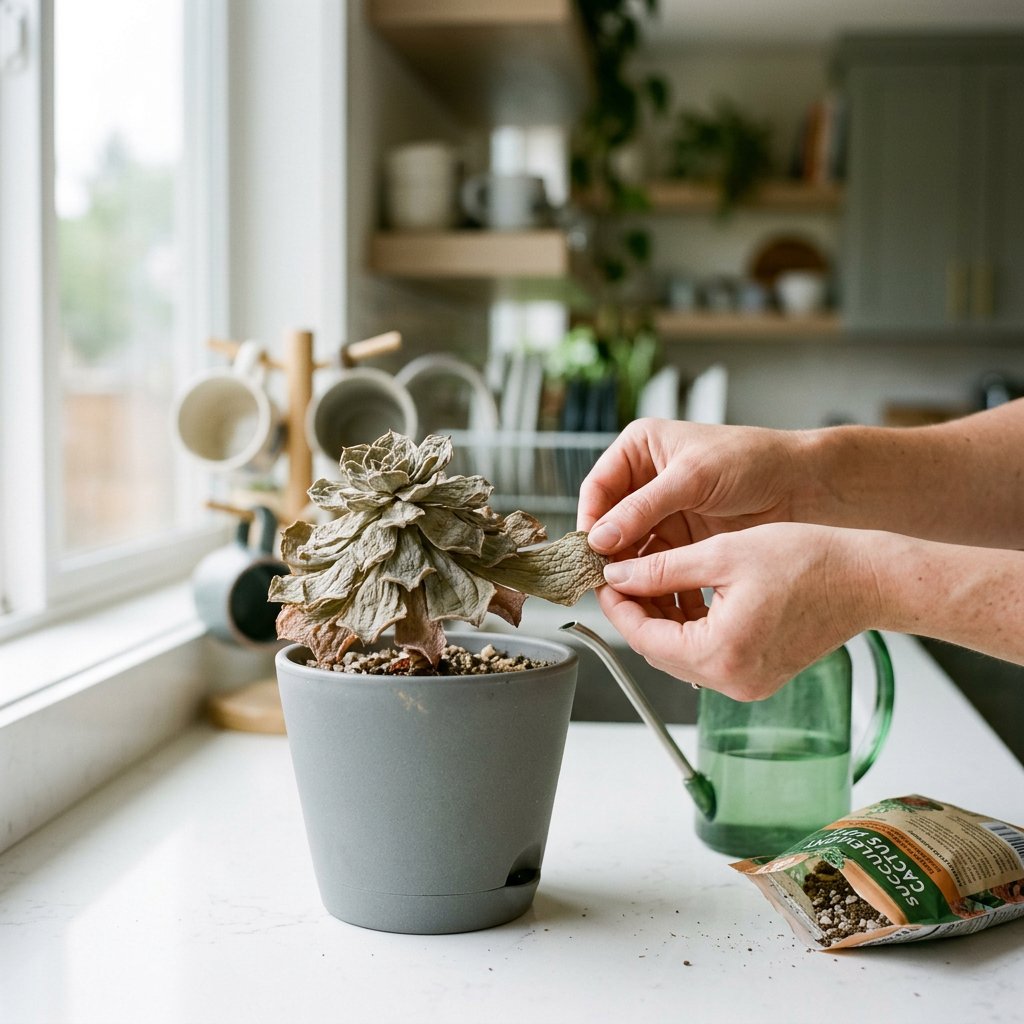
- Plump, squishy, or translucent leaves: This almost always points to an issue with too much moisture.
- Crispy, wrinkled, and dry leaves: This is a classic sign of a thirsty plant.
- Healthy-looking, green leaves: If the leaf looks totally normal but still pops off easily, it is often related to environmental stress or a lack of sunlight.
The Common Causes of Succulent Leaf Drop
Plants cannot talk, so they use their leaves to communicate when their environment isn't quite right. Let's look at the underlying reasons behind this frustrating issue:
- Overwatering (The #1 Culprit): Succulents are drought-tolerant plants that store water in their fleshy leaves. When they are watered too frequently, the plant cells take in more water than they can hold. This causes the cells to swell and burst—a condition known as edema. As a result, the leaves become mushy, heavy, and incredibly fragile, snapping off the stem at the slightest touch.
- Underwatering: On the flip side, if a succulent is severely dehydrated, it will begin to deliberately shed its lower leaves. The plant does this to conserve energy and push whatever little moisture it has left up into the main stem to survive.
- Lack of Sunlight (Etiolation): If your succulent isn't getting enough bright light, it will start stretching tall toward the nearest light source. This stretching process is called etiolation. As the stem elongates, it becomes weak, and the plant may drop leaves to save energy.
- Environmental Shock: Sudden shifts in temperature, repotting stress, or moving the plant from a dark room directly into intense, hot sunlight can shock the plant, causing healthy leaves to suddenly drop.
If you are unsure what is wrong with your plant, you can use the AI-powered plant disease scanner in the Plantiary app to get a diagnosis in seconds and receive a customized care plan!
The Solutions: Step-by-Step Rescue Plan
Don't panic! If your succulent is shedding leaves, here is a simple, science-backed treatment plan to get your plant back on track.
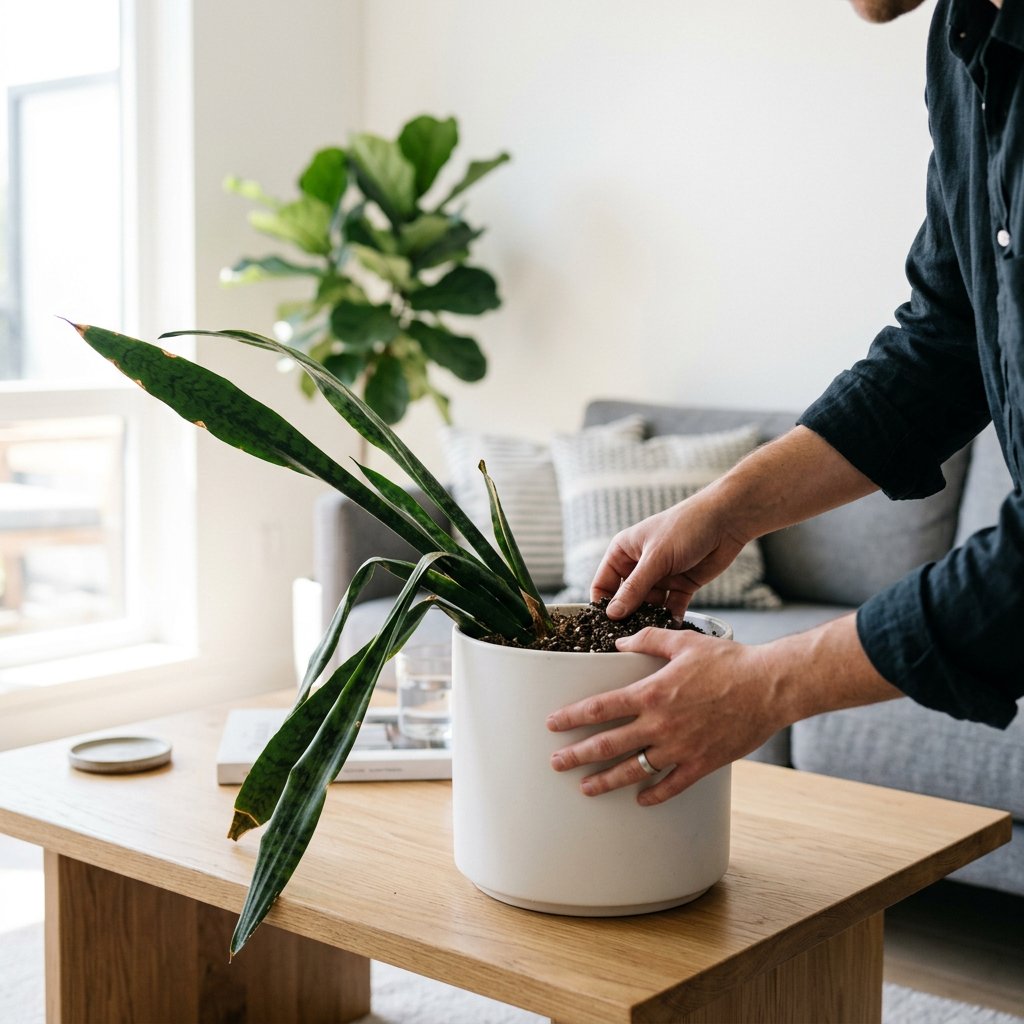
Step 1: Check the soil moisture. Stick your finger or a wooden chopstick about two inches deep into the soil. If it feels wet, damp, or cold, overwatering is your issue. Stop watering immediately and let the soil dry out entirely.
Step 2: Inspect the roots and stem. If the stem looks black, yellow, or feels slimy, your plant might be suffering from root rot. You will need to carefully remove the succulent from its pot, trim away any black, mushy roots with sterilized scissors, and repot it in fresh, dry, well-draining cactus soil.
Step 3: Adjust your watering routine. Succulents prefer the "soak and dry" method. When the soil is completely bone-dry, water the plant thoroughly until water runs out the drainage holes. Then, wait until the soil is 100% dry all the way through before watering again.
Step 4: Optimize their lighting. Most succulents need at least six hours of bright, indirect light every day to stay compact and strong. If your plant is stretching, gradually move it closer to a sunny window. Do this slowly over a week or two so the delicate leaves don't suffer from sunburn.
Step 5: Ensure proper drainage. Succulents hate "wet feet." Make absolutely sure your plant is in a pot with drainage holes at the bottom. Terracotta pots are fantastic for succulents because the porous clay allows excess moisture in the soil to evaporate much faster than plastic pots.
A Silver Lining: Free Plants!
Remember those plump, healthy-looking leaves that fell off? You can actually use them to grow entirely new plants! Simply let the broken end of the leaf callous (dry out and heal) for a few days, then place it flat on top of some dry succulent soil. In a few weeks, you might see tiny pink roots and a baby succulent emerging.
Plant care is a continuous learning journey. Don't beat yourself up over a few dropped leaves; it happens to every single plant owner. With a few tweaks to your care routine and the Plantiary app right in your pocket to guide you, you'll be a succulent whisperer in no time!