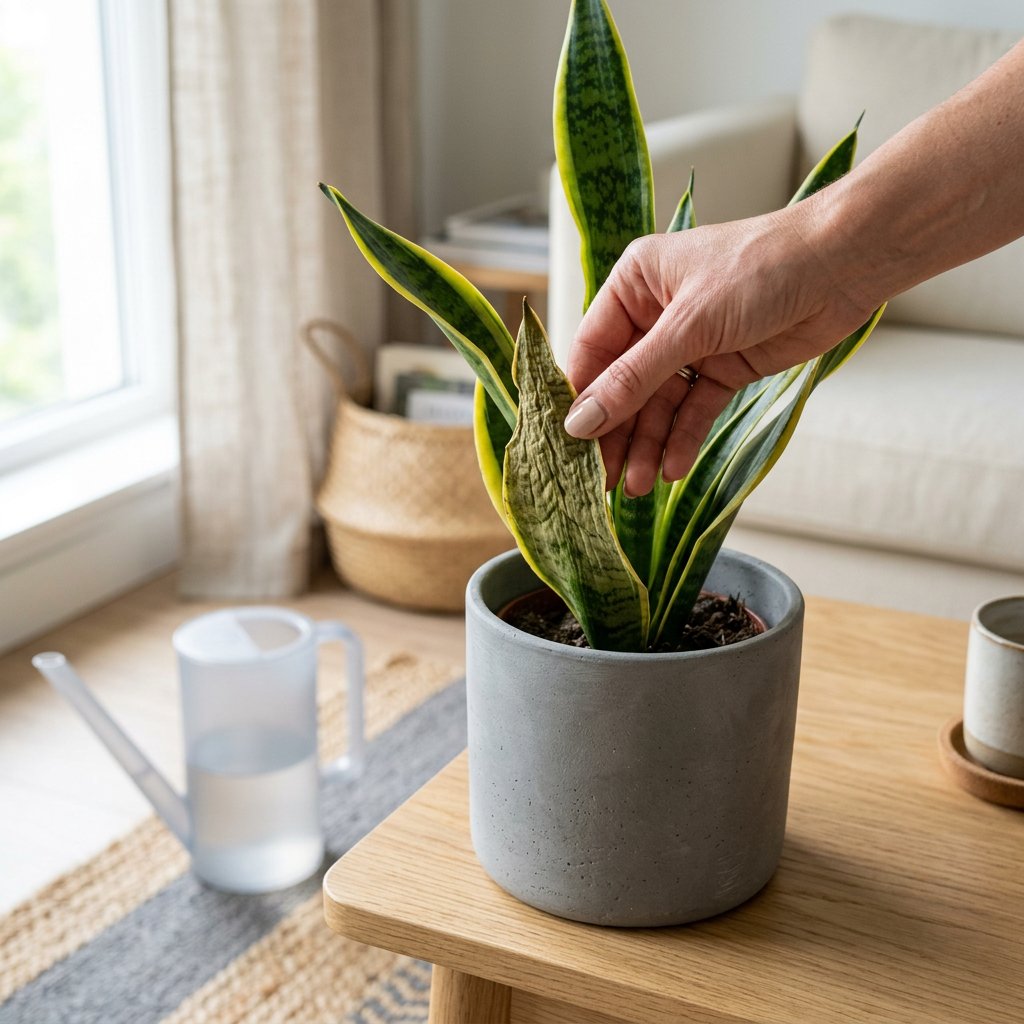
Snake plants (Sansevieria) are practically famous in the houseplant world for being indestructible. They tolerate low light, thrive on neglect, and look stunning while doing it. But even the toughest green friends can have a bad day. If you’ve recently noticed that your usually stiff, smooth snake plant leaves are starting to look puckered, grooved, or wrinkled, please take a deep breath and don't panic!
Plant issues happen to absolutely every plant parent, no matter how experienced they are. A wrinkled leaf is simply your plant's way of communicating that it needs a little routine adjustment. If you are ever unsure what is wrong with your plant, you can use the AI-powered plant disease scanner in the Plantiary app to get a proper diagnosis in seconds.
Let’s translate what your snake plant is trying to tell you and get those leaves plump and happy again!
The Problem: What Do Wrinkled Leaves Mean?
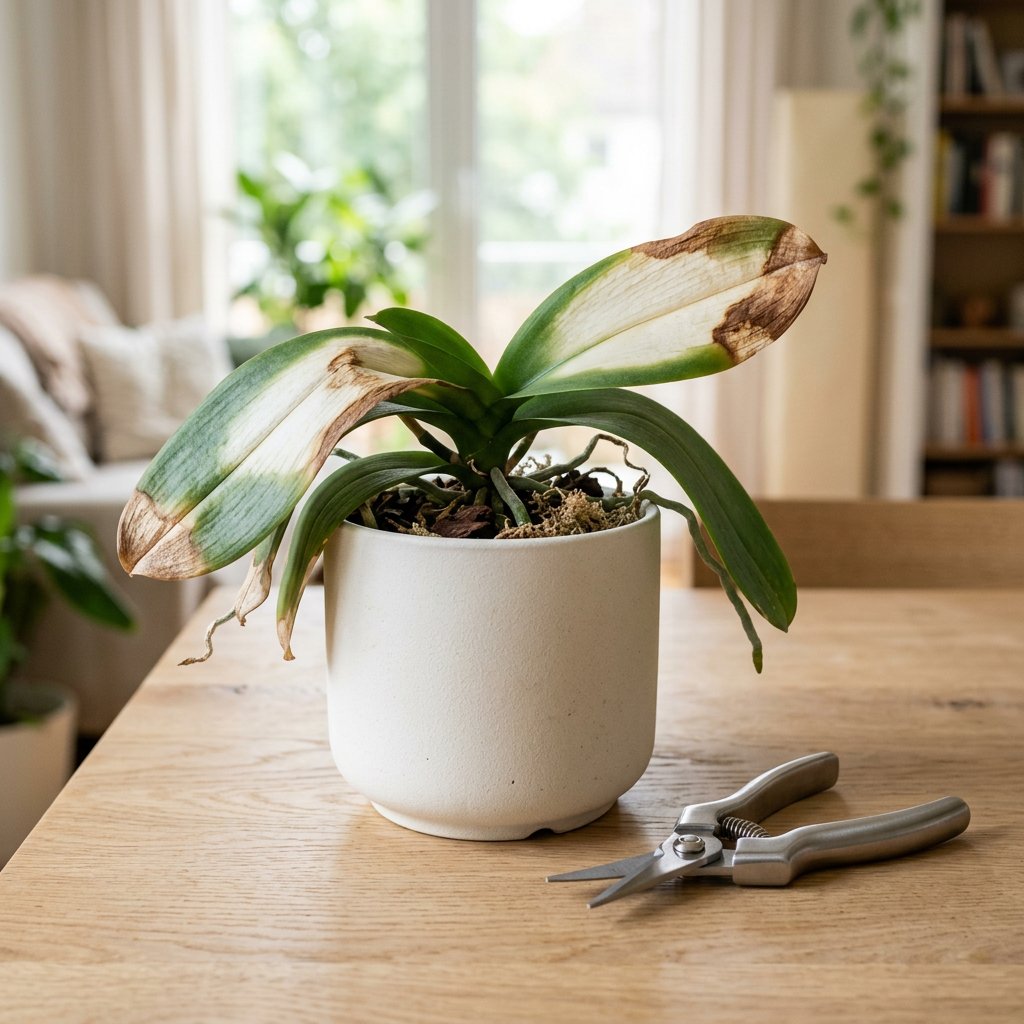
When a snake plant is healthy, its leaves are thick, smooth, and rigid. When it is distressed, you might notice the following symptoms:
- Vertical lines or deep grooves running down the length of the leaves.
- Folding or curling inward along the edges.
- A soft, slightly deflated feel when you gently squeeze the leaf.
In the botanical world, this happens because the plant has lost turgor pressure. Turgor pressure is simply the internal water pressure inside the plant's cells that keeps them fully expanded and stiff—much like air in a balloon. When the water level drops, the cells deflate, and the leaf visibly wrinkles.
The Causes: Why Is My Snake Plant Wrinkling?
To fix the turgor pressure, we first need to figure out why the plant is dehydrated. It usually comes down to one of three culprits:
1. Severe Underwatering
Yes, snake plants are drought-tolerant succulents, but they still need water! If you have forgotten to water your plant for several months, the soil can become entirely depleted of moisture.
2. Overwatering and Root Rot (The Sneaky Culprit)
It sounds contradictory, but giving your plant too much water can also cause dehydration. When snake plants sit in soggy soil, they develop root rot—a fungal condition that suffocates and kills the root system. If the roots are dead and mushy, they cannot absorb water and send it to the leaves, leading to wrinkling.
3. Temperature and Light Stress
If your snake plant is placed directly next to a blazing hot window, a heating vent, or a drafty air conditioner, the extreme temperatures can cause the plant to lose water through its leaves faster than its roots can replenish it.
The Solutions: Step-by-Step Quick Fix
Now that we know what we are looking at, it is time to take action. Follow these simple steps to help your snake plant bounce back.
Step 1: Investigate the Soil
Before you grab your watering can, you need to play detective. Stick your finger about two to three inches into the soil.
- If the soil is bone dry, dusty, or pulling away from the sides of the pot, your plant is simply severely underwatered.
- If the soil is wet, heavy, or smells a bit sour, you are likely dealing with overwatering and root rot.
Step 2: Hydrate Properly (If Underwatered)
If dry soil is your culprit, your plant needs a good, deep soak. When potting soil gets too dry, it becomes hydrophobic (water-repellent). If you pour water over the top, it might just run down the sides.
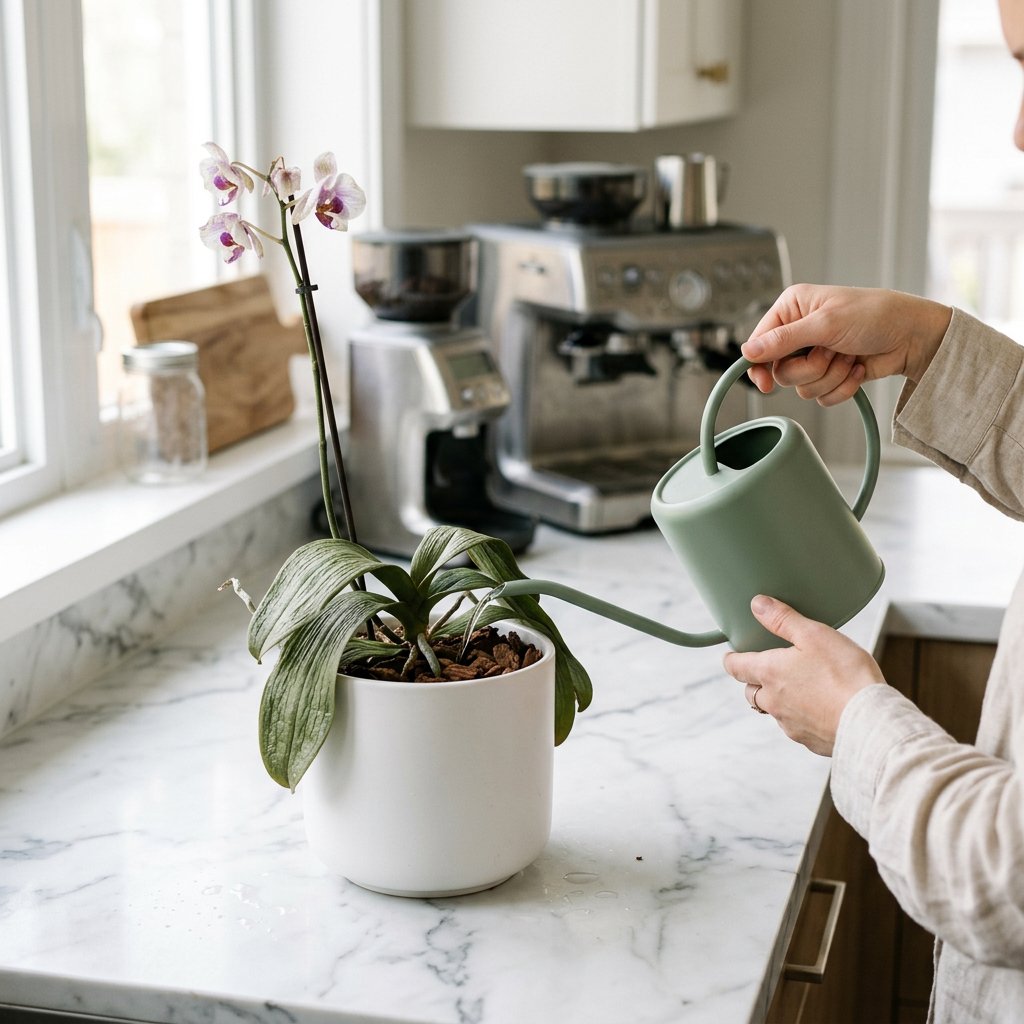
- Bottom water your plant: Fill a bowl or your sink with a few inches of room-temperature water. Place your plant's pot (which must have drainage holes!) directly into the water.
- Let it sit for 30 to 45 minutes to soak up moisture from the bottom up.
- Remove it, let the excess water drain completely, and log your watering in the Plantiary app so you don't forget your next schedule!
Step 3: Treat the Roots (If Overwatered)
If you discovered wet, muddy soil, do not add more water.
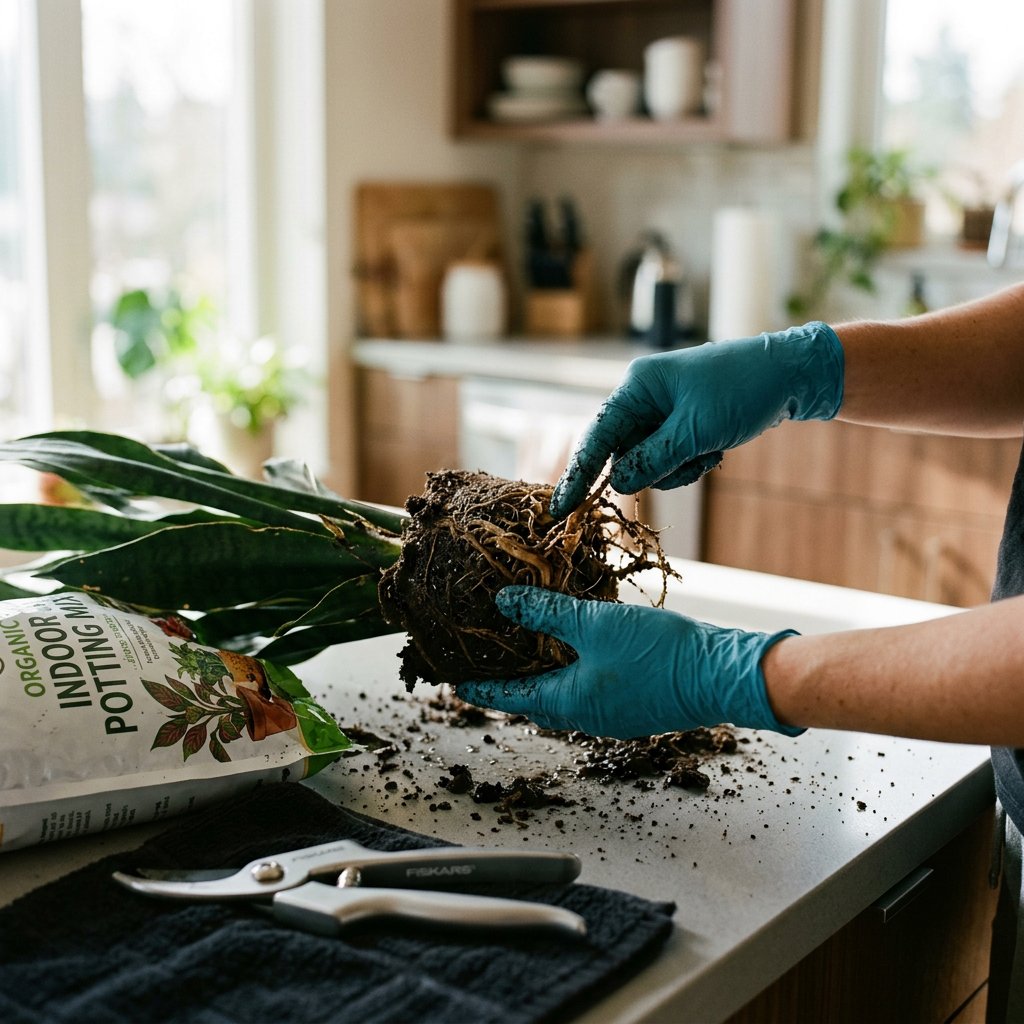
- Gently remove the plant from its pot and inspect the roots. Healthy roots are orange or white and firm; rotted roots are dark brown, mushy, and slimy.
- Using a pair of sterilized scissors, trim away any mushy, dead roots.
- Repot the plant in a fresh, well-draining succulent or cactus soil mix in a pot with good drainage. Give it a few days to recover before watering lightly.
Step 4: Evaluate the Environment
Take a quick look at where your plant lives. Move it away from direct, scorching afternoon sun, heating vents, or drafty windows. Snake plants prefer bright, indirect light, which allows them to photosynthesize beautifully without drying out too fast.
Don't be discouraged if the wrinkles don't disappear overnight. Plants heal on their own timeline, but by following these scientifically sound steps, you are giving your snake plant exactly what it needs to thrive. Keep observing, keep learning, and let the Plantiary app help guide you on your plant parenthood journey!