Snake plants (Sansevieria) are famously celebrated as the ultimate beginner-friendly, almost indestructible houseplants. Their striking, architectural leaves can effortlessly brighten up any corner of your home. But what happens when those vibrant green swords start turning an alarming shade of yellow? First of all, take a deep breath and don't be hard on yourself! Plant care is a journey, and occasional hiccups happen to even the most experienced plant parents. Yellowing is simply your plant's way of communicating that something in its environment needs a slight adjustment.
The Problem: Reading the Symptoms
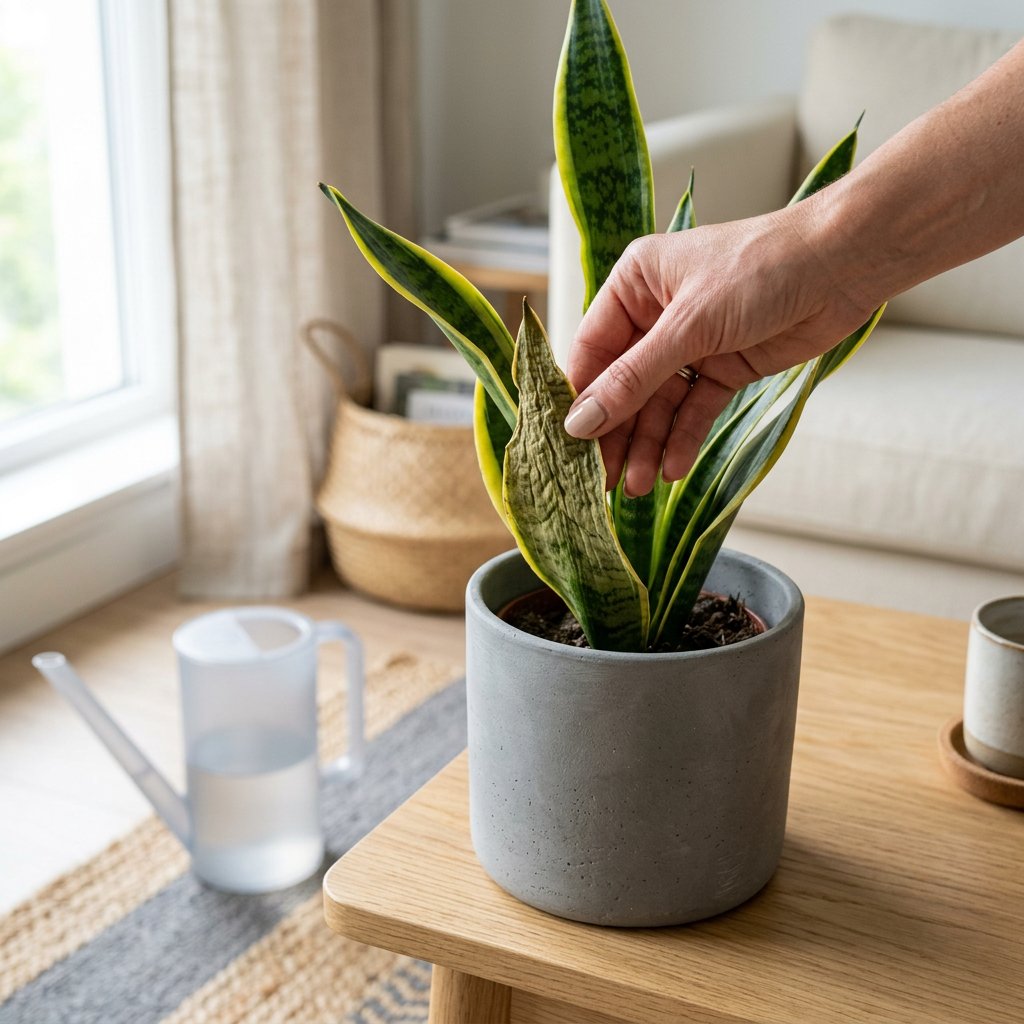
When a plant’s leaves turn yellow, a process botanically known as chlorosis (a lack of the green pigment chlorophyll), it is essentially losing its ability to photosynthesize effectively in that area. However, not all yellowing is the same. Pay close attention to how the yellowing leaves look and feel:
- Mushy and soft: The yellowing leaves droop over, feel squishy to the touch, and might even have a foul odor near the soil line.
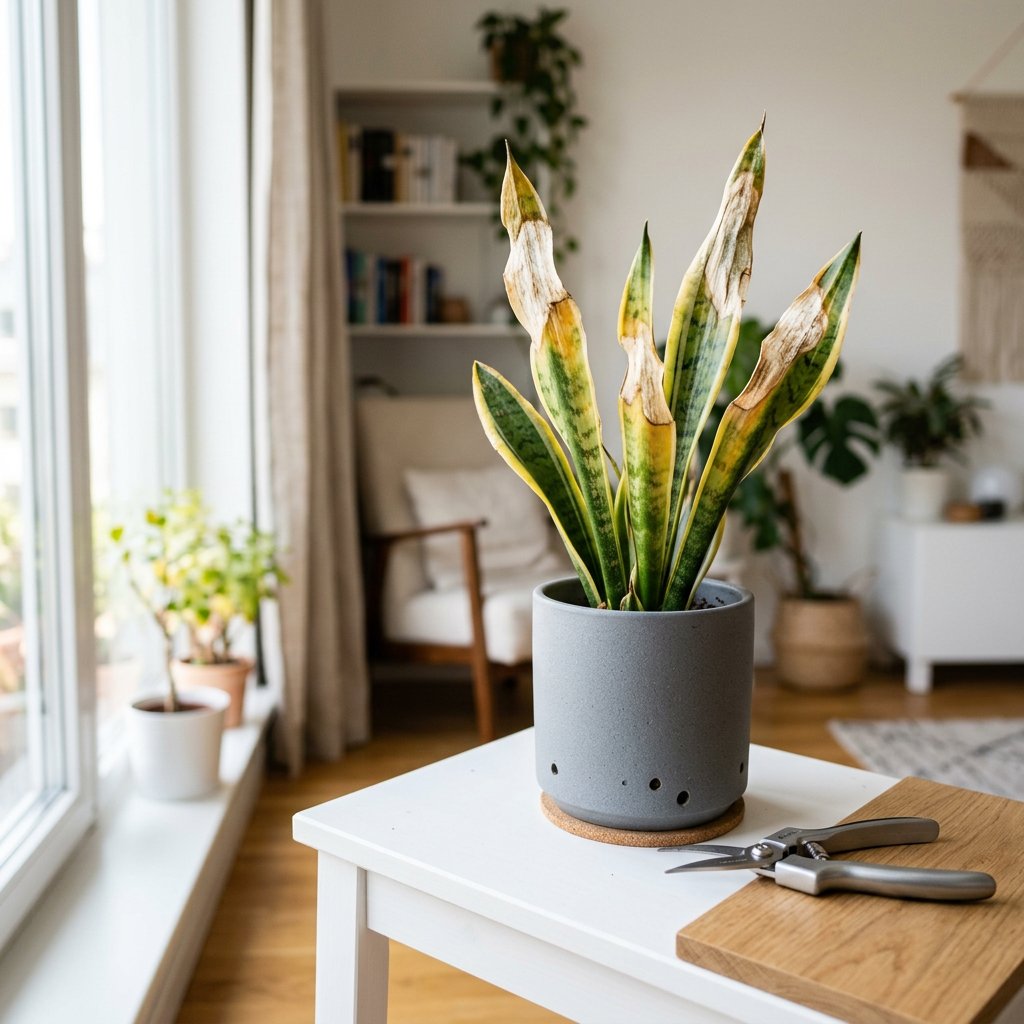
- Dry and crispy: The yellow edges feel brittle, usually starting at the tips or margins.
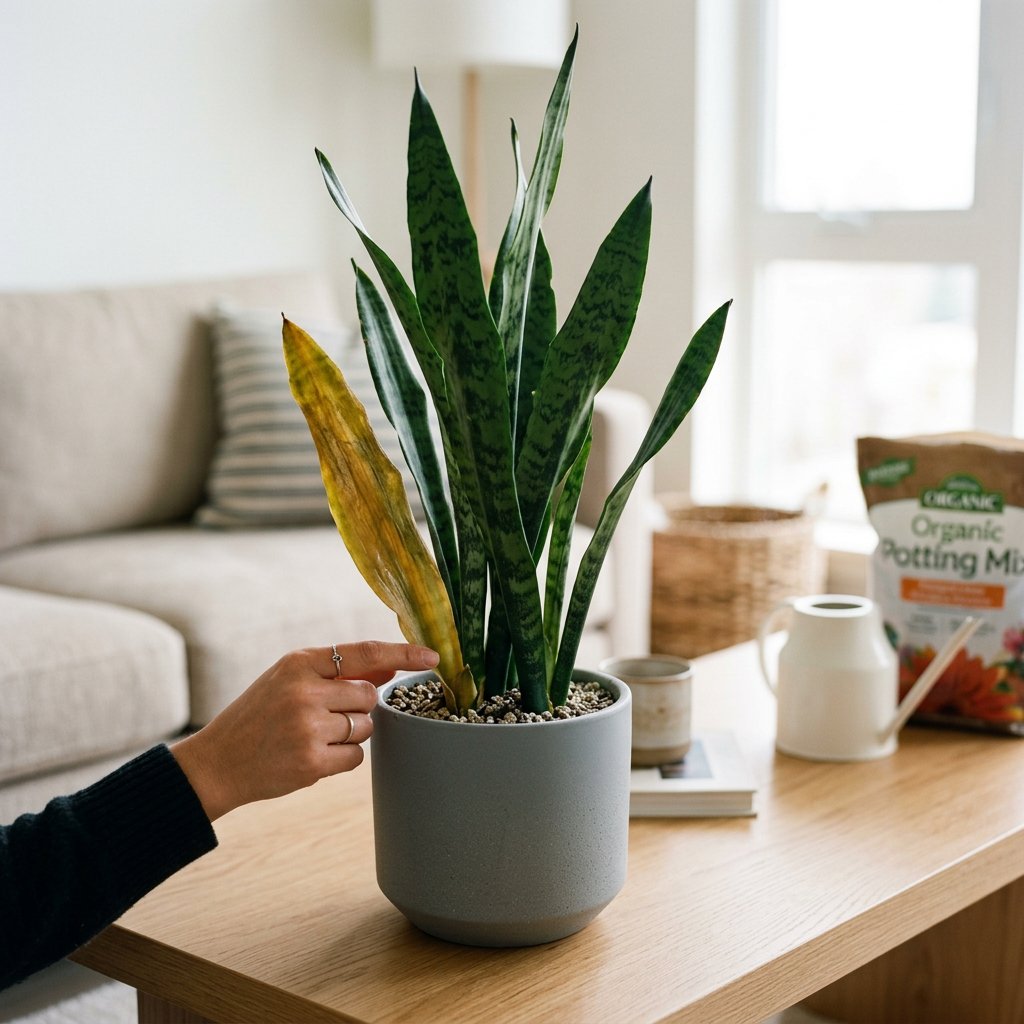
- Fading from the bottom up: The oldest, outermost leaves are turning yellow slowly over time.
If you are unsure what is wrong with your plant based on these symptoms, you can use the AI-powered plant disease scanner in the Plantiary app to get a diagnosis in seconds!
The Causes: Why is My Snake Plant Yellowing?
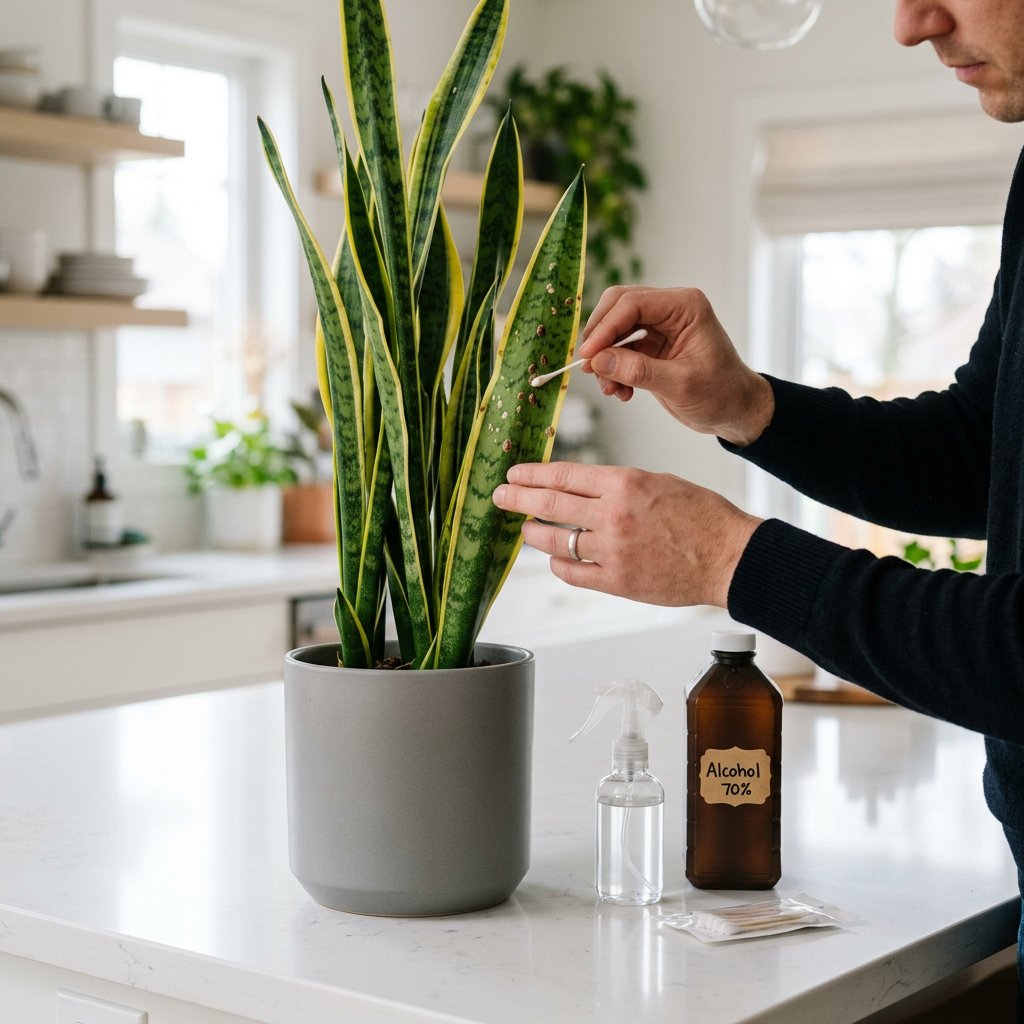
To fix the issue, we first need to identify the root cause. Here are the most common reasons your snake plant might be losing its green luster:
1. Overwatering and Root Rot
This is the number one culprit! Snake plants are succulents, meaning they store water in their fleshy leaves. When they are watered too frequently, the soil remains soggy. This suffocates the roots, leading to root rot—a fungal condition that destroys the root system, preventing the plant from taking up oxygen and nutrients. The result? Soft, yellowing, dying leaves.
2. Poor Drainage
Even if you aren't watering too often, heavy potting soil or a pot without drainage holes will trap moisture at the bottom. Sitting in a hidden pool of water will quickly drown your resilient plant.
3. Temperature Stress
Snake plants are native to tropical regions and absolutely despise the cold. If your plant is sitting near a drafty winter window or directly in front of an AC unit, the sudden temperature drops can cause the plant's cells to suffer cold damage, causing the leaves to turn yellow and eventually scar.
4. Natural Aging
If only one or two of the outermost, oldest leaves are turning yellow and crisping up while the rest of the plant is pushing out vibrant new growth, congratulations! Your plant is perfectly healthy. This is just the natural life cycle of the foliage.
The Solutions: Step-by-Step Treatment
Once a snake plant leaf turns entirely yellow, it sadly won't revert to green. However, you can absolutely save the rest of the plant and encourage fresh, healthy growth by following these actionable steps:
Step 1: Inspect the Soil and Roots
Gently slide your snake plant out of its pot. If the soil is soaking wet and the roots are dark brown, mushy, or smell sour, you are dealing with root rot. If the roots are firm and white or light orange, your roots are healthy, and the issue might be temperature or light-related.
Step 2: Trim the Damage
Using sterilized pruning shears or a clean, sharp knife, cut away any yellow, mushy leaves right at the soil line. If you found root rot in Step 1, carefully trim away the rotting roots as well, leaving only the firm, healthy ones.
Step 3: Repot with the Right Mix
Repot your snake plant into a container that has excellent drainage holes at the bottom. Ditch the old, soggy dirt and use a well-aerating, coarse potting medium. A commercial cactus or succulent mix blended with a handful of perlite or pumice is perfect for keeping those roots breathing and happy.
Step 4: Adjust Your Watering Routine
Going forward, practice the "soak and dry" method. Water your snake plant thoroughly until water runs out the bottom of the pot, and then do not water it again until the soil is 100% dry. In the winter, this might mean watering only once every month or two! To take the guesswork out of your routine, you can log your watering schedule in the Plantiary app to receive perfectly timed care reminders based on your plant's specific needs.
Remember, saving a stressed plant takes a little bit of time and patience. By making these simple tweaks to your care routine, your snake plant will bounce back, pushing out beautiful, sturdy green leaves before you know it. You've got this!