Have you ever peeked into your favorite houseplant’s pot only to find a strange, crusty white layer sitting on top of the soil? Take a deep breath and don't panic! You haven't accidentally grown a bizarre fungus, and you certainly aren't a bad plant parent. What you are likely seeing is a completely normal—and highly treatable—issue: salt and mineral buildup. It happens to the best of us, especially if we rely heavily on standard tap water. Let's break down exactly what this crusty layer is, how it affects your leafy friends, and the simple steps you can take to refresh your plant's soil today.
The Problem: Spotting Salt and Mineral Buildup
While a little white residue might seem harmless, excessive minerals in the soil can actually cause osmotic stress—a condition where the high salt concentration in the potting mix acts like a sponge, making it incredibly difficult for the plant's roots to absorb water. Over time, your plant might actually become dehydrated even if you are watering it on a regular schedule!
Keep an eye out for these tell-tale symptoms:
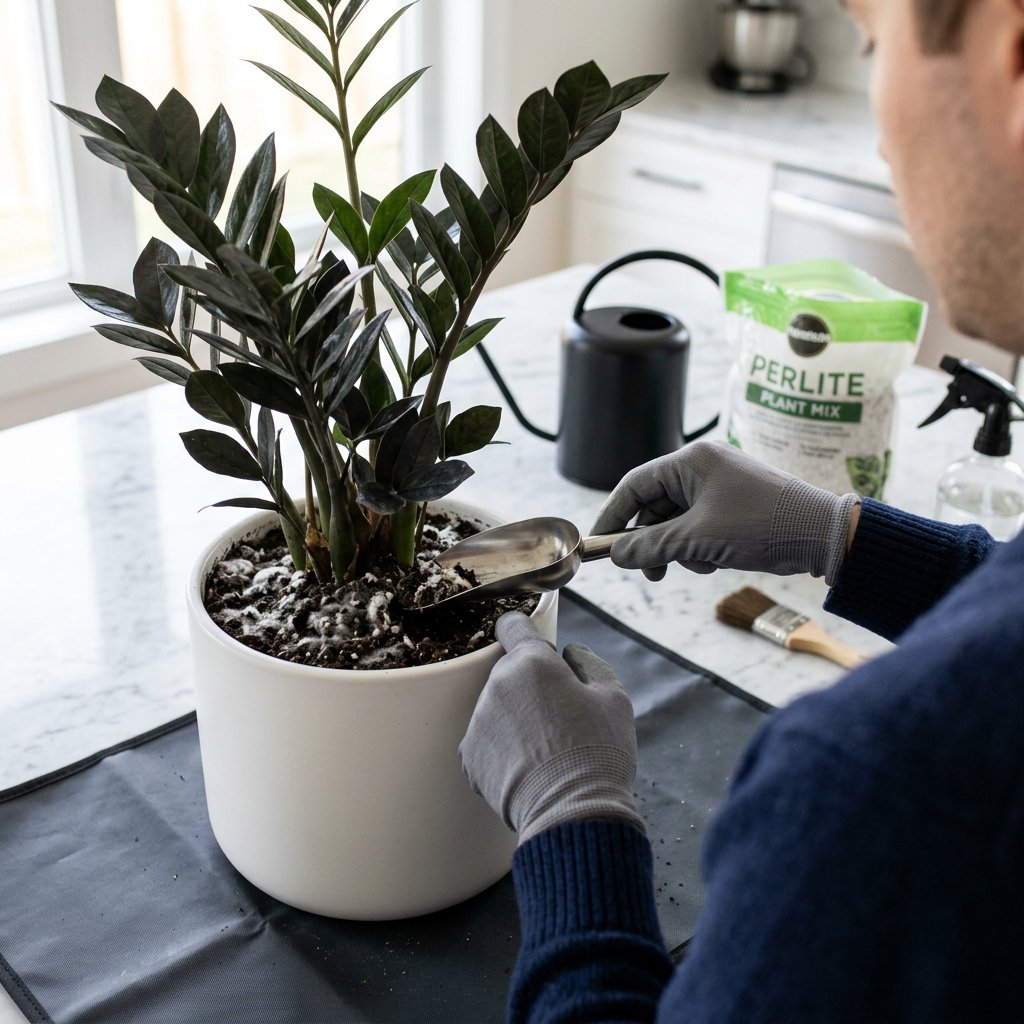
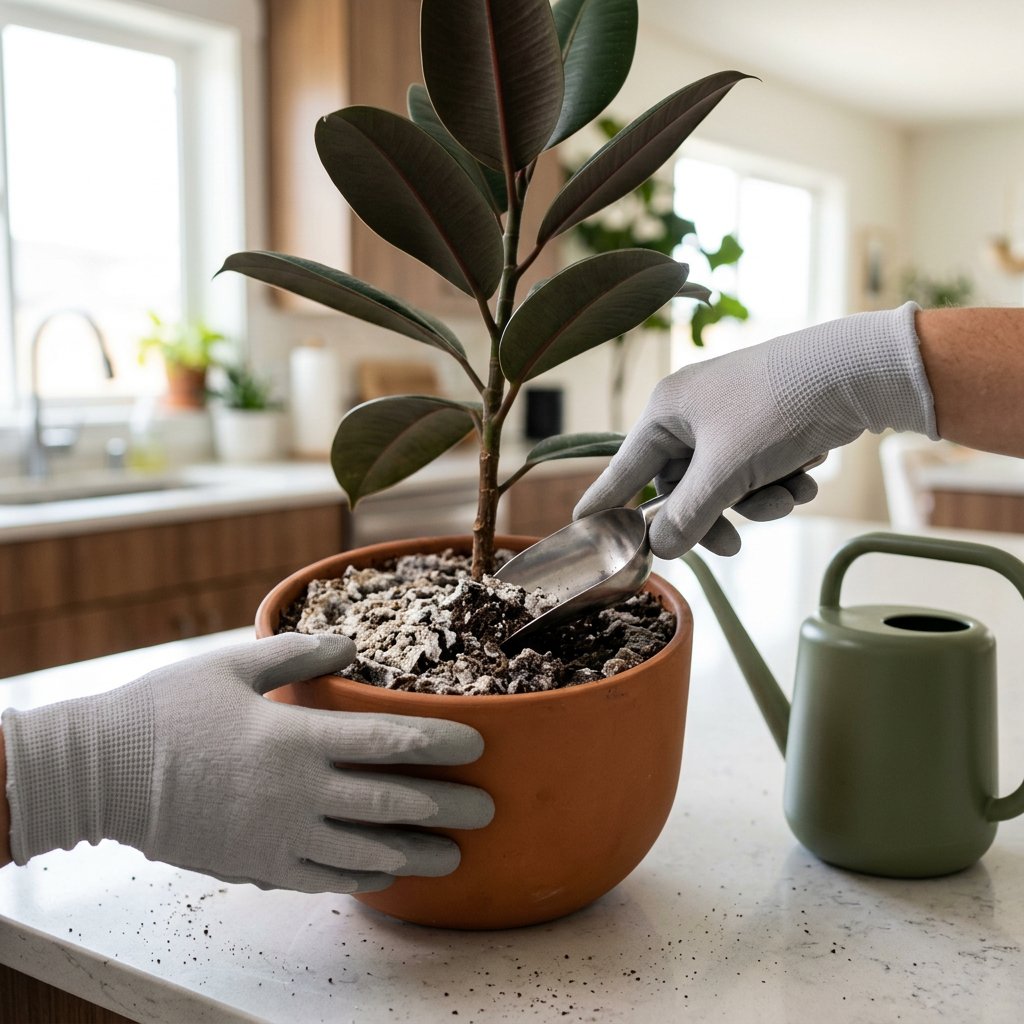
- A white or yellowish crust: Usually found on the soil surface or clinging to the inside rim of terracotta pots.
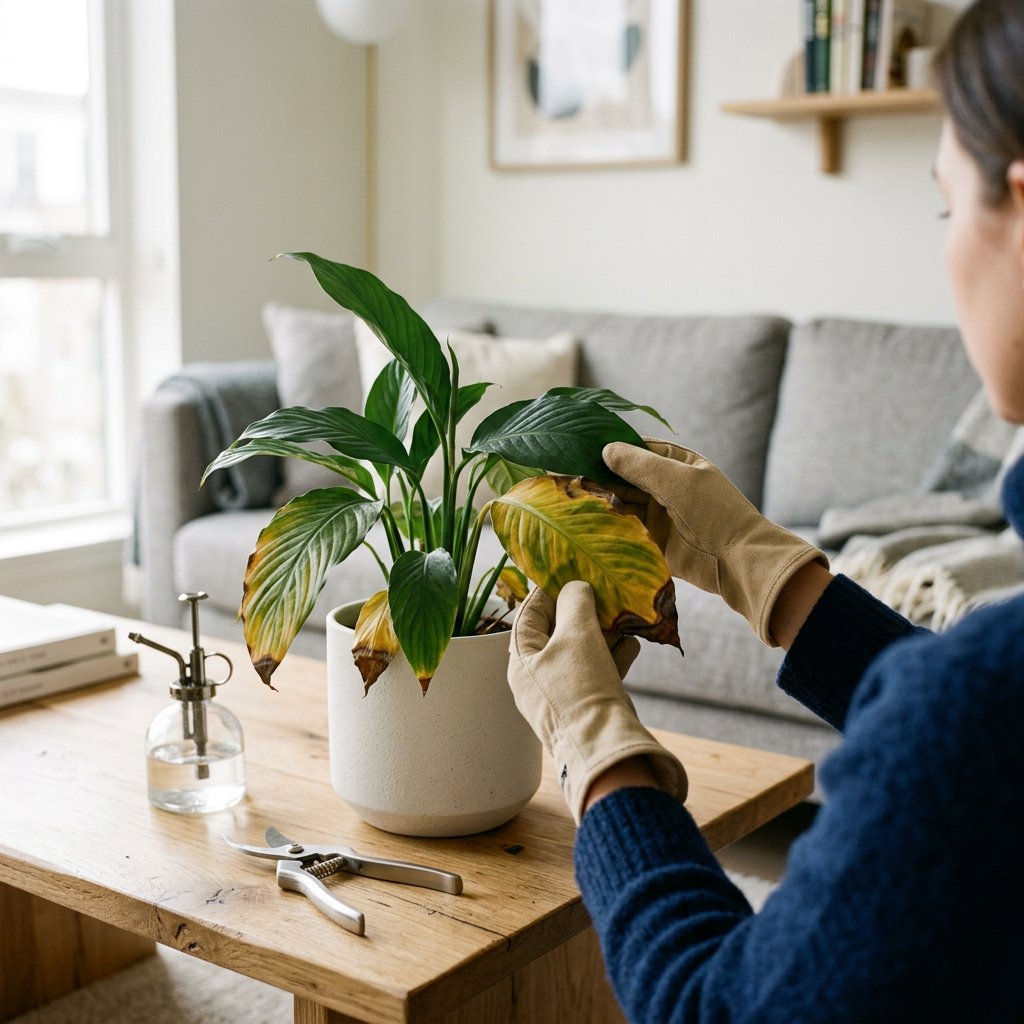
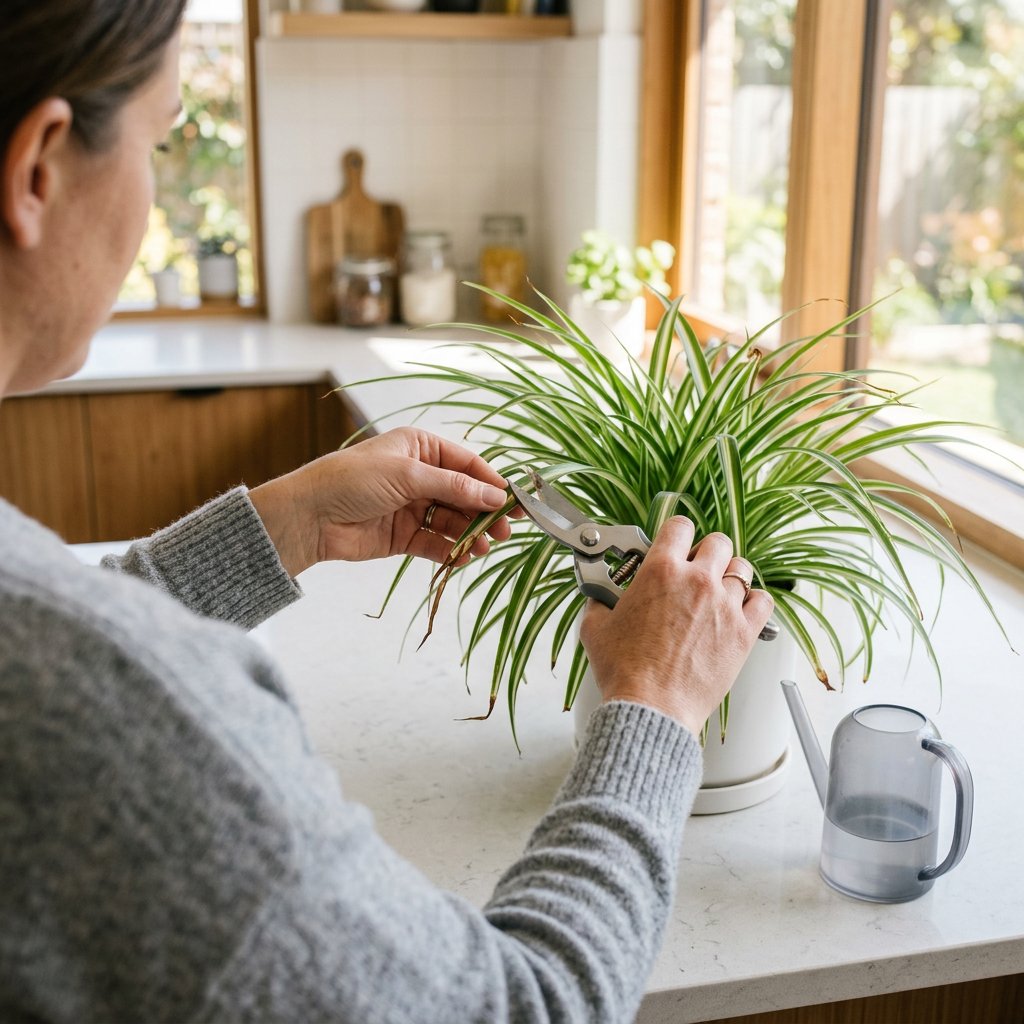
- Crispy, brown leaf tips: Excess salts travel up the plant's vascular system and accumulate in the tips of the leaves, causing chemical burns.
- Stunted growth or wilting: Despite consistent watering, the plant looks constantly limp and refuses to put out new growth.
- Chlorosis: This is the botanical term for leaves turning pale or yellow. It happens because the salt buildup is blocking the roots from absorbing vital nutrients.
If your plant is showing yellowing leaves or brown tips and you aren't quite sure if mineral buildup is the culprit, you can use the AI-powered plant disease scanner in the Plantiary app to get a diagnosis in seconds!
The Causes: Why Is My Soil Crusty?
Understanding the source of the minerals is half the battle. Here is what usually causes this crusty situation:
- Hard Tap Water: Municipal tap water is often treated and contains high levels of calcium, magnesium, and chlorine. When the water evaporates from your soil, the heavy minerals are left behind.
- Over-fertilizing: Most synthetic liquid fertilizers are essentially made of various mineral salts. If you feed your plants too often, or don't dilute the fertilizer properly, the unabsorbed salts accumulate rapidly.
- Poor Drainage: Pots without bottom drainage holes trap water and minerals at the bottom of the container. As the moisture eventually evaporates from the top, all those trapped salts are pulled upward to the surface.
The Solutions: Step-by-Step Treatment to Refresh Your Soil
Fixing mineral buildup is a straightforward process known as leaching, which is simply a professional term for flushing out the soil. Here is how to safely detox your plant's home:
Step 1: Scrape away the crust. Gently use a spoon or your fingers to remove the top inch of the affected soil where the minerals are most concentrated. Be very careful not to scrape too deep and damage the delicate surface roots.
Step 2: Flush the soil (Leaching). Take your plant to the sink or shower. Slowly pour room-temperature, filtered water over the soil until it streams freely out of the bottom drainage holes. Let it drain entirely, then repeat the process two or three more times. This literally washes the excess, trapped salts away from the root zone.
Step 3: Upgrade your water source. To prevent the buildup from coming back, consider switching your watering routine. Using filtered water, distilled water, or collected rainwater is incredibly beneficial, especially for sensitive houseplants like Calatheas, Peace Lilies, and Spider Plants.
Step 4: Repot if necessary. If your plant has been sitting in the same soil for over a year, or if it is currently housed in a pot without drainage holes, the best solution is a completely fresh start. Repot your plant using a high-quality, well-aerated potting mix and ensure the new pot has excellent drainage.
Keep Your Plants Happy and Hydrated
Please don't beat yourself up over a little crusty soil. Plant care is a continuous learning journey, and encountering mineral buildup is practically a rite of passage! By flushing the soil and tweaking your watering habits, your houseplants will bounce back with lush, healthy growth in no time.
Want to keep your fertilizing and watering schedules perfectly balanced to prevent future buildup? You can log your plant care routine in the Plantiary app to set customized reminders, ensuring your green companions get exactly what they need, right when they need it. Happy growing!