Have you ever gone to water your favorite potted friend only to discover a fuzzy, white layer creeping across the surface of the soil? Take a deep breath! Finding white mold on your houseplant soil is incredibly common, and it certainly doesn’t mean you are a bad plant parent. Plant care is a beautiful journey full of trial and error, and this is just a minor, very fixable bump in the road.
If you are ever unsure what is wrong with your plant, you can always use the AI-powered plant disease scanner in the Plantiary app to get an accurate diagnosis in seconds. But for now, let's explore exactly what this white fuzz is, why it appeared, and how to gently guide your plant back to perfect health.
The Problem: Identifying White Mold
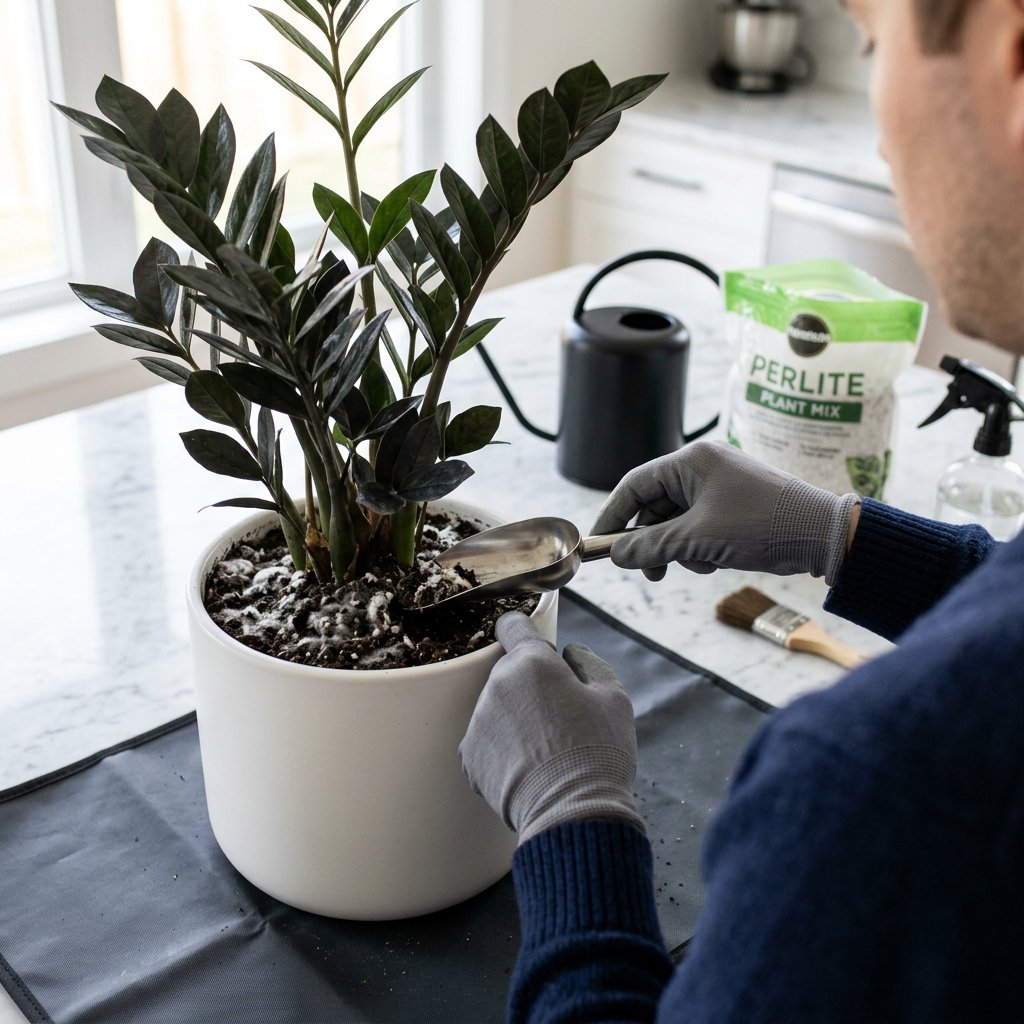
That fluffy, snow-like substance resting on your potting soil is almost always a harmless type of fungus known as saprophytic fungi. Saprophytic simply means that these organisms feed on decaying organic matter—like the dead leaves and compost already present in your potting mix.
Common symptoms include:
- A white, cotton-like or web-like fuzz on the top layer of the soil.
- Occasionally, a crusty white or pale yellow buildup (though if it is hard and crystalline, it might be mineral buildup from hard water, not mold!).
- A slightly musty, earthy smell coming from the pot.
The good news? This mold is generally harmless to your plant and won't attack living roots or leaves. The bad news? Its presence is an environmental red flag. It acts as a warning sign that the conditions in your plant's pot are a little too soggy, which can eventually lead to much more dangerous issues like root rot.
The Causes: Why is Mold Growing on Your Soil?
Fungi spores are naturally present in the air and in almost all organic potting soils. They only bloom into visible mold when their environment allows them to thrive. Here is what usually triggers a mold outbreak:
- Overwatering: Fungi love damp, dark environments. If the top layer of your soil never gets a chance to dry out between waterings, mold will inevitably move in.
- Poor Air Circulation: Plants tucked into tight corners or crowded heavily together suffer from stagnant air, preventing moisture from evaporating off the soil surface.
- Lack of Light: While many houseplants tolerate low light, a lack of sunlight means the soil takes much longer to dry, creating a perfect incubator for fungal growth.
- Inadequate Drainage: If your pot lacks drainage holes, water pools at the bottom and keeps the entire root system sitting in a wet sponge.
The Solutions: How to Banish White Mold for Good
Treating white mold is incredibly straightforward. By making a few simple tweaks to your care routine, you can clear it up and prevent it from ever coming back. Follow these step-by-step instructions to refresh your plant:
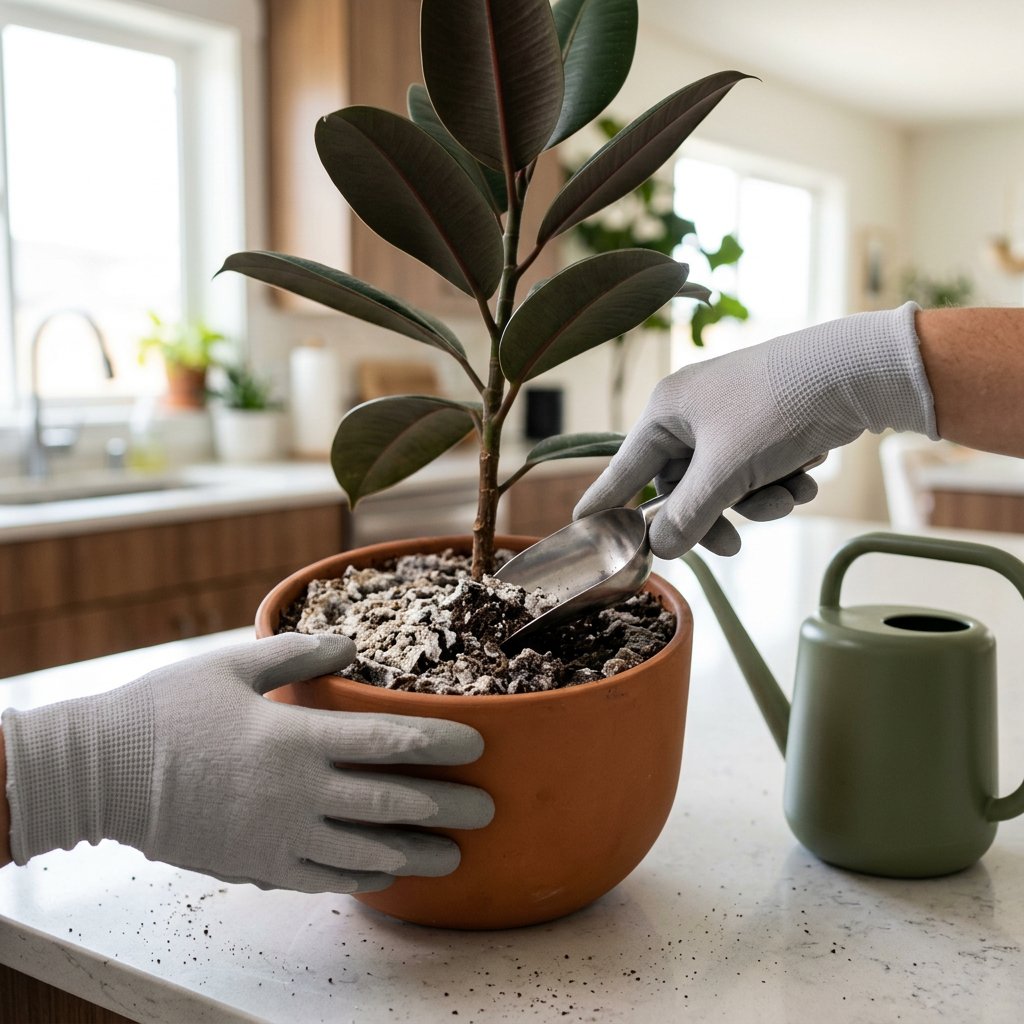
Step 1: Scrape away the mold. Take a spoon or a small trowel and gently scrape off the top inch of the affected soil. Discard this moldy soil directly into the trash. Be careful not to dig too deep to avoid damaging the delicate roots of your plant.
Step 2: Let the soil dry out. Hold back on the watering can! Allow the top two to three inches of the soil to dry completely before you water your plant again. To check the moisture level accurately without getting your hands dirty, you can log your watering schedules in the Plantiary app to remind you exactly when it's time for a drink.
Step 3: Aerate the soil. Take a wooden chopstick or a skewer and gently poke a few holes into the soil, pushing down toward the roots. This process, known as aeration, breaks up compacted soil and allows fresh air to flow through, which helps the soil dry faster and suffocates the mold.
Step 4: Apply a safe, natural deterrent. Sprinkle a light dusting of ground cinnamon over the fresh topsoil. Cinnamon is a scientifically verified, natural fungicide that prevents spores from taking root without harming your plant. Alternatively, you can lightly mist the topsoil with a diluted neem oil solution.
Step 5: Improve the environment. Ensure your plant's pot has clear drainage holes. If it doesn't, it is time to repot your leafy friend into a container that drains well. Finally, move your plant to a slightly brighter spot with better airflow to keep the soil fresh and dry.
Remember, every plant parent encounters little hiccups like this. By adjusting your watering habits and paying attention to your plant's environment, you will have healthy, mold-free soil in no time. You've got this!