We’ve all been there. You bring home a lush, vibrant Boston Fern, hang it beautifully in your living room, and within a few weeks, it is dropping tiny, crispy leaves all over your floor. Please don’t beat yourself up! Plant care is a journey, and struggling with a fussy fern is practically a rite of passage for plant parents.
Boston Ferns (Nephrolepis exaltata) naturally thrive in humid, tropical environments. When they transition from a perfectly climate-controlled greenhouse to our much drier homes, they can throw a bit of a tantrum. The good news? These resilient beauties are highly eager to bounce back. With a few simple environmental tweaks, you can stop the shedding and restore your plant's gorgeous, sweeping fronds.
The Problem: Signs Your Boston Fern is Drying Out
Before we fix the issue, let's make sure we are dealing with a dry plant and not a pest issue. A dehydrated Boston Fern will usually exhibit a few unmistakable cries for help:
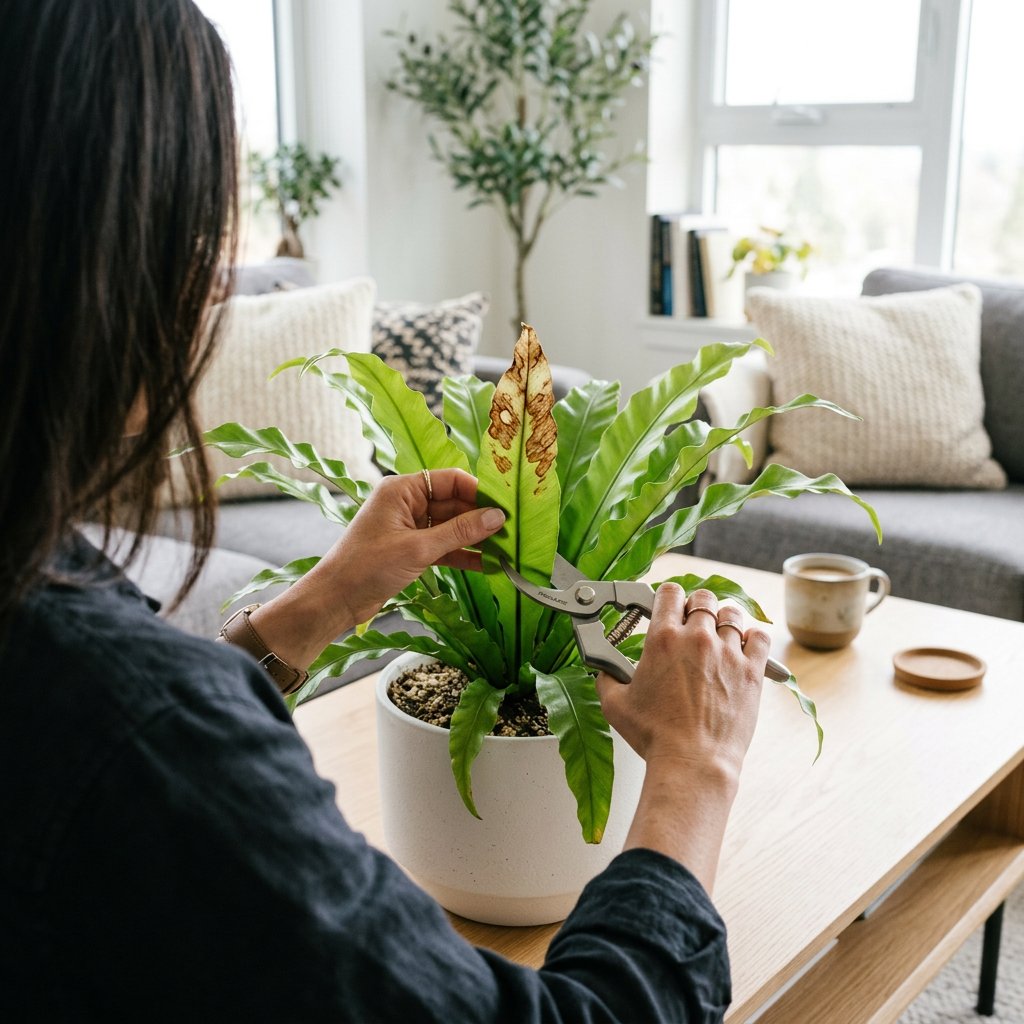
- Crispy, brown tips: The very ends of the fronds (the long leafy branches) become brittle and snap off when touched.
- Excessive shedding: You find yourself constantly sweeping up dry, dead leaflets from the floor beneath your plant.
- Dull foliage: The plant loses its vibrant emerald-green hue, looking pale, grayish, or generally fatigued.
If you are unsure what is wrong with your plant, or if you spot unusual yellowing or webbing alongside the crispiness, you can use the AI-powered plant disease scanner in the Plantiary app to get an accurate diagnosis in seconds!
The Causes: Why Is My Fern So Crispy?
To stop the drying process, we have to understand what is draining the moisture from your plant in the first place. Usually, it comes down to one (or a combination) of these factors:
- Low Humidity: Central heating and air conditioning strip moisture from the indoor air. Ferns need high ambient humidity to keep their thin leaves plump.
- Hydrophobic Soil: If you let the potting mix dry out completely, it can become hydrophobic—meaning it actually repels water. When you water it from the top, the water just slides down the sides of the pot and out the drainage holes without soaking into the roots.
- Improper Lighting: Boston Ferns are understory plants, meaning they naturally grow under the shade of taller trees. Direct, harsh sunlight will quickly scorch their delicate foliage.
- Drafts: Placing your fern near a radiator, air vent, or drafty window will rapidly wick moisture away from the plant.
The Solutions: Step-by-Step Treatment
Ready to play plant doctor? Follow this simple, actionable routine to rescue your drying Boston Fern and keep it lush all year round.
Step 1: Prune the Dead Weight
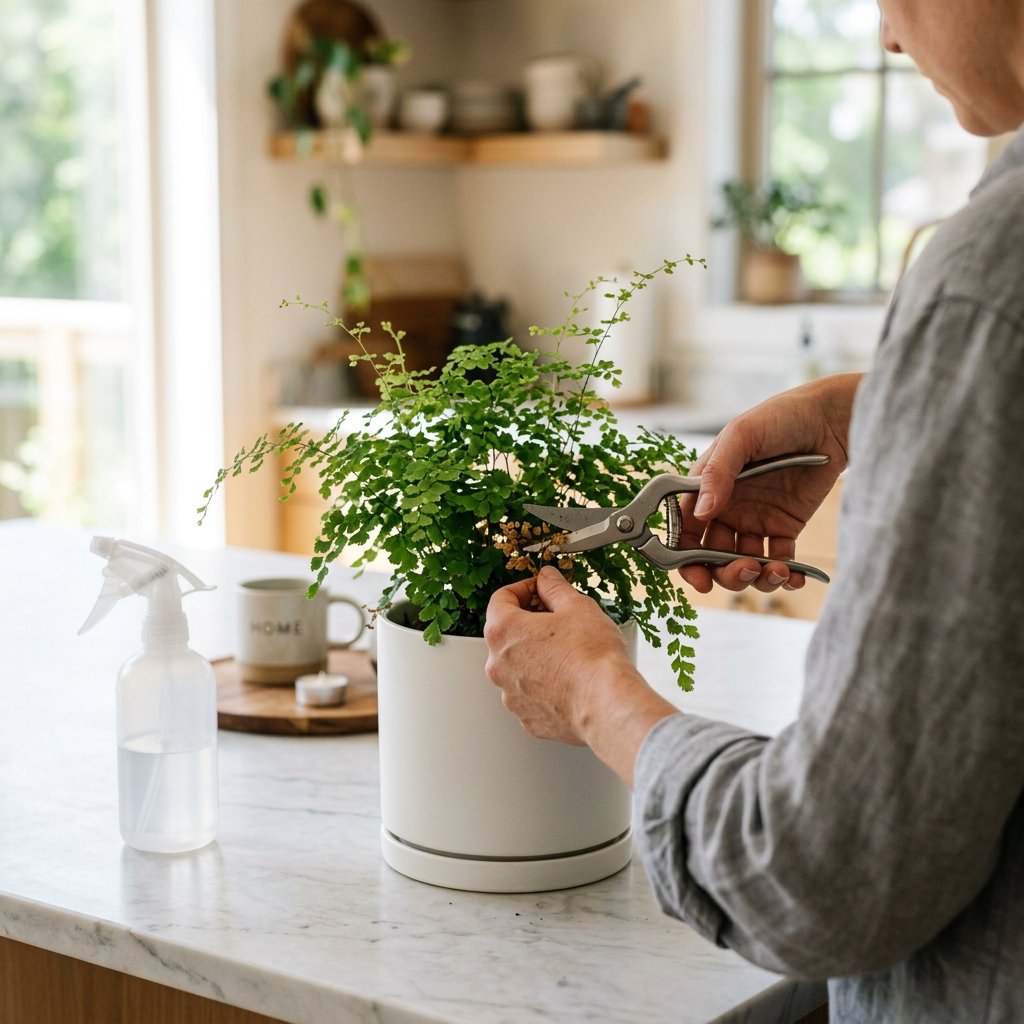
Sadly, once a leaf turns brown and crispy, it will never turn green again. Leaving dead fronds on the plant drains its energy and looks messy. Grab a pair of clean, sharp scissors and snip off the completely dead, brown fronds right at the soil line. For fronds that are mostly green but have brown tips, you can simply trim off the crispy ends.
Step 2: Rehydrate the Root Ball (Bottom Watering)
Because dry fern soil is notoriously bad at absorbing water from the top, we need to bottom-water.
- Fill a basin, sink, or large bowl with a few inches of room-temperature water.
- Place your fern's nursery pot (ensure it has drainage holes) directly into the water.
- Let it soak for 30 to 45 minutes so the roots can drink the water up like a sponge.
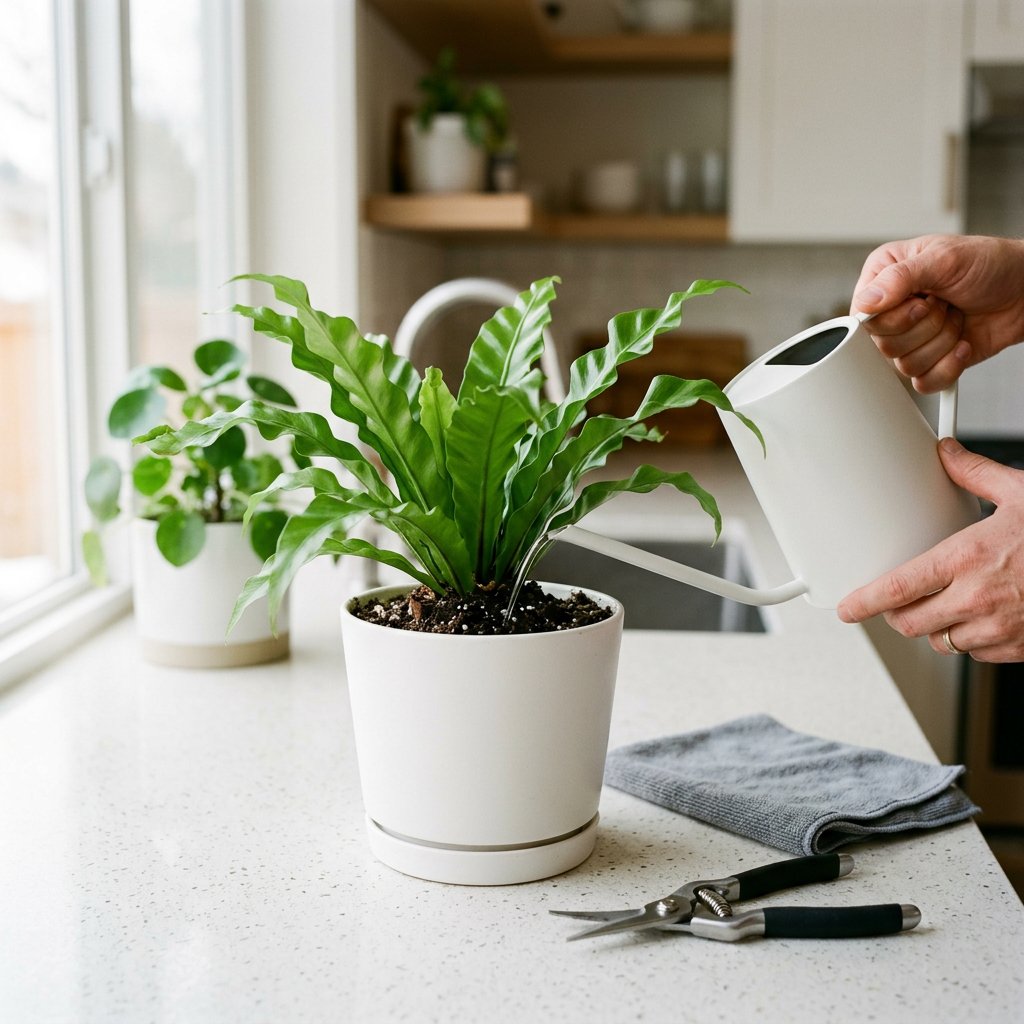
- Remove the pot and let the excess water drain away completely before putting it back in its decorative planter. Never let your fern sit in stagnant water, as this can lead to root rot.
Step 3: Supercharge the Humidity
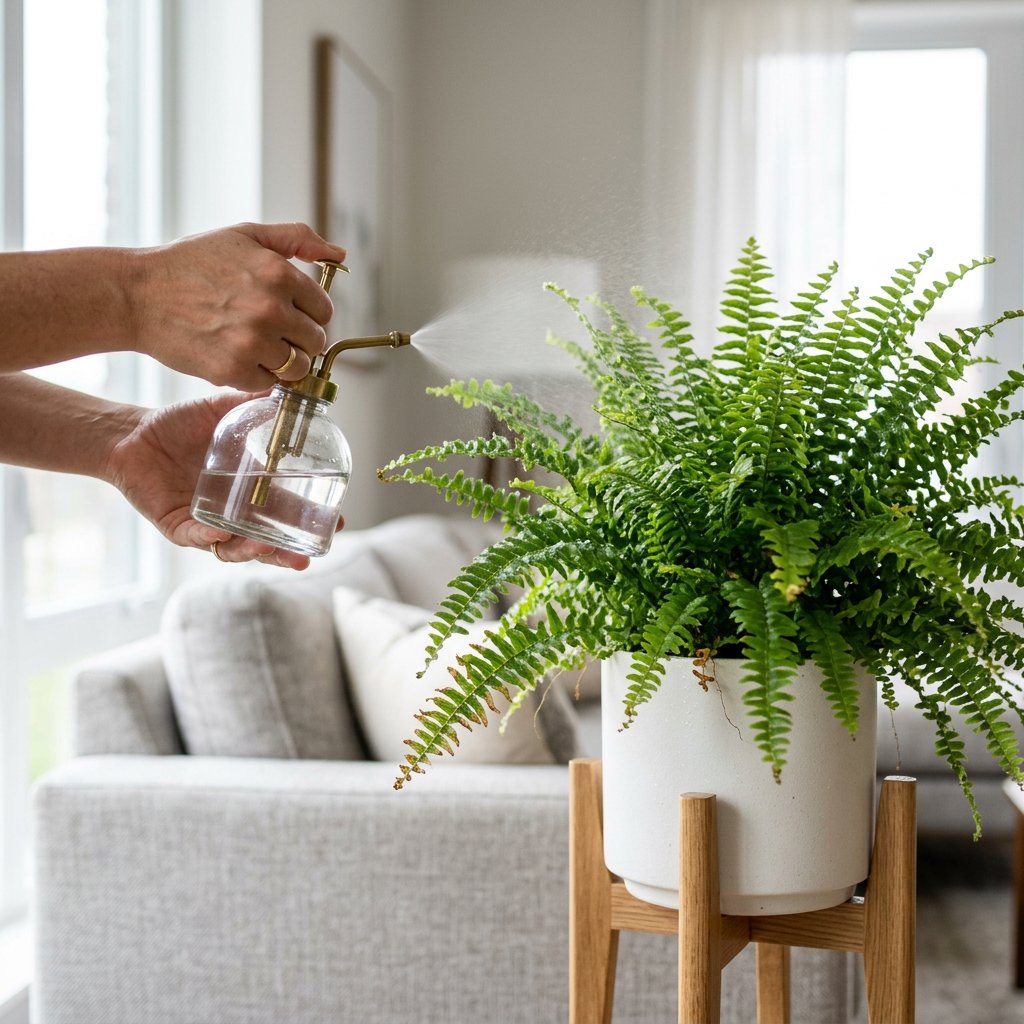
Misting your fern with a spray bottle feels nice, but it only raises the humidity for a few minutes. For a long-term fix, try these proven methods:
- Add a humidifier: Placing a small humidifier near your fern is the most effective way to keep its leaves soft and green.
- Create a pebble tray: Fill a shallow tray with pebbles and water, then place your fern’s pot on top of the pebbles (make sure the bottom of the pot isn't touching the water). As the water evaporates, it creates a micro-climate of humidity around the leaves.
- Group plants together: Plants naturally release moisture into the air through a process called evapotranspiration. By grouping your fern with other humidity-loving houseplants, they will share their moisture and create a humid little jungle!
Step 4: Relocate to a Safe Zone
Take a look at where your fern is living. Move it away from any AC units, heating vents, or drafty doors. Find a spot that receives bright, indirect light—like a few feet away from an East-facing or North-facing window. A bright bathroom with a frosted window is often a holy grail location for ferns, thanks to the frequent steam from the shower!
Seeing your favorite houseplant struggle can be discouraging, but don't give up! By keeping the soil consistently damp (but not soggy) and boosting the humidity in the air, your Boston Fern will reward you with a magnificent canopy of fresh, bouncy green growth in no time. If you need a handy reminder to check your fern's soil moisture, don't forget to set up a smart watering schedule in your Plantiary app. Happy planting!