There is nothing quite like the joy of seeing your rose bushes erupt into vibrant, fragrant blooms. But it can be incredibly disheartening when a dusty, white film suddenly covers those beautiful leaves and unopened buds. If you’ve noticed this ghostly coating on your beloved roses, take a deep breath—you are not a bad plant parent! This is a very common fungal issue known as powdery mildew, and it happens to almost every gardener at some point.
The good news is that this condition is highly treatable. If you are ever unsure whether your plant has powdery mildew or a different issue, you can always use the AI-powered plant disease scanner in the Plantiary app to get a confident diagnosis in seconds. Let’s walk through exactly how to banish this pesky fungus and help your roses thrive once again.
The Problem: Identifying Powdery Mildew on Roses
Before we jump into the cure, it is helpful to know exactly what we are looking at. Powdery mildew is relatively easy to spot, but it can escalate quickly if left unchecked.
Common symptoms include:
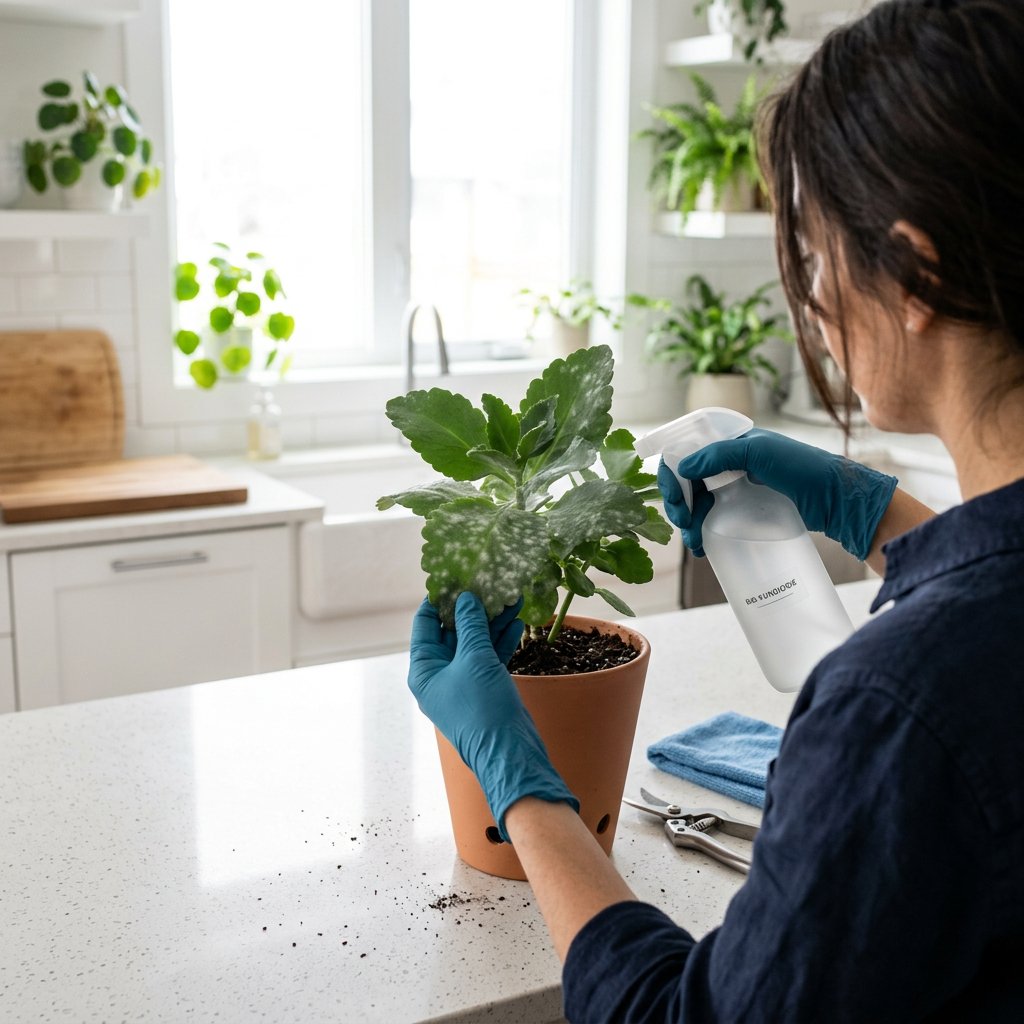
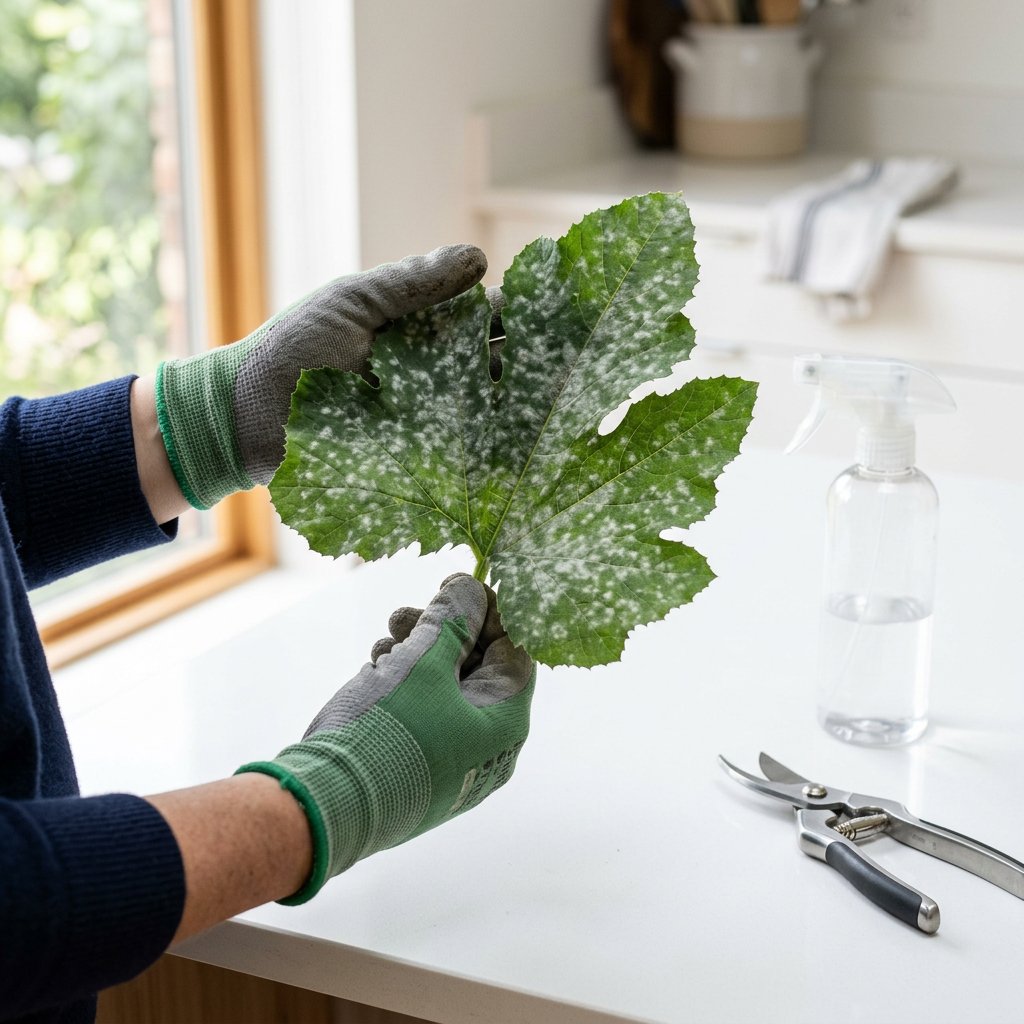
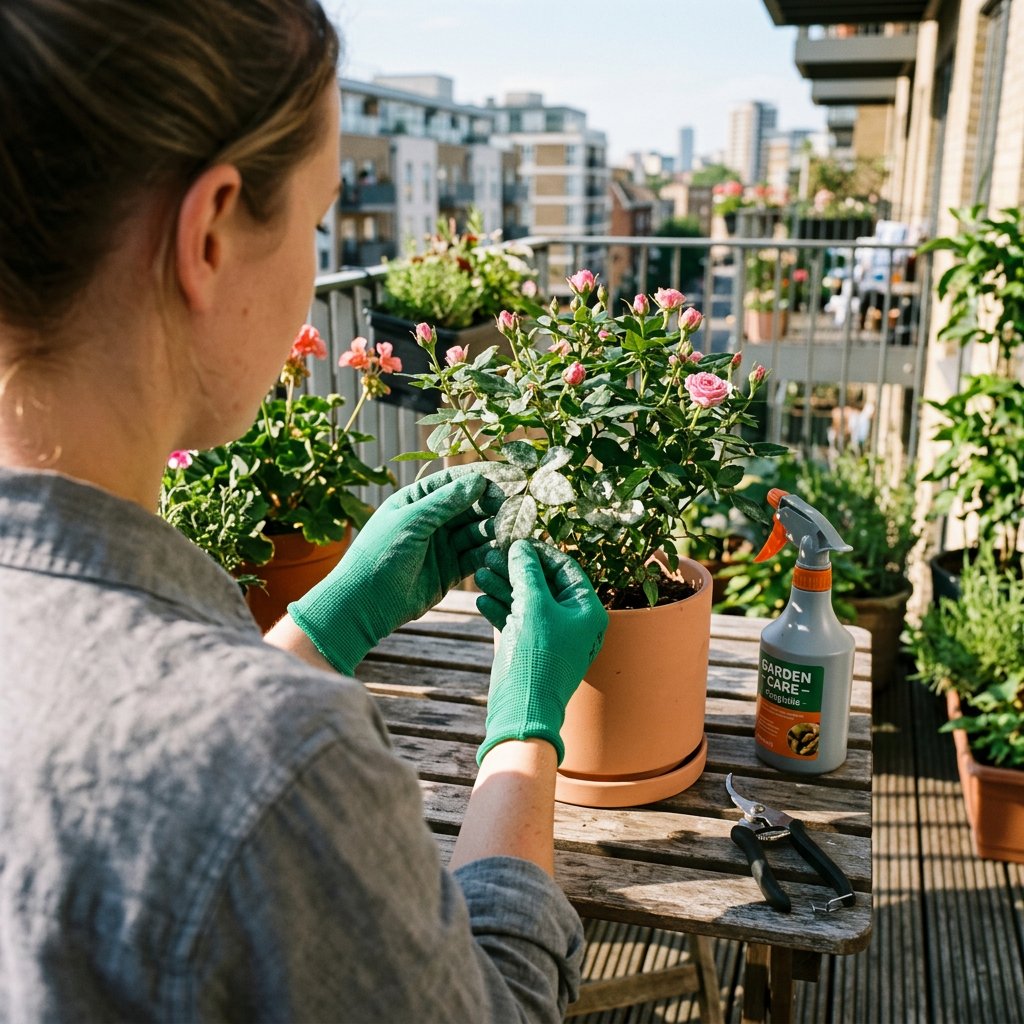
- White or gray powdery spots: These typically appear on the upper surfaces of the leaves first, but can spread to the undersides, stems, and flower buds.
- Distorted foliage: Young leaves may appear puckered, blistered, or curled upward at the edges.
- Chlorosis: This is the botanical term for when leaves lose their green pigment and begin turning yellow. Heavily infected leaves will eventually drop off the plant.
- Stunted growth: The powdery coating blocks sunlight, preventing the plant from photosynthesizing effectively, which weakens the overall rose bush.
The Causes: Why Is My Rose Bush Covered in White Powder?
Powdery mildew on roses is caused by a specific fungal pathogen (Podosphaera pannosa). Unlike many other types of fungi that require standing water to grow, powdery mildew spores actually thrive in dry foliage combined with high humidity.
Here is what creates the perfect storm for powdery mildew:
- Temperature fluctuations: Warm, dry days followed by cool, damp nights create the ideal environment for these fungal spores to awaken and spread.
- Poor air circulation: When rose bushes are planted too closely together or their branches grow too dense, fresh air cannot flow through the foliage, trapping humidity around the leaves.
- Excessive shade: Roses are sun-lovers. If they are planted in an area that does not get enough direct sunlight, the environment remains too damp, encouraging fungal growth.
The Solutions: Step-by-Step Treatment
Getting rid of powdery mildew requires a mix of immediate treatment and long-term preventative care. Follow these simple steps to stop the spread.
Step 1: Prune Away the Infection Carefully clip off the heavily infected leaves, stems, and buds. Be sure to use sterilized pruning shears to avoid spreading the fungus to other parts of the plant. Crucial tip: Do not compost these infected clippings! The spores can survive in compost and reinfect your garden later. Instead, bag them up and throw them in the trash.
Step 2: Open Up the Canopy (Improve Airflow) Take a step back and look at the center of your rose bush. Is it a dense tangle of branches? Prune away crossing branches and thin out the middle of the bush. This allows sunlight to penetrate and fresh air to blow through, which naturally dries out the stagnant, humid pockets that the fungus loves.
Step 3: Apply a Safe, Proven Fungicide Skip the trendy kitchen-pantry DIYs and stick to scientifically proven treatments. Treat your roses thoroughly, making sure to spray both the tops and bottoms of the leaves.
- Neem Oil: This natural, horticultural oil works wonders by smothering the fungal spores. Apply it in the early evening so the sun doesn't burn the oil-coated leaves.
- Copper or Sulfur-based Fungicides: These are easily found at local garden centers and are highly effective organic options for stopping powdery mildew in its tracks.
Step 4: Change Your Watering Routine How and when you water plays a massive role in plant health. Always water your roses at the base, directly onto the soil. Avoid overhead watering, as wetting the foliage excessively can invite a host of other fungal issues. Additionally, try to water in the early morning. This ensures that any accidental splashes on the leaves have the entire day to dry out in the sun.
Remember, gardening is a continuous learning journey, and encountering a bump in the road like powdery mildew simply makes you a more experienced plant parent! Stay observant, keep your shears clean, and don't forget to use the Plantiary app to log your care routines and set helpful watering reminders so your roses stay healthy and strong all season long.