Picture this: you decide to treat your favorite indoor plant to some fresh air and bright sunshine, hoping to encourage a burst of new growth. But a day or two later, you notice the leaves look bleached, crispy, or faded. Plant parent guilt instantly sets in, but take a deep breath—you haven't failed! This is a very common condition known as sunscald, and it happens to even the most experienced gardeners.
Just like human skin, plant leaves can get sunburned when exposed to intense UV rays too quickly. Fortunately, plants are incredibly resilient. With a little TLC and a quick rescue mission, your green companion will bounce back in no time.
The Problem: Symptoms of Sunscald
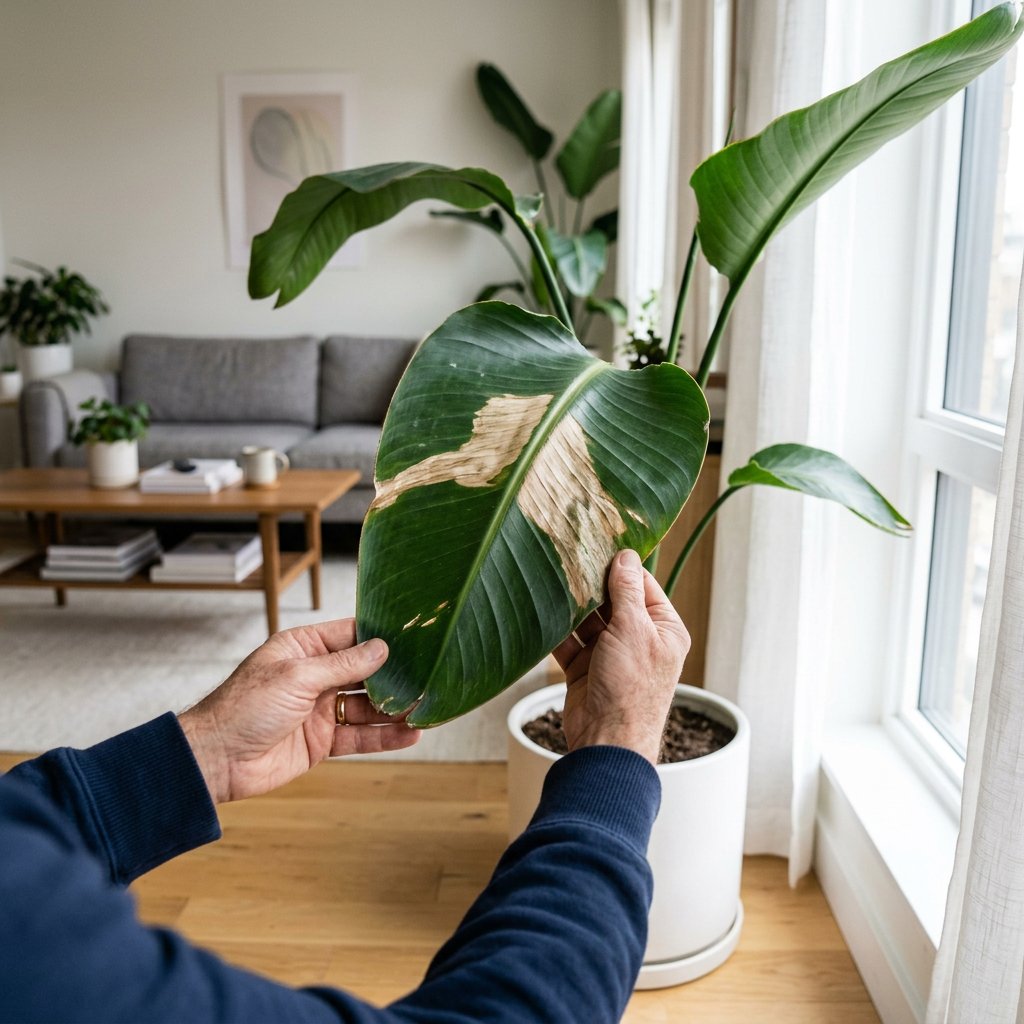
Sunscald is the plant equivalent of a severe sunburn. When the light and heat energy is too intense, it breaks down the plant's chlorophyll—the green pigment responsible for photosynthesis. But how can you tell if your plant is suffering from sunscald and not a pest issue? Keep an eye out for these telltale signs:
- Bleached or White Patches: The center of the leaves facing the sun may turn a pale, washed-out white or yellow.
- Crispy, Brown Edges: As the damage progresses, you might notice necrosis (a botanical term simply meaning dead, brown plant tissue) along the edges or tips of the leaves.
- Wilting or Drooping: Even if the soil is wet, the plant may droop as it tries to conserve energy and water in the extreme heat.
Pro Tip: If you are unsure what is wrong with your plant or whether those spots are sunburn versus a fungal infection, you can use the AI-powered plant disease scanner in the Plantiary app to get an accurate diagnosis in seconds!
The Causes: Why Did My Plant Get Sunburned?
To prevent future sunburns, it helps to understand why sunscald happens in the first place. The most common culprits include:
- Sudden Environmental Changes: Moving a plant from a dim corner directly into the blazing afternoon sun shocks the plant's system.
- Extreme Heatwaves: Even sun-loving plants can scorch when temperatures spike unexpectedly during the peak days of summer.
- Incorrect Placement: Placing a shade-loving tropical plant (like a Calathea or Fern) right next to a glaring, south-facing window.
The Solutions: Your Step-by-Step Quick Rescue
While damaged, scorched leaves cannot turn green again, you can easily save the rest of the plant and encourage fresh, healthy growth. Here is your immediate rescue plan:
- Step 1: Relocate Your Plant Immediately Get your plant out of the danger zone! Move it to a spot with bright, indirect light. If it’s an outdoor potted plant, pull it under a patio cover, an umbrella, or the shade of a larger tree.
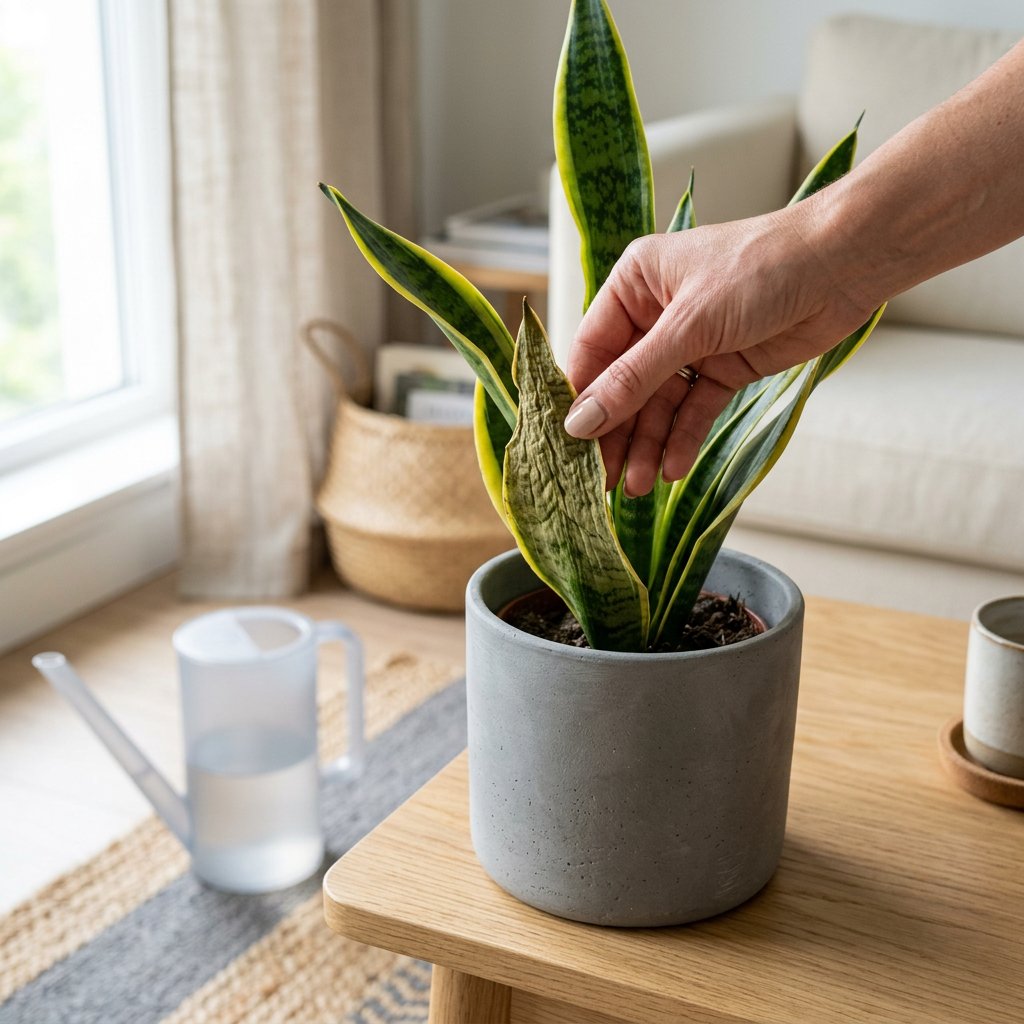
- Step 2: Check the Soil and Hydrate Intense sun often leads to rapid moisture loss. Touch the top inch of the soil; if it feels bone-dry, give your plant a thorough, deep watering. Be sure the pot has drainage holes so the excess water can escape. Do not overwater or add fertilizer right now, as the plant's roots are already stressed.
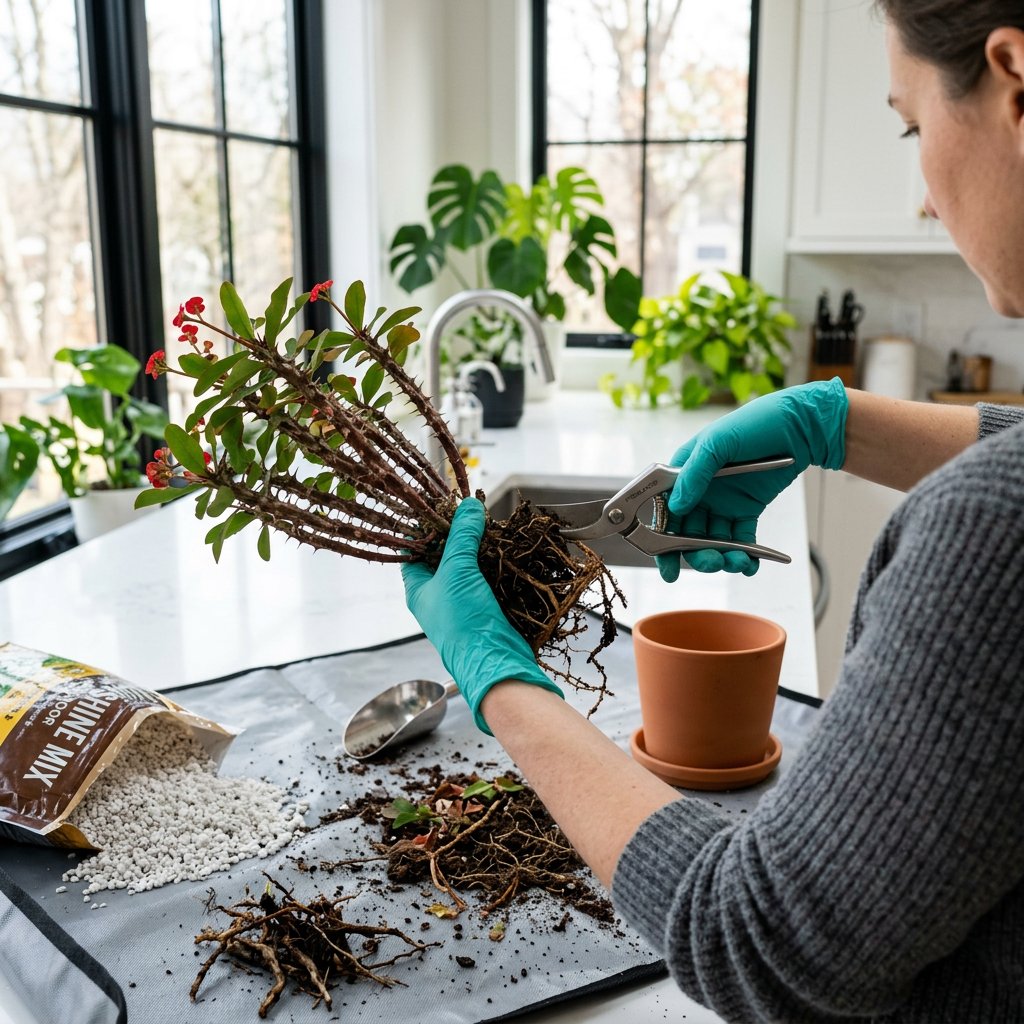
- Step 3: Prune the Damage Once a leaf has turned white or crispy brown, it cannot heal. Use a pair of clean, sterilized pruning shears to snip off the worst-affected leaves. This redirects the plant's energy away from trying to heal dead tissue and toward pushing out healthy new leaves. If a leaf is only slightly yellowed, you can leave it be for now.
- Step 4: Acclimate Slowly Next Time When you want to move a plant to a sunnier spot, you need to practice hardening off. This is a simple process of gradually introducing your plant to brighter light over 7 to 10 days. Start by placing it in the sun for just one hour in the gentle morning light, then slowly increase the duration and intensity of the exposure each day.
Seeing your beloved houseplant suffer from sunscald can be alarming, but remember that nature is forgiving. By acting quickly, moving your plant to safety, and adjusting your watering routine, you are setting the stage for a beautiful recovery.
If you want to make sure your plants are getting the perfect amount of light, don't forget to utilize the light meter and personalized care reminders in the Plantiary app. We are here to help you grow your indoor jungle with confidence!