Stepping into the world of houseplants can feel like navigating a beautiful, leafy minefield. You bring home a gorgeous green friend, proudly place it on your windowsill, and a week later, it’s dropping crispy leaves. If you’ve ever felt like you have a "black thumb," take a deep breath. You are absolutely not alone, and it’s completely normal! Every seasoned plant parent started exactly where you are, learning through trial and error.
To help you build your confidence, let's break down why early plant parenthood can be tricky and explore the best, most forgiving indoor plants to kickstart your indoor jungle.
The Problem: Symptoms of the "Black Thumb"
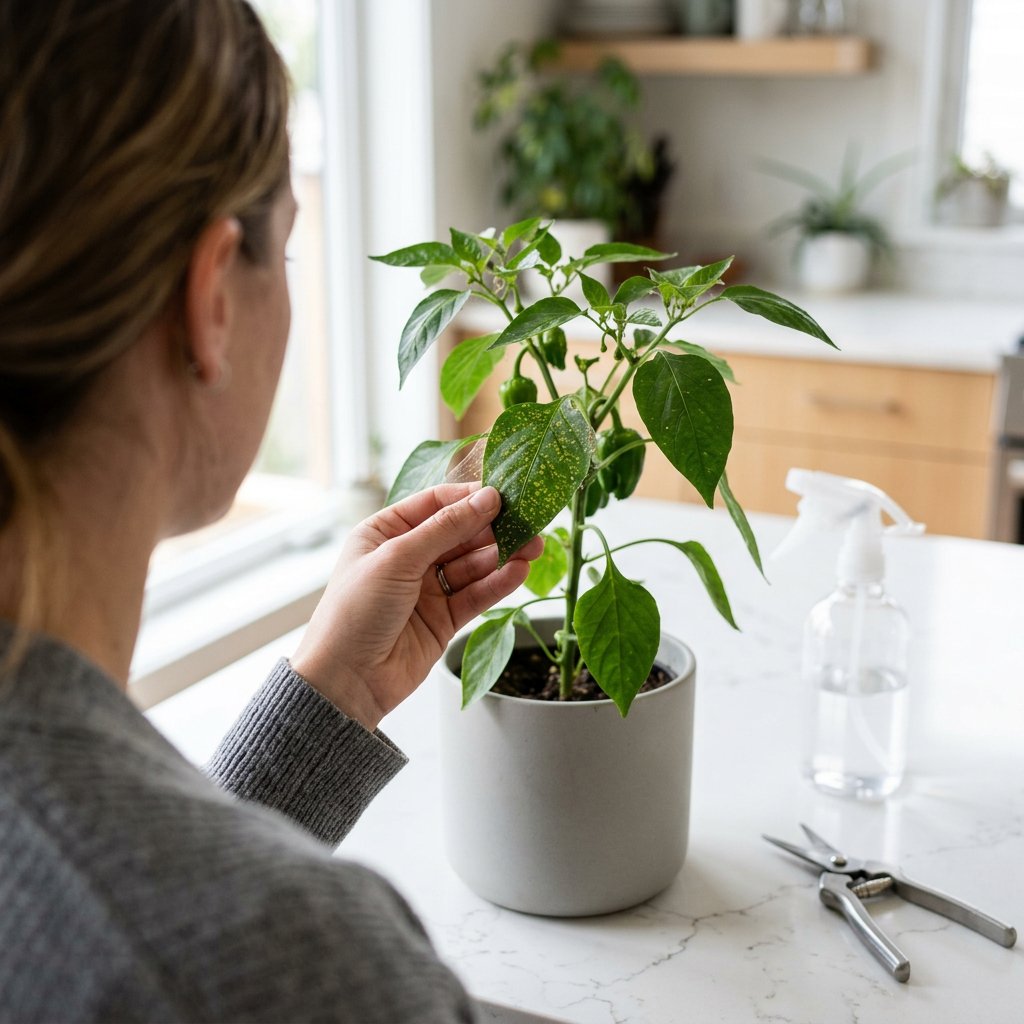
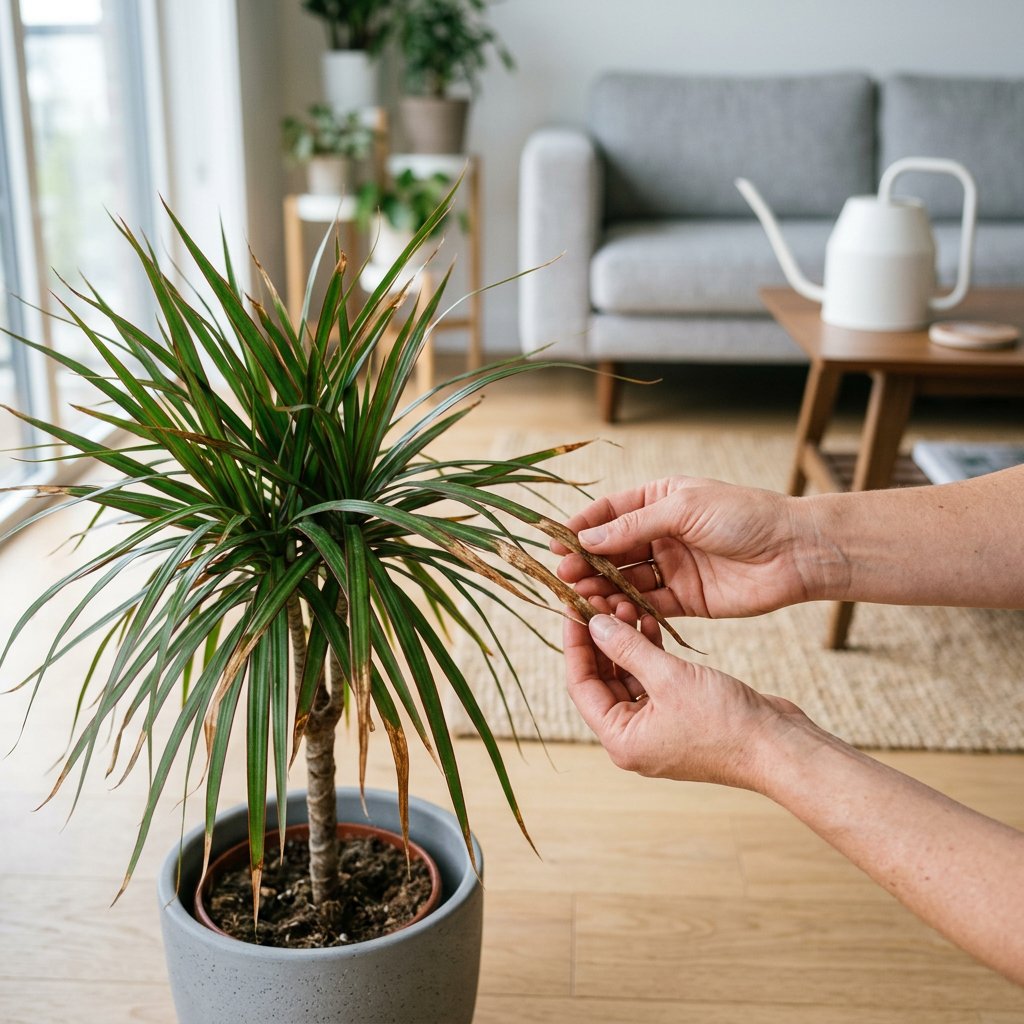
The typical symptoms of a beginner's plant struggle are all too familiar, and they can make you feel incredibly discouraged. You might notice sudden wilting, dry and brown leaf edges, or chlorosis—a botanical term for the yellowing of leaves that happens when a plant stops producing green chlorophyll, usually as a stress response.
When you see these symptoms, it is easy to feel guilty and assume you just aren't meant to keep plants. But the truth is, the problem isn’t your capability at all.
The Causes: Why Do Beginner Plants Struggle?
Most early houseplant casualties boil down to two very common causes:
- Over-loving (Overwatering): We love our new plants so much that we tend to water them every single day. Roots need oxygen to breathe, and constantly wet, soggy soil suffocates them, leading to root rot.
- Choosing High-Maintenance Divas: Many beginners are drawn to visually stunning but highly demanding plants, like Calatheas or Fiddle Leaf Figs. If your very first plant requires 70% humidity, perfect bright-indirect light, and filtered water, you are setting yourself up for unnecessary heartbreak.
The secret to early success is simply choosing resilient, forgiving plants that easily adapt to the average home environment.
The Solutions: The Best Indoor Plants for Beginners
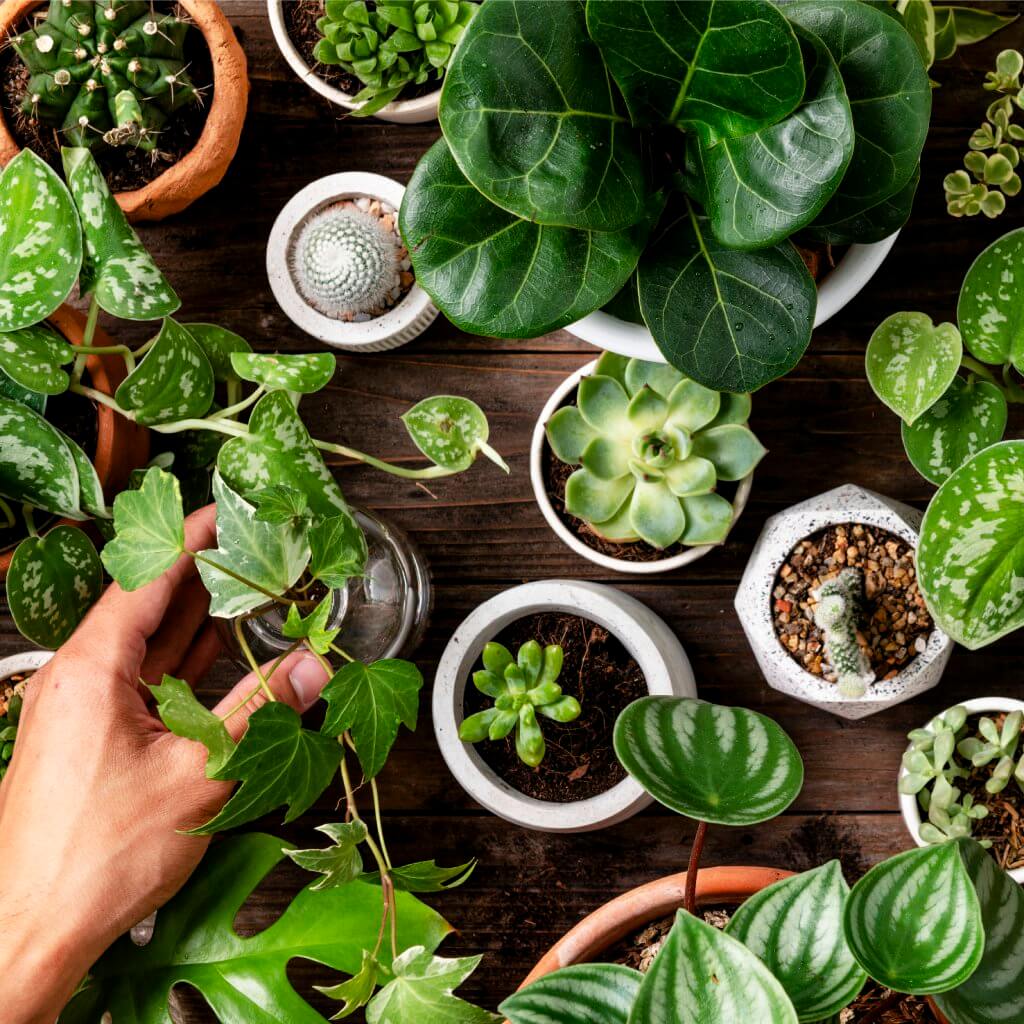
To build your confidence, here are three virtually indestructible plants that thrive on neglect:
- Snake Plant (Sansevieria): Known for its striking, sword-like upright leaves, this plant is a survivor. It stores water in its thick leaves, meaning it is highly drought-tolerant. It will happily survive in low light or bright light and only needs watering every few weeks.
- ZZ Plant (Zamioculcas zamiifolia): With glossy, dark green leaves, the ZZ plant looks almost fake because it is so perfect. It stores moisture in thick, potato-like roots underneath the soil called rhizomes. Because of these reserves, the ZZ plant prefers to be left entirely alone and only watered when the soil is completely bone dry.
- Pothos (Epipremnum aureum): If you want a fast-growing, trailing plant, the Pothos is your best friend. It is incredibly communicative. When it needs water, its leaves will dramatically droop, but within hours of a good drink, it will perk right back up.
Step-by-Step Treatment: How to Care for Your First Plants
Now that you have chosen a resilient plant, follow these foundational steps to keep it thriving:
- Step 1: Assess your light. Before bringing a plant home, look at the spot where you want to put it. Does it get bright morning sun, or is it a shadowy corner? Place your ZZ or Snake plants in lower light areas, and give your Pothos a spot with gentle, indirect sunlight.
- Step 2: Always check the soil before watering. Never water on a strict calendar schedule. Instead, stick your finger about two inches into the potting soil. If it feels moist, wait a few more days. If it feels completely dry, it is time for a drink.
- Step 3: Ensure proper drainage. Keep your new plant in its plastic nursery pot, and simply drop that plastic pot into a decorative ceramic one. When it's time to water, take the plastic pot to the sink, soak it thoroughly, and let all the excess water drain out the bottom holes before putting it back. This prevents water from pooling at the roots.
- Step 4: Set up a reliable support system. It is easy to second-guess yourself when you are just starting out. If you are unsure what is wrong with your plant, or if you need help remembering when to check the soil, you can use the AI-powered plant disease scanner and care reminders in the Plantiary app. It’s like having an expert botanist right in your pocket!
Remember, every brown leaf is just a learning opportunity. Be patient with your plants, be kind to yourself, and enjoy the wonderful, rewarding journey of indoor gardening!