There is nothing quite like the timeless beauty of a blooming rose bush in your garden—until you notice dark, unsightly blemishes creeping across the leaves. If your beloved roses are suddenly dropping leaves or looking a bit under the weather, take a deep breath. You are absolutely not a bad plant parent! Roses are famously prone to a few ailments, and what you are seeing is incredibly common. Let's walk through how to identify, understand, and gently treat black spot disease so your roses can get back to their blooming glory.
The Problem: Identifying Black Spot Symptoms
Before we jump into treatment, we need to make sure we are dealing with the right culprit. If you are ever second-guessing a strange spot on your leaves, remember you can use the AI-powered plant disease scanner in the Plantiary app to get an instant diagnosis and treatment plan!
If your rose is suffering from black spot disease, you will typically notice:
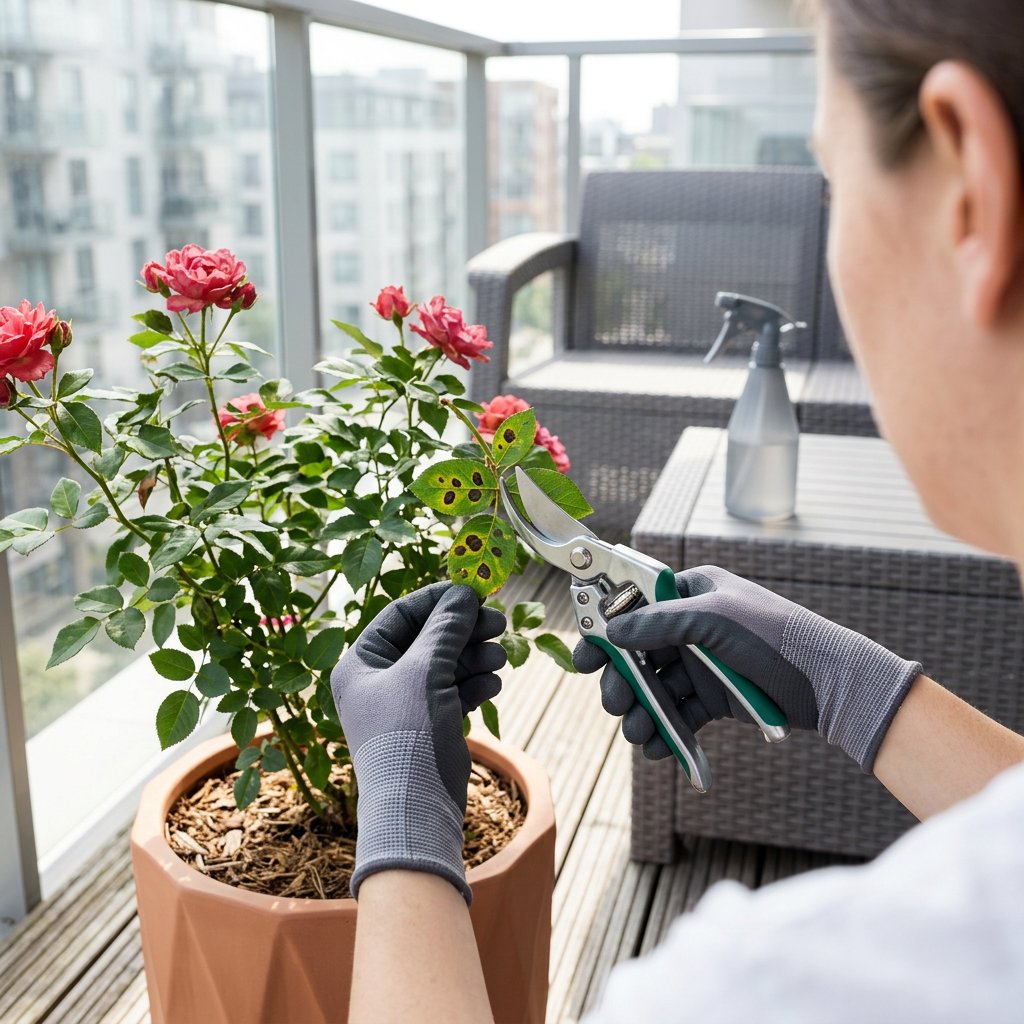
- Dark, circular blemishes: Look for black or dark brown spots on the upper sides of the leaves. These spots often have feathery or fringed edges rather than perfect circles.
- Chlorosis (Yellowing): As the spots grow, the surrounding leaf tissue begins to turn yellow. Botanists call this chlorosis, which simply means the leaf is losing its chlorophyll (the green pigment) due to stress.
- Premature leaf drop: The plant will start shedding its yellowed, spotted leaves, sometimes leaving the lower half of the rose bush completely bare.
- Reddish-purple lesions: In severe cases, you might also spot dark blisters on the plant’s canes (stems).
The Cause: Why Is This Happening?
Black spot is caused by a fungal pathogen known as Diplocarpon rosae. Fungi are opportunistic little organisms, meaning they are just waiting for the perfect environment to settle in and multiply.
This particular fungus thrives in wet, warm, and humid conditions. When water sits on the leaves of your rose bush for more than seven hours—whether from a rainy week, overhead sprinklers, or heavy morning dew—spores germinate and infect the plant tissue. Poor air circulation, caused by planting bushes too close together or failing to prune thick branches, traps this moisture and creates the ultimate breeding ground for the fungus.
The Solutions: Step-by-Step Treatment
Don't panic! Black spot is highly manageable. By combining good garden hygiene with safe treatments, you can stop this fungus in its tracks. Here is your step-by-step recovery plan:
1. Prune Away the Infected Areas
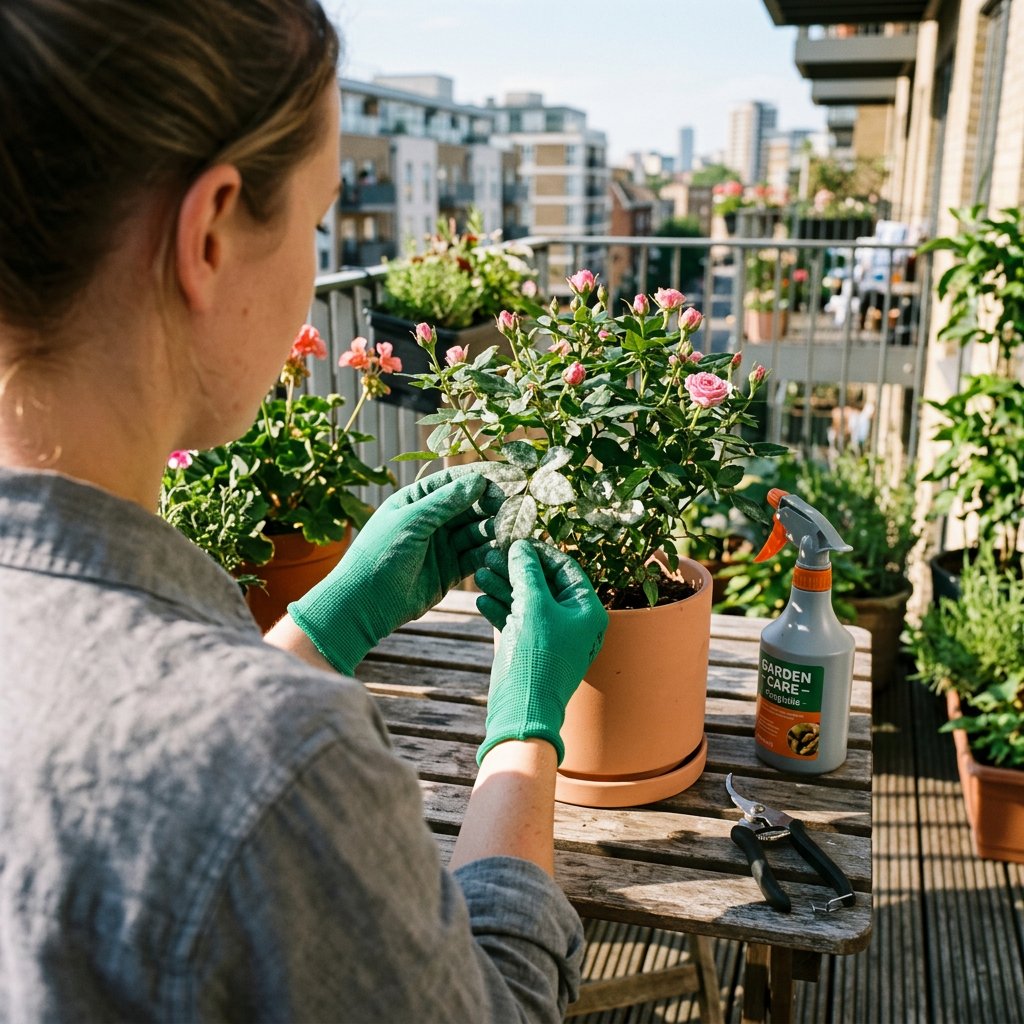
Grab a pair of sharp, sterilized pruning shears and carefully cut off any leaves showing black spots. Sanitation is crucial here. Be sure to wipe your shears with rubbing alcohol between cuts so you don't accidentally spread the fungal spores to healthy parts of the plant.
2. Clean Up the Drop Zone
Fungal spores are resilient survivors. They can easily overwinter (survive through the cold dormant months) in fallen leaves right at the base of your plant. Rake up and completely discard any fallen leaves or debris around your rose bush. Never put infected leaves in your compost bin, as the spores can survive and spread to other plants later; bag them up and throw them directly into the trash.
3. Treat with a Proven Fungicide
Once the visibly infected leaves are removed, you need to protect the remaining healthy foliage. Avoid bizarre DIY pantry hacks, as they can burn or damage your plant's delicate tissues. Instead, rely on scientifically proven treatments:
- Neem Oil: A natural, organic option that gently coats the leaves and disrupts fungal spores from germinating.
- Copper or Sulfur-based Fungicides: These are highly effective for more severe or stubborn infections.
Pro tip: Follow the package instructions carefully, and always apply treatments in the early morning or late evening to prevent the hot sun from burning the wet leaves.
4. Adjust Your Watering Habits
Since moisture is the main trigger for this disease, altering how your roses get their water is a game-changer. Always water right at the base of the plant (at the soil level) rather than using overhead sprinklers that drench the foliage. Watering in the morning is ideal, so any accidental splashes on the leaves have the whole day to dry out in the sun. You can easily set up an optimized watering schedule using the Plantiary app to remind you exactly when and how to water!
5. Improve Airflow Through Pruning
Give your plant room to breathe! During the appropriate pruning season, cut back the inner, crisscrossing branches of the rose bush to open up its center. This allows wind and sunlight to pass right through the plant, drying out leaves quickly and making the environment highly unwelcoming to fungi.
Seeing your beautiful roses struggle can be disheartening, but remember that gardens are resilient, and so are you. With a little bit of tidying, targeted watering, and safe treatments, your roses will push out fresh, green growth in no time. Keep a close eye on them, and lean on your Plantiary app whenever you need a helping hand on your plant parenting journey!