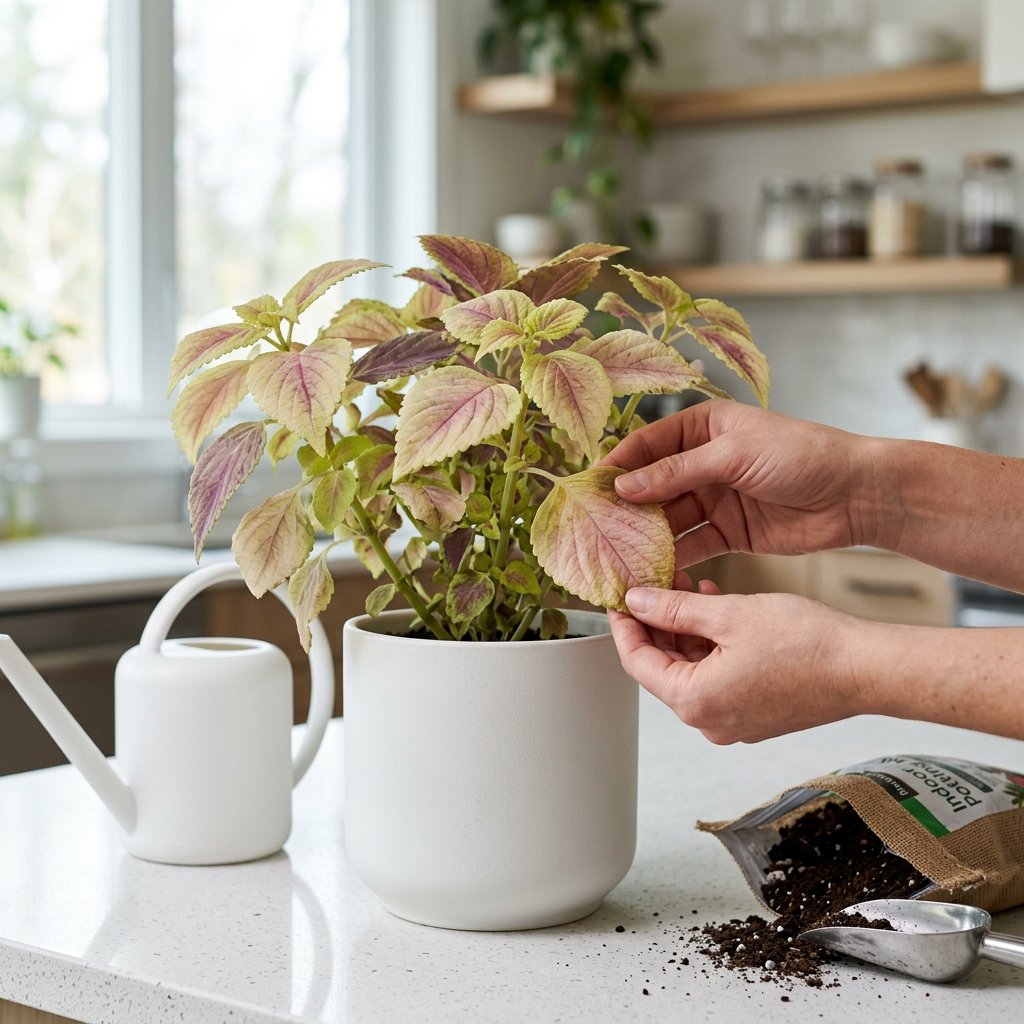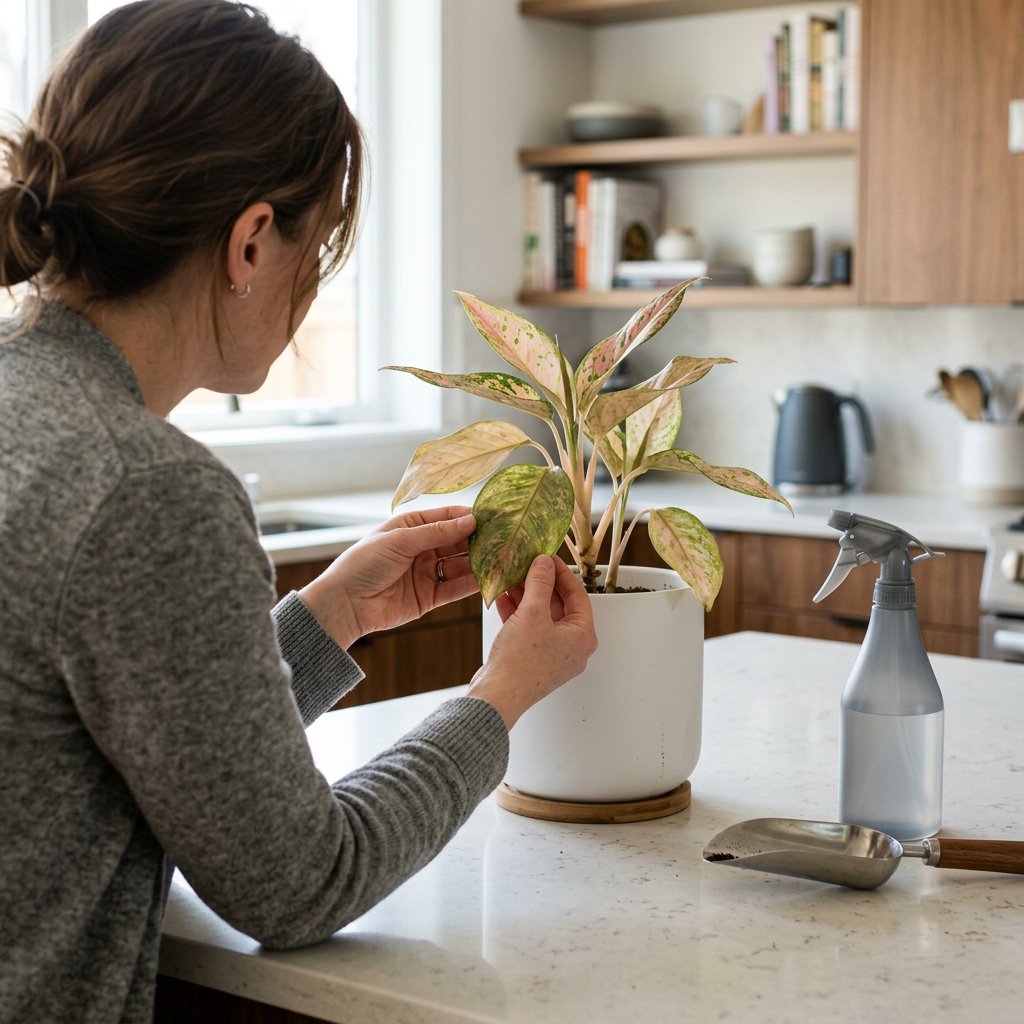
It can be incredibly heartbreaking to bring home a gorgeous Aglaonema—often called a Chinese Evergreen—bursting with vibrant splashes of cherry red, bubblegum pink, or striking silver, only to watch those spectacular colors slowly fade away. If your vibrant statement plant is starting to look a little lackluster, take a deep breath! Plant parenthood is a journey of trial and error, and losing plant color is a very common hurdle that happens to almost every indoor gardener at some point. The good news is that your plant is simply trying to communicate its needs, and with a few minor adjustments, you can coax those brilliant hues right back.
The Problem: Recognizing the Symptoms
Before we dive into fixing the issue, it helps to understand exactly what your plant is going through. Depending on the root cause, your Aglaonema’s color loss might present itself in a few different ways:
- Reverting to Green: The beautiful patterns on your plant—known as variegation (the appearance of differently colored zones on the leaves)—are shrinking, and the newer leaves are growing in almost entirely solid green.
- Washed Out or Bleached: The leaves appear pale, faded, or slightly transparent, almost as if they have been left out in the sun too long.
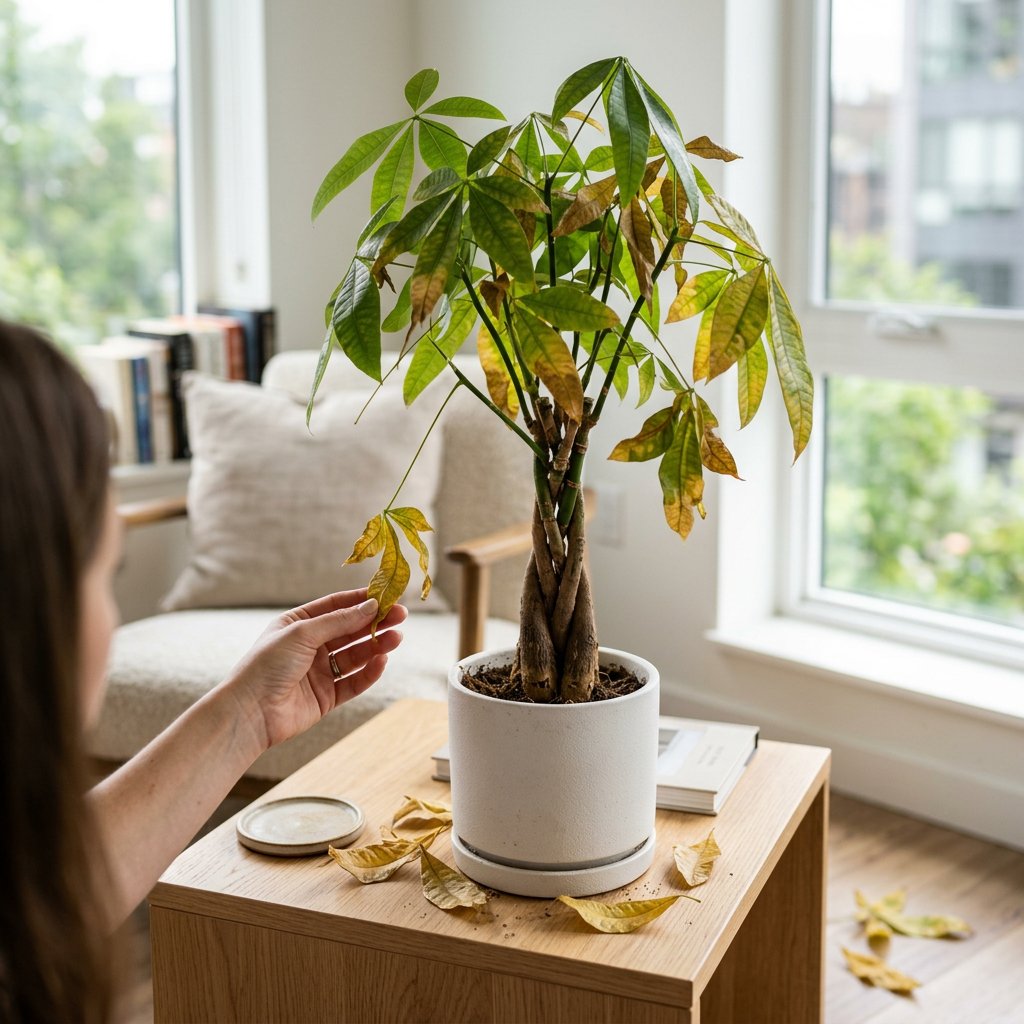
- Overall Yellowing: The vibrant colors are being replaced by an unhealthy, sickly yellow hue across the entire leaf structure.
The Causes: Why is Your Aglaonema Fading?
Aglaonemas are generally incredibly resilient, but their vibrant colors are highly dependent on their environment. Here are the most common, science-backed reasons your plant is losing its color:
1. The Wrong Lighting (Too Little or Too Much)
Lighting is almost always the main culprit behind fading colors. If your plant isn't getting enough light, it will naturally try to survive by producing more chlorophyll (the pigment responsible for green color) to absorb as much light as possible. This extra green pigment ends up masking the beautiful pinks and reds. Conversely, if your plant is sitting in direct, harsh sunlight, the intense rays can literally bleach the pigments right out of the foliage, causing a washed-out appearance.
2. Nutrient Deficiencies
Just like us, plants need a balanced diet. If your soil is depleted of essential nutrients like nitrogen or magnesium, your plant may experience chlorosis. Chlorosis is a condition where the plant cannot produce enough chlorophyll, leading to pale, yellowing, or faded leaves.
3. Watering Woes
Overwatering is a common mistake made with the absolute best intentions. When soil stays constantly soggy, the roots can suffocate and begin to rot. Damaged roots cannot absorb the water and nutrients necessary to maintain a lush, colorful canopy, resulting in a droopy, pale, and yellowing plant.
The Solutions: Step-by-Step Treatment to Restore Color
Don't worry—your Aglaonema can absolutely bounce back! By following these actionable, science-approved steps, you can help your plant recover its signature brilliance.
If you are unsure what is wrong with your plant, you can use the AI-powered plant disease scanner in the Plantiary app to get a diagnosis in seconds. It’s a fantastic tool to take the guesswork out of plant care!
Otherwise, follow this step-by-step recovery plan:
Step 1: Relocate to Bright, Indirect Light Move your Aglaonema to a spot that receives plenty of bright, indirect sunlight. A few feet away from an east-facing or west-facing window is usually the sweet spot. The light should be bright enough to cast a soft shadow, but the sun's rays should never physically touch the leaves.
Step 2: Perfect Your Watering Routine Never water your Aglaonema on a strict calendar schedule. Instead, always check the soil first. Stick your finger into the dirt; if the top two inches feel dry to the touch, it is time to water thoroughly until liquid escapes the drainage holes. If it feels wet, wait a few more days. Proper aeration at the root level is essential for vibrant foliage.
Step 3: Provide a Gentle Nutrient Boost If your plant has been in the same soil for over a year, it might be hungry. During the active growing seasons (spring and summer), feed your Aglaonema once a month with a high-quality, balanced liquid houseplant fertilizer diluted to half-strength. This provides the exact micronutrients needed to support bright, healthy pigmentation.
Step 4: Prune the Faded Foliage It is important to note that leaves that have already turned completely green or yellow will not regain their original colors. Once you have corrected the light and watering, use clean, sterilized shears to snip off the oldest, most faded leaves. This encourages the plant to direct its energy into pushing out brand-new, vibrantly colored growth.
Remember, plants operate on their own timeline, so be patient with yourself and your Aglaonema. Keep up with these gentle adjustments, and before you know it, your Chinese Evergreen will be rewarding you with a spectacular show of colors once again!